Anteprima in scala reale
 Condividi
 Condividi
 Dettagli
 Guida
Guida

 Scarica
 Articoli simili
 Radiografia
 Slideshow
 Statistiche
David Garrick
 Oil On Canvas
- WallArt
- Baroque Rococo Fusion
 1763
1763- Early Modern
 75.0 x 63.0 cm
 Ashmolean Museum di Arte e Archeologia
Admire Johann Zoffany's iconic portrait of David Garrick alongside Eva Maria Veigel, capturing the theatrical spirit of Georgian England at The Ashmolean Museum.
 Leggi tutto
Scopri i capolavori del XVIII secolo di Johann Zoffany! Rinomato per le 'conversation pieces', che fondono la precisione tedesca e l'eleganza italiana. Esplora ritratti, dipinti storici e molto altro – disponibili su TopImpressionists.
Riproduzione a olio fatta a mano
Olio su tela dipinto a mano nelle tue dimensioni e con la tua cornice, realizzato su ordinazione dai nostri artisti. ( Passa alle stampe Passa all'immagine digitale)




P118B $10

P118H $10

P118W $10

P438Z $10

P508JH $12

P508YH $12

P805H $10

P805Z $10

P919BZ $10

P919G $10

P919XJ $10

P959ZH $10

P968JZ $12

W106C $8

W218G $10

W218JH $8

W218Y $10

W307PJ $10

W316G $10

W316PJ $8

W316Y $10

W398PJ $8

W4111J $10

W500HY $15

W500JH $15

W692G $12

W849H $8

W940BG $15

W953PJ $8




Standard
personalizzato
CM
INCH
Scegli tra le nostre dimensioni predefinite, che rispettano le proporzioni originali dell'opera d'arte.
Loading sizes...

larghezza
altezza
È possibile inserire dimensioni personalizzate per adattare l'opera a una cornice o a uno spazio specifico. Se la dimensione selezionata non corrisponde alle proporzioni dell'immagine originale, provvederemo a ritagliare l'opera o a estendere il dipinto con elementi aggiuntivi dipinti a mano. Un mockup digitale ti sarà inviato per approvazione prima dell'inizio della produzione.
Si prega di notare che l'anteprima a schermo non riflette il ritaglio o l'estensione effettivi. Solo il mockup mostrerà accuratamente la composizione finale.
Sebbene siano disponibili dimensioni personalizzate, consigliamo di selezionare una dimensione dall'elenco predefinito per preservare le proporzioni originali.
Esempi di personalizzazione: sostituire il volto con una foto del cliente; aggiungere un animale domestico (ad esempio, sostituire un gatto con un cane); inserire un messaggio nascosto nello sfondo; cambiare il paesaggio o gli elementi dello sfondo.
Dopo l'ordine, il team di TopImpressionists.com contatterà il cliente via e-mail per ricevere le istruzioni e fornirà un'anteprima del mockup
Dopo l'ordine, il team di TopImpressionists.com contatterà il cliente via e-mail per ricevere le istruzioni e fornirà un'anteprima del mockup
Consegna in tutto il mondo () in 3/4 settimane anziché nelle normali 5 settimane. (23 Settembre). Nessun compromesso sulla qualità.

Spedizione espressa gratuita in tutto il mondo

Tela in lino di alta qualità

Assicurazione completa sulla spedizione

Garanzia di rimborso dei dazi doganali

Garanzia di perfetta fedeltà cromatica

Politica di reso entro 100 giorni (solo per difetti di fabbricazione)

Garanzia di rimborso al 100%

Sconto per acquisti multipli
 L'opzione vetro è disponibile solo per dimensioni inferiori a 110 cm

David Garrick
Tecnica di riproduzione
Dimensioni della riproduzione
-


Prezzo totale
$ 269
A Theatrical Soul Captured in Oil
In the quiet halls of The Ashmolean Museum of Art and Archaeology, there exists a portrait that does more than merely record a likeness; it breathes with the very essence of the eighteenth-century stage. Johann Zoffany’s 1763 masterpiece, David Garrick, is an evocative window into the heart of Enlightenment England. At first glance, we encounter the commanding presence of Garrick, the most celebrated actor of his era, rendered with a profound sense of dignity and intellectual depth. Zoffny does not present us with a mere performer in costume, but with a man whose very existence was intertwined with the dramatic arts. The composition is intimate yet grand, focusing on Garrick from the chest up against a somber, dark background that pushes his luminous features toward the viewer, demanding an immediate and visceral connection.
The technique employed by Zoffany is nothing short of masterful, showcasing the meticulous precision characteristic of the finest oil-on-canvas works of the period. Through subtle tonal gradations and a sophisticated command of light, the artist breathes life into the textures of the subject's attire—the crisp white collar contrasting sharply against the deep black of his formal coat. This interplay of light and shadow, or chiaroscuro, serves to sculpt Garrick’s face, highlighting a contemplative gaze that seems to look beyond the frame, perhaps lost in thought regarding a recent performance or a future script. For the discerning collector or interior designer, this painting offers a profound sense of classical elegance, making it an ideal centerpiece for spaces that value historical gravity and sophisticated drama.
The Dual Faces of Drama
Beyond the physical representation of a legendary actor, Zoffany weaves a complex tapestry of symbolism into the very fabric of the portrait. Floating near Garrick’s face are two iconic theatrical masks: the smiling visage of Comedy and the furrowed, mournful brow of Tragedy. These are not mere decorative elements; they are the dual pillars of the human experience that Garrick mastered on stage. The presence of these masks transforms the portrait from a standard biographical study into a profound meditation on the nature of performance and emotion. It suggests that behind the dignified gentleman lies the capacity for both joyous exuberance and profound sorrow, mirroring the duality of the human condition itself.
This symbolic layer adds an intellectual richness that elevates the artwork, making it much more than a decorative piece. It invites the viewer to contemplate the boundaries between reality and artifice, between the man and the persona. For those looking to adorn a home or gallery with a reproduction of this caliber, the painting provides a continuous source of conversation and inspiration. It embodies a period where art, intellect, and social status converged in a beautiful, theatrical display. To possess such a work is to hold a fragment of history—a moment frozen in 1763, where the spirit of the theatre remains eternally vibrant and hauntingly beautiful.
Biografia dell'artista
Johann Zoffany: Vita e Eredità
Primi Anni di Vita e Formazione
Johann Zoffany, nato Johannes Josephus Zaufallij nel 1733 a Friburgo in Germania, era un pittore che raggiunse fama soprattutto in Inghilterra e Italia. I dettagli della sua infanzia sono scarsi, ma si sa che ricevette una formazione artistica fin da giovane. Inizialmente fu apprendista di uno scultore, forse Melchior Paulus a Ellwangen, prima di studiare con Martin Speer a Ratisbona. Questo periodo formativo ha gettato le basi per la sua futura carriera.
Viaggio in Italia e Inghilterra
Nel 1750, Zoffany viaggiò a Roma, entrando nello studio di Agostino Masucci dove affinò le sue abilità all'interno della tradizione artistica italiana. Successivamente si trasferì in Inghilterra nel 1760, sostenendosi inizialmente creando disegni decorativi per orologi prodotti da Stephen Rimbault. Questo periodo segnò un punto di svolta mentre iniziava a stabilire contatti e ottenere riconoscimento all'interno della scena artistica di Londra.
Patronaggio Reale e Sviluppo Artistico
Zoffany attirò rapidamente l'attenzione del re Giorgio III e della regina Carlotta, diventando un ritrattista preferito della famiglia reale. La sua capacità di catturare momenti informali – come La regina Carlotta e i suoi due figli maggiori (1765) – lo distingueva dai pittori di corte più formali. Era anche popolare con la famiglia imperiale austriaca e creò un barone dell'Impero Romano del Sacro Romano Impero nel 1776 per l'imperatrice Maria Teresa.
Il Maestro delle “Conversazioni”
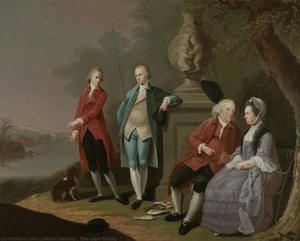
Zoffany divenne celebre per le sue “conversazioni”, o *conversazione* – ritratti di gruppo informali che raffigurano raduni sociali. Eccelleva nel catturare la personalità e le interazioni all'interno di questi scene, spesso con figure eminenti della società, del teatro e della letteratura. Le sue opere come La famiglia Cope (1775) ne sono un esempio, offrendo uno sguardo sulla vita dei suoi protetti.
Realizzazioni Principali e Opere Notabili
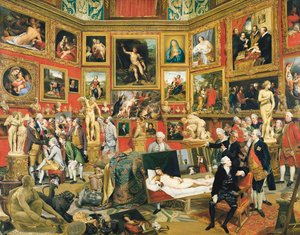
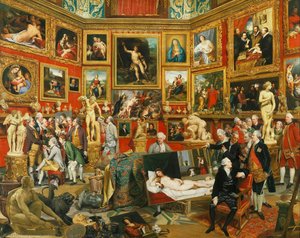
- Tribuna dell'Uffizi (1772-1778): Forse la sua opera più famosa, una rappresentazione meticolosamente dettagliata della Galleria degli Uffizi a Firenze.
- Il dottor William Hunter insegna l'anatomia all'Accademia Reale (1779): Un affascinante ritratto dell'istruzione medica e della ricerca scientifica.
- Giorgio III (1771): Un ritratto regale che mostra il potere ed eleganza del re.
- La partita di codini del colonnello Mordaunt (1784-1786): Una vivace rappresentazione della vita coloniale in India, catturando un evento culturale unico.
Anni in India e Vita Successiva
Dal 1783 al 1789, Zoffany risiedette in India, dove dipinse ritratti di figure importanti come Warren Hastings e Asaf-ud-Daula. Le sue esperienze lì influenzarono il suo stile artistico e i soggetti delle sue opere. Una storia notevole di questo periodo riguarda una tempesta di navi a distanza delle isole Andamane, dove i sopravvissuti ricorrevano a misure estreme per la sopravvivenza.
Influenze ed Eredità
Il lavoro di Zoffany riflette influenze sia dalla precisione tedesca che dall'arte italiana. Fu influenzato da artisti come Agostino Masucci e trasse ispirazione dalla tradizione barocca. Il suo stile, a sua volta, influenzò i contemporanei e gli artisti successivi interessati al ritratto e al commento sociale. Ha colmato le tradizioni artistiche e ha lasciato un impatto duraturo sull'arte del XVIII secolo.
Significato Storico
I dipinti di Johann Zoffany forniscono preziose informazioni sulle usanze sociali, sulla vita intellettuale e sui valori culturali del suo tempo. Le sue “conversazioni” offrono ritratti intimi di individui eminenti e del loro mondo, mentre le sue rappresentazioni dell'India contribuiscono alla nostra comprensione della storia coloniale. Rimane una figura significativa nella storia dell'arte, celebrato per la sua abilità tecnica, le sue osservazioni perspicaci e la sua visione artistica unica.

johann zoffany
1733 - 1810 , Germania
Informazioni rapide
- Artistic Movement Or Style: Neoclassicismo
- Artists Who Influenced This Artist:
- Agostino Masucci
- Martin Speer
- Date Of Birth: 1733
- Full Name: Johann Joseph Zoffany
- Nationality: Germano
- Notable Artworks:
- Tribuna degli Uffizi
- Il dottor William Hunter insegna l'anatomia all'Accademia Reale
- Giorgio III
- Place Of Birth: Francoforte sul Meno
Articoli correlati

Jacques-Louis David: Neoclassicismo, Rivoluzione e l'Arte come Testimonianza di un'Epoca
Esplora la vita e le opere di Jacques-Louis David, il maestro del Neoclassicismo francese. Analisi approfondite dei suoi capolavori rivoluzionari e dell'influenza artistica che ha lasciato un segno indelebile nella storia dell'arte.

Thomas Rowlandson: Satira, Società e l'Arte della Caricatura nell'Inghilterra Georgiana
Esplora il genio di Thomas Rowlandson, maestro della caricatura inglese e acuto osservatore della società georgiana. Analisi delle sue opere satiriche, tecniche artistiche e l'eredità che continua a influenzare l'arte contemporanea.

Johann Zoffany: Capturing Georgian Society with Brushstrokes of Cosmopolitan Flair
Explore the captivating world of Johann Zoffany, master portraitist of Georgian society. Discover his unique 'conversation pieces,' imperial commissions & lasting legacy. A guide for discerning collectors.

David Cox the Elder: Landscape, Light & the Romantic Vision of Rural England
Explore the captivating landscapes of David Cox the Elder, a pivotal figure in British Romanticism. Discover his masterful watercolour techniques, enduring legacy & find timeless art for your home at TopImpressionists.

Gerard David: Un Ponte tra Tardo Medioevo e Rinascimento Fiammingo
Esplora la vita e le opere di Gerard David, figura chiave della pittura fiamminga tra Tardo Medioevo e Rinascimento. Analisi approfondita del suo stile innovativo e dell'influenza sui maestri successivi.
Esplora le opere d'arte organizzate per temi, stili e caratteristiche.