


 Anteprima in scala reale
 Condividi
 Condividi
 Dettagli
 Guida stampabile

 Scarica
 Articoli simili
 Radiografia
 Slideshow
 Statistiche
Chamouni, Rocks and Vegetation


John Ruskin's 'Chamouni, Rocks and Vegetation' (1854) is a breathtaking watercolor depicting a mountainous alpine scene dominated by rocky cliffs and lush plant life. Executed in the style of Millais’ portrait of Ruskin, it exemplifies Ruskin’s championing of naturalism and represents a pivotal piece within his artistic legacy.
 Leggi tutto
Scopri John Ruskin (1819-1900), poliedrico pensatore vittoriano! Esplora i suoi dipinti di paesaggio, analisi architettoniche e saggi influenti su natura, bellezza e società.
Giclée / Stampe d'arte
Stampa giclée o su tela di qualità museale, con produzione rapida e diverse opzioni di finitura. ( Ordina la riproduzione dipinta a mano Passa all'immagine digitale)




P118B €10

P118H €10

P118W €10

P438Z €10

P508JH €12

P508YH €12

P805H €10

P805Z €10

P919BZ €10

P919G €10

P919XJ €10

P959ZH €10

P968JZ €12

W106C €8

W218G €10

W218JH €8

W218Y €10

W307PJ €10

W316G €10

W316PJ €8

W316Y €10

W398PJ €8

W4111J €10

W500HY €15

W500JH €15

W692G €12

W849H €8

W940BG €15

W953PJ €8




Standard
personalizzato
CM
INCH
Scegli tra le nostre dimensioni predefinite, che rispettano le proporzioni originali dell'opera d'arte.
Loading sizes...

larghezza
altezza
Inserisci la larghezza e l'altezza desiderate, per adattarle alla tua cornice o alla tua parete. Una stampa può essere solo ritagliata, mai resa più grande dell'immagine originale; pertanto, un formato con una forma differente comporterà la perdita di una parte dell'opera. Ti invieremo un mockup digitale da approvare prima di procedere con la stampa. L'immagine mostrata in questa pagina non rappresenta il ritaglio reale — solo il mockup lo mostra.
Consegna in tutto il mondo () in 2 settimane invece delle normali 4/5 settimane. (22 Ottobre)

Spedizione espressa gratuita in tutto il mondo

Tela in lino di alta qualità

Assicurazione completa sulla spedizione

Garanzia di rimborso dei dazi doganali

Garanzia di perfetta fedeltà cromatica

Politica di reso entro 100 giorni (solo per difetti di fabbricazione)

Garanzia di rimborso al 100%

Sconto per acquisti multipli
 L'opzione vetro è disponibile solo per dimensioni inferiori a 110 cm

Chamouni, Rocks and Vegetation
Giclée / Stampe d'arte
Dimensioni della riproduzione
-


Prezzo totale
€ 61
Ruskin’s Alpine Reverie: A Study in Texture and Moral Vision
John Ruskin's "Chamouni, Rocks and Vegetation," painted in 1854, stands as a testament to the Pre-Raphaelite movement’s fascination with capturing the sublime beauty of the natural world—a pursuit inextricably linked to ethical contemplation. More than just a landscape depiction, it embodies Ruskin’s profound belief that art should serve as a conduit for moral enlightenment, mirroring his broader philosophical stance on humanity's relationship with God and creation.- Subject Matter: The painting portrays the towering granite peaks of Mont Blanc (Chamouni), bathed in diffused sunlight—a quintessential Alpine vista meticulously rendered by Ruskin’s hand.
- Style & Technique: Ruskin championed a style characterized by painstaking detail and luminous color, prioritizing observation over idealized representation. He employed watercolor on paper, layering thin washes to build up texture and capturing the subtle nuances of light and shadow. The artist's deliberate brushstrokes convey a sense of immediacy and reverence for the grandeur of the mountain landscape.
- Historical Context: Created during Ruskin’s formative years as an art critic and intellectual, “Chamouni” reflects his burgeoning interest in geology and his conviction that understanding the physical world illuminates spiritual truths. It aligns perfectly with Millais's ambitious portrait of Ruskin at Glenfinlas, commissioned shortly after—a visual embodiment of Ruskin’s commitment to portraying nature with uncompromising honesty.
- Symbolism: The jagged rocks symbolize resilience and permanence against the relentless forces of time and decay – mirroring Ruskin’s broader moral concerns about confronting mortality and embracing virtue. The sparse vegetation represents the delicate balance between beauty and fragility, prompting viewers to consider humanity's responsibility for safeguarding the natural environment.
- Emotional Impact: Viewing “Chamouni” evokes a feeling of awe and contemplation—a desire to reconnect with the sublime grandeur of God’s creation. Ruskin aimed not merely to depict a mountain scene but to inspire a deeper appreciation for beauty, truth, and moral integrity—goals that continue to resonate powerfully with audiences today.
Detailed Examination: Texture and Color Palette
Ruskin's masterful watercolor technique is evident in the meticulous layering of washes that create an astonishingly realistic depiction of rock formations. The artist painstakingly captures the variations in tone and texture—from the rough granite surfaces to the smoother patches where lichen clings to the stone—demonstrating a dedication to observation unparalleled for his time. Furthermore, the color palette—dominated by muted blues, greens, and yellows—reflects the atmospheric conditions prevalent during Mont Blanc’s summers—a subtle yet crucial element in conveying Ruskin's vision of natural beauty.Connections to Millais’ Glenfinlas Portrait
The painting shares a striking stylistic kinship with Millais’ celebrated portrait of Ruskin at Glenfinlas, completed the following year. Both artists prioritized capturing the essence of their subject—Ruskin himself—within a landscape setting that served as a backdrop for intellectual and spiritual reflection. This deliberate juxtaposition underscores Ruskin's conviction that art should illuminate moral truths alongside aesthetic splendor—a principle that continues to inform artistic endeavors across disciplines.Legacy & Enduring Relevance
“Chamouni, Rocks and Vegetation” remains an influential work of art, anticipating the burgeoning interest in environmentalism and sustainability that would characterize the latter half of the 19th century. Ruskin’s insistence on portraying nature with uncompromising honesty—a stance rooted in his profound moral sensibility—continues to inspire artists and thinkers today—serving as a timeless reminder of the transformative power of beauty and contemplation.Domande e risposte
Quale stato d'animo ed emozione esprime "Chamouni, Rocks and Vegetation" di John Ruskin?
L'atmosfera impressa in "Chamouni, Rocks and Vegetation" di John Ruskin è Serene, e il suo tono emotivo è Tranquil.
Dove posso acquistare un'immagine digitale di "Chamouni, Rocks and Vegetation" di John Ruskin?
Per ottenere un file digitale di "Chamouni, Rocks and Vegetation" di John Ruskin, ordina download di un'immagine digitale ad alta risoluzione nella sua pagina Immagine Digitale.
Qual è la dimensione di stampa consigliata per "Chamouni, Rocks and Vegetation" di John Ruskin?
La dimensione di stampa consigliata per "Chamouni, Rocks and Vegetation" di John Ruskin è Large.
Biografia dell'artista
La Vita e l'Educazione di John Ruskin
John Ruskin, un rinomato polimata inglese, nacque l’8 febbraio 1819 a Londra, nel Regno Unito. La sua infanzia fu plasmata dalle contrastanti influenze del padre, John James Ruskin, e della madre, Margaret Cock. Questa dualità si rifletté in seguito nei suoi diversi interessi e stili di scrittura. La prima educazione di Ruskin ebbe luogo a casa, sotto la guida dei genitori e di tutori privati. Successivamente frequentò King's College, Londra, dove si preparò all’Università di Oxford. Questo solido fondamento accademico pose le basi per i suoi futuri impegni.Impegno Artistico e Letterario
Gli stili di scrittura e le forme letterarie di John Ruskin erano vari come i suoi interessi. Scrisse saggi, trattati, poesie, conferenze, guide di viaggio e persino una fiaba. I suoi schizzi e dipinti dettagliati di rocce, piante, uccelli, paesaggi e strutture architettoniche dimostrarono la sua abilità artistica. La sua prima opera importante, *Modern Painters* (1843), difese il lavoro di J.M.W. Turner, sottolineando l'importanza della "verità nella natura". Questo segnò l’inizio del suo ampio riconoscimento e influenza sull’arte e la letteratura del XIX secolo. Ruskin fu un sostenitore appassionato dell'architettura gotica e criticò aspramente l'estetica neoclassica. La sua visione dell'arte era profondamente legata alla sua filosofia morale, credendo che l'arte dovesse riflettere la verità, la bellezza e la divinità.Opere Notabili e Eredità
* *Dawn, Coniston* (Abbot Hall Art Gallery, Kendal, Regno Unito) – un dipinto ad acquerello che mette in mostra l’abilità di Ruskin nel catturare la bellezza della natura. * *Fors Clavigera* (1871-1884) – una serie di lettere ai lavoratori e agli operai della Gran Bretagna, che evidenziavano le sue preoccupazioni sociali e politiche. * Ruskin fu un fervente sostenitore del movimento Arts and Crafts, promuovendo l'artigianato manuale e criticando la produzione industriale di massa. Credeva che il ritorno alle tecniche artigianali tradizionali avrebbe migliorato sia la qualità dell’arte che le condizioni dei lavoratori. L'eredità di Ruskin si estende oltre le sue creazioni artistiche. Fu un membro fondatore della Guild of St George, un'organizzazione che continua ad esistere oggi. Il suo pensiero influenzò profondamente il movimento Pre-Raffaellita e la critica d’arte del XIX secolo. La sua enfasi sulla verità nella natura, l'importanza dell'artigianato e la connessione tra arte e moralità hanno lasciato un segno indelebile nel mondo dell'arte e della cultura. Ruskin è considerato una figura chiave per comprendere il pensiero vittoriano e le sue complesse relazioni con l’arte, la società e la politica.Influenze e Sviluppo del Pensiero
Il pensiero di Ruskin fu influenzato da diverse fonti, tra cui i romantici come Wordsworth e Coleridge, ma anche dalla sua profonda ammirazione per il Medioevo e l'architettura gotica. Il suo interesse per la natura lo portò a studiare botanica, ornitologia e geologia, integrando queste conoscenze nelle sue opere artistiche e letterarie. Nel corso della sua vita, Ruskin sviluppò un pensiero sempre più radicale sulla giustizia sociale ed economica, criticando il capitalismo e sostenendo una riforma del sistema lavorativo. La sua visione si evolse da un'enfasi sull’estetica a una preoccupazione per le condizioni dei lavoratori e la necessità di una società più equa.Significato Storico
John Ruskin è riconosciuto come uno dei critici d'arte, teorici dell'arte e scrittori sociali più influenti del XIX secolo. La sua opera ha avuto un impatto significativo sull’estetica vittoriana, sulla critica architettonica e sul pensiero sociale. Il suo impegno per la verità, la bellezza e la giustizia continua a ispirare artisti, studiosi e attivisti oggi. Ruskin rimane una figura complessa e controversa, ma il suo contributo alla cultura occidentale è innegabile.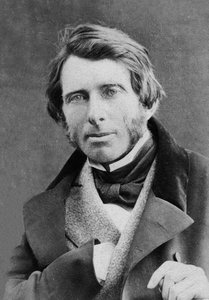
John Ruskin
1819 - 1900 , Regno Unito
Informazioni rapide
- Artisti Che Hanno Influenzato Questo Artista: ['J.M.W. Turner']
- Artisti O Movimenti Influenzati Da Questo Artista: ['Preraffaelliti']
- Data Di Nascita: 8 febbraio 1819
- Luogo Di Nascita: Londra, Regno Unito
- Movimento Artistico O Stile: Romanticismo, Preraffaelliti
- Nazionalità: Britannico
- Nome Completo: John Ruskin
- Opere Notevoli:
- Dawn, Coniston
- Fors Clavigera
Articoli correlati

The Pre-Raphaelite Brotherhood: Rediscovering Beauty, Romance, and Medieval Magic in Victorian Art
Embark on a journey through the Pre-Raphaelite Brotherhood. Discover the romantic symbolism, medieval magic, and radical beauty of Rossetti and Burne-Jones in this expert exploration of Victorian art history.