


 Anteprima in scala reale
 Condividi
 Condividi
 Dettagli
 Guida stampabile

 Scarica
 Articoli simili
 Radiografia
 Slideshow
 Statistiche
St. Sauveur
 Drawing
- WallArt
 1848
1848- 19th Century
 46.0 x 27.0 cm
A detailed black and white architectural study of the ornate St. Sauveur church by Victorian polymath John Ruskin captures intricate Gothic carvings and columns, offering a timeless glimpse into 1848 France for your collection.
 Leggi tutto
Scopri John Ruskin (1819-1900), poliedrico pensatore vittoriano! Esplora i suoi dipinti di paesaggio, analisi architettoniche e saggi influenti su natura, bellezza e società.
Giclée / Stampe d'arte
Stampa giclée o su tela di qualità museale, con produzione rapida e diverse opzioni di finitura. ( Ordina la riproduzione dipinta a mano Passa all'immagine digitale)




P118B €10

P118H €10

P118W €10

P438Z €10

P508JH €12

P508YH €12

P805H €10

P805Z €10

P919BZ €10

P919G €10

P919XJ €10

P959ZH €10

P968JZ €12

W106C €8

W218G €10

W218JH €8

W218Y €10

W307PJ €10

W316G €10

W316PJ €8

W316Y €10

W398PJ €8

W4111J €10

W500HY €15

W500JH €15

W692G €12

W849H €8

W940BG €15

W953PJ €8




Standard
personalizzato
CM
INCH
Scegli tra le nostre dimensioni predefinite, che rispettano le proporzioni originali dell'opera d'arte.
Loading sizes...

larghezza
altezza
È possibile inserire dimensioni personalizzate per adattare l'opera a una cornice o a uno spazio specifico. Se la dimensione selezionata non corrisponde alle proporzioni dell'immagine originale, procederemo al ritaglio dell'opera o all'estensione dell'immagine con un bordo specchiato o a tinta unita. Un mockup digitale ti verrà inviato per approvazione prima dell'inizio della produzione.
Si prega di notare che l'anteprima a schermo non riflette il ritaglio o l'estensione effettivi. Solo il mockup mostrerà accuratamente la composizione finale.
Sebbene siano disponibili dimensioni personalizzate, si raccomanda di selezionare una dimensione dall'elenco predefinito per preservare le proporzioni originali.
Consegna in tutto il mondo () in 2 settimane invece delle normali 4/5 settimane. (11 Ottobre)

Spedizione espressa gratuita in tutto il mondo

Tela in lino di alta qualità

Assicurazione completa sulla spedizione

Garanzia di rimborso dei dazi doganali

Garanzia di perfetta fedeltà cromatica

Politica di reso entro 100 giorni (solo per difetti di fabbricazione)

Garanzia di rimborso al 100%

Sconto per acquisti multipli
 L'opzione vetro è disponibile solo per dimensioni inferiori a 110 cm

St. Sauveur
Giclée / Stampe d'arte
Dimensioni della riproduzione
-


Prezzo totale
€ 59
A Moment Frozen in Graphite: The Vision of St. Sauveur
In the quiet, observant moments of 1848, amidst a journey through the heart of northern France, John Ruskin captured more than just architecture; he captured the very soul of Caen. As he sat by a window in an adjacent café, the world outside transformed into a delicate dance of light and shadow on paper. This exquisite black and white drawing of St. Sauveur serves as a profound testament to the artist's ability to translate the monumental weight of stone into the ethereal lightness of a sketch. The composition is a masterclass in architectural reverence, where every arch, column, and intricate carving is rendered with a precision that speaks to Ruskin’s legendary devotion to truth in art. There is a haunting beauty in how the structural elements emerge from the page, inviting the viewer to step into a bygone era of Victorian exploration and romantic discovery.
The technique employed in this study reveals the meticulous hand of a polymath who believed that seeing was an act of devotion. Through delicate linework and subtle tonal shifts, Ruskin breathes life into the facade of the church, creating a sense of depth that pulls the eye toward the ornate carvings and rhythmic columns. The presence of a solitary bird, perched subtly in the upper right corner, acts as a poetic counterpoint to the permanence of the stone, introducing a fleeting, organic element that softens the architectural rigor. This interplay between the enduring and the ephemeral is what makes the piece so captivating for the modern collector; it is not merely a technical study, but an emotional meditation on the passage of time and the preservation of beauty.
For the discerning interior designer or art enthusiast, a reproduction of St. Sauveur offers a sophisticated touch of historical elegance. The monochromatic palette allows this piece to integrate seamlessly into diverse decor styles, from the moody, academic atmosphere of a classic library to the clean, minimalist lines of a contemporary gallery space. It functions as a window into the nineteenth century, providing a focal point that sparks conversation and invites contemplation. Owning such a work is an opportunity to surround oneself with the intellectual legacy of one of Britain's greatest thinkers, bringing a sense of scholarly grace and timeless tranquility to any curated collection.
Domande e risposte
Quale formato di stampa di "St. Sauveur" di John Ruskin si adatta alla stanza consigliata?
In un Office, si consiglia di stampare "St. Sauveur" con una dimensione di Small.
Quanti anni aveva John Ruskin quando ha creato "St. Sauveur" nel 1848?
Quando "St. Sauveur" fu creata nel 1848, John Ruskin - nato nel 1819 - aveva 29 anni.
In che anno è stata realizzata "St. Sauveur"?
"St. Sauveur" risale al 1848. La data colloca l'opera all'interno della carriera di John Ruskin e della sua epoca.
A quale epoca risale "St. Sauveur"?
"St. Sauveur" appartiene all'epoca 19th Century.
È disponibile una presentazione a diapositiva per "St. Sauveur" di John Ruskin?
Puoi visualizzare "St. Sauveur" di John Ruskin in un formato slideshow nella pagina Slideshow dell'opera.
A quale artista è attribuito "St. Sauveur"?
L'artista che ha creato "St. Sauveur" è John Ruskin. L'opera è catalogata sotto il nome di John Ruskin.
Qual è la spiegazione relativa allo stato del copyright di "St. Sauveur" di John Ruskin?
"St. Sauveur" di John Ruskin è di di pubblico dominio - il suo copyright è scaduto. La durata del copyright decorre dalla morte dell'artista, avvenuta nel 1900.
Biografia dell'artista
La Vita e l'Educazione di John Ruskin
John Ruskin, un rinomato polimata inglese, nacque l’8 febbraio 1819 a Londra, nel Regno Unito. La sua infanzia fu plasmata dalle contrastanti influenze del padre, John James Ruskin, e della madre, Margaret Cock. Questa dualità si rifletté in seguito nei suoi diversi interessi e stili di scrittura. La prima educazione di Ruskin ebbe luogo a casa, sotto la guida dei genitori e di tutori privati. Successivamente frequentò King's College, Londra, dove si preparò all’Università di Oxford. Questo solido fondamento accademico pose le basi per i suoi futuri impegni.Impegno Artistico e Letterario
Gli stili di scrittura e le forme letterarie di John Ruskin erano vari come i suoi interessi. Scrisse saggi, trattati, poesie, conferenze, guide di viaggio e persino una fiaba. I suoi schizzi e dipinti dettagliati di rocce, piante, uccelli, paesaggi e strutture architettoniche dimostrarono la sua abilità artistica. La sua prima opera importante, *Modern Painters* (1843), difese il lavoro di J.M.W. Turner, sottolineando l'importanza della "verità nella natura". Questo segnò l’inizio del suo ampio riconoscimento e influenza sull’arte e la letteratura del XIX secolo. Ruskin fu un sostenitore appassionato dell'architettura gotica e criticò aspramente l'estetica neoclassica. La sua visione dell'arte era profondamente legata alla sua filosofia morale, credendo che l'arte dovesse riflettere la verità, la bellezza e la divinità.Opere Notabili e Eredità
* *Dawn, Coniston* (Abbot Hall Art Gallery, Kendal, Regno Unito) – un dipinto ad acquerello che mette in mostra l’abilità di Ruskin nel catturare la bellezza della natura. * *Fors Clavigera* (1871-1884) – una serie di lettere ai lavoratori e agli operai della Gran Bretagna, che evidenziavano le sue preoccupazioni sociali e politiche. * Ruskin fu un fervente sostenitore del movimento Arts and Crafts, promuovendo l'artigianato manuale e criticando la produzione industriale di massa. Credeva che il ritorno alle tecniche artigianali tradizionali avrebbe migliorato sia la qualità dell’arte che le condizioni dei lavoratori. L'eredità di Ruskin si estende oltre le sue creazioni artistiche. Fu un membro fondatore della Guild of St George, un'organizzazione che continua ad esistere oggi. Il suo pensiero influenzò profondamente il movimento Pre-Raffaellita e la critica d’arte del XIX secolo. La sua enfasi sulla verità nella natura, l'importanza dell'artigianato e la connessione tra arte e moralità hanno lasciato un segno indelebile nel mondo dell'arte e della cultura. Ruskin è considerato una figura chiave per comprendere il pensiero vittoriano e le sue complesse relazioni con l’arte, la società e la politica.Influenze e Sviluppo del Pensiero
Il pensiero di Ruskin fu influenzato da diverse fonti, tra cui i romantici come Wordsworth e Coleridge, ma anche dalla sua profonda ammirazione per il Medioevo e l'architettura gotica. Il suo interesse per la natura lo portò a studiare botanica, ornitologia e geologia, integrando queste conoscenze nelle sue opere artistiche e letterarie. Nel corso della sua vita, Ruskin sviluppò un pensiero sempre più radicale sulla giustizia sociale ed economica, criticando il capitalismo e sostenendo una riforma del sistema lavorativo. La sua visione si evolse da un'enfasi sull’estetica a una preoccupazione per le condizioni dei lavoratori e la necessità di una società più equa.Significato Storico
John Ruskin è riconosciuto come uno dei critici d'arte, teorici dell'arte e scrittori sociali più influenti del XIX secolo. La sua opera ha avuto un impatto significativo sull’estetica vittoriana, sulla critica architettonica e sul pensiero sociale. Il suo impegno per la verità, la bellezza e la giustizia continua a ispirare artisti, studiosi e attivisti oggi. Ruskin rimane una figura complessa e controversa, ma il suo contributo alla cultura occidentale è innegabile.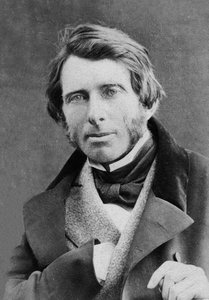
John Ruskin
1819 - 1900 , Regno Unito
Informazioni rapide
- Artisti Che Hanno Influenzato Questo Artista: ['J.M.W. Turner']
- Artisti O Movimenti Influenzati Da Questo Artista: ['Preraffaelliti']
- Data Di Nascita: 8 febbraio 1819
- Luogo Di Nascita: Londra, Regno Unito
- Movimento Artistico O Stile: Romanticismo, Preraffaelliti
- Nazionalità: Britannico
- Nome Completo: John Ruskin
- Opere Notevoli:
- Dawn, Coniston
- Fors Clavigera
Articoli correlati

Shadows & Splendor: A Journey Through the Soul of Gothic Art and Architectural Grandeur
Embark on a profound journey through the spiritual intensity of Gothic art. Explore the architectural marvels, luminous stained glass, and sacred sculptures that define this era of grandeur and human devotion.