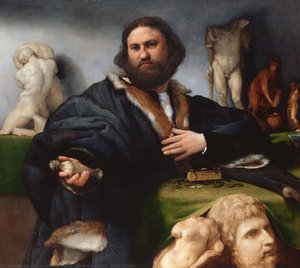
Anteprima in scala reale
 Condividi
 Condividi
 Dettagli
 Guida stampabile

 Scarica
 Articoli simili
 Radiografia
 Slideshow
 Statistiche
Nativity
 Oil On Panel
- WallArt
- Early Renaissance
 1523
1523- Renaissance
 46.0 x 36.0 cm
 National Gallery of Art
Lorenzo Lotto’s serene Nativity captures Venetian piety with luminous glazing and muted hues—a masterful blend of High Renaissance elegance and Mannerist subtlety. Explore this evocative depiction of Mary cradling Jesus amidst angels in Loreto Cathedral.
 Leggi tutto
Lorenzo Lotto (1480-1556): Maestro veneziano del Rinascimento! Scopri ritratti intensi, altari sacri e un'arte che fonde classicismo e drammaticità. Esplora il suo genio su TopImpressionists!
Giclée / Stampe d'arte
Stampa giclée o su tela di qualità museale, con produzione rapida e diverse opzioni di finitura. ( Ordina la riproduzione dipinta a mano Passa all'immagine digitale)




P118B €10

P118H €10

P118W €10

P438Z €10

P508JH €12

P508YH €12

P805H €10

P805Z €10

P919BZ €10

P919G €10

P919XJ €10

P959ZH €10

P968JZ €12

W106C €8

W218G €10

W218JH €8

W218Y €10

W307PJ €10

W316G €10

W316PJ €8

W316Y €10

W398PJ €8

W4111J €10

W500HY €15

W500JH €15

W692G €12

W849H €8

W940BG €15

W953PJ €8




Standard
personalizzato
CM
INCH
Scegli tra le nostre dimensioni predefinite, che rispettano le proporzioni originali dell'opera d'arte.
Loading sizes...

larghezza
altezza
Inserisci la larghezza e l'altezza desiderate, per adattarle alla tua cornice o alla tua parete. Una stampa può essere solo ritagliata, mai resa più grande dell'immagine originale; pertanto, un formato con una forma differente comporterà la perdita di una parte dell'opera. Ti invieremo un mockup digitale da approvare prima di procedere con la stampa. L'immagine mostrata in questa pagina non rappresenta il ritaglio reale — solo il mockup lo mostra.
Consegna in tutto il mondo () in 2 settimane invece delle normali 4/5 settimane. (22 Ottobre)

Spedizione espressa gratuita in tutto il mondo

Tela in lino di alta qualità

Assicurazione completa sulla spedizione

Garanzia di rimborso dei dazi doganali

Garanzia di perfetta fedeltà cromatica

Politica di reso entro 100 giorni (solo per difetti di fabbricazione)

Garanzia di rimborso al 100%

Sconto per acquisti multipli
 L'opzione vetro è disponibile solo per dimensioni inferiori a 110 cm

Nativity
Giclée / Stampe d'arte
Dimensioni della riproduzione
-


Prezzo totale
€ 61
A Venetian Reverie: The Intimacy of Lorenzo Lotto’s Nativity
In the quiet corners of art history, few works capture the profound stillness of devotion quite like Lorenzo Lotto’s Nativity. Executed in 1523, this masterpiece serves as a window into a moment of divine intersection, where the celestial meets the earthly with breathtaking tenderness. Unlike the grand, sweeping narratives often found in High Renaissance altarpieces, Lotto invites us into a much more personal sanctuary. The scene is not one of crowded spectacle, but of a hushed, sacred intimacy. As we gaze upon Mary cradling the infant Jesus, flanked by the humble presence of Joseph, we are drawn into a world where every shadow and every glint of light feels heavy with spiritual significance. It is a painting that does not merely depict a biblical event; it invites the viewer to participate in a silent prayer.
The technical mastery behind this work lies in Lotto’s ability to manipulate light to evoke emotion. Utilizing the traditional Venetian technique of layering thin, translucent glazes of pigment onto gesso panels, the artist achieved a luminous depth that seems to glow from within. His palette is remarkably restrained, favoring muted ochres, deep browns, and soft blues that create an atmosphere of twilight contemplation. This subtle use of color avoids the ostentatious opulence of his contemporary Titian, opting instead for an understated realism. The textures—from the soft skin of the Christ child to the ruggedness of the background structure—possess a tactile quality that makes the scene feel remarkably present, as if one could reach out and touch the very fabric of this holy night.
Symbolism and the Soul of the Renaissance
Beyond its visual beauty, the Nativity is rich with symbolic layers that reward the contemplative eye. The setting, an outdoor space near a humble hut, serves as a poignant reminder of the lowliness of Christ's birth, grounding the divine in the reality of human struggle. Small, meticulously rendered details—a donkey resting to the side, a solitary bird perched above, or the presence of books—act as anchors for the viewer’s wandering gaze, connecting the cosmic event to the natural world. The interplay of light and shadow, or chiaroscuro, does more than define form; it symbolizes the arrival of light into a dark world, mirroring the theological essence of the Nativity itself.
For the modern collector or interior designer, this painting offers much more than mere decoration. It provides a focal point of profound psychological depth and emotional resonance. The "nervous" and eccentric energy that characterizes Lotto’s unique style—a precursor to the Mannerist movement—gives the work a restless, living quality that prevents it from feeling static. Whether placed in a sunlit gallery or a moody, private study, a high-quality reproduction of this work brings an air of sophisticated serenity and historical weight to any space. It is an invitation to slow down, to breathe, and to find beauty in the quietest moments of existence.
Domande e risposte
Quale tonalità di fondo attraversa "Nativity" di Lorenzo Lotto?
"Nativity" tende verso una tonalità Amber to Saffron.
In che anno è stata realizzata "Nativity"?
La creazione di "Nativity" di Lorenzo Lotto risale al 1523.
A che età Lorenzo Lotto ha realizzato "Nativity"?
Lorenzo Lotto aveva 43 anni quando ha creato "Nativity" nel 1523. L'età è calcolata sulla base dell'anno di nascita dell'artista, 1480.
Biografia dell'artista
La Vita e la Formazione di Lorenzo Lotto
Lorenzo Lotto, pittore, disegnatore e illustratore italiano di spicco, nacque a Venezia intorno al 1480. La sua vita giovanile e la sua formazione non sono ben documentate, ma si ritiene che fosse influenzato da Giovanni Bellini, una figura di primo piano della scuola veneziana.Stile Artistico e Influenze
Il lavoro di Lotto è caratterizzato da un insolito connubio tra l'alto Rinascimento e il Manierismo. I suoi dipinti spesso presentano altari, soggetti religiosi e ritratti, mettendo in mostra la sua abilità tecnica e la profondità emotiva. L’influenza dell’amico di Giorgio Vasari, Palma il Vecchio, è visibile nei primi lavori di Lotto.Opere Principali e Luoghi
- Vergine con Bambino e San Girolamo (1506) (National Gallery of Scotland, Edimburgo)
- Allegoria della Virtù e del Vizio (1505) (National Gallery of Art, Washington)
- San Girolamo nel Deserto (1500 o 1506) (Louvre, Parigi)
Carriera ed Eredità
La carriera di Lotto si estese in diverse località, tra cui Treviso, Roma e Bergamo. Fu un pittore rispettato nell'Italia settentrionale, ma la sua opera fu ampiamente trascurata a Venezia. Lo stile unico di Lotto, che fonde il classicismo giorgionesco con le scenografie drammatiche di Correggio, è stato riscoperto negli ultimi anni. La sua capacità di infondere nei ritratti una profonda introspezione psicologica e la sua attenzione ai dettagli simbolici lo distinguono come un artista originale e affascinante. Lotto ha lasciato un'impronta significativa nel panorama artistico del Rinascimento italiano, influenzando generazioni successive di pittori con il suo approccio innovativo alla rappresentazione della figura umana e dei temi religiosi.Movimenti Artistici Chiave e Influenze
- Rinascimento Italiano
- Manierismo
- Alto Rinascimento

Lorenzo Lotto
1480 - 1556 , Italia
Informazioni rapide
- Artistic Movement Or Style: Rinascimento, Manierismo
- Artists Who Influenced This Artist:
- Giovanni Bellini
- Palma il Vecchio
- Date Of Birth: 1480
- Date Of Death: 1556
- Full Name: Lorenzo Lotto
- Nationality: Italiana
- Notable Artworks:
- Vergine e Bambino con S. Girolamo
- Allegoria di Virtù e Vizio
- S. Girolamo nel deserto
- Place Of Birth (City And Country): Venezia, Italia
Articoli correlati

The Soul of Impressionism: Why Oil on Canvas Captures Eternal Light and Timeless Emotion
Discover the enchanting alchemy of Impressionism. Explore how the mastery of oil on canvas, through glazing and impasto, captures eternal light and emotion. Perfect for lovers of Monet and Van Gogh seeking the profound depth of hand-painted fine art.
Esplora le opere d'arte organizzate per temi, stili e caratteristiche.