Anteprima in scala reale
 Invia
Invia Condividi
 Dettagli opera
 Guida
Guida

 Scarica
 Simili
 Radiografia
 Slideshow
 Domande e risposte
 Statistiche
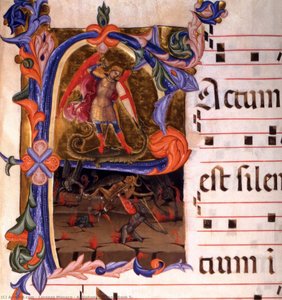
The Last Supper

- 47.0 x 142.0 cm


Witness the iconic 'Last Supper' by Leonardo da Vinci! This masterpiece captures Jesus’s final meal with his apostles, showcasing revolutionary art & emotion. Explore its history and significance.
 Espandi i dettagli
Scopri Lorenzo Monaco (1370-1425), pittore sienesse che fonde l'eleganza gotica con l'innovazione rinascimentale. Esplora manoscritti miniati e arte spirituale!
Giclée / Stampe d'arte
Stampa giclée o su tela di qualità museale, con produzione rapida e diverse opzioni di finitura. ( Acquista il dipinto realizzato a mano Passa all'immagine digitale)




P118B €10

P118H €10

P118W €10

P438Z €10

P508JH €12

P508YH €12

P805H €10

P805Z €10

P919BZ €10

P919G €10

P919XJ €10

P959ZH €10

P968JZ €12

W106C €8

W218G €10

W218JH €8

W218Y €10

W307PJ €10

W316G €10

W316PJ €8

W316Y €10

W398PJ €8

W4111J €10

W500HY €15

W500JH €15

W692G €12

W849H €8

W940BG €15

W953PJ €8




Formato standard
su misura
CM
INCH
Scegli tra le nostre dimensioni predefinite, che rispettano le proporzioni originali dell'opera d'arte.
Loading sizes...

larghezza
altezza
Inserisci la larghezza e l'altezza desiderate, per adattarle alla tua cornice o alla tua parete. Una stampa può essere solo ritagliata, mai resa più grande dell'immagine originale; pertanto, un formato con una forma differente comporterà la perdita di una parte dell'opera. Ti invieremo un mockup digitale da approvare prima di procedere con la stampa. L'immagine mostrata in questa pagina non rappresenta il ritaglio reale — solo il mockup lo mostra.
Consegna in tutto il mondo () in 2 settimane invece delle normali 4/5 settimane. (4 Novembre)

Spedizione espressa gratuita in tutto il mondo

Tela in lino di alta qualità

Assicurazione completa sulla spedizione

Garanzia di rimborso dei dazi doganali

Garanzia di fedeltà cromatica assoluta

Politica di reso entro 100 giorni (solo per difetti di fabbricazione)

Garanzia di rimborso al 100%

Offerta per acquisti multipli
 L'opzione vetro è disponibile solo per dimensioni inferiori a 110 cm

The Last Supper
Giclée / Stampe d'arte
Dimensioni riproduzione
-


Prezzo finale calcolato
€ 62
A Moment Frozen in Time: The Story of the Last Supper
Leonardo da Vinci’s The Last Supper, housed within the refectory of Santa Maria delle Grazie in Milan, isn't merely a painting; it’s an immersive experience. Completed between 1495 and 1498, this monumental mural captures a pivotal moment from Christian scripture – the announcement by Jesus of his impending betrayal by one of his apostles. More than just a depiction of an event, it’s a profound exploration of human emotion, faith, and the complexities of relationships. Leonardo masterfully distilled the narrative into a single, dramatic tableau, freezing a conversation in perpetual motion. The scene unfolds with an almost palpable tension, radiating from Jesus's face as he reveals the devastating truth to his disciples. The composition is carefully constructed; each apostle reacts uniquely – shock, denial, anger, confusion – creating a dynamic and deeply affecting visual dialogue.

Technique and Innovation: A Revolutionary Approach
Leonardo’s choice of medium – tempera on gesso, pitch, and mastic – was a radical departure from the traditional fresco method employed for such large-scale works. Fresco relies on pigments mixed with water applied to wet plaster; this technique is notoriously difficult to alter once dry. Leonardo's approach allowed him unprecedented flexibility, enabling him to rework details and experiment with shading and color until he achieved his desired effect. This innovative technique, however, proved tragically unstable over time, contributing significantly to the painting’s deterioration. The layering of materials and the inherent fragility of tempera on gesso have resulted in extensive fading, cracking, and flaking, demanding constant conservation efforts. Despite these challenges, Leonardo's mastery of *sfumato* – a subtle blurring technique that creates soft transitions between light and shadow – remains breathtakingly evident, lending an ethereal quality to the figures and imbuing them with a remarkable sense of realism.
Symbolism and Spiritual Depth
Beyond its dramatic depiction of betrayal, The Last Supper is rich in symbolic meaning. Judas Iscariot, traditionally depicted as sitting alone at the table, is positioned furthest from Jesus, emphasizing his isolation and treachery. The arrangement of the apostles reflects their individual personalities and relationships within the group. Leonardo’s use of color also carries significant weight; the vibrant reds and blues contrast sharply with the muted browns and grays, drawing attention to key figures and emotions. The inclusion of details like the table, benches, and even the architectural elements of the room contribute to a sense of realism and immediacy, grounding the spiritual narrative in a tangible setting. The painting’s overall effect is one of profound introspection, inviting viewers to contemplate themes of faith, betrayal, forgiveness, and the nature of humanity.
A Legacy Enduring Through Time
The Last Supper stands as a testament to Leonardo da Vinci's genius – a masterpiece that continues to captivate audiences centuries after its creation. Its revolutionary techniques, profound symbolism, and emotional resonance have cemented its place among the most iconic works of art in Western history. Reproductions, while never fully capturing the original’s luminosity and depth, offer a valuable opportunity to experience this extraordinary painting firsthand. Whether admired for its technical brilliance or its enduring spiritual message, The Last Supper remains a powerful reminder of the complexities of human nature and the transformative power of art.
Domande e risposte
Con quali pseudonimi o nomi alternativi è conosciuto Lorenzo Monaco?
Lorenzo Monaco è noto anche con i nomi Piero di Giovanni.
Che atmosfera saprebbe donare The Last Supper a un ambiente?
"The Last Supper" di Lorenzo Monaco emana un'atmosfera Drammatico ed è ideale per un Sala da pranzo. Il mood rappresenta l'emozione che l'opera dona allo spazio circostante.
Che dimensione dovrei scegliere per la stampa di "The Last Supper" in base alla mia stanza?
Per un Sala da pranzo, la dimensione di stampa consigliata per "The Last Supper" di Lorenzo Monaco è Grande formato.
Biografia dell'artista
Primi Anni e Formazione
- Nato: Siena, Italia (c. 1370)
- Morto: c. 1425
- Poco si sa della sua vita giovanile se non che fu apprendista a Firenze.
- Fu influenzato dalle opere di Giotto e dei suoi seguaci, Spinello Aretino e Agnolo Gaddi. Questa esposizione plasmò il suo sviluppo artistico.
Carriera Artistica e Stile
- Nel 1390, Lorenzo entrò nel monastero camaldolese di Santa Maria degli Angeli, diventando noto come "Lawrence il Monaco".
- Le sue prime opere (anni '90 del XIV secolo) mostrano una forte influenza dello stile gotico internazionale, insieme a influenze da Lorenzo Ghiberti e Gherardo Starnina.
- Lo stile di Monaco è caratterizzato da:
- Linearismo teso
- Una gamma cromatica fredda inizialmente
- Successivamente, un'adozione di elementi gotici internazionali
- Figure allungate con drappeggi sinuosi
- Spigoli vivi e colori brillanti (oro e lapislazzuli)
- Gesti accennati e un senso dello spazio minimizzato
- Ha costantemente raffigurato immagini con forte valore spirituale, spesso distaccate dal realismo.
Opere Principali
- Pietà: Ospitata nella Galleria dell'Accademia di Firenze – Dimostra linea nervosa e tensione emotiva.
- Coronazione della Vergine: Ora agli Uffizi – Presenta un gran numero di santi con forme sinuose e colori brillanti.
- Polittico di Monteoliveto: Nella Galleria dell'Accademia – Espone una spiritualità che preannuncia Fra Angelico.
- Adorazione dei Magi (1420-1422): Gli scorci prospettici appaiono surreali a causa dell'assenza di prospettiva geometrica, ma mantiene un'elevata qualità pittorica.
- Storie della Vergine nella Cappella Bartolini Salimbeni: Uno dei suoi pochi affreschi.
Influenze e Eredità
- L'opera di Monaco fu influenzata da Giotto, Spinello Aretino, Agnolo Gaddi, Lorenzo Ghiberti e Gherardo Starnina.
- Rimase in gran parte indifferente alle innovazioni di Masaccio e Filippo Brunelleschi, mantenendo il suo stile distintivo.
- Giorgio Vasari incluse una biografia di Monaco nei suoi "Vite", notando la sua morte per un'infezione non identificata.
- Nonostante le limitate informazioni biografiche, i contributi di Lorenzo Monaco alla pittura tardo gotica-prerenaissance sono significativi. La sua miscela unica di stili e il suo focus spirituale hanno lasciato un impatto duraturo sugli artisti successivi.
Significato Storico
- Considerato l'ultimo importante esponente dello stile di Giotto prima della rivoluzione rinascimentale.
- Ha colmato il divario tra le tradizioni tardo gotiche e i principi artistici emergenti del Rinascimento.
- La sua enfasi sulla spiritualità e sulle forme stilizzate rappresenta un'estetica distinta nella pittura fiorentina.

Lorenzo Monaco
1370 - 1425 , Italia
Dettagli rapidi
- Artistic Movement Or Style: Gotico tardo-Rinascimento
- Artists Or Movements Influenced By This Artist:
- Masaccio
- Brunelleschi
- Artists Who Influenced This Artist:
- Giotto
- Spinello Aretino
- Agnolo Gaddi
- Date Of Birth: c. 1370
- Date Of Death: c. 1425
- Full Name: Lorenzo Monaco
- Nationality: Italiana
- Notable Artworks:
- Pietà
- Coronatione della Vergine
- Adorazione dei Magi
- Place Of Birth: Siena, Italia
Articoli correlati

I 25 Capolavori di Leonardo da Vinci: Il Genio del Rinascimento
Scopri i 25 capolavori di Leonardo da Vinci e il segreto del Rinascimento. Esplora la collezione su TopImpressionists.com.

Leonardo da Vinci: Sintesi di Arte, Scienza e Osservazione Umana nel Rinascimento – Una Rilettura per il Collezionista
Esplora la sintesi di arte e scienza in Leonardo da Vinci. Analisi approfondite delle sue opere iconiche, tecniche innovative come lo sfumato e consigli per collezionisti esperti. Scopri il valore e l'autenticità delle creazioni del Rinascimento.

I 10 Capolavori Rinascimentali che Celebrano l'Umanità: Arte e Decorazioni di Lusso
Esplora i 10 capolavori del Rinascimento che celebrano l'Umanesimo! Scopri Leonardo, Michelangelo e Raffaello. Arte italiana, storia e bellezza classica per la tua casa. Acquista riproduzioni di alta qualità su TopImpressionists.com.

I 25 capolavori imperdibili della Galleria degli Uffizi a Firenze
Scopri i 25 capolavori degli Uffizi, da Botticelli a Da Vinci. Esplora la collezione su TopImpressionists.com.

I 25 Capolavori da non Perdere al Museo del Louvre di Parigi
Scopri i 25 capolavori del Louvre tra Leonardo e Delacroix. Esplora la collezione su TopImpressionists.com.
Esplora le opere d'arte organizzate per temi, stili e caratteristiche.