


 Anteprima in scala reale
 Condividi
 Condividi
 Dettagli
 Guida stampabile

 Scarica
 Articoli simili
 Radiografia
 Slideshow
 Statistiche
Concetto Spaziale
 Acrilico su tela
- Arte da parete
- Spatial Minimalism
 1957
1957 100.0 x 125.0 cm
 Casa Museo Boschi Di Stefano
Scopri 'Concetto Spaziale' di Lucio Fontana: un'immagine sorprendente che cattura l'essenza della sua arte spazialista con sfondo nero e punti bianchi, simbolo dell'innovazione artistica del XX secolo.
 Leggi tutto
Esplora il lavoro rivoluzionario di Lucio Fontana (1899-1968), fondatore dello Spazialismo! Scopri le sue iconiche tele tagliate, dipinti astrattisti e paesaggi vibranti – una figura chiave dell'arte del XX secolo.
Giclée / Stampe d'arte
Stampa giclée o su tela di qualità museale, con produzione rapida e diverse opzioni di finitura. ( Ordina la riproduzione dipinta a mano Passa all'immagine digitale)




P118B $10

P118H $10

P118W $10

P438Z $10

P508JH $12

P508YH $12

P805H $10

P805Z $10

P919BZ $10

P919G $10

P919XJ $10

P959ZH $10

P968JZ $12

W106C $8

W218G $10

W218JH $8

W218Y $10

W307PJ $10

W316G $10

W316PJ $8

W316Y $10

W398PJ $8

W4111J $10

W500HY $15

W500JH $15

W692G $12

W849H $8

W940BG $15

W953PJ $8




Standard
personalizzato
CM
INCH
Scegli tra le nostre dimensioni predefinite, che rispettano le proporzioni originali dell'opera d'arte.
Loading sizes...

larghezza
altezza
È possibile inserire dimensioni personalizzate per adattare l'opera a una cornice o a uno spazio specifico. Se la dimensione selezionata non corrisponde alle proporzioni dell'immagine originale, procederemo al ritaglio dell'opera o all'estensione dell'immagine con un bordo specchiato o a tinta unita. Un mockup digitale ti verrà inviato per approvazione prima dell'inizio della produzione.
Si prega di notare che l'anteprima a schermo non riflette il ritaglio o l'estensione effettivi. Solo il mockup mostrerà accuratamente la composizione finale.
Sebbene siano disponibili dimensioni personalizzate, si raccomanda di selezionare una dimensione dall'elenco predefinito per preservare le proporzioni originali.
Consegna in tutto il mondo () in 2 settimane invece delle normali 4/5 settimane. (25 Settembre)

Spedizione espressa gratuita in tutto il mondo

Tela in lino di alta qualità

Assicurazione completa sulla spedizione

Garanzia di rimborso dei dazi doganali

Garanzia di perfetta fedeltà cromatica

Politica di reso entro 100 giorni (solo per difetti di fabbricazione)

Garanzia di rimborso al 100%

Sconto per acquisti multipli
 L'opzione vetro è disponibile solo per dimensioni inferiori a 110 cm

Concetto Spaziale
Giclée / Stampe d'arte
Dimensioni della riproduzione
-


Prezzo totale
$ 69
Spatial Concept – Lucio Fontana
Lucio Fontana’s ‘Spatial Concept,’ presented in a striking black and white photograph, transcends mere representation; it embodies the very essence of Spatialism, a movement that irrevocably altered the trajectory of 20th-century art. Captured by Silvio Wolf Busch, this image doesn't simply depict a canvas – it encapsulates an ambitious exploration into the fundamental nature of space itself. The artwork consists of a dark surface adorned with meticulously positioned white dots, immediately suggesting a profound connection to the funerary tradition of coffins and burial boxes. This deliberate reference speaks volumes about Fontana’s preoccupation with mortality and transformation—themes central to his artistic vision.- Subject Matter: The photograph focuses on Fontana's iconic slashed canvases – specifically, one featuring rocks, blue fragments, and a minimalist composition that prioritizes geometric precision.
- Style: Spatialism, championed by Fontana alongside Agostino Bonalumi, sought to liberate painting from traditional boundaries, rejecting illusionistic perspective in favor of confronting the viewer with an expanded conceptual space.
- Technique: The photograph itself is a testament to Busch’s masterful execution, capturing the subtle nuances of light and texture on the canvas surface. It's a deliberate choice to emphasize Fontana’s groundbreaking method – perforations or incisions into painted surfaces—a technique that challenged conventional notions of artistic materiality.
- Recommended for: Interior Designers seeking impactful textural contrasts
- Ideal for: Art Collectors interested in pioneering Spatialist explorations
- Perfect for: Anyone desiring a piece of art history that speaks to profound philosophical ideas
Biografia dell'artista
primi anni di vita e formazione
Lucio Fontana, un rinomato artista argentino, è nato nel 1899 a Buenos Aires, Argentina. I suoi primi anni sono stati segnati da una profonda passione per l'arte, che lo ha portato a intraprendere una carriera nella pittura. La formazione artistica di Fontana è iniziata alla Escuela de Bellas Artes di Buenos Aires, dove ha affinato le sue abilità nella pittura ad olio e nel disegno.stile artistico e influenze
L'opera di Fontana è caratterizzata da **pennellate audaci**, **colori vibranti** e un'affascinante fusione di influenze europee e argentine. Il suo stile artistico, spesso descritto come una fusione tra impressionismo ed espressionismo, riflette la diversità culturale dell'Argentina.- L'uso della luce e del colore di Fontana è stato influenzato dalle opere di Jan Grzegorz Stanisławski, un artista polacco noto per la sua serie di muretti.
- Il suo stile audace ed espressivo ricorda quello di Vincent van Gogh, come le sue opere post-impressioniste, come rami in fiore.
opere notevoli ed esposizioni
Alcune delle opere più importanti di Fontana includono:- Il paesaggio argentino, una serie di dipinti a olio che mostrano la geografia diversificata del paese.
- Ritratti di Buenos Aires, una collezione di ritratti che presentano gli abitanti della città, ora esposta al Museo di Arte Moderno di Buenos Aires.
- L'influenza di Pieter Bruegel il Vecchio è visibile in Il Paese del Cocaigne di Fontana, un'opera satirica che riflette il vuoto spirituale della golosità e della pigrizia.
eredità e collezioni museali
L'opera di Lucio Fontana fa ora parte di varie collezioni museali, tra cui:- Il Metropolitan Museum of Art, che conserva diversi dei suoi dipinti a olio.
- La Ballarat Fine Art Gallery in Australia, che presenta le opere di Fontana accanto a quelle di altri artisti importanti.

Lucio Fontana
1899 - 1968 , Argentina
Informazioni rapide
- Artisti Influenti:
- Jan Grzegorz Stanisławski
- Vincent van Gogh
- Pieter Bruegel il Vecchio
- Data Di Morte: 7 settembre 1968
- Data Di Nascita: 19 febbraio 1899
- Luogo Di Nascita: Rosario, Argentina
- Movimenti Influenzati:
- Zero
- Nouveau Réalisme
- Minimalismo
- Movimento Artistico: Spazialismo
- Nazionalità: Argentino-Italiano
- Nome Completo: Lucio Fontana
- Opere Notevoli:
- Concetto spaziale, Attese
- Paesaggio argentino
- Ritratti di Buenos Aires
- The Land of Cockaigne
Articoli correlati

Monochrome Visions: Exploring the Aesthetic & Historical Significance of Black & White Photography
Explore the rich history & artistic power of black and white photography. From early techniques to iconic masters like Ansel Adams, discover why monochrome continues to captivate art lovers today. Expert insights for collectors.
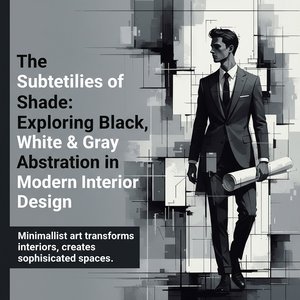
L'Eleganza Essenziale: L'Uso dell'Astrazione Monocromatica per Esaltare Luce, Texture e Architettura Moderna nell'Interior Design
Scopri come l'astrazione monocromatica trasforma gli interni con eleganza e funzionalità. Guide esperte su luce, materiali e colori neutri per spazi armoniosi e di design. Consulenza gratuita!

Shadow & Soul: Why Black & White Photography Remains the Ultimate Power Move in Modern Art
Discover why black & white photography remains a powerful force in contemporary art. Explore the impact of light, shadow, and texture through a visual journey of monochrome mastery and learn how to elevate your space with timeless grayscale aesthetics.

Bianco Sublime: I 10 Dipinti Più Famosi Dominati dal Colore Bianco | .it
Esplora i 10 dipinti più celebri dominati dal bianco, da Monet a Malevich. Scopri la storia, le tecniche e l'impatto di queste opere iconiche. Trova stampe su tela e riproduzioni d'arte di alta qualità per decorare casa con stile su .

I 10 Dipinti Più Famosi Dominati dal Nero: Maestri e Storie d'Arte
Esplora i 10 dipinti più iconici dominati dal nero, da Caravaggio a Munch. Scopri storie, tecniche e il potere espressivo di artisti come Rembrandt e Goya. Trova stampe d'arte di alta qualità per la tua casa su .
Esplora le opere d'arte organizzate per temi, stili e caratteristiche.


