

Shown: · With its frame:
 Anteprima in scala reale
 Invia
Invia Condividi
 Dettagli opera
 Guida
Guida

 Scarica
 Simili
 Radiografia
 Slideshow
 Q&A
Q&A Statistiche
- 237.0 x 189.0 cm


€ 239
Riproduzione a olio fatta a mano
Olio su tela dipinto a mano nelle tue dimensioni e con la tua cornice, realizzato su ordinazione dai nostri artisti. ( Passa alle stampe Passa all'immagine digitale)
Size
·Formato standard
su misura
CM
INCH
Scegli tra le nostre dimensioni predefinite, che rispettano le proporzioni originali dell'opera d'arte.
Loading sizes...

larghezza
altezza
Inserisci la larghezza e l'altezza desiderate, per adattarle alla tua cornice o alla tua parete. Trattandosi di un'opera dipinta a mano, in caso di dimensioni con un formato differente, l'artista può estendere leggermente il dipinto oltre i bordi dell'immagine o ritagliare una piccola parte — la scelta spetta a te. Ti invieremo un mockup digitale da approvare prima che la realizzazione abbia inizio. L'immagine mostrata in questa pagina non rappresenta il risultato finale — solo il mockup lo fa.
 Scopri di più
Finish
·
White €1

Blurside €1

Extended €1

P118B €10

P118H €10

P118W €10

P438Z €10

P508JH €12

P508YH €12

P805H €10

P805Z €10

P919BZ €10

P919G €10

P919XJ €10

P959ZH €10

P968JZ €12

W106C €8

W218G €10

W218JH €8

W218Y €10

W307PJ €10

W316G €10

W316PJ €8

W316Y €10

W398PJ €8

W4111J €10

W500HY €15

W500JH €15

W692G €12

W849H €8

W940BG €15

W953PJ €8

H24-GOLD €30

H24-SILVER €30

H36-GOLD €45

H36-SILVER €45
Shipped in a protective tube, ready for your own framer.
Above 105 cm the frame is shipped as a kit for a professional framer — read the details.
Extras
optionalWhat do the extras include?
Examples of what can be changed: Replace face with customer photo; Add pet (e.g., replace cat with dog); Include hidden message in background; Change background landscape or elements.
After order, TopImpressionists.com team will email client for instructions and provide a mockup preview
After order, TopImpressionists.com team will email client for instructions and provide a mockup preview
Consegna in tutto il mondo () in 3/4 settimane anziché nelle normali 5 settimane. (1 Novembre). Nessun compromesso sulla qualità.
Vernice protettiva
Didascalia
Dettagli della targhetta in bronzo inciso
This elegant plaque features the artist's name and the title of the artwork, finely engraved for a timeless presentation.
It is made from bronze with a refined, elegant finish. The text is precisely laser-engraved for a sharp and permanent result. Measuring 9x2 cm, the plaque is compact yet easy to read. It's built to be durable and scratch-resistant, offering a professional, museum-quality look. Mounting is simple thanks to the included adhesive backing.
Dettagli della targhetta in acrilico trasparente
The plaque includes essential engraved details such as the artist's name, the title of the artwork, the date it was created, the type of media used-like oil on canvas or watercolor-a brief description of the piece, and a QR code that links to the complete artwork information.
It is crafted from clear acrylic, offering a sleek, modern appearance. The text is UV-engraved in black to ensure strong visual contrast. With a size of 10x15 cm, it ensures optimal readability. It comes equipped with two metal hooks for secure wall mounting. The plaque is designed to be weather-resistant, making it suitable for various environments, and it includes interactive features that work seamlessly with smartphone scanning.
Dettagli della targhetta in acrilico nero
This elegant plaque includes engraved information such as the artist's name, the title of the artwork, the date it was created, the type of media used (like oil on canvas or watercolor), a short description of the artwork, and a QR code for quick access to more information.
The plaque itself is made from refined black acrylic with a premium finish. The text is laser-engraved in white for high contrast and readability. Its size is 10x15 cm, designed to be easy to read. It comes with two metal hooks for professional mounting. The design is sleek and fits any interior style. It is also weather-resistant and durable, with built-in digital integration for mobile compatibility.
L'opzione vetro è disponibile solo per dimensioni inferiori a 110 cm
 L'opzione vetro è disponibile solo per dimensioni inferiori a 110 cm
- Spedizione espressa gratuita in tutto il mondo
- Tela in lino di alta qualità
- Assicurazione completa sulla spedizione
- Garanzia di rimborso dei dazi doganali
- Garanzia di fedeltà cromatica assoluta
- Politica di reso entro 100 giorni (solo per difetti di fabbricazione)
- Garanzia di rimborso al 100%
- Offerta per acquisti multipli


Descrizione del reperto
Explore Matthias Grünewald’s ‘Forearm Study’ (1512): A stunning black & white pencil drawing showcasing incredible anatomical detail & Renaissance realism. Discover this unique artwork's texture, depth, and historical significance.
Biografia dell'artista
Esplora l'arte drammatica del Rinascimento tedesco di Matthias Grünewald! Conosciuto per il Retablo di Isenheim e i dipinti religiosi carichi di emozione. Scopri il suo stile unico su TopImpressionists.
About the painting
Forearm Study: A Renaissance Anatomical Masterpiece
Matthias Grünewald’s “Forearm Study,” created in 1512, is more than just a meticulously rendered drawing; it's a profound meditation on the human form and a testament to the artist’s dedication to anatomical precision. This remarkable piece, currently housed at the Staatliche Kunsthalle Karlsruhe, offers a rare glimpse into the mind of a pivotal figure bridging the late medieval and early Renaissance artistic traditions. It’s a study in quiet intensity, capturing not just muscle and bone, but also an underlying sense of observation and reverence for the intricacies of human anatomy – a fascination that would profoundly influence his later work, most notably on the Isenheim Altarpiece.
Born around 1470-1475 in Würzburg, Grünewald’s artistic journey was shaped by the prevailing Northern European aesthetic. He inherited a tradition of realism and emotional depth from artists like Albrecht Dürer and Martin Schongauer, yet he forged his own distinctive path, prioritizing direct observation and scientific accuracy. Unlike the humanist circles flourishing in Italy, Grünewald's art remained firmly rooted in religious devotion, serving as a powerful visual language for conveying spiritual truths. The drawing itself is a study – a preliminary sketch intended to inform a larger work, likely part of the Isenheim Altarpiece, where the figure of Saint Sebastian would be depicted with similar anatomical detail.
The Language of Line and Shadow
What immediately strikes the viewer is Grünewald’s masterful command of line. The drawing is executed entirely in black chalk on brown-yellowish paper, utilizing an extensive vocabulary of hatching, cross-hatching, and stippling to build up tonal values with astonishing subtlety. These techniques aren't merely decorative; they are integral to creating the illusion of volume and texture. The artist meticulously layered these lines, mimicking the feel of skin and muscle – you can almost sense the tautness of tendons beneath the surface. The composition is predominantly vertical, focusing intensely on the subject’s limb, drawing the eye into a detailed exploration of form.
Lighting plays a crucial role in defining the three-dimensional structure. Subtle shadows are carefully rendered to suggest depth and recession, while highlights accentuate the contours of muscle fibers. The perspective is implied rather than explicitly defined; Grünewald prioritized anatomical accuracy over spatial realism, creating a close-up study that invites intimate examination. This deliberate choice underscores his commitment to scientific observation – he was less interested in depicting a scene realistically and more focused on accurately representing the underlying structure of the human body.
Symbolism and Spiritual Resonance
While seemingly devoid of overt symbolism, “Forearm Study” carries a quiet spiritual resonance. The intense focus on anatomical detail can be interpreted as an act of reverence – Grünewald was clearly captivated by the beauty and complexity of the human form. The drawing’s meticulousness suggests a deep respect for God's creation, reflecting a core tenet of Renaissance religious art. It’s a reminder that even in seemingly technical studies, there exists a profound appreciation for the divine order inherent within nature.
Furthermore, considering its potential connection to the Isenheim Altarpiece, this study hints at a broader narrative – the suffering and sacrifice of Saint Sebastian, a martyr revered for his endurance. The anatomical precision with which Grünewald renders the muscle structure serves not only as a demonstration of artistic skill but also as a visual representation of the saint’s physical ordeal.
A Reproduction Worth Admiring
TopImpressionists offers meticulously hand-painted reproductions of “Forearm Study,” capturing the essence of Grünewald's artistry with unparalleled fidelity. Each reproduction faithfully recreates the drawing’s rich texture, subtle tonal variations, and dynamic interplay of light and shadow. Whether you are an art enthusiast, a collector seeking to expand your collection, or simply someone drawn to the beauty of Renaissance anatomical studies, a TopImpressionists reproduction provides a stunning window into this remarkable work – a timeless testament to Grünewald’s skill and his profound understanding of the human form.
Domande e risposte
In che anno è stata realizzata l'opera "Forearm Study" di Matthias Grünewald?
"Forearm Study" di Matthias Grünewald è stata creata nel 1512.
Dove posso acquistare una riproduzione dipinta a mano di "Forearm Study" di Matthias Grünewald?
Puoi ordinare una riproduzione dipinta a mano di "Forearm Study" di Matthias Grünewald direttamente nella sua pagina Riproduzione dipinta a mano: una riproduzione a olio dipinta a mano su tela di lino, realizzata su ordinazione.
Quali sono la tecnica e lo stile di "Forearm Study"?
"Forearm Study" di Matthias Grünewald unisce la tecnica Graphite allo stile Renaissance. La tecnica e il movimento definiscono la realizzazione e l'estetica dell'opera.
Quick facts and art quiz
About Matthias Grünewald

Matthias Grünewald
1480 - 1528, Germania
Biografia dell'artista
Matthias Grünewald: Vita e Eredità
Primi Anni di Vita e Inizi Artistici
Matthias Grünewald, nato Mathis Gothart Neithardt intorno al 1470-1475 a Würzburg, in Germania, è stato una figura chiave del Rinascimento tedesco. Nonostante visse in un periodo sempre più influenzato dalle idee del Rinascimento italiano, Grünewald rimase profondamente radicato nelle tradizioni artistiche del tardo Medioevo centrale europeo. Dettagli sulla sua giovinezza sono scarsi, ma si sa che ricevette una formazione come artista, probabilmente all'interno di botteghe locali.
Sviluppo Artistico e Influenze
Lo sviluppo artistico di Grünewald fu plasmato dalle tradizioni artistiche del Nord Europa, caratterizzate da realismo, intensità emotiva e osservazione dettagliata. Il suo lavoro mostra influenze da artisti come Albrecht Dürer e Martin Schongauer, ma ha tracciato un percorso unico caratterizzato da espressione drammatica e colori vivaci. Non fu direttamente coinvolto con i circoli umanisti prevalenti in Italia; invece, la sua arte servì principalmente a scopi religiosi, riflettendo le ansie spirituali del suo tempo.
Opere Principali e Stile Artistico
- L'Altare di Isenheim (1512-1516): Questo capolavoro, ospitato al Musée d'Unterlinden a Colmar, è considerato l'opera magna di Grünewald. Rappresenta scene della vita di Cristo con un realismo straziante, concentrandosi in particolare sulla sofferenza e la redenzione.
- La Crocifissione (circa 1502-1503): Un’opera giovanile che dimostra il suo stile in evoluzione, mostrando intensa emozione e dettaglio anatomico.
- Vergine dell'Annunciazione (1512-14): Uno studio per l'Altare di Isenheim, che rivela il suo meticoloso processo di pianificazione.
- Mosè (1511): Un disegno che evidenzia la sua abilità nel catturare figure espressive e pose drammatiche.
Lo stile di Grünewald è caratterizzato da:
- Composizione Drammatica: Ha impiegato arrangiamenti dinamici per aumentare l'impatto emotivo.
- Palette di Colori Vivaci: Il suo uso di colori intensi, spesso contrastanti, ha creato un’esperienza visiva potente.
- Rappresentazione Realistica della Sofferenza: Grünewald non si è sottratto alla rappresentazione del dolore fisico ed emotivo associato ai racconti religiosi.
- Figure Espressive: Le sue figure sono infuse di forti emozioni e profondità psicologica.
Significato Storico e Eredità
L'opera di Grünewald è una testimonianza del potere duraturo delle tradizioni artistiche medievali in Germania durante il Rinascimento. Ha colmato il divario tra lo stile gotico tardo e l’emergente Rinascimento, creando un linguaggio visivo unico che ha risuonato con i suoi contemporanei. La sua influenza può essere vista negli artisti tedeschi successivi che hanno continuato a esplorare temi di fervore religioso e intensità emotiva. Pur essendo stato in gran parte dimenticato per secoli dopo la sua morte nel 1528, Grünewald ha sperimentato un revival nel XIX secolo e oggi è riconosciuto come uno dei più importanti pittori del Rinascimento tedesco. La sua arte continua a catturare gli spettatori con la sua emozione grezza, brillantezza tecnica e profonda profondità spirituale.
Ulteriori Esplorazioni
Scopri di più sulla vita e le opere di Matthias Grünewald all'indirizzo: TopImpressionists
Quick facts about Matthias Grünewald
- Artistic Movement Or Style: Rinascimento tedesco
- Artists Or Movements Influenced By This Artist: ['Rinascimento italiano']
- Artists Who Influenced This Artist:
- Albrecht Dürer
- Martin Schongauer
- Date Of Birth: c. 1470/1480
- Date Of Death: 1528
- Full Name: Matthias Grünewald
- Nationality: Germano
- Notable Artworks:
- Altare di Isenheim
- Crocifissione
- Vergine dell'Annunciazione
- Place Of Birth: Würzburg, Germania
Esplora le opere d'arte organizzate per temi, stili e caratteristiche.


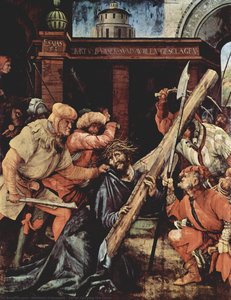

Matthias Grünewald
Forearm Study
() ·
With its frame: · Hand-painted in oil on linen
Total