

Rappresentato: · Comprese le dimensioni della cornice:
 Anteprima in scala reale

 Invia
 Condividi
 Dettagli opera
 Scheda didattica


 Scarica
 Simili
 Radiografia
 Slideshow
 Domande e risposte

 Statistiche
Found (Max Klinger)


Tele e stampe d'arte da €45 per 36 x 28 cm
Riproduzione a olio dipinta a mano a partire da €224
- Spedizione gratuita in tutto il mondo in 3-4 settimane
- Stampe arrotolate con consegna in 3-4 settimane
- Resi entro 100 giorni e rimborso garantito
- Valutato 4.9/5 da 241 clienti su ArtShopReviews.com
€ 70
Giclée / Stampe d'arte
Stampa giclée o su tela di qualità museale, con produzione rapida e diverse opzioni di finitura. ( Acquista l'olio Acquista copia digitale
)
Tecnica e supporto
 Scopri di più
La nostra opzione economica: la stessa immagine stampata su una tela in poliestere da 260 g/m² invece che su cotone, consegnata arrotolata in un tubo tramite posta ordinaria in 3-4 settimane. Solo in formato arrotolato (senza telaio, senza cornice) e senza produzione urgente, per dimensioni con almeno un lato di 80 cm o inferiore. Circa il 30% più economica rispetto alla stampa su tela di cotone.
Non disponibile per questa dimensione: almeno un lato deve essere di 80 cm o inferiore.
Solo in formato arrotolato: seleziona la stampa su tela in tubo per scegliere questa opzione.
Disponibile per dimensioni con entrambi i lati di 110 cm o inferiori. Per dimensioni superiori, la stampa viene realizzata su tela di cotone opaca.
La stampa su tela d'archivio opaca non è disponibile per questa dimensione: entrambi i lati devono essere di 110 cm o inferiori. La tua stampa sarà realizzata su tela di cotone opaca.
L'opzione vetro è disponibile solo per dimensioni inferiori a 110 cm
Dimensioni
·Scegli tra le nostre dimensioni predefinite, che rispettano le proporzioni originali dell'opera d'arte.
Caricamento dimensioni...

larghezza
altezza
Inserisci la larghezza e l'altezza desiderate, per adattarle alla tua cornice o alla tua parete. Una stampa può essere solo ritagliata, mai resa più grande dell'immagine originale; pertanto, un formato con una forma differente comporterà la perdita di una parte dell'opera. Ti invieremo un mockup digitale da approvare prima di procedere con la stampa. L'immagine mostrata in questa pagina non rappresenta il ritaglio reale — solo il mockup lo mostra.
Formato standard
su misura
CM
POLLICI
Finitura
·
Bianco €1

Bordi sfumati €1

Bordi estesi €1

P118B €10

P118H €10

P118W €10

P438Z €10

P508JH €12

P508YH €12

P805H €10

P805Z €10

P919BZ €10

P919G €10

P919XJ €10

P959ZH €10

P968JZ €12

W106C €8

W218G €10

W218JH €8

W218Y €10

W307PJ €10

W316G €10

W316PJ €8

W316Y €10

W398PJ €8

W4111J €10

W500HY €15

W500JH €15

W692G €12

W849H €8

W940BG €15

W953PJ €8
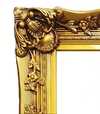
H24-GOLD €30
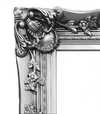
H24-SILVER €30
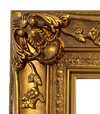
H36-GOLD €70
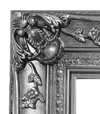
H36-SILVER €70
Spedito in un tubo protettivo, pronto per essere incorniciato dal tuo artigiano di fiducia.
Servizi extra
opzionaleCosa includono gli extra?
Consegna in tutto il mondo () in 2 settimane invece delle normali 4/5 settimane. (23 Dicembre)
La produzione urgente e la spedizione espressa non sono disponibili per la stampa su poly-canvas Economy, che viene spedita tramite posta ordinaria.
Vernice protettiva
Didascalia
Dettagli della targhetta in bronzo inciso
Questa elegante targa riporta il nome dell'artista e il titolo dell'opera, finemente incisi per una presentazione senza tempo.
Realizzata in bronzo con una finitura raffinata ed elegante. Il testo è inciso con precisione al laser per un risultato nitido e permanente. Con le sue dimensioni di 9x2 cm, la targa è compatta ma facilmente leggibile. È progettata per essere resistente ai graffi e duratura nel tempo, offrendo un aspetto professionale di qualità museale. Il montaggio è semplice grazie al biadesivo incluso.
Dettagli della targhetta in acrilico trasparente
La targa include i dettagli incisi essenziali, come il nome dell'artista, il titolo dell'opera, la data di creazione, la tecnica utilizzata — come olio su tela o acquerello —, una breve descrizione dell'opera e un codice QR che rimanda alle informazioni complete sull'opera d'arte.
Realizzata in acrilico trasparente, offre un aspetto elegante e moderno. Il testo è inciso con tecnologia UV in nero per garantire un forte contrasto visivo. Con dimensioni di 10x15 cm, assicura un'ottima leggibilità. È dotata di due ganci metallici per un montaggio sicuro a parete. La targa è progettata per essere resistente agli agenti atmosferici, rendendola adatta a diversi ambienti, e include funzioni interattive che funzionano perfettamente tramite scansione con smartphone.
Dettagli della targhetta in acrilico nero
Questa elegante targa include informazioni incise come il nome dell'artista, il titolo dell'opera, la data di creazione, la tecnica utilizzata (come olio su tela o acquerello), una breve descrizione dell'opera e un codice QR per un rapido accesso a ulteriori informazioni.
La targa è realizzata in acrilico nero raffinato con una finitura premium. Il testo è inciso al laser in bianco per garantire un alto contrasto e una perfetta leggibilità. Le dimensioni sono di 10x15 cm, studiate per essere facilmente leggibili. È dotata di due ganci metallici per un montaggio professionale. Il design è elegante e si adatta a qualsiasi stile d'interni. È inoltre resistente agli agenti atmosferici e durevole, con integrazione digitale per la compatibilità con i dispositivi mobili.
L'opzione vetro è disponibile solo per dimensioni inferiori a 110 cm
 L'opzione vetro è disponibile solo per dimensioni inferiori a 110 cm
- Spedizione gratuita in tutto il mondo in 3-4 settimane
- Tela in lino di alta qualità
- Assicurazione completa sulla spedizione
- Garanzia di rimborso dei dazi doganali
- Garanzia di fedeltà cromatica assoluta
- Resi entro 100 giorni e rimborso garantito
- Garanzia di rimborso al 100%
- Offerta per acquisti multipli


Found: Max Klinger e il momento del Symbolism
Two figures kneel in despair beneath a suspended form in this dramatic monochromatic etching filled with dense, swirling cross-hatching.
Max Klinger: biografia
La sua Parafrasi sul ritrovamento di un guanto fu ispirata da un sogno: osserva come il guanto appare in ogni tavola.
Dettagli sull'opera
The Artwork Found by Max Klinger
In the quiet tension of Found, the viewer encounters a scene of profound emotional distress. Max Klinger, born in 1857 in Leipzig, Germany, presents a vision that feels caught in a moment of sudden, sharp anguish. The composition draws the eye upward through a pyramidal arrangement, where two figures kneel in supplication at the base. Above them, a third figure remains suspended on a rigid rectangular plane, creating a sense of unsettling verticality. The atmosphere is heavy with a feeling of helplessness, as if the figures are trapped within a swirling chaos of lines that refuse to settle.
The imagery suggests a narrative of torment or judgment, though the exact nature of the suffering remains a mystery. Shadows and highlights dance across the forms, emphasizing the intensity of the facial expressions and the physical strain of the subjects. There is a palpable sense of unease in the way the figures interact with the space around them. The scene does not offer the comfort of a clear light source, leaving the viewer to navigate the deep shadows and the turbulent, textured background that seems to pulse with internal turmoil.
Composition and Visual Elements
A heavy, pyramidal structure dictates the movement of the scene, pulling the eye upward through a tense arrangement of forms. At the base, two figures kneel in a state of supplication, their bodies anchoring the bottom of the triangle. Above them, a third figure remains suspended on a rigid, rectangular plane, creating a jarring contrast between the organic curves of the human forms and the unyielding geometry of the platform. This vertical tension holds the viewer in a state of suspended animation, caught between the grounded suffering below and the hovering presence above.
The background refuses to remain still. Dense, swirling lines churn through the space, suggesting a world in a state of constant, chaotic turmoil. These lines wrap around the figures, blurring the distinction between the subjects and the atmosphere surrounding them. Light and shadow dance unevenly across the scene, with deep, heavy blacks clashing against pale highlights to emphasize the emotional weight of the figures. The perspective feels strangely flattened, yet the layering of these dark, textured shapes creates a sense of depth that pulls the viewer into the center of the struggle.
Technique and Artistic Materials
The scene emerges from a monochromatic world, where every shadow and highlight relies on a careful dance of gray tones. This is the result of a meticulous printmaking process, likely an etching or an engraving. One can almost feel the physical resistance of the metal plate as the artist uses sharp etching needles to incise deep, deliberate lines into the surface. These marks do not merely outline forms; they build a dense, textured landscape through heavy cross-hatching that catches the light and holds the darkness in place.
The materials used in this creation speak to a tactile, hands-on labor. A metal plate, perhaps zinc or copper, receives the initial wounding of the needle, creating the channels that will eventually hold the ink. Once the incised lines are ready, ink is pressed into these grooves, transferring the soul of the plate onto paper. This method allows for a staggering level of detail, where the swirling, chaotic lines of the background and the sharp, angular contours of the figures emerge from the interplay of ink and fiber.
Style and Artistic Movement
The work breathes with the heavy, restless energy of late 19th-century Expressionism. Every line seems to vibrate with an internal tension, pushing beyond mere representation to capture a raw, psychological state. This approach finds a striking kinship with the visual language of Edvard Munch, where the external world bends and twists to mirror the turbulence of the human spirit. The figures do not simply exist in space; they appear caught in a moment of profound emotional upheaval, their forms shaped by the weight of what they feel rather than the strict rules of anatomy.
At its core, the piece is deeply rooted in the Symbolist movement. It moves away from the literalism of the natural world to explore the shadowy, subjective realms of the subconscious. Rather than depicting a clear, objective reality, the imagery functions through a language of signs and metaphors that point toward deeper, unseen truths. The atmosphere is thick with the sense of a dream or a nightmare, where the boundaries between the physical self and the internal psyche begin to dissolve into a swirl of dark, textured lines.
Emotional and Symbolic Themes
Anguish and fear pulse through the scene, casting a heavy shadow over the figures. A profound sense of desperation grips the viewer as the subject matter unfolds, depicting a moment of intense emotional distress and torment. The two kneeling figures at the base of the composition seem trapped in a state of supplication, their bodies conveying a deep-seated helplessness. Above them, a third figure remains suspended on a rigid rectangular plane, watching the suffering below. This triangular arrangement creates a palpable tension, suggesting a heavy power dynamic or the weight of an inevitable judgment.
Chaos swirls in the background, where dense, agitated lines churn like a storm. These movements suggest a state of inner turmoil or perhaps the presence of overwhelming external forces acting upon the souls depicted. The darkness and light do not merely define form; they heighten the psychological weight of the moment. Every line contributes to an atmosphere of unease, as if the very air around the figures is thick with their collective despair. The struggle feels immediate, caught in a perpetual state of spiritual or emotional crisis.
Related Works by Max Klinger
The shadows of the artist's imagination stretch into other graphic cycles, where the boundaries between reality and the subconscious continue to blur. In the series Paraphrase on the Finding of a Glove, a single lost object transforms into a potent fetish, triggering a sequence of dreamlike visions and unsettling encounters. This narrative exploration of desire and loss finds a musical counterpart in the Brahms Fantasies from 1894, where the artist translates the spirit of composition into visual form. These works reveal a mind preoccupied with the hidden currents of human longing and the irrational forces that govern our inner lives.
Other explorations move through the realms of myth and movement. The artist's hand traces the tension found in The Rape of Prometheus and the rhythmic energy of Preparation for the dance. Each piece acts as a window into a world where the physical and the psychological are inseparable. Whether through the meticulous lines of an etching or the heavy presence of a sculpture, the artist's vision remains fixed on the tension between the seen world and the unseen impulses that drive it.
Domande e risposte
Questa riproduzione di Found è dipinta a mano o è una stampa?
Stampa: Found è riprodotta come stampa giclée su tela di cotone o su carta per tela d'archivio Epson.
Che dimensioni dovrei scegliere per Found?
Le dimensioni vanno da 36.3 x 27.5 cm (€45) a 248.4 x 188.4 cm (€407); la tabella in questa pagina elenca le opzioni principali e i relativi prezzi.
Quanto tempo richiede la consegna?
Le stampe arrotolate in un tubo viaggiano gratuitamente tramite posta ordinaria e arrivano in 3-4 settimane; le stampe su tela o incorniciate richiedono invece 4-5 settimane. La consegna tramite corriere espresso è disponibile esclusivamente con l'opzione di Spedizione Express a pagamento. È possibile restituire l'articolo entro 100 giorni per un rimborso completo, senza alcuna condizione.
Quale tecnica ha utilizzato Max Klinger per Found?
Etching
Brevi curiosità e quiz sull'arte
Informazioni su Max Klinger

Max Klinger
1857 - 1920, Germania
Su Max Klinger: vita, opere e biografia
Informazioni rapide su Max Klinger
- Artisti Influenti:
- Menzel
- Gova
- Artisti Influenzati:
- Wilhelm Trübner
- Jörg Breu il Vecchio
- Data Di Nascita: 18 febbraio 1857
- Luogo Di Nascita: Leipzig, Germania
- Movimento Artistico: Simbolismo tedesco
- Nazionalità: Tedesca
- Nome Completo: Max Klinger
- Opere Notevoli: ['Paraphrase on the finding of a glove']
Esplora le opere d'arte organizzate per temi, stili e caratteristiche.


Max Klinger
Found
() ·
Comprese le dimensioni della cornice: ·
Totale