


 Anteprima in scala reale
 Condividi
 Condividi
 Dettagli
 Guida stampabile

 Scarica
 Articoli simili
 Radiografia
 Slideshow
 Statistiche
Slag Heap


Experience 'Slag Heap' by Maximilien Luce – a vibrant Post-Impressionist painting of a French village at night. Explore its rich details and artistic style on canvas or print.
 Leggi tutto
Scopri Maximilien Luce (1858-1941), maestro neo-impressionista e pointillista francese! Ammira le sue vibranti scene parigine, paesaggi e l'influenza dell'Impressionismo al Musée d'Orsay.
Riproduzione a olio fatta a mano
Olio su tela dipinto a mano nelle tue dimensioni e con la tua cornice, realizzato su ordinazione dai nostri artisti. ( Passa alle stampe Passa all'immagine digitale)




P118B €10

P118H €10

P118W €10

P438Z €10

P508JH €12

P508YH €12

P805H €10

P805Z €10

P919BZ €10

P919G €10

P919XJ €10

P959ZH €10

P968JZ €12

W106C €8

W218G €10

W218JH €8

W218Y €10

W307PJ €10

W316G €10

W316PJ €8

W316Y €10

W398PJ €8

W4111J €10

W500HY €15

W500JH €15

W692G €12

W849H €8

W940BG €15

W953PJ €8




Standard
personalizzato
CM
INCH
Scegli tra le nostre dimensioni predefinite, che rispettano le proporzioni originali dell'opera d'arte.
Loading sizes...

larghezza
altezza
Inserisci la larghezza e l'altezza di cui hai bisogno, per adattarle alla tua cornice o alla tua parete. Trattandosi di un'opera dipinta a mano, in caso di dimensioni con una forma differente, l'artista può dipingere un po' più oltre i bordi dell'immagine o ritagliare leggermente — la scelta spetta a te. Ti invieremo un mockup digitale da approvare prima che la pittura abbia inizio. L'immagine mostrata in questa pagina non rappresenta il risultato reale — solo il mockup lo fa.
Esempi di personalizzazione: sostituire il volto con una foto del cliente; aggiungere un animale domestico (ad esempio, sostituire un gatto con un cane); inserire un messaggio nascosto nello sfondo; cambiare il paesaggio o gli elementi dello sfondo.
Dopo l'ordine, il team di TopImpressionists.com contatterà il cliente via e-mail per ricevere le istruzioni e fornirà un'anteprima del mockup
Dopo l'ordine, il team di TopImpressionists.com contatterà il cliente via e-mail per ricevere le istruzioni e fornirà un'anteprima del mockup
Consegna in tutto il mondo () in 3/4 settimane anziché nelle normali 5 settimane. (21 Ottobre). Nessun compromesso sulla qualità.

Spedizione espressa gratuita in tutto il mondo

Tela in lino di alta qualità

Assicurazione completa sulla spedizione

Garanzia di rimborso dei dazi doganali

Garanzia di perfetta fedeltà cromatica

Politica di reso entro 100 giorni (solo per difetti di fabbricazione)

Garanzia di rimborso al 100%

Sconto per acquisti multipli
 L'opzione vetro è disponibile solo per dimensioni inferiori a 110 cm

Slag Heap
Tecnica di riproduzione
Dimensioni della riproduzione
-


Prezzo totale
€ 235
A Nocturne in Blue and Green: Exploring Luce's "Slag Heap"
To gaze upon Maximilien Luce’s Slag Heap is to be enveloped by the profound, hushed beauty of a French night. This painting, executed in 1896, transcends a mere depiction of a village; it captures a moment suspended between the day's activity and the deep quietude of midnight. The scene unfolds on a gentle hillside, where the architecture of a small community nestles beneath a luminous, watchful moon. Luce masterfully uses the interplay of light and shadow to give life to every cobblestone and every shadowed eaves. It is an invitation to pause, to breathe in the cool, damp air that seems to emanate from the canvas itself.
The Brushwork of Post-Impressionism
Luce’s technique here is a vibrant testament to his commitment to capturing feeling as much as form. While rooted in the observable world—the clustered houses, the distant church steeple, the lush green landscape—the painting vibrates with the energy characteristic of Post-Impressionism. One notices the bold, deliberate brushstrokes; they do not merely describe the surface but seem to articulate the very texture of the night air and the weight of the silence. The artist employs a rich palette dominated by various shades of blue and deep green, colors that work in concert to create an atmosphere both serene and deeply evocative. This handling of color suggests an emotional resonance beneath the picturesque facade.
Life Amidst the Stillness: Symbolism and Movement
What elevates Slag Heap beyond a simple landscape is the subtle infusion of life into its nocturnal repose. In the foreground, two horses stand as silent sentinels, their presence injecting an element of grounded movement against the otherwise tranquil backdrop. They suggest journeys undertaken or perhaps merely resting after the day's toil. The village itself, with its visible structures and towering steeple, speaks to enduring human settlement—a pocket of civilization illuminated by celestial grace. Symbolically, the moon shining so brightly above the clustered homes can be interpreted as a beacon of constancy, guiding the inhabitants through the mysteries of the night.
Bringing the Night Home: Decorating with Art
For those seeking to infuse their living space or study with the romanticism and depth of late 19th-century Parisian life, this piece offers unparalleled ambiance. The cool tones of the blues and greens in Slag Heap pair exquisitely with natural wood finishes, velvet furnishings, or even modern minimalist palettes that crave a touch of historical narrative. Owning a reproduction allows one to bring the quiet drama of Luce’s vision into your personal sanctuary. It is an artwork that rewards close inspection, revealing new depths of color and texture every time the light shifts across it.
Domande e risposte
Quale colore risalta di più in "Slag Heap"?
Il colore dominante di "Slag Heap" di Maximilien Luce è Cobalt Violet (#88a4bb).
Il copyright di "Slag Heap" di Maximilien Luce consente riproduzioni?
"Slag Heap" di Maximilien Luce, conservata presso Musée d’Ixelles, è di pubblico dominio - il suo copyright è scaduto. Questo stato determina se sia possibile realizzare riproduzioni dell'immagine.
Di cosa è fatto "Slag Heap"?
Maximilien Luce ha utilizzato la tecnica del Oil On Canvas per "Slag Heap". La tecnica definisce la natura materica dell'opera originale.
Opere correlate


Biografia dell'artista
**Primi anni e formazione**
Maximilien-Jules-Constant Luce, un prolifico artista neoimpressionista francese, nacque il 13 marzo 1858 a Parigi. I suoi genitori, di umili origini, erano Charles-Désiré Luce (1823–1888), impiegato ferroviario, e Louise-Joséphine Dunas (1822–1878). La famiglia viveva nel quartiere di Montparnasse, un distretto popolare parigino.**Evoluzione artistica**
Il percorso artistico di Luce iniziò come apprendista con il bozzimista Henri Théophile Hildebrand (1824–1897) nel 1872. Successivamente, si dedicò alla pittura, prima come impressionista, poi come puntinista e infine ritornando all'impressionismo. Questa evoluzione è evidente nelle sue opere, come *Le Tuileries a Parigi* (puntinismo) e *La Senna ad Andelys* (puntinismo), che testimoniano la sua padronanza del colore e della luce.**Opere notevoli ed esposizioni**
- *Sulla riva della Senna a Poissy* (1895), una radiosa pittura puntinista, fu elogiata da un critico del New York Times come "una celebrazione lirica della natura".
- Luce espose in ogni mostra agli *Indépendants* dal 1887 fino alla sua morte nel 1941, inclusa una retrospettiva trentennale tenutasi nel 1926.
- Fu eletto vicepresidente della *Société des Artistes Indépendants* nel 1909 e presidente nel 1935.
**Influenze e stile artistico**
Luce fu influenzato inizialmente dall'Impressionismo, in particolare da Camille Pissarro, George Seurat e Paul Signac, i principali esponenti del Neoimpressionismo. L’adozione della tecnica puntinista riflette l'interesse per la scomposizione del colore e la sua ricomposizione nell'occhio dell'osservatore. Tuttavia, Luce non si limitò a replicare il metodo di Seurat; sviluppò un proprio stile caratterizzato da pennellate più libere e colori più vibranti, che lo avvicinano al Fauvismo in alcune opere. La sua pittura è spesso permeata da una sensibilità sociale, con rappresentazioni della vita operaia e dei paesaggi urbani parigini.**Eredità e collezioni museali**
Le opere di Luce si trovano in diverse importanti collezioni museali, tra cui il Musée d'Orsay, che custodisce un’impressionante collezione di capolavori impressionisti e post-impressionisti.- Esplora la tecnica puntinista di Luce nella sua pittura, *Le Bassin de la Senna* (puntinismo), che mette in mostra il suo stile unico.
- Approfondisci l'evoluzione artistica di Luce e i suoi contributi al movimento neoimpressionista.
- Scopri altri capolavori con TopImpressionists.com, che offre riproduzioni di alta qualità delle opere di Luce, tra cui *Le Pont-Neuf, Parigi* (puntinismo).
**Impegno politico e sociale**
Oltre alla sua attività artistica, Luce fu un convinto anarchico e partecipò attivamente a movimenti politici. Le sue convinzioni si riflettono in alcune delle sue opere che denunciano le ingiustizie sociali e la condizione dei lavoratori. Fu arrestato nel 1894 per le sue idee politiche, ma rilasciato per mancanza di prove concrete. Il suo impegno sociale è evidente anche nelle illustrazioni che realizzò per pubblicazioni anarchiche.
Maximilien Luce
1858 - 1941 , Francia
Informazioni rapide
- Artistic Movement Or Style: Neo-impressionismo, Pointillismo
- Artists Who Influenced This Artist:
- Camille Pissarro
- Georges Seurat
- Paul Signac
- Date Of Birth: 13 marzo 1858
- Date Of Death: 6 febbraio 1941
- Full Name: Maximilien Luce
- Nationality: Francese
- Notable Artworks:
- On the Bank of the Seine at Poissy
- The Banks of the Seine
- Le Pont-Neuf, Paris
- Place Of Birth (City And Country): Parigi, Francia
Articoli correlati
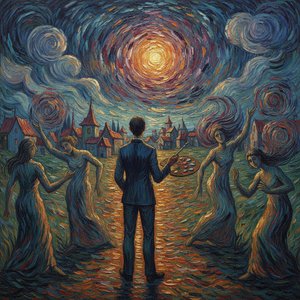
Beyond the Light: Capturing Emotion Through the Expressive Soul of Post-Impressionism
Explore the profound emotional depth of Post-Impressionism. Discover how masters like Van Gogh and Cézanne moved beyond light to capture raw feeling through color and texture. A journey into art history for the true connoisseur.

Beyond the Light: Discovering the Soul and Emotional Depth of Post-Impressionism
Embark on a cultural journey through Post-Impressionism. Discover the profound emotional depth of masters like Van Gogh and Cézanne, exploring how they moved beyond light to capture the very soul of human experience through vibrant color and symbolic form.
Esplora le opere d'arte organizzate per temi, stili e caratteristiche.

