

 Anteprima in scala reale
 Invia
Invia Condividi
 Dettagli opera
 Guida
Guida

 Scarica
 Simili
 Radiografia
 Slideshow
 Domande e risposte
 Statistiche
Spring in Kaunas


Experience the serene watercolor beauty of Spring in Kaunas by Mstislav Dobuzhinsky (1923), capturing spring's gentle spirit; discover this masterpiece today.
 Espandi i dettagli
Esplora i paesaggi urbani inquietanti di Mstislav Dobuzhinsky! Artista russo-lituano noto per esprimere il decadimento urbano e la vita industriale attraverso l'arte espressionista.
L'opera d'arte visualizzata in questa pagina è protetta dalle leggi sul diritto d'autore, il che significa che non possiamo legalmente creare o vendere una riproduzione identica. Tale protezione è garantita da accordi internazionali quali la Convenzione di Berna e dalle leggi nazionali, incluse quelle stabilite da Legge sul copyright degli Stati Uniti - Titolo 17. Tutti i diritti riservati. Le immagini presenti su questo sito sono protette da copyright e non possono essere riprodotte o utilizzate senza l'autorizzazione scritta di WahooArt.com o dei rispettivi proprietari del copyright.
Questo metodo è pienamente conforme alle normative sul diritto d'autore poiché non prevede la copia o la duplicazione dell'opera protetta. Si tratta invece di una rielaborazione creativa: un nuovo dipinto che trae ispirazione dall'originale, senza tuttavia esserne identico.
Giclée / Stampe d'arte
Stampa giclée o su tela di qualità museale, con produzione rapida e diverse opzioni di finitura. ( Acquista il dipinto realizzato a mano Passa all'immagine digitale)




P118B €10

P118H €10

P118W €10

P438Z €10

P508JH €12

P508YH €12

P805H €10

P805Z €10

P919BZ €10

P919G €10

P919XJ €10

P959ZH €10

P968JZ €12

W106C €8

W218G €10

W218JH €8

W218Y €10

W307PJ €10

W316G €10

W316PJ €8

W316Y €10

W398PJ €8

W4111J €10

W500HY €15

W500JH €15

W692G €12

W849H €8

W940BG €15

W953PJ €8




Formato standard
su misura
CM
INCH
Scegli tra le nostre dimensioni predefinite, che rispettano le proporzioni originali dell'opera d'arte.
Loading sizes...

larghezza
altezza
Inserisci la larghezza e l'altezza desiderate, per adattarle alla tua cornice o alla tua parete. Una stampa può essere solo ritagliata, mai resa più grande dell'immagine originale; pertanto, un formato con una forma differente comporterà la perdita di una parte dell'opera. Ti invieremo un mockup digitale da approvare prima di procedere con la stampa. L'immagine mostrata in questa pagina non rappresenta il ritaglio reale — solo il mockup lo mostra.
Consegna in tutto il mondo () in 2 settimane invece delle normali 4/5 settimane. (4 Novembre)

Spedizione espressa gratuita in tutto il mondo

Tela in lino di alta qualità

Assicurazione completa sulla spedizione

Garanzia di rimborso dei dazi doganali

Garanzia di fedeltà cromatica assoluta

Politica di reso entro 100 giorni (solo per difetti di fabbricazione)

Garanzia di rimborso al 100%

Offerta per acquisti multipli
 L'opzione vetro è disponibile solo per dimensioni inferiori a 110 cm

Spring in Kaunas
Giclée / Stampe d'arte
Dimensioni riproduzione
-


Prezzo finale calcolato
€ 62
The Gentle Awakening: Capturing Spring's Spirit in Kaunas
Mstislav Dobuzhinsky’s 1923 watercolor, "Spring in Kaunas," is not merely a depiction of a season; it is an immersion into a moment of profound, quiet renewal. The painting washes over the viewer with the soft luminescence of early spring, transforming a specific landscape into a universal meditation on hope. One can almost feel the gentle warmth filtering through the air, carrying the scent of blossoming life. Dobuzhinsky masterfully captures this ephemeral quality, allowing the lush greens and delicate pastels to speak volumes about nature’s persistent cycle of rebirth.
A Symphony in Watercolor: Technique and Atmosphere
The technical brilliance of this piece lies in its handling of watercolor itself. The artist employs loose brushstrokes and translucent washes, techniques that lend the entire scene a breathy, atmospheric quality. There is no harsh edge; instead, colors bleed into one another—the blues meeting the pinks, the yellows mingling with various shades of green foliage. This blending creates depth while maintaining an ethereal softness. Compositionally, the eye is guided by the foreground fence, which acts as a subtle leading line drawing us deeper into the middle ground where trees and bushes undulate in organic forms. The background anchors this natural exuberance with the steadfast presence of Orthodox church spires, providing both scale and a counterpoint to the wildness of the flora.
Symbolism Woven into the Landscape
Beyond its immediate beauty, "Spring in Kaunas" resonates with deep symbolic weight. The blossoming flowers are the quintessential emblems of renewal, marking the passage from dormancy to vibrant life. Juxtaposed against this natural efflorescence is the prominent religious architecture. This pairing suggests a harmonious dialogue between the spiritual and the earthly—faith rooted deeply within the cycle of nature itself. It speaks to a tradition that finds its deepest meaning not in permanence, but in the continuous promise of return, the promise embodied by spring.
Echoes of Place and Time
While Dobuzhinsky is often known for his haunting explorations of urban decay, this work offers a beautiful counter-narrative. Painted in 1923, it captures a specific moment in the life of Kaunas, blending the enduring spirit of its culture with the vibrant energy of nature reclaiming space. The overall emotional impact is one of profound serenity mixed with an undeniable sense of anticipation—the hopeful sigh that accompanies the first truly warm day after a long winter. For collectors and designers alike, this piece offers not just decoration, but a palpable infusion of tranquil, optimistic energy into any space.
Domande e risposte
Per quale uso è consigliata una riproduzione di "Spring in Kaunas" di Mstislav Dobuzhinsky?
L'uso suggerito per "Spring in Kaunas" di Mstislav Dobuzhinsky è Focal. Può essere impiegato anche per altri scopi.
In che modo lo stile e l'epoca si incontrano in "Spring in Kaunas" di Mstislav Dobuzhinsky?
"Spring in Kaunas" di Mstislav Dobuzhinsky appartiene al movimento Impressionism, inserendosi nel contesto dell'epoca Età Moderna del suo autore.
A chi è consigliato regalare "Spring in Kaunas" di Mstislav Dobuzhinsky?
"Spring in Kaunas" è un'idea regalo ideale per Seasonal Gift, pensata per Focal.
Opere simili


Biografia dell'artista
Mstislav Dobuzhinsky: Un Visionario del Decadimento Urbano
Mstislav Valerianovich Dobuzhinsky (1875-1957), un nome forse meno familiare di alcuni dei suoi contemporanei, rimane una figura profondamente evocativa nella storia dell'arte russa. Nato a Novgorod e portando con sé l'eredità lituana, si è creato una voce artistica unica definita da un'esplorazione inquietante del decadimento urbano, dei paesaggi industriali e del peso psicologico della modernità. Le sue opere non sono semplici raffigurazioni di edifici in rovina; sono un'espressione viscerale di isolamento, ansia e la bellezza sconcertante che si trova nelle ombre delle città in rapido cambiamento. L'eredità di Dobuzhinsky risiede nella sua capacità di trasformare le realtà quotidiane della Russia del XX secolo in immagini potentemente espressive che continuano a risuonare con lo spettatore oggi.Giovane Vita e Formazione Artistica
Il percorso artistico di Dobuzhinsky iniziò modestamente, frequentando la Scuola di Disegno della Società per la Promozione degli Artisti a Novgorod prima di dedicarsi al diritto presso l'Università Imperiale di San Pietroburgo, studiando contemporaneamente in privato. Questa doppia impresa riflette una curiosità intellettuale inquieta che avrebbe informato il suo lavoro successivo. Fondamentalmente, ricevette formazione formale da eminenti artisti europei – Anton Ažbe a Monaco e Simon Hollósy in Austria-Ungheria – esponendolo alle nascente influenza dello Jugendstil (Art Nouveau) e ad altri movimenti contemporanei. Queste prime esperienze plasmarono le sue abilità tecniche e lo introdussero a un vocabolario artistico più ampio, che avrebbe poi sintetizzato nel suo stile distintivo. La sua associazione con il circolo di Mir iskusstva, un gruppo artistico che idealizzava il XVIII secolo come un'età dell'oro di eleganza e raffinatezza, si rivelò fondamentale nel plasmare la sua visione sul ruolo dell'arte nella società – una prospettiva che alla fine lo portò ad affrontare gli aspetti più oscuri della vita urbana moderna.Il Paesaggio Urbano Espressionista
La svolta artistica di Dobuzhinsky arrivò con la sua esplorazione del paesaggio urbano russo durante un periodo di rapida industrializzazione e agitazione sociale. Rifiutando le rappresentazioni idealizzate predilette da molti dei suoi contemporanei, si concentrò sulle grigie realtà delle fabbriche, degli alloggi popolari e delle strade affollate. La sua tavolozza era spesso dominata da marroni cupi, grigi e rossi profondi – colori che trasmettevano sia il decadimento fisico che l'intensità emotiva di questi ambienti. Linee audaci e contrasti drammatici accentuavano il senso di claustrofobia e alienazione inerenti all'esistenza urbana. Il suo lavoro non è semplicemente un resoconto dei cambiamenti architettonici; è un'indagine sulla condizione umana all'interno di quegli spazi – un ritratto della solitudine, del disperare e della lotta per la sopravvivenza amidst il progresso incessante. L'influenza dell'Espressionismo è innegabile, ma Dobuzhinsky sviluppò una sensibilità unicamente russa, informata dalle sue esperienze personali e osservazioni.Opere Note e Tecniche Artistiche
Diverse opere chiave esemplificano la visione artistica di Dobuzhinsky. “Pskov” (1923), ad esempio, cattura l'atmosfera malinconica di una città portuale russa con meticolosi dettagli a matita, rivelando la sottile bellezza all'interno del suo decadimento. “October Idyll” (1905) è un esempio particolarmente sorprendente del suo stile espressivo, raffigurando una brutale scena urbana di violenza e povertà resa con linee audaci e rossi intensi – una testimonianza delle inquietanti realtà della Russia industriale. Le sue illustrazioni per “Notti Bianche” di Dostoevskij (1923) mostrarono ulteriormente la sua capacità di trasmettere emozioni complesse attraverso la narrazione visiva, utilizzando una tavolozza smorzata e composizioni evocative. La maestria di Dobuzhinsky si estese oltre la pittura; fu anche un abile scenografo, contribuendo significativamente a produzioni teatrali a Parigi, Bruxelles e altrove, dimostrando una versatilità che sottolineava la profondità della sua arte.Eredità e Significato Storico
L'opera di Mstislav Dobuzhinsky riveste un'importanza storica significativa come documento della Russia dell'inizio del XX secolo. Catturò un momento cruciale nella trasformazione della nazione – il passaggio dalla società agraria alla metropoli industriale – offrendo una prospettiva critica sulle sue conseguenze sociali e psicologiche. La sua rappresentazione incrollabile del decadimento urbano sfidò le nozioni convenzionali di bellezza e progresso, costringendo gli spettatori ad affrontare verità scomode sulla modernità. Sebbene la sua opera possa non aver raggiunto fama diffusa durante la sua vita, è stata da allora riconosciuta come un contributo fondamentale all'Espressionismo russo e un potente riflesso delle ansie e incertezze dell'età moderna. La sua influenza si può vedere nelle generazioni successive di artisti che continuarono a esplorare temi di alienazione urbana e critica sociale. Oggi, i paesaggi urbani inquietanti di Dobuzhinsky continuano a provocare la contemplazione sul rapporto tra l'umanità e il suo ambiente, ricordandoci il potere duraturo dell'arte di illuminare sia la bellezza che l'oscurità.
Mstislav Dobuzhinsky
1875 - 1957 , Russia
Dettagli rapidi
- Artistic Movement Or Style: Espressionismo, Paesaggi urbani
- Artists Or Movements Influenced By This Artist: ['Mir iskusstva']
- Artists Who Influenced This Artist:
- Anton Ažbe
- Simon Hollósy
- Date Of Birth: 14 agosto 1875
- Date Of Death: 20 novembre 1957
- Full Name: Mstislav Valerianovich Dobuzhinsky
- Nationality: Russo-Lituano
- Notable Artworks:
- Crepuscolo
- Pskov
- Idill di ottobre
- Place Of Birth: Novgorod, Russia
Articoli correlati
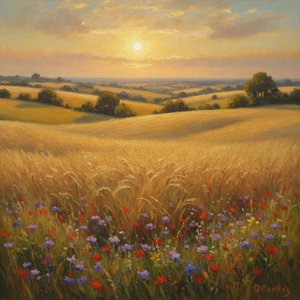
Golden Fields & Sun-Drenched Meadows: Capturing the Soul of Impressionist Landscapes
Immerse yourself in the luminous world of Impressionist landscapes. Discover how masters like Monet and Gauguin captured ephemeral light through plein air painting, and learn to bring the soul of sun-drenched meadows into your home with exquisite, hand-painted oil reproductions.

The Beauty of Impermanence: Capturing Decay through Impressionist Eyes
Explore the profound beauty of impermanence through Impressionist and Post-Impressionist eyes. Discover how masters like Monet and Van Gogh captured fleeting light and the poetic essence of nature's transitions in our deep dive into art history and emotional landscapes.

Capturing Light: The Ethereal Beauty and Timeless Legacy of Watercolor Landscapes
Embark on a visual journey through the ethereal beauty of watercolor landscapes. Discover how Impressionist masters captured light and emotion, and learn to bring this timeless, luminous elegance into your home with expert art curation and hand-painted reproductions.

Capturing the Soul: The Most Emotionally Moving Impressionist and Post-Impressionist Masterpieces
Discover the profound emotional depth of Impressionist and Post-Impressionist masterpieces. Explore how legends like Monet, Van Gogh, and Gauguin captured light and soul through evocative landscapes and vibrant brushwork for a timeless connection to art history.

Beyond the Light: Capturing Raw Emotion and Subjective Vision in Post-Impressionist Landscapes
Explore the profound emotional depth of Post-Impressionist landscapes. Discover how masters like Van Gogh moved beyond light to capture raw human feeling through vibrant color and expressive texture in this expert art history retrospective.