


 Anteprima in scala reale
 Invia
Invia Condividi
 Dettagli opera
 Guida
Guida

 Scarica
 Simili
 Radiografia
 Slideshow
 Statistiche
Vegetables on the Table


A vibrant still life of nature's bounty featuring colorful fruits and flowers by Japanese modernist pioneer Narashige Koide, offering a timeless glimpse into 1927 avant-garde beauty for your collection.
 Espandi i dettagli
Scopri Narashige Koide (1887-1931), pioniere dell'Hanshinkan Modernism nella pittura yōga giapponese. Esplora ritratti evocativi, nudi suggestivi e il suo approccio innovativo tra tradizione Nihonga e stili occidentali.
Riproduzione a olio fatta a mano
Olio su tela dipinto a mano nelle tue dimensioni e con la tua cornice, realizzato su ordinazione dai nostri artisti. ( Passa alle stampe Passa all'immagine digitale)




P118B €10

P118H €10

P118W €10

P438Z €10

P508JH €12

P508YH €12

P805H €10

P805Z €10

P919BZ €10

P919G €10

P919XJ €10

P959ZH €10

P968JZ €12

W106C €8

W218G €10

W218JH €8

W218Y €10

W307PJ €10

W316G €10

W316PJ €8

W316Y €10

W398PJ €8

W4111J €10

W500HY €15

W500JH €15

W692G €12

W849H €8

W940BG €15

W953PJ €8




Formato standard
su misura
CM
INCH
Scegli tra le nostre dimensioni predefinite, che rispettano le proporzioni originali dell'opera d'arte.
Loading sizes...

larghezza
altezza
Inserisci la larghezza e l'altezza desiderate, per adattarle alla tua cornice o alla tua parete. Trattandosi di un'opera dipinta a mano, in caso di dimensioni con un formato differente, l'artista può estendere leggermente il dipinto oltre i bordi dell'immagine o ritagliare una piccola parte — la scelta spetta a te. Ti invieremo un mockup digitale da approvare prima che la realizzazione abbia inizio. L'immagine mostrata in questa pagina non rappresenta il risultato finale — solo il mockup lo fa.
Esempi di ciò che può essere modificato: sostituire il volto con una foto del cliente; aggiungere un animale domestico (ad esempio, sostituire un gatto con un cane); inserire un messaggio nascosto nello sfondo; cambiare il paesaggio o gli elementi dello sfondo.
Dopo l'ordine, il team di TopImpressionists.com contatterà il cliente via e-mail per ricevere le istruzioni e fornirà un'anteprima del mockup
Dopo l'ordine, il team di TopImpressionists.com contatterà il cliente via e-mail per ricevere le istruzioni e fornirà un'anteprima del mockup
Consegna in tutto il mondo () in 3/4 settimane anziché nelle normali 5 settimane. (27 Ottobre). Nessun compromesso sulla qualità.

Spedizione espressa gratuita in tutto il mondo

Tela in lino di alta qualità

Assicurazione completa sulla spedizione

Garanzia di rimborso dei dazi doganali

Garanzia di fedeltà cromatica assoluta

Politica di reso entro 100 giorni (solo per difetti di fabbricazione)

Garanzia di rimborso al 100%

Offerta per acquisti multipli
 L'opzione vetro è disponibile solo per dimensioni inferiori a 110 cm

Vegetables on the Table
Tecnica di riproduzione
Dimensioni riproduzione
-


Prezzo finale calcolato
€ 237
A Symphony of Stillness: The Bounty of Narashige Koide
In the quiet corners of early 20th-century modernism, few works capture the humble elegance of daily life as poignantly as Narashige Koide’s 1927 masterpiece, Vegetables on the Table. This evocative still life serves as a profound meditation on texture, color, and the simple abundance of nature. At first glance, the viewer is greeted by a vibrant arrangement of life: the sun-kissed curves of oranges and apples, the elongated grace of bananas, and a central vase of flowers that acts as the composition's beating heart. Set against a deep, atmospheric blue background, the subjects do not merely sit upon the table; they emerge from the shadows with a sculptural presence that commands the room.
The brilliance of this piece lies in Koide’s ability to bridge the gap between the delicate sensibilities of Nihonga—the traditional Japanese style he studied in his youth—and the bold, structural experimentation of Western Yōga painting. There is a rhythmic balance at play here, where the placement of two humble bowls and a solitary cup creates a sense of domestic harmony. For the discerning collector or interior designer, this painting offers more than just visual interest; it provides a focal point of stability and warmth. The interplay between the cool, receding blue backdrop and the warm, tactile fruits creates a chromatic tension that breathes life into any sophisticated space.
Beyond its aesthetic charm, Vegetables on the Table carries a deeper symbolic weight, reflecting the era's fascination with finding beauty in the mundane. During a period of intense cultural transition in Japan, Koide utilized the still life genre to explore form and light, stripping away the unnecessary to focus on the essential. The arrangement feels both spontaneous and meticulously curated, suggesting that even in the most ordinary objects, there exists an eternal, artistic truth. Each brushstroke contributes to a sense of weight and volume, inviting the viewer to reach out and touch the velvety skin of a peach or the smooth surface of a ceramic bowl.
For those seeking to infuse their homes with a sense of historical depth and quiet luxury, a high-quality reproduction of this work offers an unparalleled opportunity. It is a piece that transcends mere decoration, acting as a window into the soul of Japanese modernism. Whether placed in a sunlit dining room to echo its themes of nourishment or in a contemporary study to provide a classical counterpoint to modern furniture, Koide’s vision remains timeless. To possess this image is to hold a fragment of 1927—a moment of stillness captured forever in a dance of color and light.
Domande e risposte
"Vegetables on the Table" di Narashige Koide è di pubblico dominio? E perché?
"Vegetables on the Table" di Narashige Koide è di di pubblico dominio - il copyright è scaduto. La durata del copyright decorre dalla morte dell'artista, avvenuta nel 1931.
Con quale tecnica è realizzata "Vegetables on the Table" di Narashige Koide?
La tecnica utilizzata per "Vegetables on the Table" di Narashige Koide è Oil. Le riproduzioni mirano a restituire l'aspetto di questa tecnica.
In che modo "Vegetables on the Table" si inserisce nel percorso artistico di Narashige Koide?
"Vegetables on the Table" condivide con le altre opere di Narashige Koide lo stile Modernism e i temi ricorrenti: western painting techniques, nihonga tradition influence, japanese modernism exploration, hanshinkan modernism movement, still life composition.
Opere simili


Biografia dell'artista
Un pioniere della pittura giapponese moderna: la vita e l'arte di Narashige Koide
Narashige Koide, nato a Osaka nel 1887, emerse come una figura cardine nell'evoluzione dell'arte giapponese del primo Novecento. La sua carriera, seppur breve ma intensamente produttiva, riuscì a gettare un ponte tra le tradizioni del Nihonga – la pittura tradizionale giapponese – e la crescente influenza degli stili artistici occidentali, in particolare nel ritratto e nell'audace esplorazione della forma nuda. La storia di Koide è quella di un innovatore inquieto, costantemente alla ricerca di una definizione di modernismo unicamente giapponese, in perenne lotta tra l'eredità estetica del suo passato e il fascino delle avanguardie europee.
Fin dalla giovinezza, la sua inclinazione verso l'arte fu evidente, portandolo a studiare Nihonga durante gli anni della scuola elementare e media. Tuttavia, Koide nutriva una profonda fascinazione per le tecniche pittoriche occidentali, un desiderio che inizialmente lo portò al rifiuto da parte del dipartimento di Arti Occidentali della Tokyo School of Fine Art nel 1907. Accettato invece nel programma Nihonga, continuò a perseguire la pittura a olio in modo indipendente, riconoscendone il potenziale per esprimere sensibilità moderne. Questa dualità – un radicamento nei principi artistici giapponesi unito all'ambizione di padroneggiare i metodi occidentali – sarebbe diventata la caratteristica distintiva della sua intera opera.
L'ascesa del Modernismo Hanshinkan e i primi successi
Dopo essersi diplomato alla Tokyo School of Fine Art nel 1914, Koide tornò a Osaka, immergendosi nel fermento artistico della regione del Kansai. Questo periodo vide l'emergere di quello che sarebbe diventato noto come Modernismo Hanshinkan, un movimento caratterizzato dall'abbraccio degli stili occidentali pur mantenendo una sensibilità estetica distintamente giapponese. Koide divenne rapidamente una delle voci guida di questo scenario in espansione. Il suo grande debutto arrivò con “N’s Family” (1919), un ritratto in stile yōga che attirò un'attenzione significativa e vinse infine il prestigioso Premio Chōgyū alla Sesta Esposizione Nikakai. Quest'opera, oggi riconosciuta come Importante Bene Culturale del Giappone, dimostrò la capacità di Koide di sintetizzare le tecniche compositive occidentali con temi e profondità emotiva giapponese.
Il successo di “N’s Family” proiettò Koide sotto i riflettori, assicurandogli commissioni e permettendogli un'ulteriore esplorazione artistica. Le sue opere successive, come "Boy with a Lamp" (1923), mostrarono una crescente maestria nel gioco di luci e ombre, influenzata dall'Impressionismo e dal Post-Impressionismo, ma intrisa di una sensibilità giapponese unica verso la forma e l'atmosfera. Non si limitava a imitare gli stili occidentali; li adattava, filtrandoli attraverso la propria lente culturale.
Sperimentazione e ricerca della forma
La curiosità artistica di Koide si estese ben oltre i media pittorici tradizionali. Sperimentò con varie tecniche, inclusa la pittura su vetro, dimostrando una volontà di superare i confini e sfidare le norme convenzionali. Un viaggio in Francia tra il 1921 e il 1922 ampliò ulteriormente i suoi orizzonti, esponendolo alle ultime evoluzioni dell'arte europea. Al suo ritorno, nel 1924, stabilì un atelier a Osaka, favorendo un ambiente creativo che attirò altri artisti e contribuì alla vibrante comunità artistica della regione.
Tuttavia, fu negli anni della maturità, in particolare dopo il trasferimento ad Ashiya nel 1926, che Koide si distinse veramente. Divenne celebre per le sue rappresentazioni del nudo femminile, un soggetto considerato audacemente moderno per l'epoca in Giappone. Dipinti come “Nude with White Cloth” (1929) e “Nude on a Bed” (1930) non erano semplici esercizi di studio anatomico; erano esplorazioni di forma, luce ed emozione, intrisi di una sottile sensualità che li distingueva dai loro omologhi occidentali. Si guadagnò il soprannome "Rafu no Narashige" – Narashige dei Nudi – a testimonianza della sua importanza in questo genere.
Eredità e influenza duratura
Tragicamente, la vita di Narashige Koide fu interrotta da una malattia nel 1931, all'età di soli 43 anni. Nonostante la sua carriera relativamente breve, lasciò un segno indelebile nella storia dell'arte giapponese. Svolse un ruolo cruciale nell'instaurare il Modernismo Hanshinkan come forza significativa e aprì la strada alle generazioni future di artisti per esplorare gli stili occidentali rimanendo radicati nel proprio patrimonio culturale.
L'opera di Koide continua a risuonare ancora oggi, catturando gli spettatori con il suo connubio di abilità tecnica, profondità emotiva e spirito innovativo. I suoi dipinti sono conservati in prestigiose collezioni come il Museo Nazionale d'Arte Moderna di Tokyo e l'Ohara Museum of Art, garantendo che la sua eredità perduri negli anni a venire. Egli rimane una testimonianza del potere della visione artistica e della ricerca incessante di forgiare un'estetica giapponese unicamente moderna.
Opere Notevoli
- N’s Family (1919), Ohara Art Museum, Importante Bene Culturale Nazionale
- Boy with a Lamp (1923), Museo Nazionale d'Arte Moderna, Tokyo, Giappone
- Nude with White Cloth (1929), Museo Nazionale d'Arte Moderna, Tokyo, Giappone
- Nude on a Bed (1930), Ohara Museum of Art, Tokyo, Giappone

Narashige Koide
1887 - 1931 , Giappone
Dettagli rapidi
- Artistic Movement Or Style: Modernismo Hanshinkan, Yōga
- Artists Or Movements Influenced By This Artist: Arte Moderna Giapponese
- Date Of Birth: 13 ottobre 1887
- Date Of Death: 13 febbraio 1931
- Full Name: Narashige Koide
- Nationality: Giapponese
- Notable Artworks:
- La famiglia di N
- Ragazzo con una lampada
- Nudo con panno bianco
- Nudo su un letto
- Place Of Birth: Osaka, Giappone
Articoli correlati
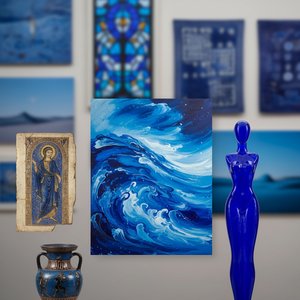
The Allure of Azure: Exploring the Symbolic & Aesthetic Depths of Blue in Art History
Explore the rich history of blue in art! Discover its symbolism, from ancient pigments to modern masterpieces by Kandinsky & Seurat. Uncover the psychological impact and cultural meanings behind this captivating hue.

I 10 Dipinti Più Famosi Dominati dal Blu Ardesia: Storia, Arte e Decorazioni Raffinate
Esplora i 10 dipinti più iconici dominati dal blu ardesia! Scopri la storia, gli artisti e le tecniche dietro capolavori impressionisti e moderni. Trova riproduzioni artistiche di alta qualità per decorare casa con .

The Bountiful Still Life: Symbolism & Artistic Representation of Fruit Across Art History
Explore the rich history of still life painting & the symbolism of fruit across art movements. Discover masterpieces from Caravaggio to Cézanne with TopImpressionists – expert guidance & museum-quality reproductions.

Silent Narratives: Exploring the Enduring Appeal of Still Life Painting Across Centuries
Explore the rich history of still life painting with TopImpressionists. Discover Dutch Masters, decode vanitas symbolism & learn about collecting timeless art. Expert insights and museum-quality reproductions.

Paul Cézanne: I 25 Capolavori che Hanno Rivoluzionato l'Arte Moderna | TopImpressionists
Esplora i 25 capolavori di Paul Cézanne, il maestro dell'impressionismo e post-impressionismo. Scopri la storia, le tecniche e i colori iconici dietro opere come 'Le grandi bagnanti' e 'Mont Sainte-Victoire'. Trova riproduzioni artistiche di alta qualità per decorare la tua casa su TopImpressionists.com.