


 Anteprima in scala reale
 Invia
Invia Condividi
 Dettagli opera
 Guida
Guida

 Scarica
 Simili
 Radiografia
 Slideshow
 Statistiche
Gli amanti per strada

Scopri "Gli amanti per strada" di Pablo Picasso: un'opera iconica che cattura l'intimità e la vita urbana del XX secolo. Riproduzioni artistiche di alta qualità disponibili su TopImpressionists.
 Espandi i dettagli
Scopri Pablo Picasso: il genio del Cubismo e delle avanguardie! Esplora i periodi Blu e Rosa, Guernica e l'impatto rivoluzionario sulla storia dell'arte moderna.
L'opera d'arte visualizzata in questa pagina è protetta dalle leggi sul diritto d'autore, il che significa che non possiamo legalmente creare o vendere una riproduzione identica. Tale protezione è garantita da accordi internazionali quali la Convenzione di Berna e dalle leggi nazionali, incluse quelle stabilite da Legge sul copyright degli Stati Uniti - Titolo 17. Tutti i diritti riservati. Le immagini presenti su questo sito sono protette da copyright e non possono essere riprodotte o utilizzate senza l'autorizzazione scritta di WahooArt.com o dei rispettivi proprietari del copyright.
Questo metodo è pienamente conforme alle normative sul diritto d'autore poiché non prevede la copia o la duplicazione dell'opera protetta. Si tratta invece di una rielaborazione creativa: un nuovo dipinto che trae ispirazione dall'originale, senza tuttavia esserne identico.
Giclée / Stampe d'arte
Stampa giclée o su tela di qualità museale, con produzione rapida e diverse opzioni di finitura. ( Acquista il dipinto realizzato a mano Passa all'immagine digitale)




P118B €10

P118H €10

P118W €10

P438Z €10

P508JH €12

P508YH €12

P805H €10

P805Z €10

P919BZ €10

P919G €10

P919XJ €10

P959ZH €10

P968JZ €12

W106C €8

W218G €10

W218JH €8

W218Y €10

W307PJ €10

W316G €10

W316PJ €8

W316Y €10

W398PJ €8

W4111J €10

W500HY €15

W500JH €15

W692G €12

W849H €8

W940BG €15

W953PJ €8




Formato standard
su misura
CM
INCH
Scegli tra le nostre dimensioni predefinite, che rispettano le proporzioni originali dell'opera d'arte.
Loading sizes...

larghezza
altezza
Inserisci la larghezza e l'altezza desiderate, per adattarle alla tua cornice o alla tua parete. Una stampa può essere solo ritagliata, mai resa più grande dell'immagine originale; pertanto, un formato con una forma differente comporterà la perdita di una parte dell'opera. Ti invieremo un mockup digitale da approvare prima di procedere con la stampa. L'immagine mostrata in questa pagina non rappresenta il ritaglio reale — solo il mockup lo mostra.
Consegna in tutto il mondo () in 2 settimane invece delle normali 4/5 settimane. (25 Ottobre)

Spedizione espressa gratuita in tutto il mondo

Tela in lino di alta qualità

Assicurazione completa sulla spedizione

Garanzia di rimborso dei dazi doganali

Garanzia di fedeltà cromatica assoluta

Politica di reso entro 100 giorni (solo per difetti di fabbricazione)

Garanzia di rimborso al 100%

Offerta per acquisti multipli
 L'opzione vetro è disponibile solo per dimensioni inferiori a 110 cm

Gli amanti per strada
Giclée / Stampe d'arte
Dimensioni riproduzione
-


Prezzo finale calcolato
€ 61
L'Intima Danza Urbana di Picasso: "Los Amantes en la Calle"
“Los amantes en la calle” – “The Lovers on the Street” – is more than just a painting; it’s a fleeting moment captured in time, a whispered secret revealed amidst the bustling energy of early 20th-century Barcelona. Painted by Pablo Picasso during his prolific and transformative period between 1937 and 1938, this work embodies the artist's evolving exploration of form, emotion, and the human condition. It’s a piece that invites us to step into its world, to observe the intimacy of two figures against the backdrop of an anonymous urban landscape – a testament to Picasso’s ability to distill profound feeling from seemingly simple subjects.
- A Study in Movement and Distortion: The painting immediately draws the eye with its dynamic composition. Picasso employs a Cubist approach, fracturing the forms of the lovers and the surrounding buildings into geometric planes. This isn't merely an aesthetic choice; it’s a deliberate attempt to represent multiple perspectives simultaneously, mirroring the subjective experience of observing a scene. The figures are not rendered realistically but rather as fragments of memory and perception, imbued with a sense of restless energy.
- The Red Dress – A Symbol of Passion: The woman's vibrant red dress is a crucial element within the composition. Red, historically associated with love, desire, and even danger, acts as a powerful visual anchor, drawing attention to the central relationship. Its bold color contrasts sharply with the muted tones of the street and buildings, emphasizing the intensity of their connection.
- Barcelona – A City in Transition: The setting itself is significant. Barcelona during this period was undergoing rapid industrialization and social change, a city grappling with both modernity and tradition. Picasso’s choice to depict lovers on a street reflects this duality—a celebration of human connection amidst the backdrop of urban transformation.
The Painter's Hand: Technique and Style
Picasso’s technique in “Los amantes en la calle” is characterized by its raw energy and expressive brushwork. He utilizes a combination of oil paints, applied with swift, confident strokes that convey both immediacy and deliberate control. Notice the layering of colors – not always blended smoothly, but rather juxtaposed to create visual tension and depth. The artist’s use of black outlines further defines the forms, adding to the painting's sense of dynamism and fragmentation. This technique is a hallmark of his Synthetic Cubism phase, where he moved away from the Analytical Cubism of earlier works, prioritizing color and simplified shapes over meticulous detail.
Key Characteristics:- Synthetic Cubism: A shift towards brighter colors and simpler forms.
- Fragmented Forms: Figures are broken down into geometric components.
- Expressive Brushwork: Visible brushstrokes contribute to the painting’s energy.
- Bold Color Palette: The red dress stands out against a muted background.
Beyond Representation: Emotion and Narrative
While visually arresting, “Los amantes en la calle” transcends mere representation. It's not simply a depiction of two people on a street; it’s an exploration of intimacy, vulnerability, and the fleeting nature of human connection. Picasso masterfully captures a moment of shared experience—a silent exchange between lovers – leaving much to the viewer’s interpretation. The background figures, rendered smaller and less defined, serve as a reminder that this intimate scene exists within a larger, anonymous world. The painting evokes a sense of melancholy, perhaps reflecting Picasso's own personal experiences with loss and heartbreak, subtly woven into the fabric of his art.
A Timeless Masterpiece – Reproductions for Your Space
TopImpressionists offers meticulously crafted hand-painted reproductions of “Los amantes en la calle,” allowing you to bring this iconic work into your home or office. Our artists replicate Picasso’s distinctive style and technique with the utmost care, ensuring that every detail—from the vibrant red dress to the fragmented forms—is faithfully reproduced. Choose from a range of sizes and canvas materials to perfectly complement your décor. More than just a print, it's an authentic piece of art history, ready to inspire and captivate for generations to come. Explore our collection today and experience the enduring legacy of Pablo Picasso.
Domande e risposte
Qual è l'atmosfera di "Gli amanti per strada" di Pablo Picasso?
L'atmosfera generale di "Gli amanti per strada" di Pablo Picasso è Romantico. Il tono descrive l'atmosfera complessiva dell'opera.
"Gli amanti per strada" di Pablo Picasso è un dipinto, un disegno o una stampa?
Nel catalogo, "Gli amanti per strada" di Pablo Picasso è classificato come Opere da parete. La categoria permette di trovare opere simili.
Con quale tecnica è realizzata "Gli amanti per strada" di Pablo Picasso?
"Gli amanti per strada" è realizzata con Acrilico su tela.
Biografia dell'artista
Pablo Picasso: Un Artista Rivoluzionario
Primi Anni di Vita e Formazione (1881-1904)
- Nato il 25 ottobre 1881 a Málaga, in Spagna, Pablo Ruiz y Picasso dimostrò un talento artistico fin da piccolissimo.
- Suo padre, José Ruiz y Blasco, era un insegnante d'arte che gli fornì una formazione precoce. Si dice che le prime parole di Picasso fossero “piz, piz” – cercando di dire ‘matita’.
- Picasso superò rapidamente le capacità del suo padre, mostrando un’abilità notevole nelle rappresentazioni naturalistiche.
- La famiglia si trasferì a A Coruña e successivamente a Barcellona dopo la tragica perdita della sorella di Picasso.
- A Barcellona, frequentò la Scuola d'Arti Visive ma spesso entrò in conflitto con le istruzioni accademiche tradizionali. Studiò brevemente alla Royal Academy of San Fernando a Madrid, trovandola soffocante e preferendo studiare i maestri come Velázquez e Goya in modo indipendente.
Il Periodo Blu e Rosa (1901-1906)
- Il Periodo Blu (circa 1901-1904) è caratterizzato da dipinti malinconici dominati da sfumature di blu e verde acqua.
- Questi lavori raffigurano spesso figure emarginate – mendicanti, ciechi, prostitute – riflettendo malinconia e commento sociale. Esempi chiave includono La Vie (1903) e L'Oldista (1903-1904).
- Successivamente, il Periodo Rosa (1904-1906) emerse con tonalità più calde – rosa, arancione e rosso.
- Questo periodo riflette una prospettiva più ottimista, spesso ritraendo artisti di circo, harlequini e acrobati. Famiglia dei Saltimbanchi (1905) ne è un esempio.
Gli Anni Rivoluzionari: Cubismo e Oltre (1907-1919)
- Il 1907 ha segnato un momento cruciale con Les Demoiselles d'Avignon, influenzato dalla scultura iberica e dalle maschere africane. Questo dipinto infranse la prospettiva tradizionale, aprendo la strada al Cubismo.
- Lavorando a stretto contatto con Georges Braque, Picasso co-fondò il Cubismo, trasformando radicalmente il modo in cui gli artisti rappresentavano la realtà.
- Cubismo Analitico (1909-1912) presentava forme frammentate, colori tenui e una dissezione degli oggetti in forme geometriche.
- Cubismo Sintetico (1912-1919) incorporava elementi di collage – ritagli di giornale, stracci – per creare superfici testurizzate e nuovi livelli visivi.
Neoclassicismo e Surrealismo (Anni '20 - Anni '30)
- Gli anni '20 hanno visto Picasso esplorare stili neoclassici con figure monumentali che enfatizzavano le forme classiche.
- Ha anche interagito con il movimento surrealista, pur non allineandosi pienamente ai suoi principi. La sua opera ha combinato stili precedenti con immagini surrealiste e prospettive distorte.
Anni Successivi e Eredità (1940-1973)
- Durante la Seconda Guerra Mondiale, Picasso è rimasto in Francia, producendo dichiarazioni anti-guerra potenti come Guernica (1937), una risposta viscera al bombardamento di Guernica durante la guerra civile spagnola.
- Guernica è diventata un simbolo duraturo degli orrori della guerra e rimane uno dei suoi lavori più celebrati.
- Nel corso degli anni '50 e '60, Picasso ha continuato a sperimentare con vari mezzi – ceramiche, sculture, stampe – dimostrando una versatilità notevole.
- Si è sposato con Jacqueline Roque nel 1961. È morto il 8 aprile 1973 a Mougins, in Francia.
Influenze e Significato Storico
- Lo sviluppo artistico di Picasso fu plasmato da maestri spagnoli come Velázquez e Goya, dalla scultura iberica, dall'arte africana e da Henri Matisse.
- Il suo impatto sull'arte del XX secolo è incommensurabile. Ha co-fondato il Cubismo, ha pionieristicamente utilizzato collage e sculture costruite e ha costantemente sfidato le convenzioni artistiche.
- L'incessante sperimentazione di Picasso ha ridefinito l'arte moderna e continua a ispirare gli artisti oggi.
- La sua produzione prolifica – stimata in oltre 50.000 opere – consolida la sua posizione come uno degli artisti più importanti e influenti della storia.

Pablo Picasso
1881 - 1973 , Spagna
Dettagli rapidi
- Artisti Che Hanno Influenzato Questo Artista:
- Velázquez
- Goya
- Henri Matisse
- Data Di Morte: 8 aprile 1973
- Data Di Nascita: 25 ottobre 1881
- Luogo Di Nascita: Malaga, Spagna
- Movimento Artistico: Cubismo, Surrealismo
- Nazionalità: Spagnola
- Nome Completo: Pablo Ruiz y Picasso
- Opere Notevoli:
- Les Demoiselles d'Avignon
- Guernica
- La Vie
- L'Oldista
- Famiglia dei Saltimbanchi
Articoli correlati

Cubism Unveiled: How Picasso and Braque Redefined Modern Art through Geometric Revolution
Explore the revolutionary world of Cubism. Discover how Pablo Picasso and Georges Braque dismantled perspective to redefine modern art through geometric innovation and analytical mastery. An essential guide for art students, collectors, and history enthusiasts.

Pablo Picasso: Rivoluzione Cubista, Simbolismo e un'Eredità Duratura nell'Arte Moderna
Esplora la rivoluzione artistica di Pablo Picasso e il Cubismo con TopImpressionists. Scopri le origini, l'evoluzione stilistica e l'eredità duratura del maestro spagnolo. Guide all'acquisto e valutazione per collezionisti esperti.

Cubism Explained: How Picasso and Braque Shattered Reality to Redefine Modern Art
Master the complexities of Cubism with our expert guide. Explore how Picasso and Braque revolutionized modern art through fragmentation, multiple perspectives, and geometric innovation. Perfect for art students and collectors seeking deep historical insight.
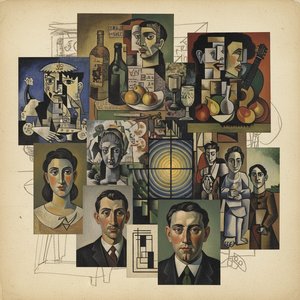
Cubismo: I 10 Capolavori Che Hanno Rivoluzionato l'Arte Moderna | TopImpressionists
Esplora i 10 capolavori del Cubismo con TopImpressionists. Scopri Picasso, Braque e Gris e la rivoluzione artistica delle forme geometriche e dei colori audaci. Quadri iconici per decorare casa con stile! Esplora la collezione online.

Cubism Unveiled: How Picasso and Braque Redefined Reality Through Geometric Abstraction
Explore the revolutionary world of Cubism. Discover how masters Pablo Picasso and Georges Braque dismantled reality through geometric abstraction to redefine modern art history.
Esplora le opere d'arte organizzate per temi, stili e caratteristiche.


