


 Anteprima in scala reale
 Condividi
 Condividi
 Dettagli
 Guida
Guida

 Scarica
 Articoli simili
 Radiografia
 Slideshow
 Statistiche
Il clarinetista


Pablo Picasso's 'Il clarinetista', realizzato nel 1911, è un capolavoro del Cubismo analitico che esplora la figura di un musicista attraverso forme geometriche rivoluzionarie e tonalità evocative.
 Leggi tutto
Scopri Pablo Picasso: il genio del Cubismo e delle avanguardie! Esplora i periodi Blu e Rosa, Guernica e l'impatto rivoluzionario sulla storia dell'arte moderna.
Giclée / Stampe d'arte
Stampa giclée o su tela di qualità museale, con produzione rapida e diverse opzioni di finitura. ( Ordina la riproduzione dipinta a mano Passa all'immagine digitale)




P118B $10

P118H $10

P118W $10

P438Z $10

P508JH $12

P508YH $12

P805H $10

P805Z $10

P919BZ $10

P919G $10

P919XJ $10

P959ZH $10

P968JZ $12

W106C $8

W218G $10

W218JH $8

W218Y $10

W307PJ $10

W316G $10

W316PJ $8

W316Y $10

W398PJ $8

W4111J $10

W500HY $15

W500JH $15

W692G $12

W849H $8

W940BG $15

W953PJ $8




Standard
personalizzato
CM
INCH
Scegli tra le nostre dimensioni predefinite, che rispettano le proporzioni originali dell'opera d'arte.
Loading sizes...

larghezza
altezza
È possibile inserire dimensioni personalizzate per adattare l'opera a una cornice o a uno spazio specifico. Se la dimensione selezionata non corrisponde alle proporzioni dell'immagine originale, procederemo al ritaglio dell'opera o all'estensione dell'immagine con un bordo specchiato o a tinta unita. Un mockup digitale ti verrà inviato per approvazione prima dell'inizio della produzione.
Si prega di notare che l'anteprima a schermo non riflette il ritaglio o l'estensione effettivi. Solo il mockup mostrerà accuratamente la composizione finale.
Sebbene siano disponibili dimensioni personalizzate, si raccomanda di selezionare una dimensione dall'elenco predefinito per preservare le proporzioni originali.
Consegna in tutto il mondo () in 2 settimane invece delle normali 4/5 settimane. (24 Settembre)

Spedizione espressa gratuita in tutto il mondo

Tela in lino di alta qualità

Assicurazione completa sulla spedizione

Garanzia di rimborso dei dazi doganali

Garanzia di perfetta fedeltà cromatica

Politica di reso entro 100 giorni (solo per difetti di fabbricazione)

Garanzia di rimborso al 100%

Sconto per acquisti multipli
 L'opzione vetro è disponibile solo per dimensioni inferiori a 110 cm

Il clarinetista
Giclée / Stampe d'arte
Dimensioni della riproduzione
-


Prezzo totale
$ 69
Pablo Picasso: Un Artista Rivoluzionario
Pablo Ruiz y Picasso, nato il 25 ottobre 1881 a Málaga, in Spagna, dimostrò un talento artistico fin dalla tenerissima età. Suo padre, José Ruiz y Blasco, era un insegnante d'arte che fornì al figlio una formazione precoce. Si dice che le prime parole di Picasso fossero “piz, piz”, nel tentativo di pronunciare “matita”. Picasso superò rapidamente le capacità del padre, mostrando una notevole abilità nelle rappresentazioni naturalistiche. La famiglia si trasferì ad A Coruña e successivamente a Barcellona dopo la tragica perdita della sorella di Picasso. A Barcellona frequentò la Scuola di Belle Arti, ma entrò spesso in conflitto con l'istruzione accademica tradizionale. Studiò brevemente presso la Real Academia de Bellas Artes de San Fernando a Madrid, trovandola soffocante e preferendo studiare maestri come Velázquez e Gola in modo indipendente. Questo spirito ribelle avrebbe definito l'intero suo percorso artistico.Il Periodo Blu: Emozione e Malinconia
Le prime opere di Picasso sono caratterizzate da una tavolozza cupa, dominata da blu e verdi, colori che l'artista descrisse celebremente come “il colore del dolore”. Questi dipinti riflettono la profonda empatia dell'artista verso le figure emarginate, in particolare minatori e mendicanti, catturando la loro vulnerabilità e disperazione con un'onestà incrollabile. Il Periodo Blu esemplifica l'impegno di Picasso nel ritrarre la sofferenza umana con sensibilità e profondità psicologica.Cubismo Analitico: Decostruire la Realtà
Il Clarinetista incarna i principi fondamentali del Cubismo Analitico, uno stile che Picasso ha anticipato insieme a Georges Braque. Questo approccio rivoluzionario sfidò le convenzioni artistiche tradizionali frammentando gli oggetti in forme geometriche — cubi, sfere, cilindri — e presentando simultaneamente molteplici prospettive. Le immagini risultanti sono intellettualmente stimolanti e visivamente complesse, richiedendo un'osservazione attenta per decifrare le loro profondità nascoste.Innovazione Compositiva: Armonia Geometrica
La composizione piramidale del dipinto è meticolosamente strutturata, guidando l'occhio dello spettatore verso la figura centrale del clarinetista. Picasso impiega abilmente forme geometriche — i tasti del pianoforte verticale, le superfici inclinate delle pareti — per creare un equilibrio armonioso tra forma e spazio. Questa disposizione deliberata sottolinea la maestria dell'artista nel linguaggio visivo e il suo desiderio di trasmettere un senso di stabilità in mezzo all'apparente frammentazione.Contesto Storico: Un Punto di Svolta nella Storia dell'Arte
Creato durante la fase di sperimentazione di Picasso con il Cubismo, Il Clarinetista segna un momento cruciale nella storia dell'arte, una rottura decisiva con l'Impressionismo e l'Espressionismo. L'opera riflette le correnti intellettuali più ampie del tempo, alimentate dai progressi della matematica e della scienza, mentre gli artisti cercavano nuovi modi per rappresentare la realtà oltre la mera apparenza visiva. Questo dipinto si erge come testimonianza dell'ambizione visionaria di Picasso e della sua eredità duratura come una delle figure più influenti dell'arte moderna.Risonanza Simbolica: Musica e Riflessione
L'inclusione degli orologi — uno posizionato sulla parete sinistra e un altro più vicino al centro — aggiunge uno strato di significato simbolico, accennando a temi legati al tempo, alla memoria e alla contemplazione. Il clarinet stesso rappresenta l'espressione musicale e la creatività artistica, rispecchiando la incessante ricerca di innovazione di Picasso. Insieme, questi elementi contribuiscono al profondo impatto emotivo del dipinto, invitando gli spettatori a impegnarsi in un dialogo con il suo linguaggio visivo e le sue complessità intellettuali.- Poet di Pablo Picasso
- Clarinetto di Pablo Picasso
Biografia dell'artista
Pablo Picasso: Un Artista Rivoluzionario
Primi Anni di Vita e Formazione (1881-1904)
- Nato il 25 ottobre 1881 a Málaga, in Spagna, Pablo Ruiz y Picasso dimostrò un talento artistico fin da piccolissimo.
- Suo padre, José Ruiz y Blasco, era un insegnante d'arte che gli fornì una formazione precoce. Si dice che le prime parole di Picasso fossero “piz, piz” – cercando di dire ‘matita’.
- Picasso superò rapidamente le capacità del suo padre, mostrando un’abilità notevole nelle rappresentazioni naturalistiche.
- La famiglia si trasferì a A Coruña e successivamente a Barcellona dopo la tragica perdita della sorella di Picasso.
- A Barcellona, frequentò la Scuola d'Arti Visive ma spesso entrò in conflitto con le istruzioni accademiche tradizionali. Studiò brevemente alla Royal Academy of San Fernando a Madrid, trovandola soffocante e preferendo studiare i maestri come Velázquez e Goya in modo indipendente.
Il Periodo Blu e Rosa (1901-1906)
- Il Periodo Blu (circa 1901-1904) è caratterizzato da dipinti malinconici dominati da sfumature di blu e verde acqua.
- Questi lavori raffigurano spesso figure emarginate – mendicanti, ciechi, prostitute – riflettendo malinconia e commento sociale. Esempi chiave includono La Vie (1903) e L'Oldista (1903-1904).
- Successivamente, il Periodo Rosa (1904-1906) emerse con tonalità più calde – rosa, arancione e rosso.
- Questo periodo riflette una prospettiva più ottimista, spesso ritraendo artisti di circo, harlequini e acrobati. Famiglia dei Saltimbanchi (1905) ne è un esempio.
Gli Anni Rivoluzionari: Cubismo e Oltre (1907-1919)
- Il 1907 ha segnato un momento cruciale con Les Demoiselles d'Avignon, influenzato dalla scultura iberica e dalle maschere africane. Questo dipinto infranse la prospettiva tradizionale, aprendo la strada al Cubismo.
- Lavorando a stretto contatto con Georges Braque, Picasso co-fondò il Cubismo, trasformando radicalmente il modo in cui gli artisti rappresentavano la realtà.
- Cubismo Analitico (1909-1912) presentava forme frammentate, colori tenui e una dissezione degli oggetti in forme geometriche.
- Cubismo Sintetico (1912-1919) incorporava elementi di collage – ritagli di giornale, stracci – per creare superfici testurizzate e nuovi livelli visivi.
Neoclassicismo e Surrealismo (Anni '20 - Anni '30)
- Gli anni '20 hanno visto Picasso esplorare stili neoclassici con figure monumentali che enfatizzavano le forme classiche.
- Ha anche interagito con il movimento surrealista, pur non allineandosi pienamente ai suoi principi. La sua opera ha combinato stili precedenti con immagini surrealiste e prospettive distorte.
Anni Successivi e Eredità (1940-1973)
- Durante la Seconda Guerra Mondiale, Picasso è rimasto in Francia, producendo dichiarazioni anti-guerra potenti come Guernica (1937), una risposta viscera al bombardamento di Guernica durante la guerra civile spagnola.
- Guernica è diventata un simbolo duraturo degli orrori della guerra e rimane uno dei suoi lavori più celebrati.
- Nel corso degli anni '50 e '60, Picasso ha continuato a sperimentare con vari mezzi – ceramiche, sculture, stampe – dimostrando una versatilità notevole.
- Si è sposato con Jacqueline Roque nel 1961. È morto il 8 aprile 1973 a Mougins, in Francia.
Influenze e Significato Storico
- Lo sviluppo artistico di Picasso fu plasmato da maestri spagnoli come Velázquez e Goya, dalla scultura iberica, dall'arte africana e da Henri Matisse.
- Il suo impatto sull'arte del XX secolo è incommensurabile. Ha co-fondato il Cubismo, ha pionieristicamente utilizzato collage e sculture costruite e ha costantemente sfidato le convenzioni artistiche.
- L'incessante sperimentazione di Picasso ha ridefinito l'arte moderna e continua a ispirare gli artisti oggi.
- La sua produzione prolifica – stimata in oltre 50.000 opere – consolida la sua posizione come uno degli artisti più importanti e influenti della storia.

Pablo Picasso
1881 - 1973 , Spagna
Informazioni rapide
- Artisti Che Hanno Influenzato Questo Artista:
- Velázquez
- Goya
- Henri Matisse
- Data Di Morte: 8 aprile 1973
- Data Di Nascita: 25 ottobre 1881
- Luogo Di Nascita: Malaga, Spagna
- Movimento Artistico: Cubismo, Surrealismo
- Nazionalità: Spagnola
- Nome Completo: Pablo Ruiz y Picasso
- Opere Notevoli:
- Les Demoiselles d'Avignon
- Guernica
- La Vie
- L'Oldista
- Famiglia dei Saltimbanchi
Articoli correlati

Pablo Picasso: Rivoluzione Cubista, Simbolismo e un'Eredità Duratura nell'Arte Moderna
Esplora la rivoluzione artistica di Pablo Picasso e il Cubismo con TopImpressionists. Scopri le origini, l'evoluzione stilistica e l'eredità duratura del maestro spagnolo. Guide all'acquisto e valutazione per collezionisti esperti.

I 10 Capolavori Cubisti che Hanno Rivoluzionato il Ritratto | TopImpressionists
Esplora i 10 capolavori cubisti che hanno rivoluzionato il ritratto! Scopri Picasso, Braque e Gris e la storia di questo movimento artistico. Trova riproduzioni d'arte di alta qualità per decorare casa con stile su TopImpressionists.com.

Cubism Unveiled: How Picasso and Braque Redefined Reality Through Geometric Abstraction
Explore the revolutionary world of Cubism. Discover how masters Pablo Picasso and Georges Braque dismantled reality through geometric abstraction to redefine modern art history.

Cubismo Espressivo: 10 Capolavori che Hanno Definito un Movimento Artistico Rivoluzionario
Esplora i 10 capolavori del Cubismo Espressivo con TopImpressionists.com! Scopri Picasso, Braque e Gris, la storia di questo rivoluzionario movimento artistico e lasciati ispirare per decorare casa con arte di alta qualità. Esplora la collezione online!
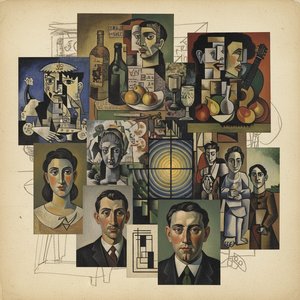
Cubismo: I 10 Capolavori Che Hanno Rivoluzionato l'Arte Moderna | TopImpressionists
Esplora i 10 capolavori del Cubismo con TopImpressionists. Scopri Picasso, Braque e Gris e la rivoluzione artistica delle forme geometriche e dei colori audaci. Quadri iconici per decorare casa con stile! Esplora la collezione online.
Esplora le opere d'arte organizzate per temi, stili e caratteristiche.


