


 Anteprima in scala reale
 Condividi
 Condividi
 Dettagli
 Guida
Guida

 Scarica
 Articoli simili
 Radiografia
 Slideshow
 Statistiche
La Donna Piangente
 Acrilico su tela
- Opere da parete
- Cubist Surrealism
 1937
1937- Modernismo
 60.0 x 49.0 cm
"La Donna Piangente": Un potente dipinto surrealista di Picasso del 1937 che cattura l'angoscia emotiva attraverso forme distorte e colori vibranti, simbolo della sofferenza umana e un punto chiave nella storia dell'arte moderna."
 Leggi tutto
Scopri Pablo Picasso: il genio del Cubismo e delle avanguardie! Esplora i periodi Blu e Rosa, Guernica e l'impatto rivoluzionario sulla storia dell'arte moderna.
Giclée / Stampe d'arte
Stampa giclée o su tela di qualità museale, con produzione rapida e diverse opzioni di finitura. ( Ordina la riproduzione dipinta a mano Passa all'immagine digitale)




P118B $10

P118H $10

P118W $10

P438Z $10

P508JH $12

P508YH $12

P805H $10

P805Z $10

P919BZ $10

P919G $10

P919XJ $10

P959ZH $10

P968JZ $12

W106C $8

W218G $10

W218JH $8

W218Y $10

W307PJ $10

W316G $10

W316PJ $8

W316Y $10

W398PJ $8

W4111J $10

W500HY $15

W500JH $15

W692G $12

W849H $8

W940BG $15

W953PJ $8




Standard
personalizzato
CM
INCH
Scegli tra le nostre dimensioni predefinite, che rispettano le proporzioni originali dell'opera d'arte.
Loading sizes...

larghezza
altezza
È possibile inserire dimensioni personalizzate per adattare l'opera a una cornice o a uno spazio specifico. Se la dimensione selezionata non corrisponde alle proporzioni dell'immagine originale, procederemo al ritaglio dell'opera o all'estensione dell'immagine con un bordo specchiato o a tinta unita. Un mockup digitale ti verrà inviato per approvazione prima dell'inizio della produzione.
Si prega di notare che l'anteprima a schermo non riflette il ritaglio o l'estensione effettivi. Solo il mockup mostrerà accuratamente la composizione finale.
Sebbene siano disponibili dimensioni personalizzate, si raccomanda di selezionare una dimensione dall'elenco predefinito per preservare le proporzioni originali.
Consegna in tutto il mondo () in 2 settimane invece delle normali 4/5 settimane. (25 Settembre)

Spedizione espressa gratuita in tutto il mondo

Tela in lino di alta qualità

Assicurazione completa sulla spedizione

Garanzia di rimborso dei dazi doganali

Garanzia di perfetta fedeltà cromatica

Politica di reso entro 100 giorni (solo per difetti di fabbricazione)

Garanzia di rimborso al 100%

Sconto per acquisti multipli
 L'opzione vetro è disponibile solo per dimensioni inferiori a 110 cm

La Donna Piangente
Giclée / Stampe d'arte
Dimensioni della riproduzione
-


Prezzo totale
$ 69
Crying Woman: A Surrealist Icon of Suffering
The Crying Woman stands as one of Pablo Picasso’s most poignant and enduring creations, born from the crucible of wartime trauma and embodying the profound anxieties of his time. Painted in 1937, this monumental canvas—measuring 60 x 49 cm—immediately captivated audiences with its arresting visual language and unsettling psychological depth. It resides within the Museo Picasso di Barcelona, a testament to Picasso’s legacy as a visionary artist who dared to confront the darkest aspects of human experience.Artistic Style and Composition
Picasso's masterful manipulation of form and color characterizes this work definitively as Surrealist. Departing from traditional representational conventions, he employs distorted perspectives and fragmented planes—a hallmark of Cubism’s analytical phase—to convey a sense of disorientation and emotional turmoil. The central figure dominates the composition, rendered in muted yellows and reds that evoke an atmosphere of faded grandeur and melancholic remembrance. Her face is grotesquely exaggerated, reflecting Picasso's deliberate rejection of idealized beauty, prioritizing instead the expression of raw emotion. The inclusion of a hat—a symbol of femininity and vulnerability—further emphasizes the woman’s plight. Notably, Picasso meticulously crafted the image using a technique that blends oil paint on canvas with collage elements, adding textural richness and reinforcing the artwork’s unsettling visual impact.Symbolism and Interpretation
The Crying Woman transcends mere depiction; it functions as a powerful emblem of grief, despair, and psychological anguish. The woman’s gaping mouth—a deliberate distortion—represents the inability to articulate profound sorrow, while her anguished gaze conveys an overwhelming sense of vulnerability. The piece of paper clutched in her hand is interpreted as representing a message or letter—perhaps conveying news of loss or suffering—further amplifying the artwork's emotional resonance. Picasso’s artistic intention was not simply to portray sadness but to provoke contemplation on the human condition, confronting viewers with uncomfortable truths about pain and vulnerability.Historical Significance
Created in response to the bombing of Guernica by Nazi Germany during the Spanish Civil War, this painting serves as a searing indictment of violence and inhumanity. Picasso’s decision to eschew color—opting for monochrome hues—was deliberate, mirroring the starkness of photographic documentation of the event and intensifying the artwork's emotional impact. The painting’s placement within the Museo Reina Sofía underscores its importance as a cornerstone of 20th-century art history, demonstrating Picasso’s unwavering commitment to artistic innovation and his profound engagement with social and political issues. Its influence extends far beyond the realm of visual arts, inspiring artists and thinkers alike to grapple with themes of trauma and resilience.Relevance and Legacy
The Crying Woman continues to resonate powerfully with audiences today, prompting discussions about art’s capacity to convey emotion and challenge perceptions of reality. Its enduring fame testifies to Picasso's genius in capturing the complexities of human experience—a feat achieved through masterful technique and a fearless exploration of psychological depth. Reproductions of this masterpiece are available at TopImpressionists.com, allowing enthusiasts worldwide to appreciate its beauty and contemplate its profound symbolism.Biografia dell'artista
Pablo Picasso: Un Artista Rivoluzionario
Primi Anni di Vita e Formazione (1881-1904)
- Nato il 25 ottobre 1881 a Málaga, in Spagna, Pablo Ruiz y Picasso dimostrò un talento artistico fin da piccolissimo.
- Suo padre, José Ruiz y Blasco, era un insegnante d'arte che gli fornì una formazione precoce. Si dice che le prime parole di Picasso fossero “piz, piz” – cercando di dire ‘matita’.
- Picasso superò rapidamente le capacità del suo padre, mostrando un’abilità notevole nelle rappresentazioni naturalistiche.
- La famiglia si trasferì a A Coruña e successivamente a Barcellona dopo la tragica perdita della sorella di Picasso.
- A Barcellona, frequentò la Scuola d'Arti Visive ma spesso entrò in conflitto con le istruzioni accademiche tradizionali. Studiò brevemente alla Royal Academy of San Fernando a Madrid, trovandola soffocante e preferendo studiare i maestri come Velázquez e Goya in modo indipendente.
Il Periodo Blu e Rosa (1901-1906)
- Il Periodo Blu (circa 1901-1904) è caratterizzato da dipinti malinconici dominati da sfumature di blu e verde acqua.
- Questi lavori raffigurano spesso figure emarginate – mendicanti, ciechi, prostitute – riflettendo malinconia e commento sociale. Esempi chiave includono La Vie (1903) e L'Oldista (1903-1904).
- Successivamente, il Periodo Rosa (1904-1906) emerse con tonalità più calde – rosa, arancione e rosso.
- Questo periodo riflette una prospettiva più ottimista, spesso ritraendo artisti di circo, harlequini e acrobati. Famiglia dei Saltimbanchi (1905) ne è un esempio.
Gli Anni Rivoluzionari: Cubismo e Oltre (1907-1919)
- Il 1907 ha segnato un momento cruciale con Les Demoiselles d'Avignon, influenzato dalla scultura iberica e dalle maschere africane. Questo dipinto infranse la prospettiva tradizionale, aprendo la strada al Cubismo.
- Lavorando a stretto contatto con Georges Braque, Picasso co-fondò il Cubismo, trasformando radicalmente il modo in cui gli artisti rappresentavano la realtà.
- Cubismo Analitico (1909-1912) presentava forme frammentate, colori tenui e una dissezione degli oggetti in forme geometriche.
- Cubismo Sintetico (1912-1919) incorporava elementi di collage – ritagli di giornale, stracci – per creare superfici testurizzate e nuovi livelli visivi.
Neoclassicismo e Surrealismo (Anni '20 - Anni '30)
- Gli anni '20 hanno visto Picasso esplorare stili neoclassici con figure monumentali che enfatizzavano le forme classiche.
- Ha anche interagito con il movimento surrealista, pur non allineandosi pienamente ai suoi principi. La sua opera ha combinato stili precedenti con immagini surrealiste e prospettive distorte.
Anni Successivi e Eredità (1940-1973)
- Durante la Seconda Guerra Mondiale, Picasso è rimasto in Francia, producendo dichiarazioni anti-guerra potenti come Guernica (1937), una risposta viscera al bombardamento di Guernica durante la guerra civile spagnola.
- Guernica è diventata un simbolo duraturo degli orrori della guerra e rimane uno dei suoi lavori più celebrati.
- Nel corso degli anni '50 e '60, Picasso ha continuato a sperimentare con vari mezzi – ceramiche, sculture, stampe – dimostrando una versatilità notevole.
- Si è sposato con Jacqueline Roque nel 1961. È morto il 8 aprile 1973 a Mougins, in Francia.
Influenze e Significato Storico
- Lo sviluppo artistico di Picasso fu plasmato da maestri spagnoli come Velázquez e Goya, dalla scultura iberica, dall'arte africana e da Henri Matisse.
- Il suo impatto sull'arte del XX secolo è incommensurabile. Ha co-fondato il Cubismo, ha pionieristicamente utilizzato collage e sculture costruite e ha costantemente sfidato le convenzioni artistiche.
- L'incessante sperimentazione di Picasso ha ridefinito l'arte moderna e continua a ispirare gli artisti oggi.
- La sua produzione prolifica – stimata in oltre 50.000 opere – consolida la sua posizione come uno degli artisti più importanti e influenti della storia.

Pablo Picasso
1881 - 1973 , Spagna
Informazioni rapide
- Artisti Che Hanno Influenzato Questo Artista:
- Velázquez
- Goya
- Henri Matisse
- Data Di Morte: 8 aprile 1973
- Data Di Nascita: 25 ottobre 1881
- Luogo Di Nascita: Malaga, Spagna
- Movimento Artistico: Cubismo, Surrealismo
- Nazionalità: Spagnola
- Nome Completo: Pablo Ruiz y Picasso
- Opere Notevoli:
- Les Demoiselles d'Avignon
- Guernica
- La Vie
- L'Oldista
- Famiglia dei Saltimbanchi
Articoli correlati

Pablo Picasso: Rivoluzione Cubista, Simbolismo e un'Eredità Duratura nell'Arte Moderna
Esplora la rivoluzione artistica di Pablo Picasso e il Cubismo con TopImpressionists. Scopri le origini, l'evoluzione stilistica e l'eredità duratura del maestro spagnolo. Guide all'acquisto e valutazione per collezionisti esperti.

Mastering Cubism: An Essential Guide to the Revolutionary Artworks of Pablo Picasso
Explore the profound evolution of Cubism through an expert analysis of Pablo Picasso's revolutionary works. From Analytical to Synthetic Cubism, discover the techniques that redefined modern art and learn how to curate these iconic masterpieces for your private collection.

Cubismo Espressivo: 10 Capolavori che Hanno Definito un Movimento Artistico Rivoluzionario
Esplora i 10 capolavori del Cubismo Espressivo con TopImpressionists.com! Scopri Picasso, Braque e Gris, la storia di questo rivoluzionario movimento artistico e lasciati ispirare per decorare casa con arte di alta qualità. Esplora la collezione online!
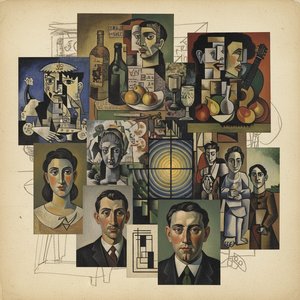
Cubismo: I 10 Capolavori Che Hanno Rivoluzionato l'Arte Moderna | TopImpressionists
Esplora i 10 capolavori del Cubismo con TopImpressionists. Scopri Picasso, Braque e Gris e la rivoluzione artistica delle forme geometriche e dei colori audaci. Quadri iconici per decorare casa con stile! Esplora la collezione online.

I 10 Capolavori Cubisti che Hanno Rivoluzionato il Ritratto | TopImpressionists
Esplora i 10 capolavori cubisti che hanno rivoluzionato il ritratto! Scopri Picasso, Braque e Gris e la storia di questo movimento artistico. Trova riproduzioni d'arte di alta qualità per decorare casa con stile su TopImpressionists.com.
Esplora le opere d'arte organizzate per temi, stili e caratteristiche.


