

 Anteprima in scala reale
 Invia
Invia Condividi
 Dettagli opera
 Guida
Guida

 Scarica
 Simili
 Radiografia
 Slideshow
 Domande e risposte
 Statistiche
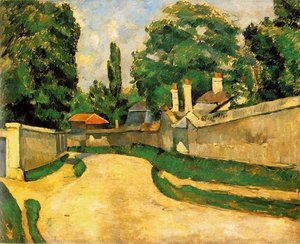
Case alla L'Estaque


Scopri ‘Case alla L'Estaque’ di Paul Cézanne! Questo capolavoro post-impressionista cattura la bellezza serena della Provenza con colori vibranti e pennellate delicate. Un classico dell'arte moderna.
 Espandi i dettagli
Il maestro post-impressionista Paul Cézanne unì Impressionismo e Cubismo con il Mont Sainte-Victoire. Scopri oggi le sue opere rivoluzionarie.
Giclée / Stampe d'arte
Stampa giclée o su tela di qualità museale, con produzione rapida e diverse opzioni di finitura. ( Acquista il dipinto realizzato a mano Passa all'immagine digitale)




P118B €10

P118H €10

P118W €10

P438Z €10

P508JH €12

P508YH €12

P805H €10

P805Z €10

P919BZ €10

P919G €10

P919XJ €10

P959ZH €10

P968JZ €12

W106C €8

W218G €10

W218JH €8

W218Y €10

W307PJ €10

W316G €10

W316PJ €8

W316Y €10

W398PJ €8

W4111J €10

W500HY €15

W500JH €15

W692G €12

W849H €8

W940BG €15

W953PJ €8




Formato standard
su misura
CM
INCH
Scegli tra le nostre dimensioni predefinite, che rispettano le proporzioni originali dell'opera d'arte.
Loading sizes...

larghezza
altezza
Inserisci la larghezza e l'altezza desiderate, per adattarle alla tua cornice o alla tua parete. Una stampa può essere solo ritagliata, mai resa più grande dell'immagine originale; pertanto, un formato con una forma differente comporterà la perdita di una parte dell'opera. Ti invieremo un mockup digitale da approvare prima di procedere con la stampa. L'immagine mostrata in questa pagina non rappresenta il ritaglio reale — solo il mockup lo mostra.
Consegna in tutto il mondo () in 2 settimane invece delle normali 4/5 settimane. (9 Novembre)

Spedizione espressa gratuita in tutto il mondo

Tela in lino di alta qualità

Assicurazione completa sulla spedizione

Garanzia di rimborso dei dazi doganali

Garanzia di fedeltà cromatica assoluta

Politica di reso entro 100 giorni (solo per difetti di fabbricazione)

Garanzia di rimborso al 100%

Offerta per acquisti multipli
 L'opzione vetro è disponibile solo per dimensioni inferiori a 110 cm

Case alla L'Estaque
Giclée / Stampe d'arte
Dimensioni riproduzione
-


Prezzo finale calcolato
€ 62
The Painting
“Houses at the L'Estaque,” painted by Paul Cézanne in 1880, is a cornerstone of Post-Impressionist art—a testament to the movement’s radical departure from Impressionistic conventions.
This oil on canvas masterpiece captures the serene beauty of houses nestled into a hillside against a backdrop of azure sky. Two buildings dominate the scene, one larger than the other, positioned strategically before a mountainous panorama. Scattered trees punctuate the landscape, adding to its tranquil charm and reinforcing Cézanne’s fascination with capturing natural forms.
Cézanne's artistic vision prioritized structure and solidity over fleeting impressions. He achieved this through meticulous layering of brushstrokes—small, deliberate marks that coalesce into planes of color—creating a complex visual tapestry that draws the viewer inward.
Artistic Elements
The painting exudes an atmosphere of profound harmony with nature. Cézanne’s masterful use of color—primarily blues and greens—evokes feelings of calmness and contemplation. Furthermore, he employs geometric forms—particularly cubes and cones—to represent architectural elements and natural contours, reflecting the influence of Cubism.
A solitary figure appears in the center of the composition, subtly enhancing the scene’s contemplative mood. This element invites viewers to consider the relationship between human presence and the grandeur of the landscape.
Artistic Influence
Paul Cézanne stands as a pivotal figure bridging the gap between Impressionism and Cubism—a true innovator who fundamentally reshaped artistic perception.
His groundbreaking approach profoundly impacted subsequent avant-garde movements, notably Proto-Cubism. Artists like Georges Braque and Pablo Picasso embraced Cézanne’s techniques of simplification and geometric abstraction, paving the way for the revolutionary aesthetic of Cubism itself.
Proto-Cubism
Proto-Cubism emerged as a reaction against Impressionistic subjectivity, prioritizing structural representation over optical illusion. Artists experimented with fragmented forms—often depicted in multiple perspectives—to reveal the underlying geometry of objects and spaces.
Figures like Georges Braque, Pablo Picasso, Juan Gris, Jean Metzinger, Albert Gleizes, Henri Le Fauconnier, Robert Delaunay, Fernand Léger, and others pushed the boundaries of artistic expression, anticipating the radical transformations that would characterize Cubism.
Les Peintres Cubistes
Guillaume Apollinaire’s seminal book Les Peintres Cubistes, Méditations Esthétiques offers invaluable insight into the genesis and aesthetic principles of Cubism.
The book features striking photographs documenting key artworks by prominent Cubist artists—a visual chronicle of this transformative artistic movement. Apollinaire’s text delves into philosophical considerations concerning art's role in conveying experience and reshaping our understanding of reality.
Conclusion
Houses at L'Estaque by Paul Cézanne remains an enduring masterpiece—a symbol of Post-Impressionism’s unwavering commitment to artistic innovation.
Its serene landscape, meticulously constructed forms, and understated color palette encapsulate Cézanne's pioneering vision. This painting serves as a powerful testament to his influence on modern art and his indelible contribution to the birth of Cubism—a legacy that continues to inspire artists and captivate audiences worldwide.
- Paul Cézanne: Houses at the L'Estaque
- Paul Cézanne on Wikipedia
- Proto-Cubism on Wikipedia
- The Cubist Painters, Aesthetic Meditations on Wikipedia
Photo Description: The painting is a beautiful depiction of houses on the side of a hillside with a blue sky above them. The scene features two buildings, one larger than the other, situated in front of a mountainous background. There are also several trees scattered throughout the landscape, adding to the natural beauty of the scene. In addition to the main structures and vegetation, there is a person visible near the center of the painting, possibly enjoying the view or going about their daily activities. The overall atmosphere of the painting conveys a sense of tranquility and harmony with nature. Size: Unknown Date: 1880
Domande e risposte
Dove si consiglia di esporre il formato Orizzontale di "Case alla L'Estaque"?
Con il suo formato Orizzontale, una riproduzione di "Case alla L'Estaque" è ideale per un Zona living.
Dove posso trovare opere d'arte simili a "Case alla L'Estaque" di Paul Cézanne?
Le opere simili a "Case alla L'Estaque" sono elencate nella pagina Opere simili dell'opera.
Dove e per quale uso è consigliata "Case alla L'Estaque"?
"Case alla L'Estaque" è ideale per Accento cromatico e si adatta perfettamente a un Zona living.
Opere simili



Biografia dell'artista
La giovinezza di Paul Cézanne
Nato il 19 gennaio 1839, al numero 28 di rue de l'Opéra ad Aix-en-Provence, Paul Cézanne entrò in un mondo dominato da un ordine consolidato. Suo padre, Louis-Auguste Cézanne, era un uomo di grande prestigio locale, avendone co-fondato la società bancaria Banque Cézanne et Cabassol. Questa stabilità finanziaria fornì uno scenario sicuro per la famiglia, che comprendeva Paul e le sue due sorelle minori, Marie e Rose. La quiete di un'infanzia provinciale si contrapponeva nettamente all'impulso creativo inquieto che, col tempo, avrebbe definito l'intera sua esistenza.
La sua formazione ufficiale ebbe inizio alla scuola Saint Joseph di Aix all'età di dieci anni. Frequentò in seguito il Collège Bourbon, percorrendo i percorsi accademici strutturati che la società si aspettava da un giovane della sua condizione sociale. Entro il 1859, il peso delle aspettative familiari lo spinse a iscriversi alla facoltà di giurisprudenza dell'Università di Aix-en-Provence. Trascorse due anni tentando di padroneggiare il diritto, ma i testi legali non gli offrirono alcuna risonanza interiore. Nel 1860, prese la decisione decisiva di abbandonare gli studi giuridici, rivolgendo la sua attenzione interamente verso la ricerca della pittura.
Formazione Artistica e Primi Anni
Il cammino verso la conquista di un linguaggio visivo così distintivo ebbe inizio tra le aule di Aix-en-Provence. Mentre le ambizioni di suo padre erano rivolte verso il mondo del diritto, il giovane artista trovò la propria strada sotto la guida di Joseph Gibert presso la Scuola Comunale di Disegno. Fu un periodo caratterizzato da una disciplina costante e da un'osservazione meticolosa; già nel 1859, la sua perizia tecnica divenne evidente quando si aggiudicò il secondo premio nel corso di studi della figura scolastica. Questo solido fondamento accademico proseguì presso l'École de dessin d'Aix-en-Provence, situata all'interno del Musée Granet, dove affinò la sua capacità di trasporre le forme tridimensionali sulla superficie piatta della tela.
Il trasferimento a Parigi nel 1862 segnò un'epoca fatta di lotte interiori e, al contempo, di un'essenziale esposizione culturale. Il rifiuto da parte dell'École des Beaux-Arts rappresentò un duro colpo, eppure fu proprio questo intoppo a condurlo all'Académie Suisse, permettendogli di proseguire il proprio sviluppo artistico lontano dai rigidi vincoli dell'accademia ufficiale. Durante questi anni formativi, trovò impiego come copista al Louvre. Questa posizione gli permise di studiare i grandi maestri del passato a stretto contatto, assorbendo la gravità e la struttura delle composizioni classiche che, in seguito, avrebbero profondamente influenzato il suo approccio unico verso il mondo naturale.
Tecnica e Stile Artistico
Gli albori della sua pratica artistica furono caratterizzati da una pennellata densa ed espressiva e da una predilezione per tavolozze cromatiche scure. In questo periodo, l'opera di Paul Cézanne tendeva verso le sensibilità drammatiche del Romanticismo e le tradizioni paesaggistiche della scuola di Barbizon. Attraversò queste fasi più cupe ed emotive prima di giungere a un modo di vedere più disciplinato e analitico. Il suo obiettivo era svelare la struttura permanente celata all'interno del mondo naturale, guardando oltre gli effetti fugaci della luce per rintracciare la geometria sottostante dell'esistenza. Per lui, una montagna o un semplice frutto erano composti da forme fondamentali: il cono, la sfera e il cilindro.
Questa ricerca della struttura lo condusse verso un metodo costruttivo estremamente specifico. Egli abbandonò l'uso tradizionale di chiaroscuro per definire il volume, optando invece per la modulazione del colore. Sovrapponendo piccole pennellate ripetitive, costruì piani di colore che formavano campi complessi e tattili. Questa tecnica gli permise di stabilire un senso di massa e di peso attraverso la sola tonalità. Si allontanò inoltre dai vincoli della prospettiva classica a punto unico: nelle sue composizioni, gli oggetti mantengono spesso una presenza indipendente all'interno dello spazio, permettendo a molteplici punti di vista di coesistere su un unico piano.
- Natura morta con mele e un vaso di primule
- I giocatori di carte
- Uomo con la pipa
La serie del Mont Sainte-Victoire
La presenza calcarea del Mont Sainte-Victoire divenne una costante nella vita dell'artista, un soggetto ricorrente che ancorò la sua visione in continua evoluzione. Paul Cézanne tornò su questo monumento naturale della Provenza per tutta la sua carriera, dando vita a circa ottanta diversi dipinti e acquerelli della montagna. Si trattò di una vera e propria ricerca della struttura, un modo per tradurre la massa scoscesa, di un bianco grigiastro, in un linguaggio fatto di colore e geometria. Egli non si limitò a osservare la vetta; cercò invece di comprenderne l'ordine interno.
La sua prospettiva mutava man mano che si addentrava nel paesaggio, utilizzando tre punti di vista primari per catturare il carattere mutevole della montagna. Lavorò dalle alture di Bellevue, dalle profondità della cava di Bibemus e dalla collina di Les Lauves. Queste posizioni variegate gli permisero di esplorare come la luce e l'atmosfera alterassero il peso e il volume percepiti del rilievo. Attraverso questi diversi angoli, la montagna divenne un contenitore per i suoi esperimenti sulle relazioni spaziali e sulla costruzione della forma.
Opere Chiave e Capolavori
Gli albori della sua carriera furono segnati da una profonda ossessione per temi drammatici e spesso violenti. Tra il 1867 e il 1870, Paul Cézanne realizzò L'Assassinio, un'opera caratterizzata da uno specchio d'acqua turbolento e da un'atmosfera quasi onirica e tormentata. Questo periodo di esplorazione dell'intensità emotiva e fisica si contrapponeva nettamente alla chiarezza strutturale che avrebbe definito i suoi anni maturi. Man mano che il suo sguardo si spostava verso la permanenza della forma, i suoi soggetti divennero più radicati nella quiete della vita quotidiana e nella geometria intrinseca del mondo naturale.
Giunti gli anni Novanta, la sua pennellata si era trasformata in uno strumento essenziale per costruire il volume attraverso il colore. Nel 1893, dipinse I Giocatori di Carte, una composizione che enfatizzava con forza il peso e la presenza fisica dei suoi soggetti. Questo approccio analitico proseguì nel suo ultimo periodo, all'inizio degli anni Novanta, con l'opera Uomo con la pipa. In questo arco temporale, l'artista rivolse la sua attenzione anche alla dimensione domestica, come dimostrato da Natura morta con mele e un vaso di primule del 1890 circa, dove il colore veniva utilizzato per definire la forma senza ricorrere al tradizionale chiaroscuro. Le sue opere tardive cercavano spesso un senso di stabilità e ordine, come si evince da Château Noir, completato tra il 1903 e il 1904.
Gli ultimi anni della sua vita furono testimoni di un costante sforzo per riconciliare la figura umana con il paesaggio. Le Baigneuses, esposte per la prima volta nel 1906, rimangono un esempio significativo di questa ricerca. L'opera, su cui l'artista lavorò instancabilmente per sette anni, restò incompiuta al momento della sua morte, riflettendo un distacco deliberato dalle impressioni fugace per favorire, invece, una disposizione densa e ritmica delle forme.
Cerchia e Connessioni Artistiche
Il panorama sociale della giovinezza di Paul Cézanne era ancorato a un trio di amici inseparabili: Émile Zola, Louis Marguery e Baptistin Baille. Insieme, essi navigarono tra le correnti intellettuali del loro tempo, discutendo di arte e letteratura negli spazi condivisi della loro crescita. Sebbene i suoi primi anni fossero segnati da un certo isolamento rispetto ai canoni dominanti, il suo percorso artistico finì per intersecarsi con i mutamenti più significativi della pittura francese. In questo viaggio, trovò un mentore vitale nell'impressionista Camille Pissarro, la cui influenza aiutò a guidare la sua transizione dalle tavolozze scure e pesanti della giovinezza verso un'esplorazione più strutturata della luce e del colore.
Il suo rapporto con il vasto mondo dell'arte fu spesso un processo lento e faticoso di riconoscimento. Per molti anni, lavorò in una relativa oscurità, un periodo in cui si mosse accanto a contemporanei del calibro di Paul Gauguin e Vincent van Gogh. Fu solo nel 1895 che il mercante d'arte Ambroise Vollard organizzò la sua prima mostra personale a Parigi, un momento che portò finalmente il suo approccio rigoroso e analitico a un pubblico più vasto. Questo riconoscimento arrivò tardi in una vita definita da una testarda e solitaria devozione verso la geometria sottostante del mondo naturale.
Eredità e influenza duratura
La svolta intrapresa da Paul Cézanne allontanò l'arte dall'imitazione della realtà per condurla verso una costruzione dell'esperienza visiva basata sulla percezione e sulla struttura. Ponendo l'accento sulla forma geometrica, egli fornì le fondamenta essenziali per il movimento Cubista. Il suo approccio analitico alla natura permise agli artisti successivi di smantellare il concetto tradizionale di soggetto. Pablo Picasso e Georges Braque attinsero profondamente da questo metodo, trovando nella sua opera un modo per organizzare lo spazio attraverso il volume piuttosto che attraverso la mera luce.
La sua influenza si estese anche nel regno del colore. L'uso di tonalità audaci e non naturalistiche lasciò un'impressione profonda sui Fauves, tra cui Henri Matisse. Sia Picasso che Matisse riconobbero il peso del suo contributo, con il primo che lo definì celebremente come il padre di tutti noi. Egli non si limitò a dipingere il mondo; lo ricostruì attraverso una lente rigorosa e strutturale che cambiò radicalmente il modo in cui le generazioni successive avrebbero percepito il rapporto tra l'oggetto e lo spazio.
Dove ammirare le sue opere oggi
La presenza fisica della sua visione artistica è oggi distribuita tra diverse grandi istituzioni, permettendo allo spettatore di tracciare l'evoluzione del suo genio: dalle pennellate scure ed espressive della giovinezza, fino alla chiarezza strutturale che caratterizzò i suoi anni maturi. A New York, il Metropolitan Museum of Art custodisce una collezione significativa di 21 opere, offrendo uno sguardo approfondito sul suo sviluppo creativo. Nelle vicinanze, il Museum of Modern Art di New York ospita 6 opere, tra cui il dipinto del 1904, Chateau Noir. Queste collezioni offrono l'opportunità di osservare come l'artista si sia allontanato dalla luce fugace dei suoi contemporanei per approdare a una comprensione più permanente e geometrica del mondo naturale.
In Europa, il Musée d'Orsay a Parigi conserva 19 dei suoi dipinti, offrendo un legame profondo con la tradizione francese che egli ha saputo abbracciare e, al contempo, trasformare radicalmente. A Londra, la Courtauld Gallery detiene 9 opere, mentre la National Gallery of Art di Washington ne possiede 11. Queste istituzioni ospitano diverse fasi della sua carriera, dai primi studi sull'interazione tra luce e ombra fino alle sue ultime, intense esplorazioni della forma. Contemplare le sue opere in questi contesti significa testimoniare la stratificazione ritmica e deliberata del colore che ha definito il suo approccio unico al paesaggio e alla natura morta.
- I giocatori di carte, 1893
- Le grandi bagnanti, 1900
- Mont Sainte-Victoire vista da Les Lauves, 1904

Paul Cézanne
1839 - 1906 , Francia
Dettagli rapidi
- Artistic Movement Or Style: Post-Impressionismo
- Artists Or Movements Influenced By This Artist:
- Cubismo
- Pablo Picasso
- Georges Braque
- Fauves
- Henri Matisse
- Artists Who Influenced This Artist: ['Eugène Delacroix']
- Date Of Birth: 1839
- Date Of Death: 1906
- Full Name: Paul Cézanne
- Nationality: Francese
- Notable Artworks:
- Le Bagnanti
- Serie del Mont Sainte-Victoire
- Natura morta con mele e un vaso di primule
- Ritratto di Émile Zola
- I giocatori di carte
- Place Of Birth: Aix-en-Provence, Francia
Articoli correlati
Beyond the Light: Capturing Emotion Through the Expressive Soul of Post-Impressionism
Explore the profound emotional depth of Post-Impressionism. Discover how masters like Van Gogh and Cézanne moved beyond light to capture raw feeling through color and texture. A journey into art history for the true connoisseur.
Esplora le opere d'arte organizzate per temi, stili e caratteristiche.


