


 Anteprima in scala reale
 Condividi
 Condividi
 Dettagli
 Guida stampabile

 Scarica
 Articoli simili
 Radiografia
 Slideshow
 Statistiche
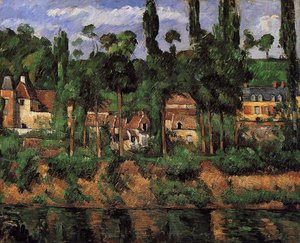
Château du Medan
 Olio su tela
- Arte da parete
- Post-Impressionism
 1880
1880- XIX Secolo
 Galleria d'Arte e Museo di Kelvingrove
Paul Cézanne's "Château du Medan" (1880) è un paesaggio postimpressionista ricco di colori vivaci e forme geometriche che cattura la tranquillità della campagna francese.
 Leggi tutto
Esplora l'arte rivoluzionaria di Paul Cézanne (1839-1906), un maestro del Post-Impressionismo che ha colmato il divario tra Impressionismo e Cubismo. Scopri le sue forme geometriche, pennellate uniche, dipinti di natura morta e il suo impatto duraturo sull'arte moderna. #Cézanne #PostImpresionismo
Giclée / Stampe d'arte
Stampa giclée o su tela di qualità museale, con produzione rapida e diverse opzioni di finitura. ( Ordina la riproduzione dipinta a mano Passa all'immagine digitale)




P118B €10

P118H €10

P118W €10

P438Z €10

P508JH €12

P508YH €12

P805H €10

P805Z €10

P919BZ €10

P919G €10

P919XJ €10

P959ZH €10

P968JZ €12

W106C €8

W218G €10

W218JH €8

W218Y €10

W307PJ €10

W316G €10

W316PJ €8

W316Y €10

W398PJ €8

W4111J €10

W500HY €15

W500JH €15

W692G €12

W849H €8

W940BG €15

W953PJ €8




Standard
personalizzato
CM
INCH
Scegli tra le nostre dimensioni predefinite, che rispettano le proporzioni originali dell'opera d'arte.
Loading sizes...

larghezza
altezza
Inserisci la larghezza e l'altezza desiderate, per adattarle alla tua cornice o alla tua parete. Una stampa può essere solo ritagliata, mai resa più grande dell'immagine originale; pertanto, un formato con una forma differente comporterà la perdita di una parte dell'opera. Ti invieremo un mockup digitale da approvare prima di procedere con la stampa. L'immagine mostrata in questa pagina non rappresenta il ritaglio reale — solo il mockup lo mostra.
Consegna in tutto il mondo () in 2 settimane invece delle normali 4/5 settimane. (24 Ottobre)

Spedizione espressa gratuita in tutto il mondo

Tela in lino di alta qualità

Assicurazione completa sulla spedizione

Garanzia di rimborso dei dazi doganali

Garanzia di perfetta fedeltà cromatica

Politica di reso entro 100 giorni (solo per difetti di fabbricazione)

Garanzia di rimborso al 100%

Sconto per acquisti multipli
 L'opzione vetro è disponibile solo per dimensioni inferiori a 110 cm

Château du Medan
Giclée / Stampe d'arte
Dimensioni della riproduzione
-


Prezzo totale
€ 61
Chateau du Medan: A Glimpse of Rural Tranquility by Paul Cézanne
Paul Cézanne’s “Château de Médan,” created in 1880, offers a serene depiction of rural life in France. The painting showcases a picturesque village scene with houses nestled on a hillside, enveloped by lush trees that provide shade and a sense of tranquility. The composition is carefully balanced; the buildings and foliage are harmoniously arranged to capture the essence of the countryside. Cézanne’s masterful use of color and light adds depth and dimensionality to the artwork, drawing the viewer into the scene.
Subject and Composition
Paul Cézanne's "Château de Médan," created in 1880, exemplifies Cézanne’s unique Post-Impressionist style, a pivotal movement that bridged Impressionism and Cubism. Cézanne was renowned for his innovative approach to art, characterized by a focus on geometric forms and a reduction of naturalistic details. In this painting, the simplified shapes of the houses and trees demonstrate this characteristic simplification. His technique involved applying paint in visible brushstrokes, creating texture and movement while subtly building form. The composition is dominated by towering poplar trees that frame the chateau, establishing a visual hierarchy that guides the eye across the canvas. Cézanne skillfully utilizes horizontal and diagonal lines to convey stability and dynamism simultaneously, reflecting the interplay between stillness and motion inherent in the natural landscape.
Artistic Style and Technique
“Château de Médan” embodies Cézanne’s distinctive Post-Impressionist aesthetic—a departure from Impressionism's fleeting impressions of light and color toward a more structured exploration of form. Cézanne’s method involved layering paint in thick impasto strokes, creating palpable texture and emphasizing the underlying structure of objects. This technique is particularly evident in the depiction of the trees and the chateau walls, where Cézanne builds up surfaces with textured brushstrokes that capture the materiality of the scene. The color palette—primarily greens, blues, and reds—is carefully considered to evoke a sense of harmony and warmth, mirroring the colors of autumn foliage and creating an inviting atmosphere.
Historical Context and Inspiration
The painting was conceived during Cézanne’s stay at Émile Zola’s summer house in Médan. This period proved crucial for Cézanne as it provided him artistic freedom and abundant opportunity for plein air (outdoor) painting—a practice championed by Impressionists like Monet and Sisley. Cézanne sought to capture the immediacy of nature, reflecting a broader trend toward realism and observation within late nineteenth-century art. Influenced by Cézanne’s fascination with Japanese prints—particularly those featuring flattened perspectives and simplified compositions—the artwork reflects a desire to transcend traditional representational conventions.
Symbolism and Emotional Impact
“Château de Médan” transcends mere visual representation, conveying subtle symbolic significance. The chateau itself symbolizes permanence and tradition, anchoring the scene in time while simultaneously suggesting an idealized vision of rural life. Surrounding it are trees—representing resilience and connection to the earth—that contribute to the painting’s tranquil mood. Cézanne's deliberate use of color and form generates a profound emotional resonance, inviting viewers to contemplate the beauty and serenity of the countryside. The artwork evokes nostalgia for simpler times and encourages contemplation on themes of harmony between humanity and nature—a sentiment that continues to resonate with audiences today.
Domande e risposte
A quale periodo della carriera di Paul Cézanne appartiene "Château du Medan"?
"Château du Medan" appartiene al Mature Period della carriera di Paul Cézanne. Questa classificazione riconduce l'opera all'evoluzione dell'artista.
Quanto è luminoso, in generale, "Château du Medan"?
La luminosità percepita di "Château du Medan" di Paul Cézanne è equilibrato. Può essere armonizzata con la luce dello spazio destinato all'opera.
Qual è il posto di "Château du Medan" di Paul Cézanne nella storia dell'arte?
La classificazione storico-artistica di "Château du Medan" di Paul Cézanne è Post-Impressionism, nel periodo XIX Secolo.
Opere correlate




Biografia dell'artista
vitae e influenze
paul cézanne, pittore post-impressionista francese, nacque il 19 gennaio 1839 ad Aix-en-Provence, Francia. La sua giovinezza fu segnata da un forte legame con la famiglia e la sua attività bancaria, che gli fornirono sicurezza finanziaria. Ciò gli permise di concentrarsi sulle sue aspirazioni artistiche senza il peso dello stress finanziario. les nabis, neo-impressionismo e simbolismo influenzarono le prime opere di Cézanne, caratterizzate dall'enfasi sulle forme geometriche e su una tavolozza cromatica limitata. Il suo interesse per le opere di paul gauguin e georges seurat ha ulteriormente consolidato il suo stile post-impressionista.stile artistico e tecniche
L'uso innovativo di Cézanne dei piani cromatici e delle piccole pennellate ripetitive creava campi complessi che esprimevano il suo intenso studio dei soggetti. Il suo approccio spesso esploratorio all’arte portò allo sviluppo di una nuova lingua pittorica, che enfatizzava la struttura sottostante degli oggetti in una composizione.- caratteristiche principali:
- forme geometriche e faccette
- tavolozza cromatica ridotta
- enfasi sull'essenza costruttiva del mondo fisico
- prospettiva multipla e simultaneità
- opere influenti:
- the pond at jas de bouffan (1880)
- portrait of emile zola (1866)
- bosco (1892)
- musei che espongono le opere di Cézanne:
- musée marmottan monet a Parigi, Francia
- the museum of fine arts a Houston, Stati Uniti
eredità e impatto
L'opera pionieristica di Cézanne nel post-impressionismo ha aperto la strada a vari movimenti d’avanguardia, tra cui il cubismo, il fauvismo e il surrealismo. La sua influenza può essere vista nelle opere di pablo picasso, henri matisse e georges braque. L'eredità di Cézanne continua a ispirare artisti ed appassionati d’arte, consolidando il suo posto come figura fondamentale nella storia dell’arte moderna.- movimenti artistici correlati:
- visualizza le opere di Cézanne:

Paul Cézanne
1839 - 1906 , Francia
Informazioni rapide
- Artisti Che Hanno Influenzato:
- Paul Gauguin
- Georges Seurat
- Artisti Influenzati:
- Pablo Picasso
- Henri Matisse
- Georges Braque
- Data Di Nascita: 19 gennaio 1839
- Luogo Di Nascita: Aix-en-Provence, Francia
- Movimento Artistico: Post-Impressionismo
- Nazionalità: Francese
- Nome Completo: Paul Cézanne
- Opere Notevoli:
- Lo stagno a Jas de Bouffan
- Ritratto di Émile Zola
- Bosco
- Grandi Bagnanti
Articoli correlati
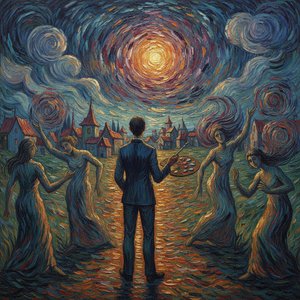
Beyond the Light: Capturing Emotion Through the Expressive Soul of Post-Impressionism
Explore the profound emotional depth of Post-Impressionism. Discover how masters like Van Gogh and Cézanne moved beyond light to capture raw feeling through color and texture. A journey into art history for the true connoisseur.
Esplora le opere d'arte organizzate per temi, stili e caratteristiche.


