


 Anteprima in scala reale
 Invia
Invia Condividi
 Dettagli opera
 Guida
Guida

 Scarica
 Simili
 Radiografia
 Slideshow
 Statistiche
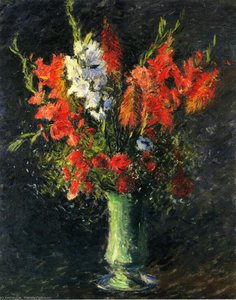
Chrysanthemums (Vase Fleuri)


Paul Cézanne's "Chrysanthemums (Vase Fleuri)" è un capolavoro postimpressionista che cattura la bellezza dei fiori con colori vibranti e una composizione innovativa, influenzando artisti come Van Gogh e Picasso. Scopri l'opera alla Collezione Bernhard Koehler Berlino.
 Espandi i dettagli
Esplora l'arte rivoluzionaria di Paul Cézanne (1839-1906), un maestro del Post-Impressionismo che ha colmato il divario tra Impressionismo e Cubismo. Scopri le sue forme geometriche, pennellate uniche, dipinti di natura morta e il suo impatto duraturo sull'arte moderna. #Cézanne #PostImpresionismo
Get a print-ready file that goes far beyond the web preview. Every digital image we sell comes from a high-resolution master in our stock database — usually 5,000 to 15,000 pixels wide — so you can print large, crop tightly, or reproduce fine detail with confidence.
No file leaves our studio untouched. A digital expert checks the colors against the original painting and corrects them if needed, then improves clarity and detail with professional retouching tools — always staying faithful to the artist's brushwork and style. The result is an image that looks like the painting, not like a filtered scan.
You approve before you're done: our expert sends the image by e-mail within 72 hours for your review. Not satisfied? Ask for improvements or corrections, or request a refund if the quality falls short.
This is the quality relied on by publishers, design studios, galleries and print shops.
Immagine Digitale
Scarica un file ad alta risoluzione per uso personale, per la stampa e per progetti creativi. ( Passa alle stampe Acquista il dipinto realizzato a mano)
Incluso in ogni ordine di immagini digitali
Consegna digitale professionale e garantita
Quando scegli TopImpressionists.com, non riceverai solo un'immagine: riceverai un'opera d'arte digitale professionalmente ottimizzata, realizzata con la massima precisione e accompagnata da una garanzia di soddisfazione. Ecco tutto ciò che include il tuo ordine, automaticamente:

Consegna rapida via email
Riceverai il file dell'immagine digitale ad alta risoluzione via email entro 72 ore dall'ordine, pronto per un uso immediato.

File digitale ottimizzato dall'IA
La tua opera d'arte viene ottimizzata professionalmente attraverso l'uso di strumenti avanzati di intelligenza artificiale e una revisione manuale, garantendo il massimo livello di dettaglio, nitidezza e accuratezza cromatica.

Riconsegna gratuita a vita
Hai eliminato o perso accidentalmente il tuo file? Non preoccuparti: te lo invieremo di nuovo in qualsiasi momento, gratuitamente.

Nessun costo di importazione, mai
Goditi la tua opera d'arte istantaneamente senza costi doganali, dazi o spese di spedizione: i download digitali sono sempre esenti da tasse.

Garanzia di fedeltà cromatica
Garantiamo che la tua immagine digitale rifletta i colori originali con la massima fedeltà, grazie all'uso di strumenti professionali e a una gestione accurata del colore.

Garanzia soddisfatti o rimborsati 100 giorni
Se non sei soddisfatto della tua immagine digitale, la revisioneremo o ti rimborseremo il 100% entro 100 giorni, senza domande.

Garanzia di rimborso al 100%
Non sei soddisfatto? Ricevi un rimborso completo entro 100 giorni dal ricevimento del tuo file digitale, senza dover fornire spiegazioni.

Sconti per ordini multipli
Acquista 3 immagini, risparmia il 10% - Acquista 5, risparmia il 15% - Acquista 10+, risparmia il 20%. Ideale per progetti creativi, gallerie e agenzie.
Paul Cézanne: A Revolutionary Vision
Paul Cézanne stands as a monumental figure in the annals of art history, marking an undeniable transition from Impressionism’s fleeting impressions to Cubism's fractured perspectives. His unwavering dedication to exploring fundamental artistic principles—particularly form and structure—established him as a pioneer whose influence reverberates throughout modern art.
Born on January 19, 1839, in Aix-en-Provence, Cézanne’s formative years were steeped in the traditions of Romanticism and the Barbizon school. These influences instilled within him a profound appreciation for landscape painting and a meticulous attention to detail—qualities that would characterize his entire artistic career.
Initially destined for legal studies, Cézanne swiftly abandoned these ambitions to pursue his passion for art with fervent conviction. His father’s financial stability afforded him the freedom to experiment without immediate economic constraints, fostering an environment conducive to groundbreaking innovation.
Composition and Color
"Chrysanthemums (Vase Fleuri)," created around 1900 and now housed at The Museum Formerly Collection Bernhard Koehler in Berlin, Germany, exemplifies Cézanne’s distinctive approach to still life. This painting isn't merely a depiction of flowers; it’s an assertion of Cézanne’s conviction that art should strive for permanence—a challenge to Impressionism’s ephemeral aesthetic.
The arrangement is striking: chrysanthemums dominate a white vase against a vibrant crimson backdrop. Cézanne skillfully employs color not as decoration but as a tool for conveying depth and harmony. Each flower – yellow, orange, red – contributes to the overall visual richness, meticulously positioned to create an illusion of three-dimensionality.
Furthermore, Cézanne introduces a secondary vase on the right side of the canvas—a subtle element that enhances balance and complexity. This deliberate placement underscores Cézanne’s meticulous observation of natural forms and his commitment to capturing their underlying structure.
Artistic Influence
Cézanne's work profoundly impacted subsequent artists, notably Vincent van Gogh, who similarly embraced color and everyday subjects in his paintings. Van Gogh’s "Still Life French Novels," available at /art/list/?Filter=5ZKGQJ-Vincent-Van-Gogh-Still-Life-French-Novels, demonstrates a parallel preoccupation with capturing the essence of visual experience.
His legacy extends beyond individual artists; Cézanne’s innovations paved the way for movements like Cubism and Surrealism. Artists such as Silvia Rubinson continue to draw inspiration from Cézanne's pioneering spirit—exploring themes of identity and visual representation with unwavering dedication.
Conclusion
"Chrysanthemums (Vase Fleuri)" remains a testament to Cézanne’s artistic genius—a masterpiece that embodies the transformative power of Impressionism. As a cornerstone of Post-Impressionism, it continues to inspire artists and art enthusiasts globally. For those seeking to immerse themselves in Cézanne's oeuvre or explore other exceptional artworks, TopImpressionists.com offers high-quality reproductions, including “Untitled (518)” by Paul Cézanne—a captivating glimpse into the artist’s visionary imagination.
Domande e risposte
I colori di "Chrysanthemums (Vase Fleuri)" di Paul Cézanne sono vivaci o tenui?
"Chrysanthemums (Vase Fleuri)" di Paul Cézanne presenta una saturazione di Clear Color Presence e un'intensità di Vivace.
Posso esaminare "Chrysanthemums (Vase Fleuri)" più nel dettaglio?
"Chrysanthemums (Vase Fleuri)" può essere esaminata strato dopo strato nella pagina Raggi X dell'opera, un visualizzatore ispirato al banco luminoso di un restauratore che offre undici letture ottiche dell'immagine.
Quale origine nazionale si cela dietro il Post-Impressionism di "Chrysanthemums (Vase Fleuri)"?
"Chrysanthemums (Vase Fleuri)" è stata creata da Paul Cézanne, nato in Francia, nell'ambito del movimento Post-Impressionism. L'origine dell'artista lega l'opera al Post-Impressionism così come praticato dagli artisti di Francia.
Opere simili



Biografia dell'artista
vitae e influenze
paul cézanne, pittore post-impressionista francese, nacque il 19 gennaio 1839 ad Aix-en-Provence, Francia. La sua giovinezza fu segnata da un forte legame con la famiglia e la sua attività bancaria, che gli fornirono sicurezza finanziaria. Ciò gli permise di concentrarsi sulle sue aspirazioni artistiche senza il peso dello stress finanziario. les nabis, neo-impressionismo e simbolismo influenzarono le prime opere di Cézanne, caratterizzate dall'enfasi sulle forme geometriche e su una tavolozza cromatica limitata. Il suo interesse per le opere di paul gauguin e georges seurat ha ulteriormente consolidato il suo stile post-impressionista.stile artistico e tecniche
L'uso innovativo di Cézanne dei piani cromatici e delle piccole pennellate ripetitive creava campi complessi che esprimevano il suo intenso studio dei soggetti. Il suo approccio spesso esploratorio all’arte portò allo sviluppo di una nuova lingua pittorica, che enfatizzava la struttura sottostante degli oggetti in una composizione.- caratteristiche principali:
- forme geometriche e faccette
- tavolozza cromatica ridotta
- enfasi sull'essenza costruttiva del mondo fisico
- prospettiva multipla e simultaneità
- opere influenti:
- the pond at jas de bouffan (1880)
- portrait of emile zola (1866)
- bosco (1892)
- musei che espongono le opere di Cézanne:
- musée marmottan monet a Parigi, Francia
- the museum of fine arts a Houston, Stati Uniti
eredità e impatto
L'opera pionieristica di Cézanne nel post-impressionismo ha aperto la strada a vari movimenti d’avanguardia, tra cui il cubismo, il fauvismo e il surrealismo. La sua influenza può essere vista nelle opere di pablo picasso, henri matisse e georges braque. L'eredità di Cézanne continua a ispirare artisti ed appassionati d’arte, consolidando il suo posto come figura fondamentale nella storia dell’arte moderna.- movimenti artistici correlati:
- visualizza le opere di Cézanne:

Paul Cézanne
1839 - 1906 , Francia
Informazioni essenziali
- Artisti Che Hanno Influenzato:
- Paul Gauguin
- Georges Seurat
- Artisti Influenzati:
- Pablo Picasso
- Henri Matisse
- Georges Braque
- Data Di Nascita: 19 gennaio 1839
- Luogo Di Nascita: Aix-en-Provence, Francia
- Movimento Artistico: Post-Impressionismo
- Nazionalità: Francese
- Nome Completo: Paul Cézanne
- Opere Notevoli:
- Lo stagno a Jas de Bouffan
- Ritratto di Émile Zola
- Bosco
- Grandi Bagnanti