


 Anteprima in scala reale
 Condividi
 Condividi
 Dettagli
 Guida stampabile

 Scarica
 Articoli simili
 Radiografia
 Slideshow
 Statistiche
In mezzo ai boschi


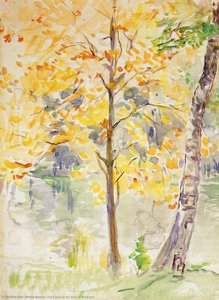
Paul Cézanne's 'In mezzo ai boschi', un capolavoro impressionistico che cattura l'anima della natura con colori vibranti e pennellate audaci. Scopri la visione artistica rivoluzionaria del maestro francese.
 Leggi tutto
Esplora l'arte rivoluzionaria di Paul Cézanne (1839-1906), un maestro del Post-Impressionismo che ha colmato il divario tra Impressionismo e Cubismo. Scopri le sue forme geometriche, pennellate uniche, dipinti di natura morta e il suo impatto duraturo sull'arte moderna. #Cézanne #PostImpresionismo
Giclée / Stampe d'arte
Stampa giclée o su tela di qualità museale, con produzione rapida e diverse opzioni di finitura. ( Ordina la riproduzione dipinta a mano Passa all'immagine digitale)




P118B €10

P118H €10

P118W €10

P438Z €10

P508JH €12

P508YH €12

P805H €10

P805Z €10

P919BZ €10

P919G €10

P919XJ €10

P959ZH €10

P968JZ €12

W106C €8

W218G €10

W218JH €8

W218Y €10

W307PJ €10

W316G €10

W316PJ €8

W316Y €10

W398PJ €8

W4111J €10

W500HY €15

W500JH €15

W692G €12

W849H €8

W940BG €15

W953PJ €8




Standard
personalizzato
CM
INCH
Scegli tra le nostre dimensioni predefinite, che rispettano le proporzioni originali dell'opera d'arte.
Loading sizes...

larghezza
altezza
Inserisci la larghezza e l'altezza desiderate, per adattarle alla tua cornice o alla tua parete. Una stampa può essere solo ritagliata, mai resa più grande dell'immagine originale; pertanto, un formato con una forma differente comporterà la perdita di una parte dell'opera. Ti invieremo un mockup digitale da approvare prima di procedere con la stampa. L'immagine mostrata in questa pagina non rappresenta il ritaglio reale — solo il mockup lo mostra.
Consegna in tutto il mondo () in 2 settimane invece delle normali 4/5 settimane. (24 Ottobre)

Spedizione espressa gratuita in tutto il mondo

Tela in lino di alta qualità

Assicurazione completa sulla spedizione

Garanzia di rimborso dei dazi doganali

Garanzia di perfetta fedeltà cromatica

Politica di reso entro 100 giorni (solo per difetti di fabbricazione)

Garanzia di rimborso al 100%

Sconto per acquisti multipli
 L'opzione vetro è disponibile solo per dimensioni inferiori a 110 cm

In mezzo ai boschi
Giclée / Stampe d'arte
Dimensioni della riproduzione
-


Prezzo totale
€ 61
In the Woods: A Revolutionary Vision
Paul Cézanne, a titan of Post-Impressionism, irrevocably altered the trajectory of art history with his mesmerizing watercolor painting, In the Woods. Created in 1900, this artwork transcends mere representation; it embodies Cézanne’s singular artistic genius—a profound engagement with nature filtered through a lens of intellectual curiosity and emotional intensity.
The Artistic Vision
In the Woods is characterized by a vibrant palette and meticulous detail. Cézanne doesn’t strive for photographic accuracy but rather seeks to distill the essence of the forest into its most fundamental components—color, form, and texture. The scene depicts a tranquil woodland bathed in autumnal hues: trees rendered in shades of emerald green, earthy brown, and sun-kissed yellow, juxtaposed against a backdrop of russet reds and ochre yellows.
Artistic Techniques
Cézanne’s mastery of watercolor is palpable. He employs layering techniques—applying thin washes of color over thicker impasto—to build up depth and dimensionality. Each tree isn't merely painted; it’s sculpted with brushstrokes that capture the contours of its trunk, branches, and foliage. The artist’s deliberate fragmentation of forms—a hallmark of Cézanne’s style—challenges conventional perspective, inviting viewers to actively engage in reconstructing the image within their minds.
Historical Context
In the Woods stands as a pivotal moment in artistic evolution—a decisive break from Impressionism’s fleeting impressions of light and color. Cézanne's work aligns perfectly with the burgeoning Symbolist movement, which prioritized emotional expression over objective observation. He sought to convey not just what he saw but how he *felt* about the natural world, reflecting a broader philosophical preoccupation with exploring inner experience.
Relevance Today
Despite its creation over a century ago, In the Woods continues to resonate powerfully with contemporary audiences. Its quiet contemplation of nature serves as an antidote to the frenetic pace of modern life—a reminder of beauty and serenity found in simplicity. Cézanne’s groundbreaking approach to painting—his insistence on exploring form and color independently—inspired generations of artists who followed, shaping the very foundations of Cubism and influencing countless subsequent artistic movements.
To delve deeper into the pigments utilized by Cézanne and other masters, explore The Art Media Pigment for fascinating insights.
Domande e risposte
A quale fase dello sviluppo di Paul Cézanne appartiene "In mezzo ai boschi"?
All'interno della carriera di Paul Cézanne, "In mezzo ai boschi" appartiene al Mature Period. Questa fase permette di confrontarla con le altre opere dell'artista.
Da quale paese proviene l'opera del Post-Impressionism "In mezzo ai boschi"?
"In mezzo ai boschi" è stata creata da Paul Cézanne, nato in Francia, all'interno del movimento Post-Impressionism. L'origine dell'artista lega l'opera al Post-Impressionism così come praticato dagli artisti di Francia.
Che atmosfera conferisce "In mezzo ai boschi" di Paul Cézanne a un ambiente?
"In mezzo ai boschi" di Paul Cézanne emana un'atmosfera Sereno ed è consigliato per un Zona giorno. Il mood rappresenta ciò che l'opera dona allo spazio circostante.
Opere correlate



Biografia dell'artista
vitae e influenze
paul cézanne, pittore post-impressionista francese, nacque il 19 gennaio 1839 ad Aix-en-Provence, Francia. La sua giovinezza fu segnata da un forte legame con la famiglia e la sua attività bancaria, che gli fornirono sicurezza finanziaria. Ciò gli permise di concentrarsi sulle sue aspirazioni artistiche senza il peso dello stress finanziario. les nabis, neo-impressionismo e simbolismo influenzarono le prime opere di Cézanne, caratterizzate dall'enfasi sulle forme geometriche e su una tavolozza cromatica limitata. Il suo interesse per le opere di paul gauguin e georges seurat ha ulteriormente consolidato il suo stile post-impressionista.stile artistico e tecniche
L'uso innovativo di Cézanne dei piani cromatici e delle piccole pennellate ripetitive creava campi complessi che esprimevano il suo intenso studio dei soggetti. Il suo approccio spesso esploratorio all’arte portò allo sviluppo di una nuova lingua pittorica, che enfatizzava la struttura sottostante degli oggetti in una composizione.- caratteristiche principali:
- forme geometriche e faccette
- tavolozza cromatica ridotta
- enfasi sull'essenza costruttiva del mondo fisico
- prospettiva multipla e simultaneità
- opere influenti:
- the pond at jas de bouffan (1880)
- portrait of emile zola (1866)
- bosco (1892)
- musei che espongono le opere di Cézanne:
- musée marmottan monet a Parigi, Francia
- the museum of fine arts a Houston, Stati Uniti
eredità e impatto
L'opera pionieristica di Cézanne nel post-impressionismo ha aperto la strada a vari movimenti d’avanguardia, tra cui il cubismo, il fauvismo e il surrealismo. La sua influenza può essere vista nelle opere di pablo picasso, henri matisse e georges braque. L'eredità di Cézanne continua a ispirare artisti ed appassionati d’arte, consolidando il suo posto come figura fondamentale nella storia dell’arte moderna.- movimenti artistici correlati:
- visualizza le opere di Cézanne:

Paul Cézanne
1839 - 1906 , Francia
Informazioni rapide
- Artisti Che Hanno Influenzato:
- Paul Gauguin
- Georges Seurat
- Artisti Influenzati:
- Pablo Picasso
- Henri Matisse
- Georges Braque
- Data Di Nascita: 19 gennaio 1839
- Luogo Di Nascita: Aix-en-Provence, Francia
- Movimento Artistico: Post-Impressionismo
- Nazionalità: Francese
- Nome Completo: Paul Cézanne
- Opere Notevoli:
- Lo stagno a Jas de Bouffan
- Ritratto di Émile Zola
- Bosco
- Grandi Bagnanti
Articoli correlati

Ephemeral Visions: Exploring the Artistic Legacy & Contemporary Practice of Watercolor Painting
Explore the captivating world of watercolor painting! Discover its rich history, essential techniques, influential artists & collecting tips. A comprehensive guide for art enthusiasts from TopImpressionists.

I 10 Capolavori Impressionisti che Hanno Rivoluzionato il Paesaggio Pittorico
Esplora i 10 capolavori impressionisti che hanno rivoluzionato il paesaggio pittorico! Monet, Renoir e altri maestri catturati in stampe su tela di alta qualità. Scopri la storia dell'arte e trova l'opera perfetta per arredare casa tua con TopImpressionists.com.

I 10 Capolavori dell'Acquerello che Hanno Rivoluzionato l'Arte | TopImpressionists
Esplora i 10 capolavori dell'acquerello che hanno cambiato la storia dell'arte! Da Turner a Monet, scopri le storie e le tecniche di questi artisti iconici. Trova riproduzioni di alta qualità e idee per decorare casa con TopImpressionists.com.

Paul Cézanne: I 25 Capolavori che Hanno Rivoluzionato l'Arte Moderna | TopImpressionists
Esplora i 25 capolavori di Paul Cézanne, il maestro dell'impressionismo e post-impressionismo. Scopri la storia, le tecniche e i colori iconici dietro opere come 'Le grandi bagnanti' e 'Mont Sainte-Victoire'. Trova riproduzioni artistiche di alta qualità per decorare la tua casa su TopImpressionists.com.

Paul Klee: Le 25 Opere Più Iconiche per Arricchire la Tua Casa con l'Arte
Esplora le 25 opere più iconiche di Paul Klee, maestro dell'arte astratta e del colore. Scopri la storia, lo stile unico e il significato dei suoi capolavori. Trova riproduzioni d'arte di alta qualità per decorare casa con TopImpressionists.com.
Esplora le opere d'arte organizzate per temi, stili e caratteristiche.


