


 Anteprima in scala reale
 Condividi
 Condividi
 Dettagli
 Guida
Guida

 Scarica
 Articoli simili
 Radiografia
 Slideshow
 Statistiche
Ritratto di Madame Cézanne


Portrait of Madame Cézanne (Barnes Foundation): Un classico del Post-Impressionismo di Paul Cézanne, raffigurante la moglie dell'artista con capelli liberati e un'espressione seria.
 Leggi tutto
Esplora l'arte rivoluzionaria di Paul Cézanne (1839-1906), un maestro del Post-Impressionismo che ha colmato il divario tra Impressionismo e Cubismo. Scopri le sue forme geometriche, pennellate uniche, dipinti di natura morta e il suo impatto duraturo sull'arte moderna. #Cézanne #PostImpresionismo
Riproduzione a olio fatta a mano
Olio su tela dipinto a mano nelle tue dimensioni e con la tua cornice, realizzato su ordinazione dai nostri artisti. ( Passa alle stampe Passa all'immagine digitale)




P118B $10

P118H $10

P118W $10

P438Z $10

P508JH $12

P508YH $12

P805H $10

P805Z $10

P919BZ $10

P919G $10

P919XJ $10

P959ZH $10

P968JZ $12

W106C $8

W218G $10

W218JH $8

W218Y $10

W307PJ $10

W316G $10

W316PJ $8

W316Y $10

W398PJ $8

W4111J $10

W500HY $15

W500JH $15

W692G $12

W849H $8

W940BG $15

W953PJ $8




Standard
personalizzato
CM
INCH
Scegli tra le nostre dimensioni predefinite, che rispettano le proporzioni originali dell'opera d'arte.
Loading sizes...

larghezza
altezza
È possibile inserire dimensioni personalizzate per adattare l'opera a una cornice o a uno spazio specifico. Se la dimensione selezionata non corrisponde alle proporzioni dell'immagine originale, provvederemo a ritagliare l'opera o a estendere il dipinto con elementi aggiuntivi dipinti a mano. Un mockup digitale ti sarà inviato per approvazione prima dell'inizio della produzione.
Si prega di notare che l'anteprima a schermo non riflette il ritaglio o l'estensione effettivi. Solo il mockup mostrerà accuratamente la composizione finale.
Sebbene siano disponibili dimensioni personalizzate, consigliamo di selezionare una dimensione dall'elenco predefinito per preservare le proporzioni originali.
Esempi di personalizzazione: sostituire il volto con una foto del cliente; aggiungere un animale domestico (ad esempio, sostituire un gatto con un cane); inserire un messaggio nascosto nello sfondo; cambiare il paesaggio o gli elementi dello sfondo.
Dopo l'ordine, il team di TopImpressionists.com contatterà il cliente via e-mail per ricevere le istruzioni e fornirà un'anteprima del mockup
Dopo l'ordine, il team di TopImpressionists.com contatterà il cliente via e-mail per ricevere le istruzioni e fornirà un'anteprima del mockup
Consegna in tutto il mondo () in 3/4 settimane anziché nelle normali 5 settimane. (23 Settembre). Nessun compromesso sulla qualità.

Spedizione espressa gratuita in tutto il mondo

Tela in lino di alta qualità

Assicurazione completa sulla spedizione

Garanzia di rimborso dei dazi doganali

Garanzia di perfetta fedeltà cromatica

Politica di reso entro 100 giorni (solo per difetti di fabbricazione)

Garanzia di rimborso al 100%

Sconto per acquisti multipli
 L'opzione vetro è disponibile solo per dimensioni inferiori a 110 cm

Ritratto di Madame Cézanne
Tecnica di riproduzione
Dimensioni della riproduzione
-


Prezzo totale
$ 269
L'intimità di uno sguardo silenzioso
Nella quiete di una stanza inondata dal sole, Paul Cézanne ci invita a testimoniare un profondo momento di introspezione. Ritratto di Madame Cézanne con i capelli sciolti è molto più di una semplice somiglianza; è un paesaggio emotivo catturato attraverso lo sguardo fermo e contemplativo di Hortense Fiquet. Seduta davanti a una finestra aperta, appare immersa in uno stato di profonda riflessione, con gli occhi rivolti leggermente verso l'alto, come se cercasse qualcosa oltre il limite del visibile. L'atmosfera è intrisa di serenità e quiete, dove la morbida luce naturale che filtra dalla finestra illumina le sottili trame del suo abito blu e il delicato drappeggio di una sciarpa intorno al collo. Quest'opera non cerca l'attenzione con colori accesi o movimenti drammatici; al contrario, conduce lo spettatore in un santuario privato e domestico, offrendo un senso di pace che risuona profondamente nell'anima.L'architettura del colore e della forma
Oltre alla sua profondità emotiva, questo capolavoro funge da ponte rivoluzionario tra le impressioni fugaci del passato e il modernismo strutturato del futuro. La tecnica di Cézanne si allontana dalla precisione fotografica del ritratto tradizionale, optando invece per l'esplorazione della struttura geometrica sottostante del suo soggetto. Attraverso l'applicazione meticolosa di piccole e ritmiche pennellate, egli costruisce superfici che possiedono una qualità tattile, quasi scultorea. La tavolozza è una lezione magistrale di moderazione, dominata da tonalità smorzate di blu, marrone e ocra che creano una composizione armoniosa ed equilibrata. Appiattendo i piani di colore e enfatizzando i contorni sottili, Cézanne presagisce l'arrivo del Cubismo, dimostrando che l'arte può trascendere la mera imitazione per catturare l'essenza stessa della realtà. Questo approccio strutturale conferisce un peso visivo e una permanenza che rendono il dipinto tanto un'impresa architettonica quanto un ritratto.Un'aggiunta senza tempo a uno spazio curato
Per l'interior designer o il collezionista d'arte appassionato, una riproduzione di alta qualità di quest'opera offre un'opportunità impareggiabile per introdurre raffinatezza e gravità storica in una stanza. La gamma tonale smorzata del dipinto lo rende un elemento incredibilmente versatile per l'arredamento di alto livello, integrandosi perfettamente sia con le estetiche minimaliste contemporanee che con gli interni classici e tradizionali. Agisce come un punto focale che incute rispetto senza sopraffare l'ambiente circostante, conferendo un senso di profondità intellettuale a qualsiasi spazio. Appendere questo ritratto significa invitare lo spirito del Post-Impressionismo nella propria casa: un promemoria della bellezza che si trova nella quiete e del potere duraturo della verità strutturale. Che sia collocato in uno studio silenzioso o in una grandiosa sala da pranzo, Madame Cézanne rimane un simbolo eterno di eleganza e rivoluzione artistica.Opere correlate


Biografia dell'artista
vitae e influenze
paul cézanne, pittore post-impressionista francese, nacque il 19 gennaio 1839 ad Aix-en-Provence, Francia. La sua giovinezza fu segnata da un forte legame con la famiglia e la sua attività bancaria, che gli fornirono sicurezza finanziaria. Ciò gli permise di concentrarsi sulle sue aspirazioni artistiche senza il peso dello stress finanziario. les nabis, neo-impressionismo e simbolismo influenzarono le prime opere di Cézanne, caratterizzate dall'enfasi sulle forme geometriche e su una tavolozza cromatica limitata. Il suo interesse per le opere di paul gauguin e georges seurat ha ulteriormente consolidato il suo stile post-impressionista.stile artistico e tecniche
L'uso innovativo di Cézanne dei piani cromatici e delle piccole pennellate ripetitive creava campi complessi che esprimevano il suo intenso studio dei soggetti. Il suo approccio spesso esploratorio all’arte portò allo sviluppo di una nuova lingua pittorica, che enfatizzava la struttura sottostante degli oggetti in una composizione.- caratteristiche principali:
- forme geometriche e faccette
- tavolozza cromatica ridotta
- enfasi sull'essenza costruttiva del mondo fisico
- prospettiva multipla e simultaneità
- opere influenti:
- the pond at jas de bouffan (1880)
- portrait of emile zola (1866)
- bosco (1892)
- musei che espongono le opere di Cézanne:
- musée marmottan monet a Parigi, Francia
- the museum of fine arts a Houston, Stati Uniti
eredità e impatto
L'opera pionieristica di Cézanne nel post-impressionismo ha aperto la strada a vari movimenti d’avanguardia, tra cui il cubismo, il fauvismo e il surrealismo. La sua influenza può essere vista nelle opere di pablo picasso, henri matisse e georges braque. L'eredità di Cézanne continua a ispirare artisti ed appassionati d’arte, consolidando il suo posto come figura fondamentale nella storia dell’arte moderna.- movimenti artistici correlati:
- visualizza le opere di Cézanne:

Paul Cézanne
1839 - 1906 , Francia
Informazioni rapide
- Artisti Che Hanno Influenzato:
- Paul Gauguin
- Georges Seurat
- Artisti Influenzati:
- Pablo Picasso
- Henri Matisse
- Georges Braque
- Data Di Nascita: 19 gennaio 1839
- Luogo Di Nascita: Aix-en-Provence, Francia
- Movimento Artistico: Post-Impressionismo
- Nazionalità: Francese
- Nome Completo: Paul Cézanne
- Opere Notevoli:
- Lo stagno a Jas de Bouffan
- Ritratto di Émile Zola
- Bosco
- Grandi Bagnanti
Articoli correlati
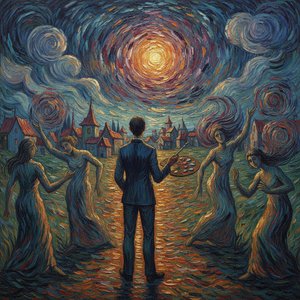
Beyond the Light: Capturing Emotion Through the Expressive Soul of Post-Impressionism
Explore the profound emotional depth of Post-Impressionism. Discover how masters like Van Gogh and Cézanne moved beyond light to capture raw feeling through color and texture. A journey into art history for the true connoisseur.

Beyond the Light: Discovering the Soul and Emotional Depth of Post-Impressionism
Embark on a cultural journey through Post-Impressionism. Discover the profound emotional depth of masters like Van Gogh and Cézanne, exploring how they moved beyond light to capture the very soul of human experience through vibrant color and symbolic form.
Esplora le opere d'arte organizzate per temi, stili e caratteristiche.


