


 Anteprima in scala reale
 Condividi
 Condividi
 Dettagli
 Guida stampabile

 Scarica
 Articoli simili
 Radiografia
 Slideshow
 Statistiche
untitled (3729)

Paul Cézanne's "untitled (3729)" is a vibrant still life showcasing apples, pears, and bananas on a white cloth. Explore the artist’s geometric forms & influence on modern art in this captivating masterpiece.
 Leggi tutto
Esplora l'arte rivoluzionaria di Paul Cézanne (1839-1906), un maestro del Post-Impressionismo che ha colmato il divario tra Impressionismo e Cubismo. Scopri le sue forme geometriche, pennellate uniche, dipinti di natura morta e il suo impatto duraturo sull'arte moderna. #Cézanne #PostImpresionismo
Giclée / Stampe d'arte
Stampa giclée o su tela di qualità museale, con produzione rapida e diverse opzioni di finitura. ( Ordina la riproduzione dipinta a mano Passa all'immagine digitale)




P118B $10

P118H $10

P118W $10

P438Z $10

P508JH $12

P508YH $12

P805H $10

P805Z $10

P919BZ $10

P919G $10

P919XJ $10

P959ZH $10

P968JZ $12

W106C $8

W218G $10

W218JH $8

W218Y $10

W307PJ $10

W316G $10

W316PJ $8

W316Y $10

W398PJ $8

W4111J $10

W500HY $15

W500JH $15

W692G $12

W849H $8

W940BG $15

W953PJ $8




Standard
personalizzato
CM
INCH
Scegli tra le nostre dimensioni predefinite, che rispettano le proporzioni originali dell'opera d'arte.
Loading sizes...

larghezza
altezza
È possibile inserire dimensioni personalizzate per adattare l'opera a una cornice o a uno spazio specifico. Se la dimensione selezionata non corrisponde alle proporzioni dell'immagine originale, procederemo al ritaglio dell'opera o all'estensione dell'immagine con un bordo specchiato o a tinta unita. Un mockup digitale ti verrà inviato per approvazione prima dell'inizio della produzione.
Si prega di notare che l'anteprima a schermo non riflette il ritaglio o l'estensione effettivi. Solo il mockup mostrerà accuratamente la composizione finale.
Sebbene siano disponibili dimensioni personalizzate, si raccomanda di selezionare una dimensione dall'elenco predefinito per preservare le proporzioni originali.
Consegna in tutto il mondo () in 2 settimane invece delle normali 4/5 settimane. (25 Settembre)

Spedizione espressa gratuita in tutto il mondo

Tela in lino di alta qualità

Assicurazione completa sulla spedizione

Garanzia di rimborso dei dazi doganali

Garanzia di perfetta fedeltà cromatica

Politica di reso entro 100 giorni (solo per difetti di fabbricazione)

Garanzia di rimborso al 100%

Sconto per acquisti multipli
 L'opzione vetro è disponibile solo per dimensioni inferiori a 110 cm

untitled (3729)
Giclée / Stampe d'arte
Dimensioni della riproduzione
-


Prezzo totale
$ 69
A Window Into Provence: Paul Cézanne’s *Rideau, Cruchon et Compotier*
Paul Cézanne's 1893 painting, *Rideau, Cruchon et Compotier* – “Curtain, Jug and Fruit Bowl” – isn’t merely a still life; it’s a meticulously constructed meditation on perception, form, and the very essence of seeing. More than just a depiction of everyday objects arranged on a table, this work represents a pivotal moment in art history, bridging the fleeting impressions of Impressionism with the nascent geometric explorations that would define Cubism. It's a piece that invites prolonged contemplation, revealing layers of meaning within its deceptively simple composition.
Cézanne’s approach to painting was revolutionary for his time. He rejected the traditional pursuit of capturing an immediate visual impression, instead focusing on distilling objects down to their fundamental shapes and structures. This is strikingly evident in *Rideau, Cruchon et Compotier*. The jug, the bowl, the curtain – each element isn’t rendered with photographic accuracy but rather as a series of interlocking planes and angles, suggesting depth and volume through careful manipulation of line and color. Notice how the curves of the jug mimic the contours of the fruit bowl, creating a visual harmony that transcends mere representation. This deliberate simplification wasn't about reducing reality; it was about revealing its underlying geometry – a principle he relentlessly pursued throughout his career.
The Painter’s Studio and the Pursuit of Harmony
Painted in Cézanne’s studio in Auvers-sur-Oise, just outside Paris, *Rideau, Cruchon et Compotier* offers a glimpse into the artist's working environment. The objects – a simple earthenware jug, a fruit bowl brimming with apples and oranges, and a draped curtain – were commonplace items, yet Cézanne imbued them with an extraordinary sense of significance. He often used his own possessions as subjects, creating a personal vocabulary of forms and colors that reflected his unique vision. The arrangement itself feels deliberately staged, almost theatrical, suggesting a carefully considered composition rather than a spontaneous snapshot.
Cézanne’s meticulous attention to detail is remarkable. The brushstrokes are visible, yet they don't create a sense of texture or surface quality. Instead, they contribute to the overall structure and form of the objects, acting as building blocks that define their shape and volume. The use of color is equally deliberate – muted tones dominate, creating a sense of stillness and tranquility. The subtle variations in hue and value suggest light and shadow, but without resorting to traditional shading techniques. This restrained palette allows the forms themselves to take center stage.
Symbolism and Emotional Resonance
While Cézanne avoided overt symbolism, *Rideau, Cruchon et Compotier* is rich with subtle visual cues that invite interpretation. The curtain, for example, can be seen as a barrier between the viewer and the objects within, creating a sense of distance and mystery. The jug, often associated with abundance and nourishment, hints at themes of life and sustenance. And the fruit itself – ripe and luscious – evokes feelings of pleasure and indulgence.
Beyond its formal qualities, *Rideau, Cruchon et Compotier* possesses a profound emotional resonance. It’s a painting that speaks to the quiet beauty of everyday objects, inviting us to slow down and appreciate the simple pleasures of life. Cézanne's masterful manipulation of form and color creates a sense of harmony and balance, suggesting a deep connection between the artist and his subject matter. The painting is not just about depicting a still life; it’s about capturing a feeling – a moment of contemplation and serenity.
A Legacy of Innovation
*Rideau, Cruchon et Compotier* stands as a crucial link in the chain that led to modern art. Cézanne's radical approach to painting—his emphasis on form, structure, and geometric abstraction—inspired generations of artists, including Picasso and Braque, who would go on to develop Cubism. This work demonstrates his pioneering spirit, pushing beyond the limitations of traditional representation and paving the way for a new era in art history. Reproductions of this iconic piece offer a tangible connection to Cézanne’s revolutionary vision, allowing viewers to experience firsthand the power and beauty of his groundbreaking style.
Opere correlate


Biografia dell'artista
vitae e influenze
paul cézanne, pittore post-impressionista francese, nacque il 19 gennaio 1839 ad Aix-en-Provence, Francia. La sua giovinezza fu segnata da un forte legame con la famiglia e la sua attività bancaria, che gli fornirono sicurezza finanziaria. Ciò gli permise di concentrarsi sulle sue aspirazioni artistiche senza il peso dello stress finanziario. les nabis, neo-impressionismo e simbolismo influenzarono le prime opere di Cézanne, caratterizzate dall'enfasi sulle forme geometriche e su una tavolozza cromatica limitata. Il suo interesse per le opere di paul gauguin e georges seurat ha ulteriormente consolidato il suo stile post-impressionista.stile artistico e tecniche
L'uso innovativo di Cézanne dei piani cromatici e delle piccole pennellate ripetitive creava campi complessi che esprimevano il suo intenso studio dei soggetti. Il suo approccio spesso esploratorio all’arte portò allo sviluppo di una nuova lingua pittorica, che enfatizzava la struttura sottostante degli oggetti in una composizione.- caratteristiche principali:
- forme geometriche e faccette
- tavolozza cromatica ridotta
- enfasi sull'essenza costruttiva del mondo fisico
- prospettiva multipla e simultaneità
- opere influenti:
- the pond at jas de bouffan (1880)
- portrait of emile zola (1866)
- bosco (1892)
- musei che espongono le opere di Cézanne:
- musée marmottan monet a Parigi, Francia
- the museum of fine arts a Houston, Stati Uniti
eredità e impatto
L'opera pionieristica di Cézanne nel post-impressionismo ha aperto la strada a vari movimenti d’avanguardia, tra cui il cubismo, il fauvismo e il surrealismo. La sua influenza può essere vista nelle opere di pablo picasso, henri matisse e georges braque. L'eredità di Cézanne continua a ispirare artisti ed appassionati d’arte, consolidando il suo posto come figura fondamentale nella storia dell’arte moderna.- movimenti artistici correlati:
- visualizza le opere di Cézanne:

Paul Cézanne
1839 - 1906 , Francia
Informazioni rapide
- Artisti Che Hanno Influenzato:
- Paul Gauguin
- Georges Seurat
- Artisti Influenzati:
- Pablo Picasso
- Henri Matisse
- Georges Braque
- Data Di Nascita: 19 gennaio 1839
- Luogo Di Nascita: Aix-en-Provence, Francia
- Movimento Artistico: Post-Impressionismo
- Nazionalità: Francese
- Nome Completo: Paul Cézanne
- Opere Notevoli:
- Lo stagno a Jas de Bouffan
- Ritratto di Émile Zola
- Bosco
- Grandi Bagnanti
Articoli correlati
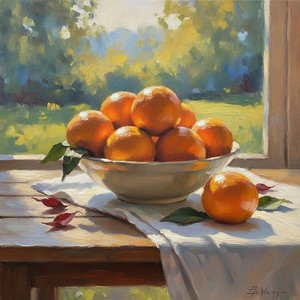
Sun-Drenched Citrus: The Vibrant Beauty of Oranges in Impressionist Masterpieces
Embark on a sensory journey through Impressionist masterpieces. Discover how Renoir and Cézanne captured the vibrant light and luscious textures of sun-drenched oranges in exquisite still life paintings designed to inspire and transform your home.
Esplora le opere d'arte organizzate per temi, stili e caratteristiche.


