


 Anteprima in scala reale
 Invia
Invia Condividi
 Dettagli opera
 Guida
Guida

 Scarica
 Simili
 Radiografia
 Slideshow
 Q&A
Q&A Statistiche
untitled (7168)


Esplora 'untitled (7168)' di Paul Cézanne – una natura morta post-impressionista ricca di frutta, colombe e prospettiva stratificata. Scopri la sua impasto testurizzata e la sua profondità simbolica.
 Espandi i dettagli
Esplora l'arte rivoluzionaria di Paul Cézanne (1839-1906), un maestro del Post-Impressionismo che ha colmato il divario tra Impressionismo e Cubismo. Scopri le sue forme geometriche, pennellate uniche, dipinti di natura morta e il suo impatto duraturo sull'arte moderna. #Cézanne #PostImpresionismo
Riproduzione a olio fatta a mano
Olio su tela dipinto a mano nelle tue dimensioni e con la tua cornice, realizzato su ordinazione dai nostri artisti. ( Passa alle stampe Passa all'immagine digitale)




P118B €10

P118H €10

P118W €10

P438Z €10

P508JH €12

P508YH €12

P805H €10

P805Z €10

P919BZ €10

P919G €10

P919XJ €10

P959ZH €10

P968JZ €12

W106C €8

W218G €10

W218JH €8

W218Y €10

W307PJ €10

W316G €10

W316PJ €8

W316Y €10

W398PJ €8

W4111J €10

W500HY €15

W500JH €15

W692G €12

W849H €8

W940BG €15

W953PJ €8




Formato standard
su misura
CM
INCH
Scegli tra le nostre dimensioni predefinite, che rispettano le proporzioni originali dell'opera d'arte.
Loading sizes...

larghezza
altezza
Inserisci la larghezza e l'altezza desiderate, per adattarle alla tua cornice o alla tua parete. Trattandosi di un'opera dipinta a mano, in caso di dimensioni con un formato differente, l'artista può estendere leggermente il dipinto oltre i bordi dell'immagine o ritagliare una piccola parte — la scelta spetta a te. Ti invieremo un mockup digitale da approvare prima che la realizzazione abbia inizio. L'immagine mostrata in questa pagina non rappresenta il risultato finale — solo il mockup lo fa.
Esempi di ciò che può essere modificato: sostituire il volto con una foto del cliente; aggiungere un animale domestico (ad esempio, sostituire un gatto con un cane); inserire un messaggio nascosto nello sfondo; cambiare il paesaggio o gli elementi dello sfondo.
Dopo l'ordine, il team di TopImpressionists.com contatterà il cliente via e-mail per ricevere le istruzioni e fornirà un'anteprima del mockup
Dopo l'ordine, il team di TopImpressionists.com contatterà il cliente via e-mail per ricevere le istruzioni e fornirà un'anteprima del mockup
Consegna in tutto il mondo () in 3/4 settimane anziché nelle normali 5 settimane. (28 Ottobre). Nessun compromesso sulla qualità.

Spedizione espressa gratuita in tutto il mondo

Tela in lino di alta qualità

Assicurazione completa sulla spedizione

Garanzia di rimborso dei dazi doganali

Garanzia di fedeltà cromatica assoluta

Politica di reso entro 100 giorni (solo per difetti di fabbricazione)

Garanzia di rimborso al 100%

Offerta per acquisti multipli
 L'opzione vetro è disponibile solo per dimensioni inferiori a 110 cm

untitled (7168)
Tecnica di riproduzione
Dimensioni riproduzione
-


Prezzo finale calcolato
€ 237
Una Sinfonia di Forma e Colore: Esplorando la Natura Morta di Cézanne
Questa affascinante natura morta, inequivocabilmente nello stile di Paul Cézanne, offre uno sguardo avvincente sull'approccio rivoluzionario dell'artista alla pittura. Non si tratta di una semplice raffigurazione di oggetti; è un'esplorazione della percezione stessa – di come noi vediamo e comprendiamo il mondo che ci circonda. La composizione si concentra su una tavola traboccante di elementi quotidiani: un generoso cesto colmo di mele, pere e limoni; un vaso di ceramica splendidamente reso; una bottiglia; un dipinto di paesaggio incastonato nella scena; e una delicata scultura di colombe.Innovazione Post-Impressionista
Cézanne è ampiamente considerato una figura cardine nella transizione dall'Impressionismo al Cubismo. Pur condividendo con gli Impressionisti l'interesse nel catturare momenti fugaci e gli effetti della luce, egli andò oltre la loro focalizzazione sulle impressioni ottiche. Al contrario, Cézanne cercò di comprendere la struttura sottostante degli oggetti – le loro forme geometriche essenziali. Questo dipinto esemplifica tale ricerca. Si noti come i frutti non siano semplicemente resi così come appaiono, ma siano costruiti attraverso piani di colore, conferendo loro una solidità e una presenza raramente viste in precedenza. Le pennellate libere e gestuali, caratteristiche del Post-Impressionismo, definiscono le forme piuttosto che delineare meticolosamente i contorni, creando un'energia vibrante sulla tela.Tecnica e Materiali
L'opera è eseguita con pittura a olio attraverso un uso magistrale dell'impasto – spessi strati di colore applicati sulla tela. Questa tecnica è particolarmente evidente nella rappresentazione della frutta e della tovaglia, aggiungendo consistenza e profondità. Le pennellate visibili non sono nascoste; esse sono parte integrante dell'opera, rivelando il processo dell'artista e conferendo una qualità tattile alla scena. Il deliberato appiattimento della prospettiva operato da Cézanne, che privilegia la forma e il colore rispetto al rigido realismo, enfatizza ulteriormente questo focus sulla materialità stessa della pittura.Simbolismo e Interpretazione
Oltre alle sue qualità formali, il dipinto invita a un'interpretazione simbolica. Le colombe, che tradizionalmente rappresentano la pace e l'amore, offrono un contrappunto di speranza all'abbondanza più terrena simboleggiata dalla frutta. L'inclusione di un dipinto di paesaggio all'interno della natura morta è particolarmente intrigante – un meta-commento sulla rappresentazione stessa, che mette in discussione la natura dell'arte e il suo rapporto con la realtà. È una finestra su un altro mondo, o semplicemente un altro strato di colore?Contesto Storico e l'Eredità di Cézanne
Nato ad Aix-en-Provence nel 1839, Paul Cézanne lottò inizialmente per il riconoscimento, ma divenne infine uno degli artisti più influenti della fine del XIX e dell'inizio del XX secolo. La sua enfasi sulle forme geometriche ha influenzato profondamente i movimenti successivi come il Cubismo, aprendo la strada all'arte moderna così come la conosciamo. Questa natura morta è una testimonianza della sua eredità duratura – un esempio potente di come egli abbia sfidato le convenzioni artistiche e ridefinito la nostra comprensione della percezione visiva.Risonanza Emotiva e Interior Design
Questo dipinto evoca un senso di quieta intimità e bellezza contemplativa. La calda tavolozza cromatica e l'abbondanza di frutta creano una sensazione di conforto e nutrimento, mentre le sottili complessità della composizione invitano a una visione prolungata. Le sue ricche texture e i colori armoniosi lo renderebbero un punto focale straordinario in qualsiasi ambiente – da uno studio tradizionale a uno spazio living contemporaneo. Una riproduzione di alta qualità di quest'opera porterà la visione innovativa di Cézanne nella vostra casa, offrendo una fonte quotidiana di ispirazione e piacere estetico. È un investimento non solo nell'arte, ma in un pezzo di storia.Domande e risposte
Dove posso scaricare "untitled (7168)" di Paul Cézanne?
È disponibile il download per "untitled (7168)": la pagina Scarica l'opera dell'opera offre download di un'immagine digitale ad alta risoluzione.
Con quale tecnica è realizzata "untitled (7168)" di Paul Cézanne?
La tecnica utilizzata per "untitled (7168)" di Paul Cézanne è Olio su tela. Le riproduzioni mirano a restituire l'aspetto di questa tecnica.
Quante persone visualizzano "untitled (7168)"?
È disponibile una pagina Statistiche per "untitled (7168)", che illustra le visite mensili dell'opera e delle altre creazioni dell'artista, con dettagli relativi a paese e lingua.
Opere simili


Biografia dell'artista
vitae e influenze
paul cézanne, pittore post-impressionista francese, nacque il 19 gennaio 1839 ad Aix-en-Provence, Francia. La sua giovinezza fu segnata da un forte legame con la famiglia e la sua attività bancaria, che gli fornirono sicurezza finanziaria. Ciò gli permise di concentrarsi sulle sue aspirazioni artistiche senza il peso dello stress finanziario. les nabis, neo-impressionismo e simbolismo influenzarono le prime opere di Cézanne, caratterizzate dall'enfasi sulle forme geometriche e su una tavolozza cromatica limitata. Il suo interesse per le opere di paul gauguin e georges seurat ha ulteriormente consolidato il suo stile post-impressionista.stile artistico e tecniche
L'uso innovativo di Cézanne dei piani cromatici e delle piccole pennellate ripetitive creava campi complessi che esprimevano il suo intenso studio dei soggetti. Il suo approccio spesso esploratorio all’arte portò allo sviluppo di una nuova lingua pittorica, che enfatizzava la struttura sottostante degli oggetti in una composizione.- caratteristiche principali:
- forme geometriche e faccette
- tavolozza cromatica ridotta
- enfasi sull'essenza costruttiva del mondo fisico
- prospettiva multipla e simultaneità
- opere influenti:
- the pond at jas de bouffan (1880)
- portrait of emile zola (1866)
- bosco (1892)
- musei che espongono le opere di Cézanne:
- musée marmottan monet a Parigi, Francia
- the museum of fine arts a Houston, Stati Uniti
eredità e impatto
L'opera pionieristica di Cézanne nel post-impressionismo ha aperto la strada a vari movimenti d’avanguardia, tra cui il cubismo, il fauvismo e il surrealismo. La sua influenza può essere vista nelle opere di pablo picasso, henri matisse e georges braque. L'eredità di Cézanne continua a ispirare artisti ed appassionati d’arte, consolidando il suo posto come figura fondamentale nella storia dell’arte moderna.- movimenti artistici correlati:
- visualizza le opere di Cézanne:

Paul Cézanne
1839 - 1906 , Francia
Dettagli rapidi
- Artisti Che Hanno Influenzato:
- Paul Gauguin
- Georges Seurat
- Artisti Influenzati:
- Pablo Picasso
- Henri Matisse
- Georges Braque
- Data Di Nascita: 19 gennaio 1839
- Luogo Di Nascita: Aix-en-Provence, Francia
- Movimento Artistico: Post-Impressionismo
- Nazionalità: Francese
- Nome Completo: Paul Cézanne
- Opere Notevoli:
- Lo stagno a Jas de Bouffan
- Ritratto di Émile Zola
- Bosco
- Grandi Bagnanti
Articoli correlati
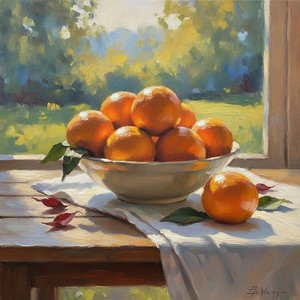
Sun-Drenched Citrus: The Vibrant Beauty of Oranges in Impressionist Masterpieces
Embark on a sensory journey through Impressionist masterpieces. Discover how Renoir and Cézanne captured the vibrant light and luscious textures of sun-drenched oranges in exquisite still life paintings designed to inspire and transform your home.

Beyond the Light: Discovering the Soul and Emotional Depth of Post-Impressionism
Embark on a cultural journey through Post-Impressionism. Discover the profound emotional depth of masters like Van Gogh and Cézanne, exploring how they moved beyond light to capture the very soul of human experience through vibrant color and symbolic form.

Capturing the Light: A Journey Through the Ethereal Magic of Impressionism and Post-Impressionism
Embark on a cultural journey through the luminous world of Impressionism. Discover the profound beauty of Monet, Van Gogh, and Cézanne through expert art history insights and explore how to bring these timeless masterpieces into your home with museum-quality hand-painted reproductions.
Esplora le opere d'arte organizzate per temi, stili e caratteristiche.


