


 Anteprima in scala reale
 Condividi
 Condividi
 Dettagli
 Guida stampabile

 Scarica
 Articoli simili
 Radiografia
 Slideshow
 Statistiche
Vista di L'Estaque
 Acrilico su tela
- Opere da parete
- Post-Impressionism
 1883
1883 60.0 x 73.0 cm
Scopri la Vista di L'Estaque di Cézanne (1883), un capolavoro dell'Impressionismo che cattura splendidi colori e paesaggi rurali. Acquista una riproduzione originale su tela di artisti qualificati.
 Leggi tutto
Esplora l'arte rivoluzionaria di Paul Cézanne (1839-1906), un maestro del Post-Impressionismo che ha colmato il divario tra Impressionismo e Cubismo. Scopri le sue forme geometriche, pennellate uniche, dipinti di natura morta e il suo impatto duraturo sull'arte moderna. #Cézanne #PostImpresionismo
Giclée / Stampe d'arte
Stampa giclée o su tela di qualità museale, con produzione rapida e diverse opzioni di finitura. ( Ordina la riproduzione dipinta a mano Passa all'immagine digitale)




P118B €10

P118H €10

P118W €10

P438Z €10

P508JH €12

P508YH €12

P805H €10

P805Z €10

P919BZ €10

P919G €10

P919XJ €10

P959ZH €10

P968JZ €12

W106C €8

W218G €10

W218JH €8

W218Y €10

W307PJ €10

W316G €10

W316PJ €8

W316Y €10

W398PJ €8

W4111J €10

W500HY €15

W500JH €15

W692G €12

W849H €8

W940BG €15

W953PJ €8




Standard
personalizzato
CM
INCH
Scegli tra le nostre dimensioni predefinite, che rispettano le proporzioni originali dell'opera d'arte.
Loading sizes...

larghezza
altezza
Inserisci la larghezza e l'altezza desiderate, per adattarle alla tua cornice o alla tua parete. Una stampa può essere solo ritagliata, mai resa più grande dell'immagine originale; pertanto, un formato con una forma differente comporterà la perdita di una parte dell'opera. Ti invieremo un mockup digitale da approvare prima di procedere con la stampa. L'immagine mostrata in questa pagina non rappresenta il ritaglio reale — solo il mockup lo mostra.
Consegna in tutto il mondo () in 2 settimane invece delle normali 4/5 settimane. (24 Ottobre)

Spedizione espressa gratuita in tutto il mondo

Tela in lino di alta qualità

Assicurazione completa sulla spedizione

Garanzia di rimborso dei dazi doganali

Garanzia di perfetta fedeltà cromatica

Politica di reso entro 100 giorni (solo per difetti di fabbricazione)

Garanzia di rimborso al 100%

Sconto per acquisti multipli
 L'opzione vetro è disponibile solo per dimensioni inferiori a 110 cm

Vista di L'Estaque
Giclée / Stampe d'arte
Dimensioni della riproduzione
-


Prezzo totale
€ 61
View of L'Estaque
Paul Cézanne’s View of L'Estaque, created in 1883, is a cornerstone of Post-Impressionism and represents Cézanne’s singular contribution to the artistic landscape of his time. Measuring 60 x 73 cm and executed in oil on canvas, this painting embodies the movement’s rejection of Impressionistic naturalism—a deliberate departure toward exploring underlying forms and structural elements within art.Contextual Background
The genesis of Post-Impressionism stemmed from a profound dissatisfaction with Impressionism's preoccupation with fleeting light effects and color palettes. Artists like Cézanne sought to transcend mere optical perception, delving into the essence of what they saw—the fundamental structure beneath the surface. Cézanne is often hailed as the pivotal figure bridging Impressionism’s final years and Cubism’s emergence, fundamentally reshaping artistic conventions. His unwavering dedication to capturing the solidity of objects and landscapes propelled this transformative shift.Artistic Innovations
View of L'Estaque showcases Cézanne’s distinctive techniques—characterized by repetitive brushstrokes and a deliberate layering process—that generate complex fields of color. These strokes don’t merely depict what is visible but actively construct it, mirroring Cézanne’s meticulous study of his subject matter. This revolutionary approach challenged traditional perspective and representation methods, establishing a precedent for subsequent artistic movements. The painting depicts a hillside town nestled beside the Mediterranean Sea, populated by houses, streets, and figures engaged in daily life—a scene imbued with palpable vitality thanks to Cézanne's masterful use of color and texture. A solitary dog adds an element of spontaneity and observation to the composition.Artistic Legacy
Initially met with skepticism from critics of his era, Cézanne’s genius was recognized early by fellow artists like Camille Pissarro and art dealer Ambroise Vollard. The first solo exhibition in Paris in 1895 solidified Vollard's faith in Cézanne’s vision, sparking broader acclaim. Henri Matisse and Pablo Picasso acknowledged Cézanne as “the father of us all,” underscoring his indelible influence on movements like Cubism—where geometric schemas and reduced color palettes directly responded to Cézanne’s pioneering explorations of form and structure. Cézanne's work continues to inspire artists globally, captivating audiences with its profound beauty and enduring relevance. Paul Cézanne: View of L'Estaque and Vincent Van Gogh: Pine Trees in Front of the Wall of the Asylum on TopImpressionists. To delve deeper into the Post-Impressionist movement and its influence, refer to Post-Impressionism Art Movement Introduction and Paul Cézanne on Wikipedia.Domande e risposte
Quale emozione trasmette "Vista di L'Estaque" di Paul Cézanne?
"Vista di L'Estaque" di Paul Cézanne trasmette un tono emotivo Contemplativo.
Posso esaminare "Vista di L'Estaque" più nel dettaglio?
"Vista di L'Estaque" può essere esaminata strato dopo strato nella pagina Raggi X dell'opera, un visualizzatore ispirato al banco luminoso di un restauratore con undici letture ottiche dell'immagine.
Dove e per quale scopo è consigliata "Vista di L'Estaque"?
"Vista di L'Estaque" di Paul Cézanne è consigliato per Accento cromatico, idealmente in un Zona giorno. L'uso e lo spazio aiutano a individuare l'ambiente ideale per una riproduzione.
Opere correlate


Biografia dell'artista
vitae e influenze
paul cézanne, pittore post-impressionista francese, nacque il 19 gennaio 1839 ad Aix-en-Provence, Francia. La sua giovinezza fu segnata da un forte legame con la famiglia e la sua attività bancaria, che gli fornirono sicurezza finanziaria. Ciò gli permise di concentrarsi sulle sue aspirazioni artistiche senza il peso dello stress finanziario. les nabis, neo-impressionismo e simbolismo influenzarono le prime opere di Cézanne, caratterizzate dall'enfasi sulle forme geometriche e su una tavolozza cromatica limitata. Il suo interesse per le opere di paul gauguin e georges seurat ha ulteriormente consolidato il suo stile post-impressionista.stile artistico e tecniche
L'uso innovativo di Cézanne dei piani cromatici e delle piccole pennellate ripetitive creava campi complessi che esprimevano il suo intenso studio dei soggetti. Il suo approccio spesso esploratorio all’arte portò allo sviluppo di una nuova lingua pittorica, che enfatizzava la struttura sottostante degli oggetti in una composizione.- caratteristiche principali:
- forme geometriche e faccette
- tavolozza cromatica ridotta
- enfasi sull'essenza costruttiva del mondo fisico
- prospettiva multipla e simultaneità
- opere influenti:
- the pond at jas de bouffan (1880)
- portrait of emile zola (1866)
- bosco (1892)
- musei che espongono le opere di Cézanne:
- musée marmottan monet a Parigi, Francia
- the museum of fine arts a Houston, Stati Uniti
eredità e impatto
L'opera pionieristica di Cézanne nel post-impressionismo ha aperto la strada a vari movimenti d’avanguardia, tra cui il cubismo, il fauvismo e il surrealismo. La sua influenza può essere vista nelle opere di pablo picasso, henri matisse e georges braque. L'eredità di Cézanne continua a ispirare artisti ed appassionati d’arte, consolidando il suo posto come figura fondamentale nella storia dell’arte moderna.- movimenti artistici correlati:
- visualizza le opere di Cézanne:

Paul Cézanne
1839 - 1906 , Francia
Informazioni rapide
- Artisti Che Hanno Influenzato:
- Paul Gauguin
- Georges Seurat
- Artisti Influenzati:
- Pablo Picasso
- Henri Matisse
- Georges Braque
- Data Di Nascita: 19 gennaio 1839
- Luogo Di Nascita: Aix-en-Provence, Francia
- Movimento Artistico: Post-Impressionismo
- Nazionalità: Francese
- Nome Completo: Paul Cézanne
- Opere Notevoli:
- Lo stagno a Jas de Bouffan
- Ritratto di Émile Zola
- Bosco
- Grandi Bagnanti
Articoli correlati
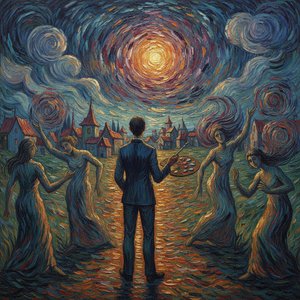
Beyond the Light: Capturing Emotion Through the Expressive Soul of Post-Impressionism
Explore the profound emotional depth of Post-Impressionism. Discover how masters like Van Gogh and Cézanne moved beyond light to capture raw feeling through color and texture. A journey into art history for the true connoisseur.
Esplora le opere d'arte organizzate per temi, stili e caratteristiche.


