


 Anteprima in scala reale
 Invia
Invia Condividi
 Dettagli opera
 Guida
Guida

 Scarica
 Simili
 Radiografia
 Slideshow
 Statistiche
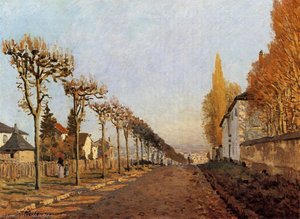
Avenue de Neuilly
 Oil On Panel
- Post-Impressionism
 19th Century
 51.0 x 65.0 cm
Experience the vibrant Post-Impressionist energy of Paul Sérusier's Avenue de Neuilly, capturing a warm, bustling street scene with bold color and texture; discover this masterpiece today.
 Espandi i dettagli
Scopri Paul Sérusier (1864-1927), pittore post-impressionista francese e pioniere dell'arte astratta. Esplora il suo stile cloisonnista, l'influenza sui Nabis e opere chiave come 'Il Talismano'.
Giclée / Stampe d'arte
Stampa giclée o su tela di qualità museale, con produzione rapida e diverse opzioni di finitura. ( Acquista il dipinto realizzato a mano Passa all'immagine digitale)




P118B €10

P118H €10

P118W €10

P438Z €10

P508JH €12

P508YH €12

P805H €10

P805Z €10

P919BZ €10

P919G €10

P919XJ €10

P959ZH €10

P968JZ €12

W106C €8

W218G €10

W218JH €8

W218Y €10

W307PJ €10

W316G €10

W316PJ €8

W316Y €10

W398PJ €8

W4111J €10

W500HY €15

W500JH €15

W692G €12

W849H €8

W940BG €15

W953PJ €8




Formato standard
su misura
CM
INCH
Scegli tra le nostre dimensioni predefinite, che rispettano le proporzioni originali dell'opera d'arte.
Loading sizes...

larghezza
altezza
Inserisci la larghezza e l'altezza desiderate, per adattarle alla tua cornice o alla tua parete. Una stampa può essere solo ritagliata, mai resa più grande dell'immagine originale; pertanto, un formato con una forma differente comporterà la perdita di una parte dell'opera. Ti invieremo un mockup digitale da approvare prima di procedere con la stampa. L'immagine mostrata in questa pagina non rappresenta il ritaglio reale — solo il mockup lo mostra.
Consegna in tutto il mondo () in 2 settimane invece delle normali 4/5 settimane. (25 Ottobre)

Spedizione espressa gratuita in tutto il mondo

Tela in lino di alta qualità

Assicurazione completa sulla spedizione

Garanzia di rimborso dei dazi doganali

Garanzia di fedeltà cromatica assoluta

Politica di reso entro 100 giorni (solo per difetti di fabbricazione)

Garanzia di rimborso al 100%

Offerta per acquisti multipli
 L'opzione vetro è disponibile solo per dimensioni inferiori a 110 cm

Avenue de Neuilly
Giclée / Stampe d'arte
Dimensioni riproduzione
-


Prezzo finale calcolato
€ 61
A Luminous Journey Through Parisian Life
To gaze upon Paul Sérusier's Avenue de Neuilly is to step directly into a sun-drenched moment of late nineteenth-century Paris, filtered through the vibrant lens of Post-Impressionism. This painting is far more than a mere depiction of an avenue; it is an immersion into atmosphere, energy, and the burgeoning spirit of modern art. The scene unfolds with remarkable vitality, capturing the rhythm of daily life—the gentle passage of horse-drawn carriages mingling with the purposeful stride of pedestrians. From the warm wash of yellows and oranges that seem to emanate from the very cobblestones, one feels the palpable warmth of a low sun casting long shadows across the urban expanse.
The Brushwork of Modern Vision
Technically, the work is a masterclass in expressive application. Sérusier’s visible brushstrokes are not incidental; they are integral to the painting's narrative texture. They lend a palpable physicality to the scene, allowing the viewer to sense the impasto and the energy with which the paint was laid down. This textural quality is a hallmark of the Post-Impressionist movement, signaling a shift where the act of painting itself became as important as the subject matter. The foliage lining the avenue, rendered with spirited dabs of color, seems almost alive, vibrating with captured light and shadow.
Echoes of Symbolism and Influence
As a key member of the Nabi movement, Sérusier was deeply engaged in pushing art beyond mere imitation. While the subject is recognizably urban—the architecture suggesting a grand, established Parisian thoroughfare—the emotional resonance elevates it to something symbolic. The composition guides the eye deep into the vanishing point, creating a sense of journey or destiny along the avenue. Influenced by masters like Gauguin, Sérusier imbues the scene with an inner light, suggesting that the beauty captured here is not just topographical, but deeply felt and interpreted.
Bringing Parisian Vibrancy Home
For the collector or designer seeking to infuse a space with artistic depth and historical romance, this reproduction offers unparalleled character. The combination of bold color theory, dynamic composition, and palpable texture makes it an immediate focal point. Owning a piece inspired by Avenue de Neuilly is acquiring not just art, but a tangible connection to the revolutionary spirit of early modernism—a vibrant echo of Parisian life captured forever in oil on panel.
Domande e risposte
Quanto sono armoniosi i colori di "Avenue de Neuilly"?
L'armonia cromatica di "Avenue de Neuilly" è descritta come Strong Color Unity.
Cosa rappresenta "Avenue de Neuilly" e quale atmosfera trasmette?
"Avenue de Neuilly" di Paul Sérusier ritrae street scene, avenue, post-impressionism, urban life, warm colors, figures, carriages, con un'atmosfera Nostalgic. Il soggetto e l'atmosfera insieme descrivono l'opera.
In che modo lo stile e l'epoca si incontrano in "Avenue de Neuilly" di Paul Sérusier?
"Avenue de Neuilly" di Paul Sérusier appartiene al movimento Post-Impressionism, inserendosi nel contesto dell'epoca XIX secolo del suo autore.
Opere simili



Biografia dell'artista
Primi anni e formazione
Paul Sérusier, nato Louis-Paul-Henri Sérusier il 9 novembre 1864 a Parigi, intraprese un percorso artistico che lo avrebbe portato a pioniere dell'arte astratta e a ispirare il movimento d’avanguardia dei Nabi, il sintetismo e il cloisonnismo. Studiò all'Académie Julian, dove divenne monitor negli anni '80 dell'Ottocento.Carriera Artistica
Nell'estate del 1888, Sérusier si recò a Pont-Aven, dove si unì a un piccolo gruppo di artisti incentrato attorno a Paul Gauguin. Sotto la stretta supervisione di Gauguin, dipinse "Il Talismano", un esercizio estremo nel cloisonnismo che si avvicinava alla pura astrazione. Quest'opera presentò il suo stile innovativo e la sua volontà di sperimentare nuove tecniche. Come pittore post-impressionista, Sérusier faceva parte del gruppo Les Nabis, insieme a Pierre Bonnard, Édouard Vuillard e Maurice Denis. Sebbene non sia ampiamente riconosciuto come alcuni dei suoi pari, i contributi di Sérusier allo sviluppo dell'arte astratta sono innegabili.Opere Principali e Eredità
Tra le opere più significative di Sérusier si annoverano:- L’Averse (1893), Musée d'Orsay, Parigi
- Ritratto di Paul Ranson (1890), Musée d'Orsay, Parigi
- Melanconia (1890)
- I mangiatori di serpenti (1894), Muzeum Narodowe, Varsavia
Influenze e Movimenti Artistici
Il lavoro di Sérusier fu influenzato dal cloisonnismo, uno stile caratterizzato da forme audaci e piatte separate da contorni scuri. Questo movimento, emerso alla fine del XIX secolo, ha svolto un ruolo significativo nella formazione dello sviluppo dell'arte moderna. Sérusier si è anche ispirato alle teorie di Gauguin sul sintetismo, che incoraggiavano gli artisti a semplificare la natura e ad esprimere le proprie emozioni attraverso colori audaci e forme stilizzate. Il suo coinvolgimento con i Nabi ha portato alla sperimentazione con simbolismo, decorazione e una ricerca di armonia tra arte e vita.Sviluppo Artistico e Significato Storico
L'evoluzione artistica di Sérusier può essere tracciata attraverso la sua transizione da un approccio più realista a uno sempre più astratto. "Il Talismano" segna un punto cruciale in questa evoluzione, dimostrando il suo impegno per una rappresentazione non oggettiva della realtà e aprendo la strada all'arte astratta. Il suo ruolo come leader dei Nabi ha contribuito alla diffusione di nuove idee artistiche e ha influenzato generazioni successive di artisti. La sua enfasi sull’espressione personale e sulla sintesi tra arte, natura e spiritualità lo rende una figura chiave nella storia dell'arte moderna.
Paul Sérusier
1864 - 1927 , Francia
Dettagli rapidi
- Artisti Influenti:
- Paul Gauguin
- Émile Bernard
- Artisti Influenzati:
- Maurice Denis
- Pierre Bonnard
- Édouard Vuillard
- Data Di Nascita: 9 novembre 1864
- Luogo Di Nascita: Parigi, Francia
- Movimento Artistico: Post-Impressionismo, Nabis
- Nazionalità: Francese
- Nome Completo: Paul Sérusier
- Opere Notevoli:
- L'Averse (1893)
- Ritratto di Paul Ranson (1890)
- Melanconia (1890)
- I mangiatori di serpenti (1894)
Articoli correlati
Capturing Emotion: A Journey Through the Soul of Expressionist Landscapes
Explore the profound emotional depth of Expressionist landscapes. Discover how Post-Impressionist masters moved beyond light to capture the soul through vibrant color and form. A curated journey for true art lovers seeking the beauty of expressive mastery.

Beyond the Light: Discovering the Soul and Emotional Depth of Post-Impressionism
Embark on a cultural journey through Post-Impressionism. Discover the profound emotional depth of masters like Van Gogh and Cézanne, exploring how they moved beyond light to capture the very soul of human experience through vibrant color and symbolic form.
Esplora le opere d'arte organizzate per temi, stili e caratteristiche.


