

 Anteprima in scala reale
 Invia
Invia Condividi
 Dettagli opera
 Guida
Guida

 Scarica
 Simili
 Radiografia
 Slideshow
 Statistiche
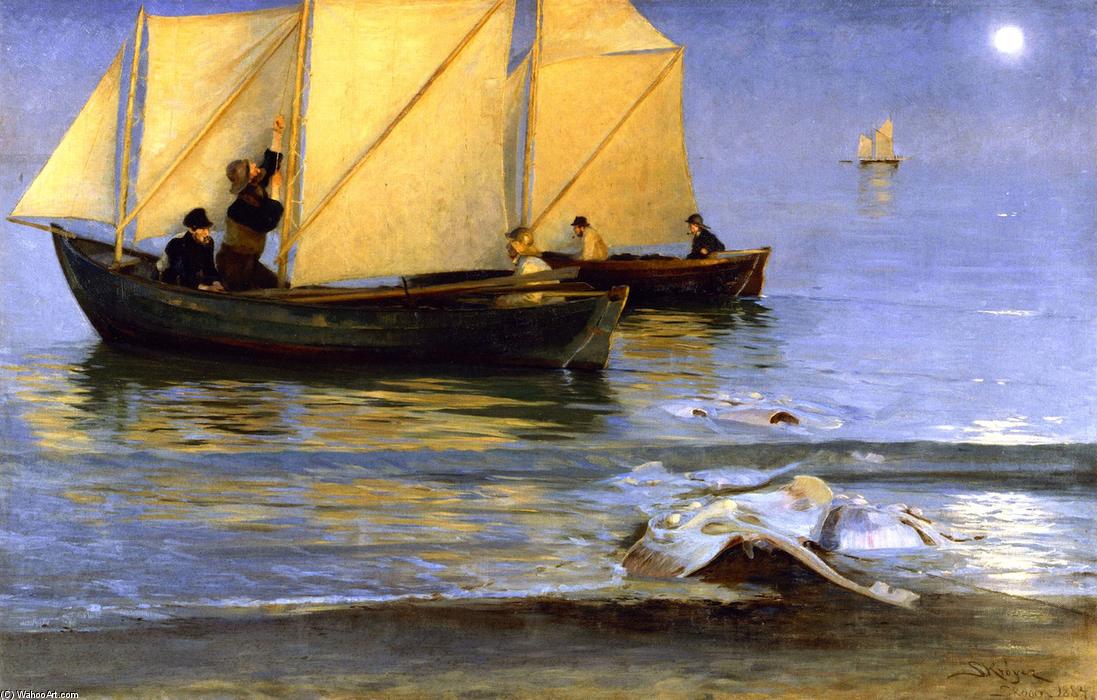
Barche da pesca
 Olio su tela
- Arte da parete
- Scuola di Skagen
 1884
1884- XIX secolo
 160.0 x 245.0 cm
 Musée d'Orsay
Esplora Fishing Boats (1884) di Peder Severin Kroyer, un olio vibrante sulla vita a Skagen. Scopri questo capolavoro al Musée d'Orsay.
 Espandi i dettagli
Scopri Peder Severin Krøyer (1851-1909), pittore danese maestro del Realismo e dell'Impressionismo, celebre per paesaggi luminosi e opere iconiche come "Estate al tramonto sulla spiaggia meridionale di Skagen".
Riproduzione a olio fatta a mano
Olio su tela dipinto a mano nelle tue dimensioni e con la tua cornice, realizzato su ordinazione dai nostri artisti. ( Passa alle stampe Passa all'immagine digitale)




P118B €10

P118H €10

P118W €10

P438Z €10

P508JH €12

P508YH €12

P805H €10

P805Z €10

P919BZ €10

P919G €10

P919XJ €10

P959ZH €10

P968JZ €12

W106C €8

W218G €10

W218JH €8

W218Y €10

W307PJ €10

W316G €10

W316PJ €8

W316Y €10

W398PJ €8

W4111J €10

W500HY €15

W500JH €15

W692G €12

W849H €8

W940BG €15

W953PJ €8




Formato standard
su misura
CM
INCH
Scegli tra le nostre dimensioni predefinite, che rispettano le proporzioni originali dell'opera d'arte.
Loading sizes...

larghezza
altezza
Inserisci la larghezza e l'altezza desiderate, per adattarle alla tua cornice o alla tua parete. Trattandosi di un'opera dipinta a mano, in caso di dimensioni con un formato differente, l'artista può estendere leggermente il dipinto oltre i bordi dell'immagine o ritagliare una piccola parte — la scelta spetta a te. Ti invieremo un mockup digitale da approvare prima che la realizzazione abbia inizio. L'immagine mostrata in questa pagina non rappresenta il risultato finale — solo il mockup lo fa.
Esempi di ciò che può essere modificato: sostituire il volto con una foto del cliente; aggiungere un animale domestico (ad esempio, sostituire un gatto con un cane); inserire un messaggio nascosto nello sfondo; cambiare il paesaggio o gli elementi dello sfondo.
Dopo l'ordine, il team di TopImpressionists.com contatterà il cliente via e-mail per ricevere le istruzioni e fornirà un'anteprima del mockup
Dopo l'ordine, il team di TopImpressionists.com contatterà il cliente via e-mail per ricevere le istruzioni e fornirà un'anteprima del mockup
Consegna in tutto il mondo () in 3/4 settimane anziché nelle normali 5 settimane. (27 Ottobre). Nessun compromesso sulla qualità.

Spedizione espressa gratuita in tutto il mondo

Tela in lino di alta qualità

Assicurazione completa sulla spedizione

Garanzia di rimborso dei dazi doganali

Garanzia di fedeltà cromatica assoluta

Politica di reso entro 100 giorni (solo per difetti di fabbricazione)

Garanzia di rimborso al 100%

Offerta per acquisti multipli
 L'opzione vetro è disponibile solo per dimensioni inferiori a 110 cm

Barche da pesca
Tecnica di riproduzione
Dimensioni riproduzione
-


Prezzo finale calcolato
€ 237
Un Notturno di Resilienza: L'Anima della Visione Costiera di Krøyer
Nelle ore silenziose e illuminate dalla luna del 1884, Peder Severin Krøyer catturò molto più di un semplice evento marittimo; egli immortalò l'essenza stessa dello spirito scandinavo. "Barche da pesca" non è solo la rappresentazione di una scena costiera, ma una narrazione evocativa della sfida umana contro l'immensità travolgente della natura. Come esponente della rinomata Scuola di Skagen, Krøyer utilizzò il suo background unico—un connubio tra la precisione scientifica derivante dai suoi studi zoologici e una profonda sensibilità estetica—per documentare una spedizione di pesca notturna con una chiarezza sorprendente. La tela vibra della tensione di una balena colossale trascinata su una spiaggia sabbiosa, un momento in cui la lotta per la sopravvivenza incontra il trionfo dello sforzo collettivo. Per il collezionista esperto, quest'opera offre una finestra su un mondo in cui i confini tra uomo e mare sfumano sotto il bagliore argenteo di una luna piena.
La maestria tecnica esibita in quest'opera serve ad approfondirne la risonanza emotiva. Sebbene lo stile di Krøyer sia saldamente ancorato all'Impressionismo, egli evita le qualità fugaci ed effimere dei suoi contemporanei francesi a favore di un realismo più radicato. Attraverso l'uso magistrale dell'impasto, Krøyer applica strati spessi e materici di pittura a olio che permettono allo spettatore di percepire la ruvidità della sabbia battuta dal vento e lo sforzo muscolare dei pescatori. La composizione è un brillante studio di chiaroscuro; la luce emana dalle lanterne montate sulle barche, proiettando riflessi drammatici contro i blu e i verdi profondi del mare notturno. Questo intreccio di luci e ombre crea un'energia palpabile, guidando l'occhio verso il centro della lotta e ancorando lo spettatore al movimento ritmico delle onde.
Simbolismo e l'Incanto Senza Tempo della Scuola di Skagen
Oltre allo splendore visivo, "Barche da pesca" funge da profondo veicolo simbolico. La grande balena, che domina il primo piano, rappresenta sia le ricche ricompense del mare sia i pericoli intrinseci delle profondità. È un simbolo di abbondanza che richiede rispetto e fatica fisica, rispecchiando la più ampia esperienza umana di affrontare le grandi sfide della vita attraverso la perseveranza e la cameratismo. La stabilità orizzontale della linea costiera e i pennoni verticali delle barche forniscono un equilibrio strutturale alle forme organiche e vorticose delle onde e della balena, suggerendo un senso di ordine anche nel caos della caccia. Questo equilibrio rende l'opera una scelta eccezionale per l'interior design, poiché fornisce un punto focale sofisticato che cattura l'attenzione senza sopraffare la serenità di una stanza.
Per coloro che desiderano adornare i propri spazi con un'arte che ispiri contemplazione, questa riproduzione offre un'opportunità senza pari di possedere un frammento di storia scandinava. Il dipinto cattura la luce unica della penisola di Skagen—un luogo dove gli artisti si riunivano per trovare la bellezza nel selvaggio e nell'aspro. Appendere quest'opera significa invitare nella propria casa l'atmosfera di una costa danese illuminata dalla luna, portando con sé temi di forza, connessione e l'eterna bellezza del mondo naturale. È un investimento in una narrazione di resilienza che rimane attuale oggi tanto quanto lo era alla fine del diciannovesimo secolo.
Domande e risposte
In che modo "Barche da pesca" bilancia luci e ombre?
I valori rilevati per "Barche da pesca" di Peder Severin Kroyer sono: luminosità luminoso, luminanza Luminosità media.
Qual è il formato di stampa consigliato per "Barche da pesca" – che dimensioni e quale orientamento?
Per "Barche da pesca", la configurazione di stampa consigliata è un formato Grande formato con orientamento Formato orizzontale.
Quale emozione trasmette l'opera del Scuola di Skagen "Barche da pesca"?
All'interno del movimento Scuola di Skagen, "Barche da pesca" si distingue per il suo tono Riflessivo.
Opere simili




Biografia dell'artista
A Life Painted in Light: The World of Peder Severin Krøyer
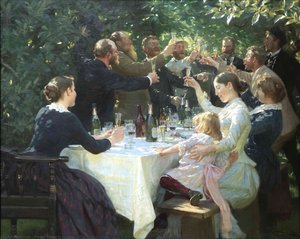
Peder Severin Krøyer, a name perhaps less instantly recognizable than some of his Impressionist contemporaries, nevertheless occupies a pivotal position within Scandinavian art. Born in Stavanger, Norway, on 23 July 1851 to Ellen Cecilie Gjesdal. He was raised by Gjesdal’s sister, Bertha Cecilie (born 1817) and brother-in-law, the Danish zoologist Henrik Nikolai Krøyer, after his mother was judged unfit to care for him. This unusual upbringing instilled in him a profound appreciation for observation and precision—qualities that would profoundly shape his artistic approach. While details of his earliest years remain somewhat elusive, it’s clear that an aptitude for art was nurtured from a young age, leading to enrollment at the Royal Danish Academy of Art at just fourteen. He quickly distinguished himself, demonstrating a natural talent that promised a successful career. His formal artistic education began at the Academy in Copenhagen where he studied under Frederik Vermehren—a formative experience that cemented his commitment to mastering technique and exploring diverse stylistic possibilities. It was during this period that Krøyer honed his skills as a portrait painter, securing commissions that established him as a respected artist within Danish society. He excelled at capturing likenesses with remarkable accuracy, reflecting the prevailing aesthetic sensibilities of the time—a focus on realism tempered by an awareness of artistic conventions.From Realism to the Shifting Sands of Impressionism
Krøyer’s artistic journey began firmly rooted in realism, particularly portraiture – a genre highly esteemed and financially viable during his formative years. He excelled at capturing likenesses with remarkable accuracy, reflecting the prevailing aesthetic sensibilities of the time—a focus on realism tempered by an awareness of artistic conventions. However, the winds of change were blowing across Europe, carrying with them the revolutionary ideas of Impressionism. Krøyer was not immune to their allure. Several trips to Paris exposed him to the groundbreaking work of Monet, Renoir, Degas, and others, artists who dared to abandon traditional techniques in favor of capturing fleeting moments of light and atmosphere. He absorbed these influences, gradually incorporating them into his own style. This wasn’t a wholesale adoption, however; Krøyer didn't simply replicate Impressionism. Instead, he synthesized it with his existing realist training, creating a distinctive aesthetic that balanced meticulous observation with an evocative sense of mood and transience. He continued to travel throughout his life, constantly drawing inspiration from foreign artists and cultures. His presence in Italy was attested to Ravello in 1890, where he spent considerable time pursuing his artistic interests and cultivating relationships with fellow artists. He married Marie Triepcke in 1889, who herself was a talented painter and frequent subject in his work. It was at Skagen that Krøyer truly found his voice, producing some of his most iconic paintings – scenes of beach life, fishermen at work, and intimate portraits of his fellow artists. Summer Evening on Skagen Sønderstrand, perhaps his most famous work, exemplifies this period; it's a masterful depiction of light, atmosphere, and the camaraderie of the artistic circle. The painting is not merely a representation of a scene but an evocation of a feeling – a sense of peace, belonging, and the ephemeral beauty of summer.Skagen: A Colony of Light and Inspiration
The turning point in Krøyer’s career – and arguably the period for which he is most celebrated – came with his discovery of Skagen, a remote fishing village on the northern tip of Denmark. He first arrived there in 1882, drawn by the dramatic coastal landscapes and the unique quality of light that bathed the region. Skagen quickly became more than just a location; it was an artistic haven, attracting a vibrant colony of painters, writers, and intellectuals. Krøyer became central to this community, forging close friendships with artists like Michael and Anna Ancher, and writer Holger Drachmann. He married Marie Triepcke in 1889, who herself was a talented painter and frequent subject in his work. It was at Skagen that Krøyer truly found his voice, producing some of his most iconic paintings – scenes of beach life, fishermen at work, and intimate portraits of his fellow artists. Summer Evening on Skagen Sønderstrand, perhaps his most famous work, exemplifies this period; it's a masterful depiction of light, atmosphere, and the camaraderie of the artistic circle. The painting is not merely a representation of a scene but an evocation of a feeling – a sense of peace, belonging, and the ephemeral beauty of summer. ## Later Years and Enduring Legacy The final years of Krøyer’s life were marked by personal tragedy and declining health. His marriage to Marie deteriorated, culminating in divorce in 1905. Simultaneously, he began to suffer from failing eyesight, a devastating blow for any artist but particularly poignant for one so dedicated to capturing the nuances of light. Despite these challenges, Krøyer continued to paint, demonstrating remarkable resilience and determination. He adapted his technique to accommodate his diminishing vision, even joking that losing an eye had somehow improved the sight in his remaining one. He died in 1909 at Skagen, leaving behind a rich artistic legacy. While he may not have achieved the same international renown as some of his Impressionist peers, Peder Severin Krøyer remains a towering figure in Scandinavian art. His paintings offer a unique window into a specific time and place – the vibrant artistic community of Skagen and the serene beauty of the Danish coastline. He masterfully blended realism with impressionistic techniques, creating works that are both visually stunning and emotionally resonant.
Peder Severin Kroyer
1851 - 1909 , Norvegia
Dettagli rapidi
- Artistic Movement Or Style: Realism, Impressionism
- Artists Who Influenced This Artist: ['Claude Monet']
- Date Of Birth: 1851
- Date Of Death: 1909
- Full Name: Peder Severin Krøyer
- Nationality: Danish
- Notable Artworks:
- Hip, Hip, Hurrah!
- Summer Day at Skagen
- Place Of Birth: Stavanger, Norway
Articoli correlati

The Barbizon School: The Soulful Origins of Impressionism's Natural Light and Atmospheric Mastery
Discover the profound influence of the Barbizon School on Impressionism. Explore how these masters captured natural light and atmospheric beauty through plein air painting, paving the way for Monet and Renoir. A journey into the soulful origins of landscape art history.

Capturing the Light: A Journey Through the Soul of American Impressionism and the Hudson River School
Explore the luminous beauty of American Impressionism and the Hudson River School. Discover a curated journey through light, landscape, and history, celebrating the enduring legacy of masters through exquisite, hand-painted oil reproductions for the discerning art lover.
Esplora le opere d'arte organizzate per temi, stili e caratteristiche.
