


 Anteprima in scala reale
 Condividi
 Condividi
 Dettagli
 Guida stampabile

 Scarica
 Articoli simili
 Radiografia
 Slideshow
 Statistiche
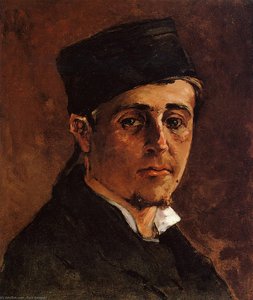
Self Portrait
 Acrylic On Canvas
- WallArt
- British Impressionism
 1920
1920 74.0 x 59.0 cm
 Fitzwilliam College
Philip Wilson Steer's "The President Woodrow Wilson House" captures a contemplative man in a suit, showcasing his signature Impressionistic style and masterful use of light & shadow. Explore this evocative portrait.
 Leggi tutto
Scopri Philip Wilson Steer (1860-1942), pittore impressionista britannico di paesaggi e marine. Esplora le sue opere illuminate dall'influenza di Manet & Whistler, ora nelle collezioni Tate e Uffizi.
Giclée / Stampe d'arte
Stampa giclée o su tela di qualità museale, con produzione rapida e diverse opzioni di finitura. ( Ordina la riproduzione dipinta a mano Passa all'immagine digitale)




P118B €10

P118H €10

P118W €10

P438Z €10

P508JH €12

P508YH €12

P805H €10

P805Z €10

P919BZ €10

P919G €10

P919XJ €10

P959ZH €10

P968JZ €12

W106C €8

W218G €10

W218JH €8

W218Y €10

W307PJ €10

W316G €10

W316PJ €8

W316Y €10

W398PJ €8

W4111J €10

W500HY €15

W500JH €15

W692G €12

W849H €8

W940BG €15

W953PJ €8




Standard
personalizzato
CM
INCH
Scegli tra le nostre dimensioni predefinite, che rispettano le proporzioni originali dell'opera d'arte.
Loading sizes...

larghezza
altezza
È possibile inserire dimensioni personalizzate per adattare l'opera a una cornice o a uno spazio specifico. Se la dimensione selezionata non corrisponde alle proporzioni dell'immagine originale, procederemo al ritaglio dell'opera o all'estensione dell'immagine con un bordo specchiato o a tinta unita. Un mockup digitale ti verrà inviato per approvazione prima dell'inizio della produzione.
Si prega di notare che l'anteprima a schermo non riflette il ritaglio o l'estensione effettivi. Solo il mockup mostrerà accuratamente la composizione finale.
Sebbene siano disponibili dimensioni personalizzate, si raccomanda di selezionare una dimensione dall'elenco predefinito per preservare le proporzioni originali.
Consegna in tutto il mondo () in 2 settimane invece delle normali 4/5 settimane. (7 Ottobre)

Spedizione espressa gratuita in tutto il mondo

Tela in lino di alta qualità

Assicurazione completa sulla spedizione

Garanzia di rimborso dei dazi doganali

Garanzia di perfetta fedeltà cromatica

Politica di reso entro 100 giorni (solo per difetti di fabbricazione)

Garanzia di rimborso al 100%

Sconto per acquisti multipli
 L'opzione vetro è disponibile solo per dimensioni inferiori a 110 cm

Self Portrait
Giclée / Stampe d'arte
Dimensioni della riproduzione
-


Prezzo totale
€ 59
A Portrait of Quiet Intensity: Philip Wilson Steer’s “The President Woodrow Wilson House”
Philip Wilson Steer's "The President Woodrow Wilson House," painted in 1920, isn’t merely a depiction of a building; it’s a carefully constructed tableau brimming with subtle symbolism and imbued with the melancholic beauty characteristic of the artist. This oil-on-canvas work, measuring 74 x 59 cm, transports us to a moment suspended between formality and introspection – a visual poem reflecting on leadership, memory, and the quiet dignity of American history. Steer, a pivotal figure in British Impressionism, masterfully employs a muted palette dominated by greys, blues, and browns, creating an atmosphere of subdued light and contemplative stillness. The composition itself is deliberately restrained, focusing intently on the imposing façade of the Wilson House in Washington D.C., rendered with a remarkable sensitivity to texture and light.
The Impressionist’s Lens: Technique and Style
Steer's approach aligns closely with the tenets of Impressionism, yet he transcends simple replication. He doesn’t strive for photographic accuracy but rather captures an *impression* – a fleeting moment imbued with feeling. Notice how he utilizes broken brushstrokes to suggest the play of light on the stone walls and the subtle shifts in shadow. The artist's layering technique is particularly evident in the rendering of the building’s surface, where individual strokes coalesce to create a sense of depth and volume. Steer was deeply influenced by John Constable and J.M.W. Turner, artists known for their atmospheric landscapes and masterful use of light and color. This influence is palpable in Steer's ability to evoke a specific mood through his manipulation of tone and texture – a feeling of quiet contemplation and perhaps even a touch of wistful nostalgia.
Symbolism Within the Frame: Leadership and Reflection
The choice of subject matter—the Wilson House—is rich in symbolic potential. Woodrow Wilson, the 28th President of the United States, was a complex figure – lauded for his leadership during World War I but also criticized for his handling of racial issues at home. Steer’s painting doesn't offer a straightforward portrait of Wilson himself, instead focusing on the building that housed him and, by extension, representing the weight of responsibility and the enduring legacy of power. The muted colors and the solitary nature of the scene suggest a reflection on leadership itself – its burdens, its triumphs, and its inevitable passage of time. The composition’s stillness invites viewers to contemplate the unseen narratives contained within those walls.
A Legacy of Light: Steer's Influence and Artistic Context
Philip Wilson Steer was a significant figure in British art, bridging the gap between Impressionism and a more traditional English style. His work gained recognition during his time as a painting tutor at the Slade School of Fine Art, where he profoundly influenced generations of young artists. His exploration of coastal scenes, particularly those along the Suffolk coast, cemented his reputation for capturing the ethereal beauty of the British landscape. “The President Woodrow Wilson House” stands as a testament to Steer’s ability to imbue seemingly simple subjects with profound emotional resonance. It's a poignant reminder that even in grand architectural settings, moments of quiet contemplation and subtle symbolism can hold immense artistic value. Reproductions of this piece offer a captivating glimpse into the artist’s world and invite viewers to engage with the complexities of American history through the lens of Impressionist artistry.
Domande e risposte
A quale fase della carriera di Philip Wilson Steer appartiene "Self Portrait" (1920)?
La data del 1920 colloca "Self Portrait" nel Late Period dello sviluppo di Philip Wilson Steer.
A che età Philip Wilson Steer ha realizzato "Self Portrait"?
Quando "Self Portrait" fu creata nel 1920, Philip Wilson Steer - nato nel 1860 - aveva 60 anni.
Quali tecnica e stile caratterizzano "Self Portrait" di Philip Wilson Steer?
"Self Portrait" è realizzata in Acrylic On Canvas, nello stile British Impressionism.
Quale stato d'animo esprime "Self Portrait" di Philip Wilson Steer all'interno di British Impressionism?
L'emozione Reflective di "Self Portrait" accompagna il suo stile British Impressionism.
In che anno è stata creata "Self Portrait" di Philip Wilson Steer?
"Self Portrait" di Philip Wilson Steer è stata creata nel 1920.
A quale artista è attribuito "Self Portrait"?
L'artista che ha creato "Self Portrait" è Philip Wilson Steer. L'opera è catalogata sotto il nome di Philip Wilson Steer.
A quale corrente artistica appartiene "Self Portrait" di Philip Wilson Steer?
"Self Portrait" è un'opera di British Impressionism. Il movimento indica la tradizione artistica di cui l'opera fa parte.
Opere correlate


Biografia dell'artista
Gli Albori di un Maestro: Vita e Formazione di Philip Wilson Steer
Philip Wilson Steer, nato a Birkenhead nel 1860, incarnò una nuova sensibilità artistica in un’Inghilterra ancora legata alla tradizione. La sua infanzia, trascorsa inizialmente nella vivace cittadina portuale, fu presto segnata da un trasferimento nella campagna del Monmouthshire, dove la famiglia si stabilì a Whitchurch. Questo contatto primario con la natura inglese avrebbe permeato profondamente la sua arte, diventando una fonte inesauribile di ispirazione. La formazione scolastica iniziale presso l’Hereford Cathedral School fornì le basi culturali necessarie, ma fu l'arte che lo chiamava insistentemente. Steer intraprese studi formali alla Gloucester School of Art e successivamente alle South Kensington Drawing Schools, affinando le sue capacità tecniche e sviluppando un occhio attento all’osservazione del mondo circostante. Tuttavia, il vero punto di svolta nella sua carriera artistica fu il trasferimento a Parigi nel 1882. Lì, presso l'Académie Julian e poi sotto la guida di Alexandre Cabanel all'École des Beaux Arts, Steer entrò in contatto con le avanguardie artistiche del momento, assorbendo le influenze dell’Impressionismo e scoprendo un nuovo modo di concepire la pittura.L’Influenza Parigina e l’Affermazione dello Stile
Parigi fu per Steer una rivelazione. L'incontro con opere di artisti come Édouard Manet e James McNeill Whistler lo segnò profondamente, aprendogli gli occhi a nuove possibilità espressive. Whistler, in particolare, con la sua ricerca di armonia cromatica e l’attenzione alla composizione, esercitò un'influenza duratura sul suo stile. Steer non si limitò ad imitare i maestri francesi, ma seppe rielaborare le loro innovazioni alla luce della propria sensibilità inglese. Tornato a Londra, iniziò a sviluppare uno stile distintivo, caratterizzato da una pennellata sciolta e vibrante, un’attenzione particolare agli effetti di luce e atmosfera, e una predilezione per i soggetti en plein air. Le sue prime opere rivelano già questa ricerca di immediatezza e freschezza, catturando momenti fugaci della vita quotidiana e paesaggi marini avvolti in una luce argentea e traslucida. Opere come The Music Room, realizzata durante il suo periodo formativo, dimostrano la sua precoce maestria nella composizione e nell’uso del colore.Il New English Art Club e l'Impegno per l'Arte Moderna
Steer non fu solo un pittore talentuoso, ma anche un instancabile promotore dell'arte moderna in Gran Bretagna. Consapevole della necessità di creare uno spazio espositivo indipendente dai rigidi canoni accademici, nel 1886 partecipò attivamente alla fondazione del New English Art Club (NEAC). Questo gruppo di artisti progressisti si proponeva di dare visibilità alle nuove tendenze artistiche, promuovendo l'innovazione e la sperimentazione. Steer espose regolarmente con il NEAC, contribuendo a diffondere le idee dell’Impressionismo in un contesto ancora ostile alla modernità. La sua partecipazione all'Esposizione Impressionista di Londra del 1889 fu un momento cruciale per l'affermazione di questo movimento artistico nel Regno Unito. Parallelamente all'attività espositiva, Steer si dedicò anche all’insegnamento, diventando docente alla Slade School of Art, dove influenzò generazioni di giovani artisti con il suo approccio innovativo e la sua passione per la pittura en plein air.Evoluzione Stilistica e Eredità Duratura
Nel corso della sua lunga carriera, lo stile di Philip Wilson Steer subì un’evoluzione graduale. Pur rimanendo fedele ai principi dell'Impressionismo, egli incorporò elementi della pittura inglese tradizionale, rivelando un profondo apprezzamento per il patrimonio artistico del suo paese. I suoi paesaggi e le sue marine divennero sempre più caratterizzati da una maggiore solidità formale e da una pennellata più controllata, pur mantenendo la freschezza cromatica e l'attenzione alla luce che lo avevano contraddistinto fin dall’inizio. Opere come Girls Running: Walberswick Pier, con la sua vivace rappresentazione di una scena balneare, e The Teme at Ludlow, un paesaggio sereno e contemplativo, testimoniano questa maturità artistica. Steer continuò a dipingere fino al 1940, quando problemi di salute lo costrinsero ad abbandonare l'attività. Morì nel 1942 all’età di 81 anni, lasciando un’eredità duratura che continua a ispirare artisti e appassionati d’arte in tutto il mondo. Le sue opere sono oggi conservate in importanti musei come la Tate Gallery e la Uffizi Gallery, testimoniando il suo ruolo fondamentale nella storia dell'arte britannica.
Philip Wilson Steer
1860 - 1942 , Regno Unito
Informazioni rapide
- Artisti Che Lo Influenzarono:
- Manet
- Whistler
- Constable
- Turner
- Artisti/Movimenti Influenzati: ['Impressionismo britannico']
- Data Di Morte: 18 marzo 1942
- Data Di Nascita: 28 dicembre 1860
- Luogo Di Nascita: Birkenhead, Regno Unito
- Movimento Artistico: Impressionismo
- Nazionalità: Britannico
- Nome Completo: Philip Wilson Steer
- Opere Notevoli:
- The Music Room
- Girls Running
- Convalescent
- The Teme at Ludlow
Articoli correlati

Beyond the Light: Discovering the Soul and Emotional Depth of Post-Impressionism
Embark on a cultural journey through Post-Impressionism. Discover the profound emotional depth of masters like Van Gogh and Cézanne, exploring how they moved beyond light to capture the very soul of human experience through vibrant color and symbolic form.

Capturing the Light: A Journey Through the Ethereal Magic of Impressionism and Post-Impressionism
Embark on a cultural journey through the luminous world of Impressionism. Discover the profound beauty of Monet, Van Gogh, and Cézanne through expert art history insights and explore how to bring these timeless masterpieces into your home with museum-quality hand-painted reproductions.
Esplora le opere d'arte organizzate per temi, stili e caratteristiche.


