

 Anteprima in scala reale
 Invia
Invia Condividi
 Dettagli opera
 Guida
Guida

 Scarica
 Simili
 Radiografia
 Slideshow
 Domande e risposte
 Statistiche
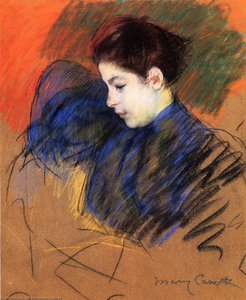
Testa di Giovane Donna


Scopri "Testa di Giovane Donna", un affascinante ritratto impressionista di Pierre-Auguste Renoir, eseguito nel 1878. Ammira i suoi colori vibranti e lo stile innovativo che hanno ispirato artisti del XX secolo.
 Espandi i dettagli
Esplora il mondo vibrante di Pierre-Auguste Renoir (1841-1919), un pittore impressionista di spicco celebrato per i suoi ritratti luminosi, scene della vita parigina e la bellezza femminile. Scopri il suo lascito e i contributi artistici della sua famiglia.
Giclée / Stampe d'arte
Stampa giclée o su tela di qualità museale, con produzione rapida e diverse opzioni di finitura. ( Acquista il dipinto realizzato a mano Passa all'immagine digitale)




P118B €10

P118H €10

P118W €10

P438Z €10

P508JH €12

P508YH €12

P805H €10

P805Z €10

P919BZ €10

P919G €10

P919XJ €10

P959ZH €10

P968JZ €12

W106C €8

W218G €10

W218JH €8

W218Y €10

W307PJ €10

W316G €10

W316PJ €8

W316Y €10

W398PJ €8

W4111J €10

W500HY €15

W500JH €15

W692G €12

W849H €8

W940BG €15

W953PJ €8




Formato standard
su misura
CM
INCH
Scegli tra le nostre dimensioni predefinite, che rispettano le proporzioni originali dell'opera d'arte.
Loading sizes...

larghezza
altezza
Inserisci la larghezza e l'altezza desiderate, per adattarle alla tua cornice o alla tua parete. Una stampa può essere solo ritagliata, mai resa più grande dell'immagine originale; pertanto, un formato con una forma differente comporterà la perdita di una parte dell'opera. Ti invieremo un mockup digitale da approvare prima di procedere con la stampa. L'immagine mostrata in questa pagina non rappresenta il ritaglio reale — solo il mockup lo mostra.
Consegna in tutto il mondo () in 2 settimane invece delle normali 4/5 settimane. (3 Novembre)

Spedizione espressa gratuita in tutto il mondo

Tela in lino di alta qualità

Assicurazione completa sulla spedizione

Garanzia di rimborso dei dazi doganali

Garanzia di fedeltà cromatica assoluta

Politica di reso entro 100 giorni (solo per difetti di fabbricazione)

Garanzia di rimborso al 100%

Offerta per acquisti multipli
 L'opzione vetro è disponibile solo per dimensioni inferiori a 110 cm

Testa di Giovane Donna
Giclée / Stampe d'arte
Dimensioni riproduzione
-


Prezzo finale calcolato
€ 62
Pierre-Auguste Renoir: A Master of Impressionistic Light
Pierre-Auguste Renoir (1841-1919) stands as one of the titans of Impressionism, an artistic movement that irrevocably transformed painting in the late 19th century. His canvases shimmer with a luminosity unlike anything seen before, capturing fleeting moments of beauty and emotion with unparalleled grace. Unlike his contemporaries who meticulously rendered detail, Renoir prioritized conveying atmosphere—the very essence of a scene—through vibrant color palettes and loose brushstrokes that danced across the canvas. This approach wasn’t merely stylistic; it represented a profound shift in how artists perceived and documented their surroundings. He sought to capture not just what he *saw*, but what he *felt*.- Early Influences: Renoir's formative years were marked by exposure to the works of Rubens and Watteau, artists who championed idealized beauty and sensual pleasure. These influences instilled in him a deep appreciation for artistic virtuosity and a desire to portray subjects with sensitivity.
- The Salon System’s Resistance: Initially, Renoir faced considerable difficulty gaining acceptance from the conservative Salon system—the official art exhibition of Paris—which favored academic painting styles. This rejection fueled his determination to forge his own path and championed Impressionism as an alternative vision.
Unloading Charcoal. Argenteuil: Capturing Everyday Life
Consider Renoir’s “Unloading Charcoal. Argenteuil,” completed in 1875. This painting exemplifies the core tenets of Impressionism, depicting a bustling riverside scene with figures unloading charcoal sacks onto barges. Rather than striving for photographic accuracy, Renoir skillfully blended colors—primarily blues and greens—to evoke the hazy atmosphere of the Seine at dusk. The brushstrokes are visible, energetic, and deliberately imprecise, conveying movement and immediacy. It’s remarkable how Renoir transformed a commonplace activity into an emblem of artistic innovation. This piece isn't just about what is depicted; it's about *how* it’s depicted—a testament to Renoir’s genius in capturing the spirit of his time.Head of a Young Woman: Delicate Beauty and Symbolism
“Head of a Young Woman,” painted in 1878-79, showcases Renoir’s exceptional talent for portraiture while simultaneously embodying the stylistic hallmarks of Impressionism. The subject—a young woman gazing downwards—is rendered with exquisite tenderness, utilizing soft brushstrokes to convey her serene expression and youthful vitality. The subtle interplay between light and shadow adds complexity to the composition, inviting contemplation and fostering a connection between artist and viewer. Symbolism: Renoir’s depiction of the woman's gaze suggests introspection and vulnerability—themes prevalent in Impressionist art that sought to explore psychological depth alongside visual splendor. The pose itself is deliberately understated, prioritizing beauty and grace over formal convention. This painting stands as a poignant reminder of Renoir’s ability to distill emotion into visual form. Experience the Magic of Impressionism At TopImpressionists, we offer high-quality reproductions of iconic paintings like “Head of a Young Woman.” Our skilled artisans meticulously recreate each brushstroke and color nuance, ensuring that every detail is faithfully preserved in our handmade oil paintings. You can explore other notable works by Claude Monet, such as "Monet's Garden at Vetheuil," available on TopImpressionists. Explore the Dixon Gallery and Gardens collection featuring prominent Impressionist artists. Learn more about Julie Manet Rouart, a French painter and art collector.Domande e risposte
Quanto sono vivaci i colori di "Testa di Giovane Donna"?
I colori di "Testa di Giovane Donna" di Pierre-Auguste Renoir presentano una saturazione Saturazione tenue e un'intensità Monocromatico.
Quale uso e quale spazio si consigliano per "Testa di Giovane Donna" di Pierre-Auguste Renoir?
L'uso (Accento cromatico) e lo spazio (Zona living) sono le due raccomandazioni indicate per "Testa di Giovane Donna" di Pierre-Auguste Renoir.
In che modo "Testa di Giovane Donna" di Pierre-Auguste Renoir lega Impressionism al paese d'origine dell'artista?
"Testa di Giovane Donna" connette il movimento Impressionism con Francia attraverso il luogo di nascita del suo autore.
Opere simili



Biografia dell'artista
vitae e carriera
pierre-auguste renoir, un artista francese fondamentale, nacque il 25 febbraio 1841 a Limoges, Francia. Ha svolto un ruolo cruciale nel plasmare il movimento impressionista, rinomato per la sua luce vibrante e i colori saturi. L'opera di Renoir celebrava la bellezza, in particolare la sensualità femminile, collocandolo in una linea di artisti che si estende da Rubens a Watteau.eredità artistica
L'eredità di Renoir si estese oltre la sua tela, poiché era il capofamiglia di una famiglia dove l'arte fioriva in varie forme. I suoi figli, pierre renoir (1885–1952), il filmmaker jean renoir (1894–1979) e l'artista ceramista claude renoir (1901–1969), hanno dato ognuno un contributo significativo nei loro campi. Suo nipote, il filmmaker claude renoir (1913–1993), ha ulteriormente promosso l'eredità artistica della famiglia.opere notevoli e musei
* dance at bougival, un'opera pittorica degna di nota di Renoir, mostra la sua maestria nel catturare l'essenza dell'arte impressionista. * Il musée des collettes, situato a Cagnes-sur-Mer, Francia, è una destinazione imperdibile per gli amanti dell'arte. Questo museo, un tempo la casa di Pierre-Auguste Renoir, testimonia la sua vita e il suo lavoro, ospitando quindici dei suoi dipinti. * Il musée maurice denis, un'altra gemma nascosta in Francia, presenta una collezione impressionante di dipinti post-impressionisti francesi del tardo XIX e inizio XX secolo.esplora l'arte di Renoir con TopImpressionists
- Scopri il fascino del musée des collettes (Francia) e della sua arte impressionista su TopImpressionists: [https://TopImpressionists.com/@@/a@d3aupf](https://TopImpressionists.com/@@/a@d3aupf)
- Esplora le meraviglie del musée maurice denis (Francia) con TopImpressionists: /it/art/show/art-d3aue3-it/
- Visualizza i dipinti di Renoir, tra cui dance at bougival, su TopImpressionists: [https://TopImpressionists.com/@/pierre-auguste renoir](https://TopImpressionists.com/@/pierre-auguste%20renoir)

Pierre-Auguste Renoir
1841 - 1919 , Francia
Dettagli rapidi
- Artisti Influenti:
- Rubens
- Watteau
- Camille Pissarro
- Édouard Manet
- Artisti Influenzati:
- Pierre Renoir
- Jean Renoir
- Claude Renoir
- Data Di Morte: 3 dicembre 1919
- Data Di Nascita: 25 febbraio 1841
- Luogo Di Nascita: Limoges, Francia
- Movimento Artistico: Impressionismo
- Nazionalità: Francese
- Nome Completo: Pierre-Auguste Renoir
- Opere Notevoli:
- Ballo al Moulin de la Galette
- Pranzo sulla barca
- Dopo il bagno
- Le Grandi Bagnanti
- Due sorelle (Sul Balcone)
Articoli correlati

Sinfonia di Luce e Velluto: Il Fascino Etereo del Pastello nell'Impressionismo
Scopri il fascino del pastello tra maestri come Degas e Carriera. Immergiti nella luce dell'Impressionismo con la nostra guida esperta.
Esplora le opere d'arte organizzate per temi, stili e caratteristiche.


