

 Anteprima in scala reale
 Invia
Invia Condividi
 Dettagli opera
 Guida
Guida

 Scarica
 Simili
 Radiografia
 Slideshow
 Q&A
Q&A Statistiche
At the Fence

- 35.0 x 31.0 cm


Pierre Bonnard’s "At the Fence" (1895) captures a poignant winter scene in an impressionistic style. Explore loose brushstrokes, muted colors & solitude – a timeless piece.
 Espandi i dettagli
Scopri Pierre Bonnard (1867-1947), pittore post-impressionista francese celebre per le sue scene domestiche intime, colori vibranti e lo stile 'Intimista'. Esplora la sua eredità!
Giclée / Stampe d'arte
Stampa giclée o su tela di qualità museale, con produzione rapida e diverse opzioni di finitura. ( Acquista il dipinto realizzato a mano Passa all'immagine digitale)




P118B €10

P118H €10

P118W €10

P438Z €10

P508JH €12

P508YH €12

P805H €10

P805Z €10

P919BZ €10

P919G €10

P919XJ €10

P959ZH €10

P968JZ €12

W106C €8

W218G €10

W218JH €8

W218Y €10

W307PJ €10

W316G €10

W316PJ €8

W316Y €10

W398PJ €8

W4111J €10

W500HY €15

W500JH €15

W692G €12

W849H €8

W940BG €15

W953PJ €8




Formato standard
su misura
CM
INCH
Scegli tra le nostre dimensioni predefinite, che rispettano le proporzioni originali dell'opera d'arte.
Loading sizes...

larghezza
altezza
Inserisci la larghezza e l'altezza desiderate, per adattarle alla tua cornice o alla tua parete. Una stampa può essere solo ritagliata, mai resa più grande dell'immagine originale; pertanto, un formato con una forma differente comporterà la perdita di una parte dell'opera. Ti invieremo un mockup digitale da approvare prima di procedere con la stampa. L'immagine mostrata in questa pagina non rappresenta il ritaglio reale — solo il mockup lo mostra.
Consegna in tutto il mondo () in 2 settimane invece delle normali 4/5 settimane. (1 Novembre)

Spedizione espressa gratuita in tutto il mondo

Tela in lino di alta qualità

Assicurazione completa sulla spedizione

Garanzia di rimborso dei dazi doganali

Garanzia di fedeltà cromatica assoluta

Politica di reso entro 100 giorni (solo per difetti di fabbricazione)

Garanzia di rimborso al 100%

Offerta per acquisti multipli
 L'opzione vetro è disponibile solo per dimensioni inferiori a 110 cm

At the Fence
Giclée / Stampe d'arte
Dimensioni riproduzione
-


Prezzo finale calcolato
€ 61
A Winter's Solitude: Pierre Bonnard’s “At the Fence”
Pierre Bonnard’s 1895 painting, "At the Fence," is more than just a depiction of a winter landscape; it’s an exquisitely rendered meditation on solitude and the evocative power of light. This intimate scene, measuring 35 x 31 cm, captures a fleeting moment with characteristic impressionistic brushstrokes that prioritize atmosphere over precise representation. The artwork immediately draws the viewer into a world of muted tones – predominantly blues, grays, and browns – reflecting the cold, desolate beauty of a winter’s day. Bonnard's masterful use of diffused light creates an almost dreamlike quality, suggesting either an overcast sky or the warm glow emanating from within the dark building behind the lattice fence.
Impressionistic Technique and Layered Emotion
Bonnard’s technique is immediately recognizable as deeply rooted in the impressionist movement. Visible brushstrokes are not merely a stylistic choice but a fundamental element of his process, layering paint to build texture and capturing the ephemeral effects of light. The painting's composition is subtly asymmetrical, guiding the eye towards the central figure – a solitary presence framed by the bare trees and the imposing structure. This deliberate imbalance contributes to the overall sense of quiet contemplation. The artist’s use of color isn’t about literal representation; instead, he employs hues to convey mood and emotion, creating a palpable sense of melancholy and introspection. The textured surface, achieved through these varied brushstrokes, invites the viewer to almost touch the scene, enhancing the immersive quality of the artwork.
Symbolism Within the Landscape
"At the Fence" resonates with symbolic depth, inviting interpretation beyond its immediate visual elements. The lattice fence itself acts as a barrier, both physical and metaphorical, suggesting isolation or perhaps a moment of quiet reflection. The dark building behind the fence, with its illuminated windows, introduces an element of mystery – a potential haven or simply a reminder of human presence within this vast, wintry expanse. The bare trees, devoid of leaves, further emphasize the theme of dormancy and stillness. The figure’s solitary stance reinforces the painting's core message: a poignant exploration of solitude and the beauty found in quiet contemplation.
Historical Context and Artistic Influence
Created in 1895, “At the Fence” represents a pivotal moment in Bonnard’s artistic development. Influenced by the Nabis group – a collective of French Symbolist painters – he moved away from academic realism towards a more subjective and emotionally driven style. This work aligns with the broader impressionistic movement's focus on capturing fleeting moments and the effects of light, but Bonnard’s unique sensitivity to color and atmosphere distinguishes his oeuvre. His exploration of domestic interiors and landscapes would become hallmarks of his career, solidifying his place as one of the most significant figures in late 19th-century French art. This piece offers a compelling glimpse into Bonnard's artistic vision and his ability to evoke profound emotion through seemingly simple scenes.
Domande e risposte
Con quali pseudonimi o nomi alternativi è conosciuto Pierre Bonnard?
Altri nomi registrati per Pierre Bonnard, autore di "At the Fence", includono Bonnard.
In quale ambiente della casa si adatterebbe bene una riproduzione di "At the Fence"?
Lo spazio consigliato per "At the Fence" di Pierre Bonnard è un Living Room. Il suggerimento può naturalmente essere adattato ai vostri interni.
Chi ha creato "At the Fence" e in quale anno?
"At the Fence" è stata creata da Pierre Bonnard nel 1895.
Opere simili


Biografia dell'artista
Primi anni e carriera
Pierre Bonnard, nato a Fontenay-aux-Roses il 3 ottobre 1867, proveniva da una famiglia benestante. Suo padre era un alto funzionario del ministero della guerra francese. Fin dalla giovinezza, dimostrò un talento artistico, nonostante le pressioni familiari che lo spingevano verso una carriera nel diritto. Studiò legge, ma si dedicò con passione alla pittura, frequentando l'Académie Julian e poi l'École des Beaux-Arts. Iniziò a esporre i suoi lavori fin dalla giovane età, mostrando influenze dell'arte giapponese e del movimento impressionista.L'influenza dei Nabi e il Post-Impressionismo
Nel 1891, Bonnard conobbe Toulouse-Lautrec e si avvicinò al gruppo dei Nabi (profeti), un collettivo di artisti che cercavano nuove forme espressive oltre l'impressionismo. Insieme a Maurice Denis, Paul Ranson ed Édouard Vuillard, i Nabi esplorarono temi simbolici e decorativi, influenzati dall'arte giapponese e dalla pittura sintetica. Bonnard collaborò con la rivista *La Revue Blanche*, realizzando illustrazioni che contribuirono alla sua crescente popolarità nel mondo artistico parigino.L'Intimismo e le scene domestiche
A partire dal 1900, Bonnard si concentrò su soggetti più intimi e personali, abbandonando gradualmente i temi simbolici dei Nabi. Prediligeva dipingere di memoria, utilizzando disegni come riferimento per creare opere caratterizzate da un'atmosfera onirica e suggestiva. Le sue scene domestiche, spesso raffiguranti sua moglie Marthe de Meligny, lo consacrarono come uno dei maggiori esponenti dell'intimismo nella pittura francese. Bonnard catturava la bellezza della vita quotidiana con una sensibilità unica, trasformando momenti fugaci in opere d'arte evocative e poetiche.Evoluzione stilistica e gli ultimi anni
Nel corso della sua carriera, Bonnard sviluppò uno stile pittorico sempre più personale, caratterizzato da colori vibranti, pennellate fluide e composizioni innovative. Abbandonò la prospettiva tradizionale per creare un senso di profondità illusorio, fondendo spesso elementi del primo piano e dello sfondo. Trascorse gli ultimi anni della sua vita a Le Cannet, sulla Costa Azzurra, dove dipinse giardini lussureggianti e scene domestiche con una tavolozza sempre più audace e luminosa. Morì il 23 gennaio 1947, lasciando un'eredità artistica di grande valore.Significato storico e opere principali
Pierre Bonnard è considerato uno dei maggiori pittori del XX secolo, per la sua capacità di trasformare la realtà quotidiana in arte sublime. La sua opera ha influenzato numerosi artisti successivi, contribuendo a definire l'estetica dell'intimismo e della pittura moderna. Tra le sue opere più importanti si ricordano:- Donna con abito a quadretti (1890)
- Il salotto di Marthe de Meligny (1912-1913)
- La terrazza a Vernet (1925)
- L'albero di mandorle in fiore (1947)

Pierre Bonnard
1867 - 1947 , Francia
Dettagli rapidi
- Artisti Influenti:
- Claude Monet
- Édouard Vuillard
- Paul Gauguin
- Data Di Nascita: 3 ottobre 1867
- Luogo Di Nascita: Fontenay-aux-Roses, Francia
- Movimento Artistico: Post-Impressionismo, Nabi
- Nazionalità: Francese
- Nome Completo: Pierre Bonnard
- Opere Notevoli:
- Donna con abito a quadretti
- L'albero di mandorle in fiore
Articoli correlati
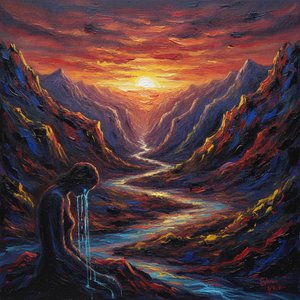
Capturing Emotion: A Journey Through the Soul of Expressionist Landscapes
Explore the profound emotional depth of Expressionist landscapes. Discover how Post-Impressionist masters moved beyond light to capture the soul through vibrant color and form. A curated journey for true art lovers seeking the beauty of expressive mastery.
Esplora le opere d'arte organizzate per temi, stili e caratteristiche.


