


 Anteprima in scala reale
 Invia
Invia Condividi
 Dettagli opera
 Guida
Guida

 Scarica
 Simili
 Radiografia
 Slideshow
 Statistiche
Child at Table
 Oil
Oil- WallArt
- Post-Impressionism
 1893
1893- 19th Century
 25.0 x 26.0 cm
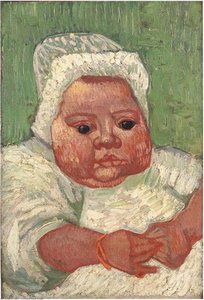
A peaceful moment of childhood captured in Pierre Bonnard's intimate Post-Impressionist style features a baby at a dining table, inviting you to bring this serene 1893 masterpiece into your private collection.
 Espandi i dettagli
Scopri Pierre Bonnard (1867-1947), pittore post-impressionista francese celebre per le sue scene domestiche intime, colori vibranti e lo stile 'Intimista'. Esplora la sua eredità!
Giclée / Stampe d'arte
Stampa giclée o su tela di qualità museale, con produzione rapida e diverse opzioni di finitura. ( Acquista il dipinto realizzato a mano Passa all'immagine digitale)




P118B €10

P118H €10

P118W €10

P438Z €10

P508JH €12

P508YH €12

P805H €10

P805Z €10

P919BZ €10

P919G €10

P919XJ €10

P959ZH €10

P968JZ €12

W106C €8

W218G €10

W218JH €8

W218Y €10

W307PJ €10

W316G €10

W316PJ €8

W316Y €10

W398PJ €8

W4111J €10

W500HY €15

W500JH €15

W692G €12

W849H €8

W940BG €15

W953PJ €8




Formato standard
su misura
CM
INCH
Scegli tra le nostre dimensioni predefinite, che rispettano le proporzioni originali dell'opera d'arte.
Loading sizes...

larghezza
altezza
Inserisci la larghezza e l'altezza desiderate, per adattarle alla tua cornice o alla tua parete. Una stampa può essere solo ritagliata, mai resa più grande dell'immagine originale; pertanto, un formato con una forma differente comporterà la perdita di una parte dell'opera. Ti invieremo un mockup digitale da approvare prima di procedere con la stampa. L'immagine mostrata in questa pagina non rappresenta il ritaglio reale — solo il mockup lo mostra.
Consegna in tutto il mondo () in 2 settimane invece delle normali 4/5 settimane. (26 Ottobre)

Spedizione espressa gratuita in tutto il mondo

Tela in lino di alta qualità

Assicurazione completa sulla spedizione

Garanzia di rimborso dei dazi doganali

Garanzia di fedeltà cromatica assoluta

Politica di reso entro 100 giorni (solo per difetti di fabbricazione)

Garanzia di rimborso al 100%

Offerta per acquisti multipli
 L'opzione vetro è disponibile solo per dimensioni inferiori a 110 cm

Child at Table
Giclée / Stampe d'arte
Dimensioni riproduzione
-


Prezzo finale calcolato
€ 61
A Quiet Moment Captured in Light
In the delicate brushstrokes of Pierre Bonnard’s 1893 masterpiece, Child at Table, we are invited into a sanctuary of domestic tranquility. This intimate portrait transcends a mere depiction of a meal; it serves as a window into the profound beauty found within the mundane. The scene centers on a young child seated at a table, eyes cast downward in a moment of quiet contemplation or perhaps simple hunger. Surrounded by the soft presence of others, the infant becomes the focal point of a larger, harmonious domestic universe. Bonnard, a master of the Intimist style, utilizes this small-scale composition to evoke a sense of warmth and stillness that resonates deeply with anyone who finds poetry in the everyday rhythms of home life.
The painting is a testament to the artist's early mastery of light and atmosphere. Though created during his formative years, the work already hints at the vibrant, almost luminous color palette that would later define his career. The interplay of light across the tabletop, the subtle textures of the bowl, and the soft contours of the child’s form create a tactile experience for the viewer. There is a rhythmic quality to the composition, where the placement of the apple and the surrounding figures guides the eye in a gentle loop, mirroring the cyclical, peaceful nature of a family meal. For the collector or interior designer, this piece offers a sophisticated touch of nostalgia, bringing a sense of calm, historical elegance to any curated space.
The Art of Intimism and Emotional Resonance
To understand Child at Table, one must look toward the movement that Bonnard helped pioneer. As a member of the Nabis group, Bonnard moved away from the rigid structures of academic realism, opting instead to capture the emotional essence of a scene through color and suggestion. In this work, the technique is not about sharp, photographic precision, but about the "feeling" of the light. The soft edges and blended tones suggest a memory being revisited—a fleeting moment of childhood innocence preserved forever in oil. This approach allows the viewer to project their own emotions onto the canvas, making the artwork feel deeply personal and universally relatable.
For those seeking to adorn a living space with art that inspires reflection, this reproduction offers more than just visual appeal; it provides an emotional anchor. The painting’s ability to evoke peace makes it an ideal centerpiece for bedrooms, libraries, or quiet sitting rooms where a sense of serenity is desired. It stands as a tribute to the beauty of the unseen moments—the quiet breaths between actions that constitute a life well-lived. Owning a piece of Bonnard’s legacy is an invitation to slow down and appreciate the luminous, tender details of our own existence.
Domande e risposte
L'opera "Child at Table" è complessivamente più luminosa o più scura?
I valori rilevati per "Child at Table" di Pierre Bonnard sono: luminosità shadow, luminanza Soft Shadow.
L'immagine di "Child at Table" di Pierre Bonnard può essere riprodotta liberamente?
"Child at Table" di Pierre Bonnard è di pubblico dominio - il copyright è scaduto. Questo stato determina le modalità con cui l'immagine dell'opera può essere riprodotta.
Dove dovrebbe essere appesa una riproduzione di "Child at Table" di Pierre Bonnard?
Con il suo formato Square, una riproduzione di "Child at Table" è ideale per un Dining Room.
Opere simili




Biografia dell'artista
Primi anni e carriera
Pierre Bonnard, nato a Fontenay-aux-Roses il 3 ottobre 1867, proveniva da una famiglia benestante. Suo padre era un alto funzionario del ministero della guerra francese. Fin dalla giovinezza, dimostrò un talento artistico, nonostante le pressioni familiari che lo spingevano verso una carriera nel diritto. Studiò legge, ma si dedicò con passione alla pittura, frequentando l'Académie Julian e poi l'École des Beaux-Arts. Iniziò a esporre i suoi lavori fin dalla giovane età, mostrando influenze dell'arte giapponese e del movimento impressionista.L'influenza dei Nabi e il Post-Impressionismo
Nel 1891, Bonnard conobbe Toulouse-Lautrec e si avvicinò al gruppo dei Nabi (profeti), un collettivo di artisti che cercavano nuove forme espressive oltre l'impressionismo. Insieme a Maurice Denis, Paul Ranson ed Édouard Vuillard, i Nabi esplorarono temi simbolici e decorativi, influenzati dall'arte giapponese e dalla pittura sintetica. Bonnard collaborò con la rivista *La Revue Blanche*, realizzando illustrazioni che contribuirono alla sua crescente popolarità nel mondo artistico parigino.L'Intimismo e le scene domestiche
A partire dal 1900, Bonnard si concentrò su soggetti più intimi e personali, abbandonando gradualmente i temi simbolici dei Nabi. Prediligeva dipingere di memoria, utilizzando disegni come riferimento per creare opere caratterizzate da un'atmosfera onirica e suggestiva. Le sue scene domestiche, spesso raffiguranti sua moglie Marthe de Meligny, lo consacrarono come uno dei maggiori esponenti dell'intimismo nella pittura francese. Bonnard catturava la bellezza della vita quotidiana con una sensibilità unica, trasformando momenti fugaci in opere d'arte evocative e poetiche.Evoluzione stilistica e gli ultimi anni
Nel corso della sua carriera, Bonnard sviluppò uno stile pittorico sempre più personale, caratterizzato da colori vibranti, pennellate fluide e composizioni innovative. Abbandonò la prospettiva tradizionale per creare un senso di profondità illusorio, fondendo spesso elementi del primo piano e dello sfondo. Trascorse gli ultimi anni della sua vita a Le Cannet, sulla Costa Azzurra, dove dipinse giardini lussureggianti e scene domestiche con una tavolozza sempre più audace e luminosa. Morì il 23 gennaio 1947, lasciando un'eredità artistica di grande valore.Significato storico e opere principali
Pierre Bonnard è considerato uno dei maggiori pittori del XX secolo, per la sua capacità di trasformare la realtà quotidiana in arte sublime. La sua opera ha influenzato numerosi artisti successivi, contribuendo a definire l'estetica dell'intimismo e della pittura moderna. Tra le sue opere più importanti si ricordano:- Donna con abito a quadretti (1890)
- Il salotto di Marthe de Meligny (1912-1913)
- La terrazza a Vernet (1925)
- L'albero di mandorle in fiore (1947)

Pierre Bonnard
1867 - 1947 , Francia
Dettagli rapidi
- Artisti Influenti:
- Claude Monet
- Édouard Vuillard
- Paul Gauguin
- Data Di Nascita: 3 ottobre 1867
- Luogo Di Nascita: Fontenay-aux-Roses, Francia
- Movimento Artistico: Post-Impressionismo, Nabi
- Nazionalità: Francese
- Nome Completo: Pierre Bonnard
- Opere Notevoli:
- Donna con abito a quadretti
- L'albero di mandorle in fiore
Articoli correlati

Beyond the Light: Discovering the Soul and Emotional Depth of Post-Impressionism
Embark on a cultural journey through Post-Impressionism. Discover the profound emotional depth of masters like Van Gogh and Cézanne, exploring how they moved beyond light to capture the very soul of human experience through vibrant color and symbolic form.
Esplora le opere d'arte organizzate per temi, stili e caratteristiche.


