

 Anteprima in scala reale
 Invia
Invia Condividi
 Dettagli opera
 Guida
Guida

 Scarica
 Simili
 Radiografia
 Slideshow
 Domande e risposte
 Statistiche
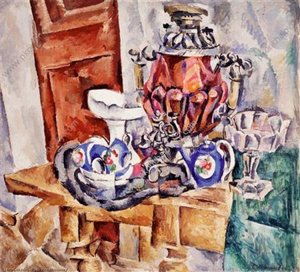
Begonia


Explore Pyotr Konchalovsky's captivating Begonia – a still life masterpiece depicting vibrant red and pink flowers within elegant vases alongside delicate cups, capturing the spirit of Russian art history.
 Espandi i dettagli
Figura chiave del Jack of Diamonds, tra Fauvismo e Realismo Socialista. Scopri oggi i suoi vibranti dipinti e ritratti.
Giclée / Stampe d'arte
Stampa giclée o su tela di qualità museale, con produzione rapida e diverse opzioni di finitura. ( Acquista il dipinto realizzato a mano Passa all'immagine digitale)




P118B €10

P118H €10

P118W €10

P438Z €10

P508JH €12

P508YH €12

P805H €10

P805Z €10

P919BZ €10

P919G €10

P919XJ €10

P959ZH €10

P968JZ €12

W106C €8

W218G €10

W218JH €8

W218Y €10

W307PJ €10

W316G €10

W316PJ €8

W316Y €10

W398PJ €8

W4111J €10

W500HY €15

W500JH €15

W692G €12

W849H €8

W940BG €15

W953PJ €8




Formato standard
su misura
CM
INCH
Scegli tra le nostre dimensioni predefinite, che rispettano le proporzioni originali dell'opera d'arte.
Loading sizes...

larghezza
altezza
Inserisci la larghezza e l'altezza desiderate, per adattarle alla tua cornice o alla tua parete. Una stampa può essere solo ritagliata, mai resa più grande dell'immagine originale; pertanto, un formato con una forma differente comporterà la perdita di una parte dell'opera. Ti invieremo un mockup digitale da approvare prima di procedere con la stampa. L'immagine mostrata in questa pagina non rappresenta il ritaglio reale — solo il mockup lo mostra.
Consegna in tutto il mondo () in 2 settimane invece delle normali 4/5 settimane. (11 Novembre)

Spedizione espressa gratuita in tutto il mondo

Tela in lino di alta qualità

Assicurazione completa sulla spedizione

Garanzia di rimborso dei dazi doganali

Garanzia di fedeltà cromatica assoluta

Politica di reso entro 100 giorni (solo per difetti di fabbricazione)

Garanzia di rimborso al 100%

Offerta per acquisti multipli
 L'opzione vetro è disponibile solo per dimensioni inferiori a 110 cm

Begonia
Giclée / Stampe d'arte
Dimensioni riproduzione
-


Prezzo finale calcolato
€ 63
A Portrait of Turbulent Russia: Exploring Pyotr Konchalovsky’s “Begonia”
Pyotr Petrovich Konchalovsky's "Begonia," painted circa 1908, stands as a poignant emblem of the Russian avant-garde’s fascination with capturing fleeting moments of beauty amidst societal upheaval. More than just a depiction of flowers—specifically a begonia blossom—the painting embodies a broader artistic impulse to distill emotion and intellect into visual form, reflecting the anxieties and aspirations of a nation grappling with rapid modernization.
Style & Technique: Konchalovsky’s approach aligns squarely with Neo-Impressionism, championed by artists like Georges Seurat and Paul Cézanne. Unlike Impressionists who sought to capture atmospheric effects, Konchalovsky meticulously applied small dots of pure pigment—primarily reds, pinks, and yellows—to build up tonal variations within the flower petals and vases. This technique, known as Pointillisme, wasn’t merely a stylistic choice; it represented a deliberate rejection of traditional brushstrokes in favor of scientific observation and mathematical precision. The artist painstakingly analyzed how light interacts with color, striving to reproduce its nuances with unparalleled accuracy.
Historical Context: Painted during the Belle Époque—a period characterized by optimism and artistic experimentation—"Begonia" speaks to a Russia undergoing significant transformations under Tsar Nicholas II’s reign. While outward appearances suggested prosperity and grandeur (the opulent palaces of St. Petersburg), beneath the surface simmered discontent fueled by social inequalities and burgeoning revolutionary sentiment. The painting's stillness contrasts sharply with this turbulent backdrop, inviting contemplation on themes of fragility and resilience.
Symbolism & Composition: The begonia itself carries considerable symbolic weight. Traditionally associated with femininity, beauty, and rebirth—often depicted as a symbol of resurrection—the flower’s delicate petals symbolize the ephemeral nature of life and the importance of savoring every moment. The vases serve as containers for this beauty, mirroring the role of art in preserving and transmitting cultural values. Furthermore, the arrangement of objects – the vases, cups, and begonia – contributes to a carefully constructed visual narrative that emphasizes balance and harmony despite the underlying tension.
Emotional Impact: Viewing “Begonia” evokes a sense of quiet contemplation and melancholic beauty. The artist’s masterful use of color and technique captures not only the physical appearance of the flower but also its emotional essence—a subtle suggestion of vulnerability amidst grandeur, mirroring the complexities of Russian society at the turn of the century. It's a piece that lingers in the mind long after viewing, prompting reflection on themes of beauty, decay, and the enduring power of artistic expression.
- Artist: Pyotr Petrovich Konchalovsky
- Year Painted: Circa 1908
- Style: Neo-Impressionism
- Technique: Pointillisme (Dot Painting)
Domande e risposte
Quale tono emotivo accompagna lo stile Russian Symbolism di "Begonia"?
"Begonia" trasmette un tono emotivo Tranquil all'interno del movimento Russian Symbolism.
Che emozione trasmettono i colori di "Begonia" di Pietro Konçalovskij?
La tavolozza Neutrals di "Begonia" di Pietro Konçalovskij si sposa con il suo tono emotivo Tranquil. Il colore è uno dei mezzi attraverso cui un'opera trasmette emozioni.
Dove dovrebbe essere appesa una riproduzione di "Begonia" di Pietro Konçalovskij?
Il formato (Portrait) e l'ambiente consigliato (Living Room) sono i due dettagli di posizionamento registrati per "Begonia" di Pietro Konçalovskij.
Opere simili




Biografia dell'artista
Infanzia, Famiglia e Formazione Artistica
La storia di Pietro Konçalovskij ha inizio nel villaggio di Slavianka, situato nel Governatorato di Kharkov all'interno dell'Impero Russo. Nato il 21 febbraio 1876, egli entrò in un mondo in cui i confini tra arte e intelletto erano già tracciati da chi lo circondava. Suo padre, Pyotr Petrovich Konchalovsky, era un uomo di lettere e un editore d'arte, una professione che garantì alla casa un profondo immersione nei flussi visivi e letterari dell'epoca. Questo ambiente offrì un'introduzione naturale, seppur discreta, alla vita di un creatore, mentre la famiglia si trasferiva infine a Mosca, dove l'abitazione divenne un punto di ritrovo per molte figure significative della scena artistica russa.
La sua educazione formale ebbe inizio tra le aule della Scuola di Pittura, Scultura e Architettura di Mosca. Fu qui che il giovane iniziò a affinare la sua padronanza tecnica della forma e del colore. Tuttavia, le sue ambizioni lo spinsero inevitabilmente verso il cuore del mondo dell'arte occidentale. Tra il 1896 e il 1898, viaggiò a Parigi per studiare all'Académie Julian. Questo periodo di immersione nell'atmosfera francese gli permise di testimoniare in prima persona le mutevoli prospettive del modernismo europeo, un'esperienza che avrebbe successivamente informato il suo approccio distintivo alla tela.
Al suo ritorno nella patria, cercò il massimo livello di rigore accademico, iscrivendosi all'Accademia Imperiale delle Arti di San Pietroburgo. Vi rimase fino al 1907, anno in cui si diplomò come pittore e incisore formato. Questa rigorosa formazione, che spaziò dagli studi di Mosca alle accademie di Parigi e San Pietroburgo, fornì le fondamenta per una carriera che avrebbe infine navigato attraverso i complessi mutamenti delle ere russa e sovietica.
L'Ascesa dell'Avanguardia Russa
Mentre i venti del cambiamento soffiavano attraverso la scena artistica russa, Pietro Konçalovskij si ritrovò al centro di una tempesta radicale. Divenne membro fondatore e presidente del gruppo Jack of Diamonds, un collettivo che aspirava a frantumare le stantie tradizioni dell'accademia. Questa società, che contribuì a fondare nel 1910, agì come un veicolo per idee nuove e audaci che sfidavano l'ordine costituito. La sua leadership all'interno di questo gruppo contribuì a definire un periodo di intensa sperimentazione, in cui le vecchie regole della rappresentazione vennero messe da parte in favore di qualcosa di molto più viscerale.
Le sue tele di quegli anni rivelano un uomo profondamente immerso nello spirito moderno dell'Europa. Si allontanò dalla mera imitazione, abbracciando invece le qualità audaci ed espressive del Fauvismo e la chiarezza strutturale del Cezannismo. Fu un'epoca di profonda scoperta, in cui cercò di catturare l'essenza della forma e del colore attraverso una lente che era al contempo moderna e profondamente personale. La sua opera durante questo periodo rifletteva un'energia inquieta, specchio del paesaggio in continuo mutamento di una nazione in tumulto.
- Matador Manuel Gartha (1910)
- Bullfighting amateur (1910)
- Natura morta con una caffettiera (1919)
Tecnica, Stile e Influenze Artistiche
La pennellata di Pietro Konçalovskij è stata plasmata da un profondo incontro con i maestri dell'Occidente. Durante il suo soggiorno a Parigi, si lasciò attrarre dalle composizioni strutturate di Paul Cézanne, un legame che avrebbe definito gran parte del suo sviluppo iniziale. Attraverso questo cesenismo, egli cercò di comprendere l'essenza stessa della forma, pur essendo altrettanto emozionato dall'intensità espressiva che si ritrova nelle opere di Vincent van Gogh. Questa ricerca del colore e dell'emozione lo condusse ad Arles, dove tentò di penetrare il cuore della visione di Van Gogh. Trasse ispirazione anche dall'estetica audace e bidimensionale di Paul Gauguin, fondendo queste diverse correnti europee in un linguaggio unico e in continua ricerca.
Il suo stile non fu mai un elemento statico, bensì un dialogo inquieto tra movimenti in competizione. Attraversò le sperimentazioni del Cubismo e le tavolozze vivaci e incontrollate del Fauvismo, trovando spesso punti di contatto con il Primitivismo. Le sue figure possedevano una certa gravità, un senso di corporeità che alcuni hanno ricondotto alle tradizioni della pittura veneziana. Questa capacità di bilanciare l'avanguardia con la sostanza gli permise di navigare tra le mutevoli maree del modernismo russo; era un uomo capace di abbracciare la sperimentazione pur mantenendo un legame profondo e viscerale con la presenza fisica dei suoi soggetti.
Con il passare degli anni e il mutare del panorama politico del suo paese, il suo approccio visse una trasformazione finale e significativa. Si allontanò dal fervore sperimentale della giovinezza per diventare un maestro del realismo maturo. Questa evoluzione lo portò a scambiare i piani frammentati degli anni precedenti con una rappresentazione della vita più solida e radicata. Anche quando si adattò alle esigenze di una nuova era, la forza della sua mano rimase evidente nelle sue interpretazioni del mondo che lo circondava.
Transizione verso il Realismo Socialista
Con il mutare dei venti politici in Russia, Pietro Konçalovskij si trovò a navigare in un panorama che esigeva un nuovo tipo di linguaggio visivo. Nel 1922, compì un passo decisivo unendosi all'Associazione degli Artisti della Russia Rivoluzionaria, un'organizzazione che si poneva in netto contrasto con i circoli d'avanguardia che lui stesso aveva guidato in passato. Fu un periodo di profondo riallineamento: con l'avvento degli anni '30, lo spirito sperimentale della sua giovinezza iniziò a recedere, lasciando il posto a un impegno verso il Realismo Socialista. Egli non si limitò a subire questo stile, ma divenne un esempio classico della pittura sovietica, trovando il modo di armonizzare la sua straordinaria perizia tecnica con le esigenze ideologiche dell'epoca.
Questa transizione fu segnata da uno spostamento verso una forma di rappresentazione più monumentale e solida. Se i suoi primi anni erano stati definiti dalla ricerca del modernismo, la sua produzione tarda rifletteva la gravità dello Stato. La sua capacità di adattare la propria voce artistica a questi correnti mutanti non passò inosservata alle autorità: nel 1943, fu insignito del prestigioso Premio Stalin, un riconoscimento che consolidò definitivamente il suo prestigio all'interno dell'establishment artistico ufficiale. Le sue opere di questo periodo trasmettono spesso un senso di peso e permanenza, riuscendo a catturare lo spirito di una nazione in costante mutamento attraverso la lente di un realismo strutturato e intenzionale.
Opere Chiave e Produzione Artistica
Lungo una carriera segnata da un movimento costante e da continui mutamenti di prospettiva, Pietro Konçalovskij ha dato vita a un corpus artistico vastissimo, stimato in oltre cinquemila opere. La sua mano è saputa oscillare tra l'intimità dei dettagli di una natura morta e la grandiosità della vita pubblica. Nel 1911, l'artista rivolse il suo sguardo alle texture silenziose e terrose della natura in Funghi, un periodo della sua vita in cui esplorò come la luce e la forma potessero essere semplificate per catturare l'essenza stessa del soggetto. Già nel 1912, il suo sguardo si era già spostato verso le atmosfere mediterranee, dando vita a Siena: Piazza dei Signori, un'opera che rifletteva il suo profondo coinvolgimento con le strutture e i colori del paesaggio italiano.
Con il passare degli anni e il mutare dei venti politici in Russia, i suoi soggetti si sono trasformati per rispecchiare l'epoca in cui viveva. Pietro Konçalovskij non si limitò a osservare il cambiamento; egli adattò la propria visione al mondo in continua evoluzione che lo circondava. Nel 1916, realizzò Agave, un'opera che testimoniava il suo persistente interesse per l'interazione tra forme audaci. La sua produzione rimase prodigiosa anche mentre navigava tra le complessità del regime sovietico, passando dallo spirito sperimentale della giovinezza verso uno stile più monumentale e cerimoniale, sia nel ritratto che nel paesaggio. Egli cercò instancabilmente un modo per preservare la propria voce interiore, anche quando le esigenze dello Stato richiedevano una forma di rappresentazione differente.
Eredità Familiare e Vita Privata
La vita privata dell'artista era profondamente intrecciata con le correnti creative della sua epoca. Nel 1902, sposò Olga Surikova, un'unione che lo ancorò saldamente all'interno di un circolo di intellettuali e creatori. Questa sfera domestica non fu mai silenziosa, poiché l'impulso a creare sembrava scorrere nel suo stesso sangue. I suoi figli non si limitarono a osservare la sua opera, ma intrapresero percorsi espressivi propri e distinti, assicurando che il nome della famiglia rimanesse impresso nel tessuto culturale della nazione.
Suo figlio, Mikhail Petrovich Konchalovsky, seguì le arti visive, impugnando il pennello per esplorare le proprie inquietudini estetiche. Nel frattempo, sua figlia, Natalia Konchalovskaya, trovò la propria voce attraverso la parola scritta, diventando una poetessa e una scrittrice di storie per bambini. La scintilla creativa continuò a saltare attraverso le generazioni; suo nipote, Nikita Mikhalkov, si spostò infine nel regno del cinema come regista cinematografico. Attraverso questi discendenti, l'influenza del pittore raggiunse confini ben oltre la tela, estendendosi nei mondi della letteratura e del cinema.

Pietro Konçalovskij
1876 - 1956 , Russia
Dettagli rapidi
- Artistic Movement Or Style: Fauvismo, Cezennismo, Realismo Socialista
- Artists Or Movements Influenced By This Artist: ['Avanguardia russa']
- Artists Who Influenced This Artist:
- Paul Cézanne
- Vincent van Gogh
- Date Of Birth: 1876
- Date Of Death: 1956
- Full Name: Pyotr Petrovich Konchalovsky
- Nationality: Russa
- Notable Artworks:
- Natura morta con una caffettiera
- Matador Manuel Gartha
- Natura morta. Pesche.
- Ritratto della figlia
- Place Of Birth: Kharkiv, Russia
Articoli correlati

Victor Vasnetsov: Myth, Nationalism & the Revival of Russian Fairy Tale Painting
Explore the captivating world of Victor Vasnetsov, a co-founder of Russian folklorist painting. Discover his iconic works, influence on national identity, and lasting legacy in this expert guide.

Blossoming Symbolism: A Historical Journey Through Flowers in Western Painting
Explore the rich history of flower symbolism in Western painting! Discover how artists from the Renaissance to Modernism used blossoms to convey meaning, emotion & beauty. Learn about iconic artworks and movements.

Silent Narratives: Exploring the Enduring Appeal of Still Life Painting Across Centuries
Explore the rich history of still life painting with TopImpressionists. Discover Dutch Masters, decode vanitas symbolism & learn about collecting timeless art. Expert insights and museum-quality reproductions.

Ivan Bilibin: A Synthesis of Folklore, Modernism & National Identity in Russian Illustration
Explore the enchanting world of Ivan Bilibin, a master Russian illustrator who synthesized folklore, Art Nouveau & national identity. Discover his iconic fairy tale illustrations and legacy with TopImpressionists.

I 25 capolavori di Paul Cézanne: i pezzi iconici del maestro
Scopri i 25 capolavori di Paul Cézanne tra Post-Impressionismo e Cubismo. Esplora la collezione su TopImpressionists.com.
Esplora le opere d'arte organizzate per temi, stili e caratteristiche.


