Anteprima in scala reale
 Invia
Invia Condividi
 Dettagli opera
 Guida
Guida

 Scarica
 Simili
 Radiografia
 Slideshow
 Statistiche
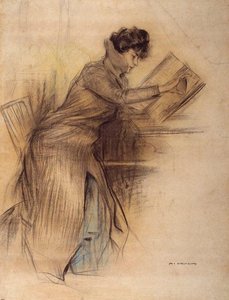
Julia
 Oil On Canvas
- WallArt
- Modernisme
 19th Century
 67.0 x 85.0 cm
 Museo Carmen Thyssen Málaga
Discover Ramon Casas’ captivating portrait of Julia, a stunning example of Spanish Modernisme. Explore its vibrant colors, provocative pose & artistic influences.
 Espandi i dettagli
Scopri Ramon Casas i Carbó (1866-1932), artista catalano del Modernismo, famoso per ritratti, scene di genere e la vibrante vita spagnola. Un mix unico di Realismo e Impressionismo!
Riproduzione a olio fatta a mano
Olio su tela dipinto a mano nelle tue dimensioni e con la tua cornice, realizzato su ordinazione dai nostri artisti. ( Passa alle stampe Passa all'immagine digitale)




P118B €10

P118H €10

P118W €10

P438Z €10

P508JH €12

P508YH €12

P805H €10

P805Z €10

P919BZ €10

P919G €10

P919XJ €10

P959ZH €10

P968JZ €12

W106C €8

W218G €10

W218JH €8

W218Y €10

W307PJ €10

W316G €10

W316PJ €8

W316Y €10

W398PJ €8

W4111J €10

W500HY €15

W500JH €15

W692G €12

W849H €8

W940BG €15

W953PJ €8




Formato standard
su misura
CM
INCH
Scegli tra le nostre dimensioni predefinite, che rispettano le proporzioni originali dell'opera d'arte.
Loading sizes...

larghezza
altezza
Inserisci la larghezza e l'altezza desiderate, per adattarle alla tua cornice o alla tua parete. Trattandosi di un'opera dipinta a mano, in caso di dimensioni con un formato differente, l'artista può estendere leggermente il dipinto oltre i bordi dell'immagine o ritagliare una piccola parte — la scelta spetta a te. Ti invieremo un mockup digitale da approvare prima che la realizzazione abbia inizio. L'immagine mostrata in questa pagina non rappresenta il risultato finale — solo il mockup lo fa.
Esempi di ciò che può essere modificato: sostituire il volto con una foto del cliente; aggiungere un animale domestico (ad esempio, sostituire un gatto con un cane); inserire un messaggio nascosto nello sfondo; cambiare il paesaggio o gli elementi dello sfondo.
Dopo l'ordine, il team di TopImpressionists.com contatterà il cliente via e-mail per ricevere le istruzioni e fornirà un'anteprima del mockup
Dopo l'ordine, il team di TopImpressionists.com contatterà il cliente via e-mail per ricevere le istruzioni e fornirà un'anteprima del mockup
Consegna in tutto il mondo () in 3/4 settimane anziché nelle normali 5 settimane. (26 Ottobre). Nessun compromesso sulla qualità.

Spedizione espressa gratuita in tutto il mondo

Tela in lino di alta qualità

Assicurazione completa sulla spedizione

Garanzia di rimborso dei dazi doganali

Garanzia di fedeltà cromatica assoluta

Politica di reso entro 100 giorni (solo per difetti di fabbricazione)

Garanzia di rimborso al 100%

Offerta per acquisti multipli
 L'opzione vetro è disponibile solo per dimensioni inferiori a 110 cm

Julia
Tecnica di riproduzione
Dimensioni riproduzione
-


Prezzo finale calcolato
€ 236
A Vision of Spanish Spirit: The Captivating Presence of Julia
In the storied annals of Catalan Modernisme, few portraits possess the magnetic vitality found in Ramon Casas i Carbó’s Julia. This masterpiece is far more than a mere likeness; it is a profound encounter with a woman who embodied both personal passion and cultural archetype. The subject, Julia Peraire, was not just a frequent model for Casas but his lifelong companion, a woman whose beauty and spirited nature left an indelible mark on the artist's soul. In this particular work, Casas captures her in a pose that is simultaneously defiant and alluring, seated with hands resting upon her hips in a manner that commands the viewer's immediate attention. The painting breathes with the energy of a bygone era, inviting us into a moment where personal intimacy meets the grand theatricality of Spanish tradition.
The brilliance of the composition lies in its masterful use of color and the striking espagnolade aesthetic. Casas dresses Julia in the iconic attire of a matador, featuring a vibrant red jacket intricately embroidered with black thread and silver accents. This choice of costume is not accidental; it serves to connect the sitter to the broader cultural identity of Spain, blending the sensual allure of the female form with the rugged, heroic symbols of Spanish folk tradition. The rich, saturated reds of her jacket harmonize exquisitely with the floral elements in her hair and the delicate comb, creating a visual rhythm that guides the eye across the canvas. Against a muted, atmospheric background that recedes into soft shadows, the subject emerges with a luminous clarity, making the painting an ideal focal point for any sophisticated interior.
Technique and the Mastery of Light
To behold Julia is to witness the technical prowess of a painter who could seamlessly bridge the gap between the precision of Realism and the emotive fluidity of Impressionism. Casas employs a layered oil technique, utilizing subtle glazes to achieve a breathtaking luminosity within the skin tones and the metallic sheen of the embroidery. The brushwork is deliberate yet expressive; while the contours of Julia’s face and the structural details of her jacket are rendered with academic rigor, there is an underlying softness in the textures of her hair and the surrounding atmosphere that prevents the work from feeling static. This interplay between sharp detail and soft, diffused light creates a sense of three-dimensional depth, pulling the viewer into the very space Julia occupies.
For the discerning collector or interior designer, this reproduction offers an unparalleled opportunity to introduce a sense of historical grandeur and emotional warmth into a living space. The painting’s ability to evoke both strength and vulnerability makes it a versatile piece of art, capable of anchoring a room with its bold color palette while providing a sophisticated narrative element. It is a work that does not merely decorate a wall but tells a story of love, identity, and the enduring beauty of the human spirit, making it a timeless investment for those who appreciate the profound legacy of the Modernisme movement.
Domande e risposte
È disponibile un download ad alta risoluzione di "Julia"?
È possibile acquistare un'immagine digitale di "Julia" di Ramon Casas I Carbó nella sua pagina Immagine digitale ad alta risoluzione: download di un'immagine digitale ad alta risoluzione.
Per quale occasione è consigliato regalare "Julia" di Ramon Casas I Carbó?
"Julia" di Ramon Casas I Carbó è un'idea regalo ideale per Anniversary. Una riproduzione dell'opera può essere offerta come dono.
In che modo "Julia" si inserisce nei temi e nello stile di Ramon Casas I Carbó?
"Julia" appartiene alla produzione Modernisme di Ramon Casas I Carbó, i cui temi ricorrenti includono spanish identity, vibrant culture, erotic allure, social commentary, lottery vendor, everyday beauty.
Opere simili


Biografia dell'artista
Ramon Casas i Carbó: Una Vita Dedicata all'Arte e alla Modernità Catalana
Ramon Casas i Carbó (Barcellona, 4 gennaio 1866 – Barcellona, 17 marzo 1932) è stato un pittore, disegnatore e incisore spagnolo, figura chiave del Modernismo catalano. La sua opera riflette la vibrante vita culturale di Barcellona alla fine del XIX secolo e all'inizio del XX, combinando elementi di Realismo, Impressionismo e simbolismo con una forte identità catalana.
La Formazione Artistica e i Primi Successi
Casas nacque in una famiglia benestante; suo padre aveva accumulato una fortuna a Cuba. Abbandonò gli studi regolari nel 1877 per dedicarsi all'arte, entrando nello studio di Joan Vicens. La sua precoce abilità lo portò rapidamente alla ribalta. I suoi primi lavori si concentrarono su ritratti e caricature dell’élite catalana, spagnola e francese, dimostrando un notevole talento nel catturare la personalità dei soggetti. Tra le sue opere giovanili più significative spiccano:
- Autoritratto da ballerino di flamenco (1883): Quest'opera gli valse l’invito a unirsi alla Société d'artistes français, un riconoscimento importante per un giovane artista.
- Corrida de toros (1884): Un dipinto che evidenzia la sua capacità di rappresentare scene affollate e dinamiche, catturando l’atmosfera intensa della corrida.
L'Evoluzione Artistica e le Collaborazioni
Negli anni '90, Casas continuò a sviluppare il suo stile, dimostrando una crescente maturità artistica. Intérieur du moulin de la galette (1891), esposto alla Berlin International Exposition dove ricevette una medaglia, testimonia questa evoluzione. Casas non fu solo un artista solitario; collaborò attivamente con altri artisti, in particolare con Santiago Rusiñol, con il quale viaggiò attraverso la Catalogna nel 1889, documentando paesaggi e scene di vita quotidiana. La sua associazione con la Société d'artistes français gli permise di esporre le sue opere al Salon senza dover affrontare una selezione a giuria.
Temi Chiave e Stile Artistico
L’opera di Casas è caratterizzata da diversi elementi distintivi:
- Ritratto: Casas eccelleva nel ritrarre personaggi della sua epoca, catturando non solo la loro somiglianza fisica ma anche il loro carattere e la loro posizione sociale.
- Scene di vita catalana: Molte delle sue opere raffigurano scene di vita quotidiana in Catalogna, offrendo uno spaccato autentico della cultura e delle tradizioni locali.
- Influenze artistiche: Il suo stile è una fusione di Realismo e Impressionismo, con un'attenzione particolare alla luce e al colore. Si possono notare anche influenze del simbolismo, soprattutto nelle sue opere più tarde.
- Grafica e Manifesti: Casas si distinse anche come designer grafico, creando manifesti pubblicitari innovativi per caffè, teatri e altri locali di Barcellona, contribuendo a definire l'estetica della città.
Eredità e Riconoscimento
Ramon Casas i Carbó lasciò un’impronta significativa nell’arte catalana e spagnola. Le sue opere sono oggi esposte in importanti musei, tra cui:
- Museu Cau Ferrat (Sitges): Ospita diverse delle sue opere, tra cui Nudo femminile e Nudo con chitarra.
- Museu d'Art Contemporani de Barcelona (MACBA): Presenta una selezione rappresentativa della sua produzione artistica.
La sua capacità di combinare l’osservazione realistica con un tocco impressionista e la sua profonda connessione con la cultura catalana lo rendono una figura fondamentale del Modernismo spagnolo, celebrato per il suo contributo all'arte e alla vita culturale della Catalogna.

Ramon Casas I Carbó
1866 - 1932 , Spagna
Dettagli rapidi
- Artisti Influenti: ['Joan Vicens']
- Data Di Nascita: 4 gennaio 1866
- Luogo Di Nascita: Barcellona, Spagna
- Movimento Artistico: Modernismo catalano
- Nazionalità: Spagnola
- Nome Completo: Ramon Casas i Carbó
- Opere Notevoli:
- Autoritratto da ballerino flamenco
- Corrida de toros
- Intérieur du moulin de la galette
- Ritratto del signor Domínguez
- Isaac Albéniz
Articoli correlati

Crimson Threads of Narrative: Exploring Symbolism & Representation in Artworks Featuring the Red Dress
Explore the rich symbolism of the red dress in art history! From ancient power displays to iconic portraits like Cézanne’s 'Madame Cezanne', discover the cultural and artistic significance behind this captivating color. Expert analysis & insights.

Rafael de Penagos: A Study in Spanish Portraiture & Artistic Identity
Explore the life & art of Rafael de Penagos, a leading Spanish Art Deco illustrator. Discover his iconic 'Penagos Woman', commercial work, and lasting legacy. Learn about this pivotal figure in 20th-century Spanish art history.

The Golden Age Reforged: Dramatic Realism & Religious Zeal in Spanish Baroque Art
Explore the dramatic world of Spanish Baroque art! Discover masters like Zurbarán & the powerful influence of religious zeal on painting techniques – a guide for collectors and enthusiasts.

Il XIX Secolo nell'Arte: 10 Capolavori da Ammirare e Riscoprire
Esplora i 10 capolavori del XIX secolo! Da Manet a Klimt, scopri la storia e l'arte di dipinti iconici. Impressionismo, realismo e romanticismo ti aspettano su TopImpressionists.com. Scopri tutta la collezione online.

Josep Cusachs i: Exploring Catalan Modernism Through Social Commentary & Artistic Innovation
Explore the captivating world of Josep Cusachs i, a key figure in Catalan Modernism. Discover his realist paintings, social commentary, and influence on 19th-century Spanish art. Hand-painted reproductions available at TopImpressionists.
Esplora le opere d'arte organizzate per temi, stili e caratteristiche.