


 Anteprima in scala reale
 Invia
Invia Condividi
 Dettagli opera
 Guida
Guida

 Scarica
 Simili
 Radiografia
 Slideshow
 Q&A
Q&A Statistiche
L'Annunciazione di Cestello


Un capolavoro del Rinascimento fiorentino di Sandro Botticelli: L'Annunciazione di Cestello, eseguita nel 1489, celebra il momento divino dell'incontro tra Arcangelo Gabriele e Vergine Maria con una bellezza senza tempo.
 Espandi i dettagli
Esplora l'affascinante arte di Sandro Botticelli (1445-1510), un maestro della pittura del Rinascimento maturo. Conosciuto per la sua elegante linearità, opere iconiche come 'La nascita di Venere' & 'Primavera', e per aver colmato il divario tra lo stile gotico e quello rinascimentale. Scopri il suo lascito!
Riproduzione a olio fatta a mano
Olio su tela dipinto a mano nelle tue dimensioni e con la tua cornice, realizzato su ordinazione dai nostri artisti. ( Passa alle stampe Passa all'immagine digitale)




P118B €10

P118H €10

P118W €10

P438Z €10

P508JH €12

P508YH €12

P805H €10

P805Z €10

P919BZ €10

P919G €10

P919XJ €10

P959ZH €10

P968JZ €12

W106C €8

W218G €10

W218JH €8

W218Y €10

W307PJ €10

W316G €10

W316PJ €8

W316Y €10

W398PJ €8

W4111J €10

W500HY €15

W500JH €15

W692G €12

W849H €8

W940BG €15

W953PJ €8




Formato standard
su misura
CM
INCH
Scegli tra le nostre dimensioni predefinite, che rispettano le proporzioni originali dell'opera d'arte.
Loading sizes...

larghezza
altezza
Inserisci la larghezza e l'altezza desiderate, per adattarle alla tua cornice o alla tua parete. Trattandosi di un'opera dipinta a mano, in caso di dimensioni con un formato differente, l'artista può estendere leggermente il dipinto oltre i bordi dell'immagine o ritagliare una piccola parte — la scelta spetta a te. Ti invieremo un mockup digitale da approvare prima che la realizzazione abbia inizio. L'immagine mostrata in questa pagina non rappresenta il risultato finale — solo il mockup lo fa.
Esempi di ciò che può essere modificato: sostituire il volto con una foto del cliente; aggiungere un animale domestico (ad esempio, sostituire un gatto con un cane); inserire un messaggio nascosto nello sfondo; cambiare il paesaggio o gli elementi dello sfondo.
Dopo l'ordine, il team di TopImpressionists.com contatterà il cliente via e-mail per ricevere le istruzioni e fornirà un'anteprima del mockup
Dopo l'ordine, il team di TopImpressionists.com contatterà il cliente via e-mail per ricevere le istruzioni e fornirà un'anteprima del mockup
Consegna in tutto il mondo () in 3/4 settimane anziché nelle normali 5 settimane. (29 Ottobre). Nessun compromesso sulla qualità.

Spedizione espressa gratuita in tutto il mondo

Tela in lino di alta qualità

Assicurazione completa sulla spedizione

Garanzia di rimborso dei dazi doganali

Garanzia di fedeltà cromatica assoluta

Politica di reso entro 100 giorni (solo per difetti di fabbricazione)

Garanzia di rimborso al 100%

Offerta per acquisti multipli
 L'opzione vetro è disponibile solo per dimensioni inferiori a 110 cm

L'Annunciazione di Cestello
Tecnica di riproduzione
Dimensioni riproduzione
-


Prezzo finale calcolato
€ 237
A Moment Suspended in Time: Botticelli’s *Cestello Annunciation*
Sandro Botticelli's Cestello Annunciation, painted around 1489, is not merely a depiction of a biblical event; it’s an intimate and profoundly moving encounter frozen in time. The scene unfolds with a quiet grace that defines Botticelli’s signature style – the Archangel Gabriel delivering his momentous news to Mary, poised on the cusp of accepting her divine destiny. The painting, originally created for the chapel of the Florentine monastery of Cestello (now Santa Maria Maddalena de’Pazzi), immediately draws the viewer into a space both sacred and deeply human. It’s a testament to Botticelli’s ability to blend religious narrative with an exquisite sensitivity to form and emotion.
The Language of Line and Light
Botticelli, born Alessandro di Mariano di Vanni Filipepi in Florence, was a master of line. In the Cestello Annunciation, this mastery is strikingly evident. The figures are defined not by robust modeling or dramatic chiaroscuro, but by elegant, flowing contours that lend them an ethereal quality. The delicate drapery folds and the graceful gestures of Gabriel and Mary seem to ripple with a life of their own. He bridges the gap between the Gothic past and the burgeoning Renaissance aesthetic, retaining a certain decorative elegance while embracing emerging principles of perspective and naturalism. The use of tempera on wood contributes to the painting’s luminous quality; colors are applied in thin, translucent layers, creating a subtle interplay of light and shadow that enhances the scene’s serene atmosphere. Notice how Botticelli employs a limited palette – rich blues, reds, and golds – to create a harmonious visual experience.
Symbolism Woven into Every Detail
The Cestello Annunciation is rich in symbolic meaning. The lily held by Gabriel isn't simply a beautiful flower; it represents Mary’s purity and virginity, a traditional symbol within Christian iconography. The enclosed garden visible through the window alludes to Mary as the *hortus conclusus*, the “closed garden,” symbolizing her inviolate state. Even the architectural details contribute to the narrative – the room itself is sparsely furnished, drawing attention to the spiritual significance of the encounter rather than worldly possessions. The inscriptions in Latin, taken from the Gospel of Luke, further reinforce the theological weight of the scene. Botticelli doesn’t simply *show* us the Annunciation; he invites us to contemplate its profound implications.
A Reflection of Florentine Piety and Artistic Innovation
To fully appreciate the Cestello Annunciation, it's crucial to understand its historical context. Florence in the late 15th century was a city undergoing significant religious and political upheaval. The sermons of Girolamo Savonarola, a Dominican friar who preached against corruption and excess, had a profound impact on Florentine society. Botticelli himself was influenced by Savonarola’s austere piety, which is reflected in the painting’s restrained emotionality and emphasis on spiritual devotion. However, despite this religious fervor, Botticelli remained committed to artistic innovation. The use of linear perspective, borrowed from Flemish painters, demonstrates his engagement with contemporary artistic trends. This blending of traditional symbolism and modern technique makes the Cestello Annunciation a remarkable example of Early Renaissance art.
An Enduring Legacy
The emotional impact of Botticelli’s *Cestello Annunciation* lies in its ability to convey a sense of quiet reverence. It’s not a scene of dramatic fanfare, but rather an intimate moment of divine communication. The painting invites contemplation and offers a glimpse into the profound mystery of faith. For collectors and interior designers alike, a reproduction of this masterpiece brings a touch of Renaissance elegance and spiritual depth to any space. Its harmonious colors and graceful composition make it a versatile addition to a variety of décor styles, while its rich symbolism provides endless opportunities for conversation and reflection. The Cestello Annunciation is more than just a painting; it’s a window into the soul of the Renaissance, and a testament to Botticelli’s enduring artistic genius.
- Artist: Sandro Botticelli
- Birth Year: 1445
- Death Year: 1510
- Birth City: Florence
- Birth Country: Italy
Botticelli’s *Cestello Annunciation* is a tempera painting on wood created in 1489 for Benedetto di Ser Francesco Guardi, moneychanger and Florentine noble family patron. The scene depicts the Archangel Gabriel delivering his momentous news to Mary, poised on the cusp of accepting her divine destiny.
Botticelli’s style is characterized by elegant lines and flowing contours that lend an ethereal quality to the figures. He skillfully employs a limited palette—rich blues, reds, and golds—to create a harmonious visual experience.
The painting incorporates symbolism reflecting Florentine piety and Savonarola’s influence. The lily represents Mary's purity, and the enclosed garden symbolizes her inviolate state.
Botticelli’s innovative use of linear perspective demonstrates engagement with Flemish painters and contributes to the painting’s luminous atmosphere.
The enduring legacy of *Cestello Annunciation* resides in its ability to evoke quiet reverence and contemplation—a timeless masterpiece that continues to inspire artists and collectors alike.
Domande e risposte
Qual è la tonalità dominante di "L'Annunciazione di Cestello"?
La tonalità dominante di "L'Annunciazione di Cestello" di Sandro Botticelli è Gamma di gialli dorati, un colore che costituisce il tono di fondo dell'intera tavolozza.
Qual è la luminosità di "L'Annunciazione di Cestello" di Sandro Botticelli?
"L'Annunciazione di Cestello" di Sandro Botticelli ha una luminanza di Ombra morbida. La luminanza descrive quanta luce sembrano riflettere i colori.
"L'Annunciazione di Cestello" è di pubblico dominio?
"L'Annunciazione di Cestello" di Sandro Botticelli è di pubblico dominio - il copyright è scaduto. Questo stato determina le modalità con cui l'immagine dell'opera può essere riprodotta.
Biografia dell'artista
primi anni di vita e formazione
Sandro Botticelli, nato Alessandro di Mariano di Vanni Filippoipi intorno al 1445, è stata una figura chiave nel primo Rinascimento della pittura italiana. Inizialmente oscurato postumo, l'opera di Botticelli è stata rivitalizzata nella tarda ottava e novantina del secolo XIX dai pre-rafaeliani, portando a una rivalutazione dei suoi contributi artistici. Botticelli nacque a Firenze, in Italia, e visse tutta la sua vita nello stesso quartiere. La sua famiglia, inclusa il padre Mariano di Vanni d'Amedeo Filippoipi, era coinvolta in varie professioni, che li hanno portati a entrare in contatto con gli artisti. Giorgio Vasari riferì che Botticelli fu inizialmente addestrato come orefice.stile artistico e opere notevoli
L'opera di Botticelli è caratterizzata da una elegante linearità, che colma il divario tra il tardo gotico italiano e il primo Rinascimento. Le sue opere più famose, La nascita di Venere e Primavera, sono esposte alla Galleria degli Uffizi a Firenze, che ospita una collezione significativa delle sue opere. * La nascita di Venere (visualizza su TopImpressionists) * Primavera (esplora l'arte di Sandro Botticelli su TopImpressionists) * Natività mistica (Galleria Nazionale d'Arte Moderna, Roma), datata 1501, è l'unica opera di Botticelli con una data precisa.eredità e influenza
Lo stile di Botticelli si è evoluto in un approccio più personale negli anni '90 del Cinquecento, divergendo dai contemporanei come Leonardo da Vinci e dallo stile rinascimentale alto emergente. La sua opera è stata riconosciuta come un contributo significativo al movimento dell'arte rinascimentale italiana. * Il Rinascimento italiano * Sandro Botticelli su Wikipedia- Artisti notevoli del Rinascimento italiano includono Sandro Botticelli, Leonardo da Vinci, Michelangelo e Tiziano.
- La Galleria degli Uffizi a Firenze ospita una collezione significativa delle opere di Botticelli.
- L'opera di Botticelli è stata riconosciuta come una figura chiave nel primo Rinascimento della pittura italiana.

Sandro Botticelli
1445 - 1510 , Italia
Dettagli rapidi
- Artisti Influenti:
- Fra Angelico
- Paolo Uccello
- Data Di Nascita: c. 1445
- Luogo Di Nascita: Firenze, Italia
- Movimento Artistico: Primo Rinascimento
- Nazionalità: Italiana
- Nome Completo: Sandro Botticelli
- Opere Notevoli:
- Nascita di Venere
- Primavera
- Natività Mistica
Articoli correlati
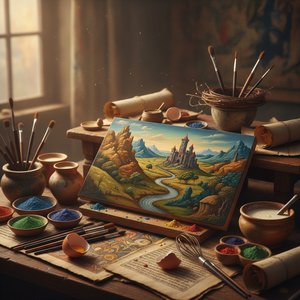
The Timeless Glow of Tempera: Discovering the Sacred Art of Egg Yolk Painting
Step into the luminous world of egg tempera painting. Explore the sacred history, meticulous techniques, and enduring glow of this medieval masterpiece medium, from illuminated manuscripts to the timeless legacy of the Old Masters.

The Timeless Glow of Tempera on Panel: A Guide to This Luminous Art Medium
Discover the luminous beauty of tempera on panel. Explore the historical techniques, egg-based alchemy, and enduring legacy of this radiant medium used by Renaissance masters to capture light and eternal grace.
Esplora le opere d'arte organizzate per temi, stili e caratteristiche.


