

 Anteprima in scala reale
 Invia
Invia Condividi
 Dettagli opera
 Guida
Guida

 Scarica
 Simili
 Radiografia
 Slideshow
 Q&A
Q&A Statistiche
Panshanger Park


A vibrant Post-Impressionist forest scene by Spencer Frederick Gore captures the tranquil beauty of Panshanger Park through bold brushstrokes and vivid colors, inviting you to bring this timeless landscape into your home.
 Espandi i dettagli
Scopri Spencer Gore (1878-1914), pittore inglese postimpressionista celebre per paesaggi vibranti e scene di musica popolare. Fondatore della Camden Town Group, influenzò l'arte britannica del primo Novecento.
Giclée / Stampe d'arte
Stampa giclée o su tela di qualità museale, con produzione rapida e diverse opzioni di finitura. ( Acquista il dipinto realizzato a mano Passa all'immagine digitale)




P118B €10

P118H €10

P118W €10

P438Z €10

P508JH €12

P508YH €12

P805H €10

P805Z €10

P919BZ €10

P919G €10

P919XJ €10

P959ZH €10

P968JZ €12

W106C €8

W218G €10

W218JH €8

W218Y €10

W307PJ €10

W316G €10

W316PJ €8

W316Y €10

W398PJ €8

W4111J €10

W500HY €15

W500JH €15

W692G €12

W849H €8

W940BG €15

W953PJ €8




Formato standard
su misura
CM
INCH
Scegli tra le nostre dimensioni predefinite, che rispettano le proporzioni originali dell'opera d'arte.
Loading sizes...

larghezza
altezza
Inserisci la larghezza e l'altezza desiderate, per adattarle alla tua cornice o alla tua parete. Una stampa può essere solo ritagliata, mai resa più grande dell'immagine originale; pertanto, un formato con una forma differente comporterà la perdita di una parte dell'opera. Ti invieremo un mockup digitale da approvare prima di procedere con la stampa. L'immagine mostrata in questa pagina non rappresenta il ritaglio reale — solo il mockup lo mostra.
Consegna in tutto il mondo () in 2 settimane invece delle normali 4/5 settimane. (2 Novembre)

Spedizione espressa gratuita in tutto il mondo

Tela in lino di alta qualità

Assicurazione completa sulla spedizione

Garanzia di rimborso dei dazi doganali

Garanzia di fedeltà cromatica assoluta

Politica di reso entro 100 giorni (solo per difetti di fabbricazione)

Garanzia di rimborso al 100%

Offerta per acquisti multipli
 L'opzione vetro è disponibile solo per dimensioni inferiori a 110 cm

Panshanger Park
Giclée / Stampe d'arte
Dimensioni riproduzione
-


Prezzo finale calcolato
€ 61
A Verdant Escape: The Luminous World of Panshanger Park
In the quietude of 1908, Spencer Frederick Gore captured a moment of profound serenity that continues to resonate with the modern soul. Panshaper Park is not merely a depiction of a landscape; it is an invitation into a breathing, vibrant ecosystem where the boundaries between light and leaf seem to dissolve. As one gazes upon this oil on canvas, the eye is immediately drawn into a lush tapestry of greenery, where the artist’s mastery of color creates a rhythmic dance of shadows and sunlight. The scene unfolds with a sense of deep tranquility, presenting a forest that feels both intimately close and expansively infinite, offering a sanctuary for the viewer to lose themselves in the natural world.
The technical brilliance of Gore lies in his ability to bridge the gap between Impressionism and Post-Impressionism. Rather than relying on photographic precision, he employs bold, confident brushstrokes that imbue the foliage with a palpable energy. Each stroke serves as a building block for texture, allowing the viewer to feel the weight of the leaves and the roughness of the bark. The palette is a sophisticated arrangement of vivid greens, earthy ochres, and dappled light, applied with a technique that captures the fleeting essence of a summer afternoon. This approach does more than document a location; it translates the emotional temperature of the park, turning a static landscape into a living, breathing experience.
A Narrative of Human Connection and Nature
Within this sprawling woodland, Gore subtly weaves human presence into the tapestry of the wild. The placement of two figures—one near the center and another drifting toward the right—adds a layer of narrative depth to the composition. They are not the masters of this landscape, but rather quiet participants in its beauty, much like the solitary bench resting on the left side of the frame. This bench serves as a powerful symbol of invitation, a silent promise of rest and contemplation. The presence of these figures provides a sense of scale, reminding us of our own small yet significant place within the grand design of nature.
For the discerning collector or interior designer, Panshanger Park offers more than just aesthetic appeal; it brings a sense of historical prestige and emotional warmth to any space. The painting’s ability to evoke a feeling of peace makes it an ideal centerpiece for rooms designed for relaxation and reflection. Whether placed in a sun-drenched morning room or a sophisticated study, a high-quality reproduction of this masterpiece serves as a window into a bygone era of British art. It is a piece that does not merely decorate a wall but enriches the atmosphere, providing a timeless connection to the pioneering spirit of the Camden Town Group and the enduring beauty of the English countryside.
Domande e risposte
I colori di "Panshanger Park" di Spencer Gore sono saturi o desaturati?
I colori di "Panshanger Park" di Spencer Gore presentano una saturazione Clear Color Presence. La saturazione indica quanto i colori siano vivaci o attenuati.
Chi è l'autore di "Panshanger Park" e a quale movimento appartiene?
L'opera "Panshanger Park" è opera di Spencer Gore e appartiene al movimento Post-Impressionism.
Quanti anni aveva Spencer Gore quando ha creato "Panshanger Park" nel 1908?
Spencer Gore ha realizzato "Panshanger Park" all'età di 30. L'artista è nato nel 1878 e l'opera risale al 1908.
Opere simili


Biografia dell'artista
Spencer Gore (1878 – 1914): A Pioneer of Camden Town
Spencer Frederick Gore was a British painter who emerged as one of the foremost figures in the burgeoning Camden Town Group, marking a pivotal moment in early twentieth-century British art. Born on May 26th, 1878, at Epsom, Surrey, he descended from a family steeped in artistic tradition – his father, Spencer Gore (the Wimbledon tennis champion), was himself a painter, and his brother Charles Gore was a theologian, fostering an environment that nurtured creativity and intellectual curiosity. Gore’s formative years were shaped by attending Harrow School, where he honed his observational skills before pursuing formal training at the Slade School of Fine Art alongside contemporaries like Harold Gilman, cementing his connection to Impressionist ideals.- Early Influences: Gore's artistic sensibilities were profoundly impacted by Post-Impressionists such as Claude Monet and Vincent van Gogh, whose explorations of color and light served as a springboard for his own distinctive style. Monet’s dappled sunlight and Van Gogh’s expressive brushstrokes instilled in Gore a desire to capture not merely what he saw but also how he felt—a core principle that underpinned his entire artistic practice.
- The Camden Town Group: He spearheaded the formation of the Camden Town Group in 1904, alongside Walter Sickert, Lucien Pisarro, Harold Gilman, and Charles Ginner—a collective dedicated to capturing the atmosphere of London’s bohemian district with bold brushstrokes and vibrant palettes. This group represented a radical departure from academic conventions, prioritizing subjective experience and embracing innovative techniques. Gore's leadership was instrumental in establishing Camden Town as a hub for artistic experimentation.
Notable Works: Landscapes That Breathe
Gore’s oeuvre comprises a remarkable collection of landscapes, music hall scenes, and interiors, characterized by meticulous detail and an unwavering commitment to portraying natural beauty. Particularly noteworthy are his thirty-two Richmond Park canvases completed in the final months of his life—a testament to his enduring fascination with the English countryside. These paintings aren't simply representations of trees and shrubs; they’re imbued with a palpable sense of emotion, reflecting Gore’s profound connection to his surroundings. Tate curator Helena Bonett noted that Gore’s death from pneumonia was sudden, leaving behind an unfinished masterpiece—a testament to his unwavering pursuit of artistic excellence. The Richmond Park series exemplifies Gore's masterful command of color and form, capturing the subtle nuances of light and shadow with breathtaking precision.- Richmond Park Series: These canvases depict scenes from Richmond Park during autumn, bathed in golden sunlight—a motif that recurs throughout his work.
- Hartington Square: Considered Gore’s masterpiece, Hartington Square captures the quiet dignity of a London townhouse interior with remarkable subtlety and tonal harmony.
Technique and Style: Pictorial Construction Illuminated
Gore’s artistic approach distinguished itself through a deliberate embrace of pictorial construction, mirroring the stylistic innovations championed by Impressionists and Post-Impressionists. He skillfully employed layering techniques—often applying thin glazes over underpaintings—to achieve luminous effects and imbue his canvases with depth and resonance. This meticulous attention to detail extended beyond mere representation; Gore sought to convey not just what he saw but also how he felt, reflecting the emotional intensity inherent in capturing fleeting moments of experience. His paintings like “Hartington Square” exemplify this stylistic commitment, demonstrating a masterful command of color and form. He meticulously observed light and shadow, translating these perceptions into expressive brushstrokes that conveyed both visual accuracy and profound feeling. “Gore’s technique,” Bonett remarked, “was characterized by an almost obsessive desire to capture the essence of his subjects—a pursuit that resulted in paintings of extraordinary beauty and emotional power.”Legacy and Influence
Spencer Gore's contribution to British art is undeniable. He helped establish Camden Town as a center for artistic innovation, fostering a dialogue between observation and emotion that continues to inspire artists today. His Richmond Park landscapes stand as enduring symbols of the English countryside—a testament to his unwavering dedication to portraying natural beauty with unparalleled skill. Furthermore, Gore’s son, Frederick John Pym Gore CBE RA (1892-1979), followed in his father's footsteps as a painter, inheriting his artistic vision and establishing himself as a respected figure within the British art world—a continuation of Gore’s legacy that ensured his influence would endure for generations.
Spencer Gore
1878 - 1914 , Regno Unito
Dettagli rapidi
- Artistic Movement Or Style: Post-Impressionismo
- Artists Or Movements Influenced By This Artist: ['Camden Town Group']
- Artists Who Influenced This Artist:
- Walter Sickert
- Albert Rutherston
- Date Of Birth: 26 maggio 1878
- Date Of Death: 27 marzo 1914
- Full Name: Spencer Frederick Gore
- Nationality: Britannico
- Notable Artworks:
- Hartington Square
- Da una finestra a Cambrian Road, Richmond
- Place Of Birth: Epsom, Regno Unito
Articoli correlati
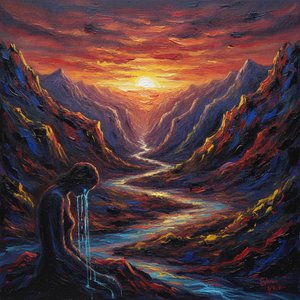
Capturing Emotion: A Journey Through the Soul of Expressionist Landscapes
Explore the profound emotional depth of Expressionist landscapes. Discover how Post-Impressionist masters moved beyond light to capture the soul through vibrant color and form. A curated journey for true art lovers seeking the beauty of expressive mastery.

Beyond the Light: Discovering the Soul and Emotional Depth of Post-Impressionism
Embark on a cultural journey through Post-Impressionism. Discover the profound emotional depth of masters like Van Gogh and Cézanne, exploring how they moved beyond light to capture the very soul of human experience through vibrant color and symbolic form.
Esplora le opere d'arte organizzate per temi, stili e caratteristiche.

