


 Anteprima in scala reale
 Condividi
 Condividi
 Dettagli
 Guida stampabile

 Scarica
 Articoli simili
 Radiografia
 Slideshow
 Statistiche
Gustave Klimt


A striking collage of urban decay meets the golden elegance of Gustav Klimt as Syrian artist Tammam Azzam blends classical beauty with modern reality, inviting you to explore this powerful contemporary masterpiece.
 Leggi tutto
Tammam Azzam: Artista siriano che fonde maestri europei con paesaggi urbani devastati. Scopri le sue opere in collage emozionali e significative per la resilienza e la ricostruzione dopo il conflitto!
L'opera d'arte visualizzata in questa pagina è protetta dalle leggi sul diritto d'autore, il che significa che non possiamo legalmente creare o vendere una riproduzione identica. Tale protezione è garantita da accordi internazionali quali la Convenzione di Berna e dalle leggi nazionali, incluse quelle stabilite da Legge sul copyright degli Stati Uniti - Titolo 17. Tutti i diritti riservati. Le immagini presenti su questo sito sono protette da copyright e non possono essere riprodotte o utilizzate senza l'autorizzazione scritta di WahooArt.com o dei rispettivi proprietari del copyright.
Questo metodo è pienamente conforme alle normative sul diritto d'autore poiché non prevede la copia o la duplicazione dell'opera protetta. Si tratta invece di una rielaborazione creativa: un nuovo dipinto che trae ispirazione dall'originale, senza tuttavia esserne identico.
Giclée / Stampe d'arte
Stampa giclée o su tela di qualità museale, con produzione rapida e diverse opzioni di finitura. ( Ordina la riproduzione dipinta a mano Passa all'immagine digitale)




P118B €10

P118H €10

P118W €10

P438Z €10

P508JH €12

P508YH €12

P805H €10

P805Z €10

P919BZ €10

P919G €10

P919XJ €10

P959ZH €10

P968JZ €12

W106C €8

W218G €10

W218JH €8

W218Y €10

W307PJ €10

W316G €10

W316PJ €8

W316Y €10

W398PJ €8

W4111J €10

W500HY €15

W500JH €15

W692G €12

W849H €8

W940BG €15

W953PJ €8




Standard
personalizzato
CM
INCH
Scegli tra le nostre dimensioni predefinite, che rispettano le proporzioni originali dell'opera d'arte.
Loading sizes...

larghezza
altezza
Inserisci la larghezza e l'altezza desiderate, per adattarle alla tua cornice o alla tua parete. Una stampa può essere solo ritagliata, mai resa più grande dell'immagine originale; pertanto, un formato con una forma differente comporterà la perdita di una parte dell'opera. Ti invieremo un mockup digitale da approvare prima di procedere con la stampa. L'immagine mostrata in questa pagina non rappresenta il ritaglio reale — solo il mockup lo mostra.
Consegna in tutto il mondo () in 2 settimane invece delle normali 4/5 settimane. (22 Ottobre)

Spedizione espressa gratuita in tutto il mondo

Tela in lino di alta qualità

Assicurazione completa sulla spedizione

Garanzia di rimborso dei dazi doganali

Garanzia di perfetta fedeltà cromatica

Politica di reso entro 100 giorni (solo per difetti di fabbricazione)

Garanzia di rimborso al 100%

Sconto per acquisti multipli
 L'opzione vetro è disponibile solo per dimensioni inferiori a 110 cm

Gustave Klimt
Giclée / Stampe d'arte
Dimensioni della riproduzione
-


Prezzo totale
€ 61
A Collision of Eras: The Poignant Vision of Tammam Azzam
In the evocative piece titled Gustave Klimt, contemporary Syrian artist Tammam Azzam orchestrates a breathtaking dialogue between the gilded splendor of the past and the fractured reality of the present. At first glance, the viewer is drawn into a familiar embrace, recognizing the unmistakable essence of Klimt’s iconic romanticism. However, as the eye wanders across the canvas, the illusion of a seamless masterpiece begins to splinter. Azzam utilizes a sophisticated collage technique that overlays the lush, golden warmth of Art Nouveau with the stark, gritty textures of urban decay. This juxtaposition creates a profound tension, where the timeless beauty of a lover's embrace meets the literal and metaphorical cracks of a world in transition.
The subject matter serves as a hauntingly beautiful meditation on resilience. By integrating elements of modern street art and architectural fragmentation, Azzam transforms a classic symbol of intimacy into a commentary on survival. The presence of contemporary detritus—the subtle inclusion of modern objects like cell phones amidst the painted scenery—acts as a temporal bridge, pulling the viewer out of the historical dreamscape and into our immediate, hyper-connected reality. This technique forces an emotional confrontation: we are asked to witness how much of our classical heritage remains intact when faced with the relentless pressures of modern conflict and urban transformation.
Technique and Visual Narrative
The visual impact of this work lies in its masterful use of contrast. The vibrant yellow palette provides an energetic focal point for any sophisticated space, yet beneath this brightness lies a deep, intellectual gravity. Azzam’s method is not merely a reproduction of a style, but a reimagining of history itself. Through the careful layering of textures, he creates a sense of depth that invites the eye to linger on both the smooth, painted surfaces and the jagged, broken edges of the composition. The image presents a close-up view where a man's face is rendered in stark black against a luminous background, creating a silhouette that feels both intimate and ghostly.
For the discerning collector or interior designer, this artwork offers a unique opportunity to introduce a conversation piece that transcends mere decoration. It functions as an anchor for a room, providing a sense of movement and narrative depth. The way the light seems to emanate from the golden tones, only to be interrupted by the shadows of urban fragmentation, makes it a dynamic element in any curated environment. Whether placed in a minimalist modern gallery or a richly textured classical study, the piece commands attention through its ability to bridge the gap between the museum and the street.
Symbolism and Emotional Resonance
Beyond its aesthetic brilliance, Gustave Klimt carries a heavy emotional weight. It is a work that speaks to the human condition—the struggle to maintain beauty and connection in the face of destruction. The fragmentation of the image serves as a metaphor for the fractured lives of those living through conflict, yet the persistence of the central figures suggests an unbreakable bond of humanity. This duality makes the piece incredibly powerful; it is simultaneously a lament for what has been lost and a celebration of what remains.
Owning a high-quality reproduction of this work allows one to curate an environment filled with meaning. It is more than just art; it is a window into a complex historical and contemporary dialogue. The piece invites viewers to reflect on the fragility of civilization and the enduring power of art to reconstruct our sense of self. For those seeking inspiration, Azzam’s vision provides a profound reminder that even amidst the cracks of a broken world, beauty continues to find a way to emerge.
Domande e risposte
Quali sono la data e lo stile di "Gustave Klimt" di Tammam Azzam?
"Gustave Klimt" di Tammam Azzam risale al 2013 e appartiene al Contemporary Art.
Chi è l'autore di "Gustave Klimt" e a quale movimento appartiene?
"Gustave Klimt" è stata creata da Tammam Azzam in stile Contemporary Art. L'artista e il movimento identificano la tradizione dell'opera.
L'opera "Gustave Klimt" si trova nel paese del suo creatore?
No - l'opera si trova all'estero. "Gustave Klimt" è conservata in Emirati Arabi Uniti, mentre Tammam Azzam è nato/a in Siria.
Biografia dell'artista
Tammam Azzam: Bridging Destruction and Beauty Through Collage
Tammam Azzam (nato a Damasco, Repubblica Araba Siriana nel 1980) è un artista siriano la cui peculiare approccio alla narrazione visiva combina l'importanza dei maestri europei con la cruda realtà della decadenza urbana. Il suo lavoro affronta con forza temi di perdita, resilienza e l'imperativo di ricostruire dopo il conflitto – una riflessione delle sue esperienze personali nel navigare nel tumultuoso panorama della storia recente siriana. Laureato presso la Facoltà d’Arti di Damasco nel 2001, Azzam affinò le sue competenze attraverso intensivi workshop guidati da Marwan, un artista siriano celebrato che plasmò profondamente la sua visione artistica. Inizialmente sperimentando con mezzi misti, riconobbe rapidamente il potenziale della collage come mezzo per esprimere emozioni e narrazioni complesse.- Influenze precoci: L’insegnamento di Marwan instillò in Azzam una dedizione a confrontare soggetti difficili con sensibilità e arte.
- La tecnica dell'Sovrapposizione Klimt: Azzam ottenne fama internazionale nel 2013 quando pionierì il metodo innovativo dello strato di fotografie di edifici bombardati su riproduzioni di opere d’arte iconiche come *Il Bacio* di Gustav Klimt. Questa tecnica costituisce una pungente giustapposizione – un dialogo visivo tra devastazione e bellezza duratura.
- Esplorazione dei materiali: La pratica artistica di Azzam utilizza la pittura acrilica insieme ai materiali della collage, inclusi frammenti di carta ed elementi architettonici. Costruisce meticolosamente le sue composizioni per enfatizzare i residui fisici del conflitto mantenendo al contempo un messaggio ottimistico sulla ricostruzione e la reimmaginazione degli spazi.
Una narrazione in collage – Frammenti di memoria
Il suo stile distintivo – caratterizzato da immagini frammentate e superfici texturate – cattura l’essenza dei paesaggi urbani segnati dalla guerra. I lavori di Azzam raffigurano edifici scheletrici, simbolo non solo della distruzione fisica ma anche dell'eradicazione della storia e dell'identità. L'uso deliberato della collage sottolinea questo concetto, riflettendo il processo di ricostruire un mondo frantumato da pezzi recuperati. La ricerca artistica di Azzam si estende oltre la Siria; ha risieduto in Germania dal 2016, promuovendo collaborazioni con altri artisti presso istituti come l’Istituto Studi Avanzati a Delmenhorst.Esposizioni e Riconoscimenti
Il suo lavoro artistico convincente ha ottenuto riconoscimento in tutto il continente. Ha presentato il suo talento ad Ayyam Gallery a Dubai, Art Dubai, Untitled Miami e Haines Gallery San Francisco, consolidando con successo la sua posizione come voce significativa nel discorso artistico contemporaneo – un tributo alla sua capacità di trasformare esperienza personale in dichiarazioni artistiche universalmente risonanti. ## Significato Contemporaneo Il lavoro di Azzam trascende semplicemente l'aspetto estetico; esso incarna una potente riflessione sulla condizione umana nell’affrontare l’avversità. Utilizzando la riproduzione di immagini classiche insieme alla documentazione fotografica della distruzione, lo invita a considerare il potere duraturo dell'arte come strumento di ricordo e trasformazione. La sua eredità artistica continua ad ispirare il dialogo sulla gestione dello shock e sulla visione di futuri radicati nella compassione e nella creatività.
Tammam Azzam
1980 - , Siria
Informazioni rapide
- Artistic Movement Or Style: Mixed media & Collage
- Artists Who Influenced This Artist: Marwan
- Date Of Birth: 1980
- Full Name: Tammam Azzam
- Nationality: Syrian
- Notable Artworks: ["Gustave Klimt's The Kiss"]
- Place Of Birth: Damascus, Syrian Arab Republic
Articoli correlati

The Unvarnished Truth: A Cultural Journey Through the Soul of American Realism
Explore the profound beauty of American Realism. From the Ashcan School's urban grit to intimate portraits, discover how artists captured the authentic soul of a nation through unvarnished truth and masterful observation.
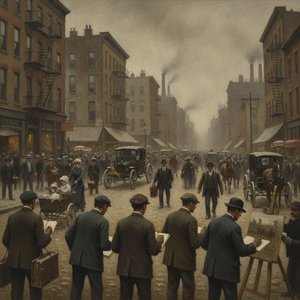
The Ashcan School: Capturing the Raw, Unfiltered Soul of Urban Life through American Realism
Discover the raw beauty of the Ashcan School. Explore how masters like Bellows and Henri captured the gritty, vibrant soul of early 20th-century New York through profound American Realism and evocative urban landscapes.