

Rappresentato: · Comprese le dimensioni della cornice:
 Anteprima in scala reale

 Invia
 Condividi
 Dettagli opera
 Scheda didattica


 Scarica
 Simili
 Radiografia
 Slideshow
 Domande e risposte

 Statistiche
Washington Monument (William Henry Bartlett)


Tele e stampe d'arte da €45 per 38 x 26 cm
Riproduzione a olio dipinta a mano a partire da €292
- Spedizione gratuita in tutto il mondo in 3-4 settimane
- Stampe arrotolate con consegna in 3-4 settimane
- Resi entro 100 giorni e rimborso garantito
- Valutato 4.9/5 da 241 clienti su ArtShopReviews.com
€ 69
Giclée / Stampe d'arte
Stampa giclée o su tela di qualità museale, con produzione rapida e diverse opzioni di finitura. ( Acquista l'olio Acquista copia digitale
)
Tecnica e supporto
 Scopri di più
La nostra opzione economica: la stessa immagine stampata su una tela in poliestere da 260 g/m² invece che su cotone, consegnata arrotolata in un tubo tramite posta ordinaria in 3-4 settimane. Solo in formato arrotolato (senza telaio, senza cornice) e senza produzione urgente, per dimensioni con almeno un lato di 80 cm o inferiore. Circa il 30% più economica rispetto alla stampa su tela di cotone.
Non disponibile per questa dimensione: almeno un lato deve essere di 80 cm o inferiore.
Solo in formato arrotolato: seleziona la stampa su tela in tubo per scegliere questa opzione.
Disponibile per dimensioni con entrambi i lati pari o inferiori a 110 cm. Per dimensioni superiori, la stampa viene realizzata su tela di cotone opaca.
La tela d'archivio opaca non è disponibile per questa dimensione: entrambi i lati devono essere pari o inferiori a 110 cm. La tua stampa sarà quindi realizzata su tela di cotone opaca.
L'opzione vetro è disponibile solo per dimensioni inferiori a 110 cm
Dimensioni
·Scegli tra le nostre dimensioni predefinite, che rispettano le proporzioni originali dell'opera d'arte.
Caricamento dimensioni...

larghezza
altezza
Inserisci la larghezza e l'altezza desiderate, per adattarle alla tua cornice o alla tua parete. Una stampa può essere solo ritagliata, mai resa più grande dell'immagine originale; pertanto, un formato con una forma differente comporterà la perdita di una parte dell'opera. Ti invieremo un mockup digitale da approvare prima di procedere con la stampa. L'immagine mostrata in questa pagina non rappresenta il ritaglio reale — solo il mockup lo mostra.
Formato standard
su misura
CM
POLLICI
Finitura
·
Bianco €1

Bordi sfumati €1

Bordi estesi €1

P118B €10

P118H €10

P118W €10

P438Z €10

P508JH €12

P508YH €12

P805H €10

P805Z €10

P919BZ €10

P919G €10

P919XJ €10

P959ZH €10

P968JZ €12

W106C €8

W218G €10

W218JH €8

W218Y €10

W307PJ €10

W316G €10

W316PJ €8

W316Y €10

W398PJ €8

W4111J €10

W500HY €15

W500JH €15

W692G €12

W849H €8

W940BG €15

W953PJ €8
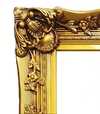
H24-GOLD €30
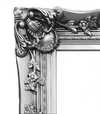
H24-SILVER €30
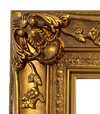
H36-GOLD €70
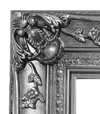
H36-SILVER €70
Spedito in un tubo protettivo, pronto per essere incorniciato dal tuo artigiano di fiducia.
Servizi extra
opzionaleCosa includono gli extra?
Consegna in tutto il mondo () in 2 settimane invece delle normali 4/5 settimane. (27 Dicembre)
La produzione urgente e la spedizione espressa non sono disponibili per la stampa su poly-canvas Economy, che viene spedita tramite posta ordinaria.
Vernice protettiva
Didascalia
Dettagli della targhetta in bronzo inciso
Questa elegante targa riporta il nome dell'artista e il titolo dell'opera, finemente incisi per una presentazione senza tempo.
Realizzata in bronzo con una finitura raffinata ed elegante. Il testo è inciso con precisione al laser per un risultato nitido e permanente. Con le sue dimensioni di 9x2 cm, la targa è compatta ma facilmente leggibile. È progettata per essere resistente ai graffi e duratura nel tempo, offrendo un aspetto professionale di qualità museale. Il montaggio è semplice grazie al biadesivo incluso.
Dettagli della targhetta in acrilico trasparente
La targa include i dettagli incisi essenziali, come il nome dell'artista, il titolo dell'opera, la data di creazione, la tecnica utilizzata — come olio su tela o acquerello —, una breve descrizione dell'opera e un codice QR che rimanda alle informazioni complete sull'opera d'arte.
Realizzata in acrilico trasparente, offre un aspetto elegante e moderno. Il testo è inciso con tecnologia UV in nero per garantire un forte contrasto visivo. Con dimensioni di 10x15 cm, assicura un'ottima leggibilità. È dotata di due ganci metallici per un montaggio sicuro a parete. La targa è progettata per essere resistente agli agenti atmosferici, rendendola adatta a diversi ambienti, e include funzioni interattive che funzionano perfettamente tramite scansione con smartphone.
Dettagli della targhetta in acrilico nero
Questa elegante targa include informazioni incise come il nome dell'artista, il titolo dell'opera, la data di creazione, la tecnica utilizzata (come olio su tela o acquerello), una breve descrizione dell'opera e un codice QR per un rapido accesso a ulteriori informazioni.
La targa è realizzata in acrilico nero raffinato con una finitura premium. Il testo è inciso al laser in bianco per garantire un alto contrasto e una perfetta leggibilità. Le dimensioni sono di 10x15 cm, studiate per essere facilmente leggibili. È dotata di due ganci metallici per un montaggio professionale. Il design è elegante e si adatta a qualsiasi stile d'interni. È inoltre resistente agli agenti atmosferici e durevole, con integrazione digitale per la compatibilità con i dispositivi mobili.
L'opzione vetro è disponibile solo per dimensioni inferiori a 110 cm
 L'opzione vetro è disponibile solo per dimensioni inferiori a 110 cm
- Spedizione gratuita in tutto il mondo in 3-4 settimane
- Tela in lino di alta qualità
- Assicurazione completa sulla spedizione
- Garanzia di rimborso dei dazi doganali
- Garanzia di fedeltà cromatica assoluta
- Resi entro 100 giorni e rimborso garantito
- Garanzia di rimborso al 100%
- Offerta per acquisti multipli


Washington Monument: William Henry Bartlett e il momento del Romanticism
A towering obelisk rises against a stormy sky in this detailed steel engraving, where fine lines define the stone and surrounding foliage.
William Henry Bartlett: biografia
Scopri William Henry Bartlett (1809-1854), artista britannico! Ammira le sue incisioni d'acciaio dettagliate di paesaggi, architetture e viaggi in Gran Bretagna, America e oltre.
Dettagli sull'opera
The Depiction of Washington Monument by William Henry Bartlett
In this monochrome depiction, William Henry Bartlett presents the Washington Monument, a significant national landmark. The towering obelisk dominates the scene, rising sharply against a stormy sky. To the left of the central structure, a building is partially obscured by foliage, providing a sense of architectural context to the landscape. The artist uses a central perspective to ensure the monument remains the primary focal point of the entire composition.
To provide a sense of scale against the massive stone structure, Bartlett includes figures in the foreground. These individuals are arranged in a loose group, grounding the monumental setting within a human presence. The surrounding landscape is rendered with a level of detail that suggests the texture of the stone and the organic forms of the nearby trees. This approach allows the viewer to grasp the sheer height of the obelisk through its relationship to the people and the buildings below.
Composition and Visual Elements of the Work
The composition is anchored by a central perspective, positioning the towering obelisk as the undeniable focal point. This verticality is emphasized by the monument's immense height as it rises sharply against a stormy sky. The sheer scale of the structure is balanced by a building situated to the left, which adds a layer of architectural complexity to the scene. This placement prevents the composition from feeling purely symmetrical, offering instead a more naturalistic arrangement of the landscape.
In the foreground, a loose group of figures is arranged to establish a sense of depth. These human elements provide a necessary sense of scale, allowing the viewer to grasp the true magnitude of the stone structure. The arrangement leads the eye from the detailed foreground through the midground, toward the monument itself. Through this careful layering, the work achieves a structured sense of space, guiding the viewer's gaze upward toward the dramatic intersection of stone and sky.
Technique and Artistic Style of the Artist
The work is a refined example of 19th-century topographical art, a style dedicated to the precise documentation of landscapes and architectural landmarks. This particular piece appears to be an engraving or a lithograph, rendered with a meticulous hand that prioritizes accuracy. Through the use of fine lines, the artist defines the intricate details of the monument's masonry and the organic textures of the surrounding foliage. It is a quiet, disciplined approach to representation.
To achieve a sense of three-dimensional form, the artist employs sophisticated hatching and cross-hatching techniques. These methods allow for subtle shading and modeling, giving weight to the stone structure and depth to the sky. The technique relies on a careful arrangement of lines and shading to suggest texture, from the smooth surfaces of the obelisk to the more irregular, rougher elements of the landscape. This method ensures that the viewer perceives the physical presence of the monument through tonal variation rather than color.
Visual Characteristics and Use of Light
The work relies on a grayscale palette, moving through a deliberate range from deep blacks to the lightest whites. This tonal variation is essential to the piece, as the lighting appears dramatic, creating strong contrasts between light and shadow. Such intensity suggests the atmosphere of an overcast or stormy day, casting the monument in a light that feels both heavy and significant. Through these shifts in value, the artist manages to define the sheer scale of the obelisk against the sky.
Depth is achieved through a careful application of perspective. Linear perspective guides the eye into the scene, while atmospheric perspective is employed to soften the distant elements. As the landscape recedes, details become less defined, allowing the foreground figures to remain sharply delineated. This technique provides a sense of immense space, placing the viewer within a specific, tangible environment.
Texture is suggested through meticulous line work. Fine lines define the smooth, stone surface of the monument, while other marks convey the rough bark of the trees and the flowing fabric of the clothing worn by the figures in the foreground. This attention to detail allows the viewer to perceive the different materials present in the scene, from the geometric rigidity of the architecture to the organic forms of the surrounding nature.
Domande e risposte
Questa riproduzione di Washington Monument è dipinta a mano o è una stampa?
Stampa: Washington Monument è riprodotta come stampa giclée su tela di cotone o su carta per tela d'archivio Epson.
Che dimensioni dovrei scegliere per Washington Monument?
Le dimensioni vanno da 38.0 x 26.3 cm (€45) a 245.4 x 169.7 cm (€365); la tabella in questa pagina elenca le opzioni principali e i relativi prezzi.
Quanto tempo richiede la consegna?
Le stampe arrotolate in un tubo viaggiano gratuitamente tramite posta ordinaria e arrivano in 3-4 settimane; le stampe su tela o incorniciate richiedono invece 4-5 settimane. La consegna tramite corriere espresso è disponibile esclusivamente con l'opzione di Spedizione Express a pagamento. È possibile restituire l'articolo entro 100 giorni per un rimborso completo, senza alcuna condizione.
Quale tecnica ha utilizzato William Henry Bartlett per Washington Monument?
Engraving
Brevi curiosità e quiz sull'arte
Informazioni su William Henry Bartlett

William Henry Bartlett
1809 - 1854, Regno Unito
Su William Henry Bartlett: vita, opere e biografia
Informazioni rapide su William Henry Bartlett
- Artistic Movement Or Style: Illustrazione topografica
- Artists Who Influenced This Artist: ['John Britton']
- Date Of Birth: 26 marzo 1809
- Date Of Death: 13 settembre 1854
- Full Name: William Henry Bartlett
- Nationality: Britannico
- Notable Artworks:
- American Scenery
- Canadian Scenery Illustrated
- Walks About Jerusalem
- Place Of Birth: Londra, Regno Unito
Esplora le opere d'arte organizzate per temi, stili e caratteristiche.


William Henry Bartlett
Washington Monument
() ·
Comprese le dimensioni della cornice: ·
Totale