Atelier — Spedizione gratuita in tutto il mondo — Consegna in 2–6 settimane
Da foto a dipinto Lista dei desideri Carrello
Anteprima in scala realeAnteprima in scala reale Anteprima in ARAnteprima in AR Ordina la riproduzione dipinta a mano Ordina la riproduzione dipinta a manoAcquista download Acquista download CondividiCondividi
DettagliDettagli Aggiungi ai preferiti Aggiungi ai preferiti Scarica immagineScarica immagine Articoli similiArticoli simili RadiografiaRadiografia SlideshowSlideshow

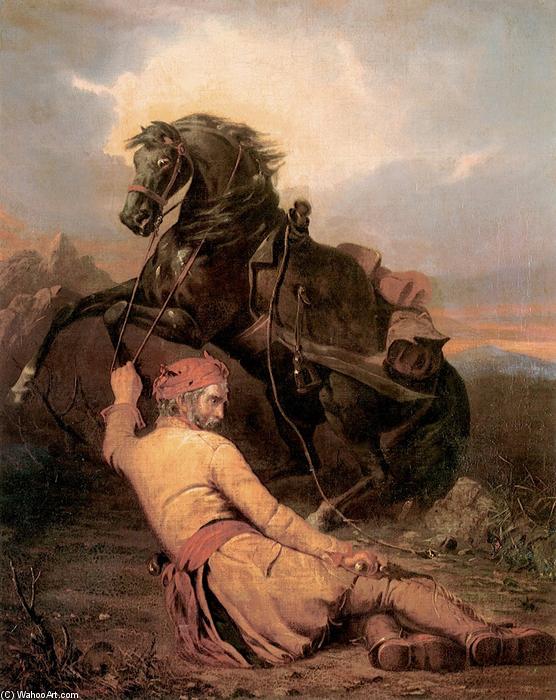
The Fallen Trapper

Discover "The Fallen Trapper" by William Tylee Ranney – a poignant oil painting capturing frontier life. Explore the rich details of this American Romanticist masterpiece and its historical context.

"meta_description": "William Tylee Ranney (1813-1857): pittore americano innovativo, celebre per i suoi vivaci dipinti del West, scene sportive e ritratti di vita quotidiana. Un'importante figura pre-civile."

Giclée / Stampe d'arte

Stampa giclée o su tela di qualità museale, con produzione rapida e diverse opzioni di finitura. (Ordina la riproduzione dipinta a mano Ordina la riproduzione dipinta a manoAcquista download Acquista download)

P118B $10
P118H $10
P118W $10
P438Z $10
P508JH $12
P508YH $12
P805H $10
P805Z $10
P919BZ $10
P919G $10
P919XJ $10
P959ZH $10
P968JZ $12
W106C $8
W218G $10
W218JH $8
W218Y $10
W307PJ $10
W316G $10
W316PJ $8
W316Y $10
W398PJ $8
W4111J $10
W500HY $15
W500JH $15
W692G $12
W849H $8
W940BG $15
W953PJ $8

Standard
custom
CM
INCH

Scegli tra le nostre dimensioni predefinite, che rispettano le proporzioni originali dell'opera d'arte.

larghezza
altezza

È possibile inserire dimensioni personalizzate per adattare l'opera a una cornice o a uno spazio specifico. Se la dimensione selezionata non corrisponde alle proporzioni dell'immagine originale, procederemo al ritaglio dell'opera o all'estensione dell'immagine con un bordo specchiato o a tinta unita. Un mockup digitale ti verrà inviato per approvazione prima dell'inizio della produzione.
Si prega di notare che l'anteprima a schermo non riflette il ritaglio o l'estensione effettivi. Solo il mockup mostrerà accuratamente la composizione finale.
Sebbene siano disponibili dimensioni personalizzate, si raccomanda di selezionare una dimensione dall'elenco predefinito per preservare le proporzioni originali.

Consegna in tutto il mondo () in 2 settimane invece delle normali 4/5 settimane. (19 Agosto)

why_choose_icon
Spedizione espressa gratuita in tutto il mondo
why_choose_icon
Tela in lino di alta qualità
why_choose_icon
Assicurazione completa sulla spedizione
why_choose_icon
Garanzia di rimborso dei dazi doganali
why_choose_icon
Garanzia di fedeltà cromatica dell'originale
why_choose_icon
Politica di reso entro 60 giorni (solo per difetti di fabbricazione)
why_choose_icon
Garanzia di rimborso al 100%
why_choose_icon
Sconto per acquisti multipli

Prezzo totale

$ 69

reproduction

The Fallen Trapper

Giclée / Stampe d'arte

Dimensioni della riproduzione

-

Prezzo totale

$ 69

Dettagli rapidi

  • Artistic style: American Romanticism
  • Title: The Fallen Trapper
  • Year: 1852
  • Artist: William Tylee Ranney
  • Notable elements: Depicts a trapper
  • Medium: Oil on canvas

Quiz d'arte

Per ogni domanda è presente una sola risposta corretta.

Domanda 1:
What is the primary subject depicted in William Tylee Ranney’s ‘The Fallen Trapper’?
Domanda 2:
According to the description, what is notable about the man in ‘The Fallen Trapper’?
Domanda 3:
In what year was ‘The Fallen Trapper’ painted?
Domanda 4:
William Tylee Ranney is considered significant in American art for being a pioneer of which genre?
Domanda 5:
The painting includes two other horses in the background. What does their presence suggest about the scene?

Descrizione del pezzo

A Moment Frozen in Time: William Tylee Ranney’s “The Fallen Trapper”

William Tylee Ranney's "The Fallen Trapper," painted in 1852, isn’t merely a depiction of a solitary figure; it’s a poignant encapsulation of the American West at a pivotal moment. The painting immediately draws the eye to a man, weathered and weary, slumped against a horse beneath the imposing shadow of the Rocky Mountains. He's not a heroic adventurer or a triumphant frontiersman, but rather a vulnerable individual, stripped bare by circumstance – a hunter brought low, perhaps by hardship, illness, or simply the relentless indifference of nature. This deliberate lack of grandiosity is central to Ranney’s artistic vision; he eschewed romanticized narratives in favor of honest portrayals of everyday life, reflecting his own experiences and observations during his time in Texas.

The scene unfolds within a carefully constructed landscape, rendered with a remarkable attention to detail. The rugged mountains, painted with a muted palette of browns, grays, and ochres, convey both the grandeur and the unforgiving nature of the territory. Notice how Ranney utilizes atmospheric perspective – distant peaks fade into a hazy blue, creating a sense of depth and vastness that emphasizes the man’s isolation. The horse, a sturdy Appaloosa with distinctive spotted markings, is not merely a mount but an integral part of the scene, its presence grounding the figure in this harsh environment. The subtle variations in texture – the rough bark of the trees, the worn leather of the saddle, the folds of the man’s clothing – speak to Ranney's meticulous technique and his ability to capture the tactile qualities of the world around him.

A Pioneer Painter: Contextualizing Ranney’s Vision

To fully appreciate “The Fallen Trapper,” it’s essential to understand William Tylee Ranney’s unique position in American art history. Born in Middletown, Connecticut, in 1813, he was a self-taught artist who emerged during a period of rapid westward expansion and profound social change. Unlike many artists of his time who trained in European academies, Ranney developed his style through direct experience – his service in the Texas Army following the Battle of the Alamo profoundly shaped his artistic sensibilities. This firsthand encounter with frontier life instilled in him a deep respect for the resilience and resourcefulness of those who carved out a living in the wilderness.

Ranney’s work stands apart from the prevailing romanticized depictions of the West that often glorified conquest and heroism. Instead, he presented a more nuanced and realistic portrayal of frontier life, focusing on the struggles and vulnerabilities of ordinary people. His paintings frequently depicted scenes of hunting, trapping, and exploration, but always with an emphasis on human dignity and quiet contemplation. He was considered one of the first major genre painters to work in New Jersey, and his art reflects a unique blend of Romanticism and Realism.

Symbolism and Emotional Resonance

The painting’s power lies not just in its technical skill but also in its subtle symbolism. The fallen trapper represents more than just a single individual; he embodies the broader themes of hardship, loss, and the precariousness of life on the frontier. His slumped posture and weary expression convey a sense of defeat, yet there's also an underlying dignity – a quiet acceptance of fate. The horse, tethered to the ground, symbolizes both dependence and restraint, suggesting the limitations imposed by circumstance.

Ranney’s masterful use of light and shadow further enhances the emotional impact of the painting. The diffused sunlight filtering through the mountains creates a melancholic atmosphere, reinforcing the sense of isolation and vulnerability. The muted color palette contributes to this mood, evoking a feeling of quiet contemplation and understated sadness. “The Fallen Trapper” is not a triumphant celebration of the West; it’s a poignant meditation on its challenges and its human cost.

Bringing Ranney's Vision Home: Reproductions and Legacy

Today, "The Fallen Trapper" continues to resonate with viewers who appreciate its honest portrayal of frontier life. High-quality reproductions offer an accessible way to experience the painting’s beauty and emotional depth. Whether displayed in a study, living room, or gallery, this artwork serves as a powerful reminder of the sacrifices made by those who shaped the American West. Consider commissioning a custom reproduction from TopImpressionists.com to bring this iconic image into your own space – a tangible connection to a pivotal moment in American art and history.


Biografia dell'artista

Primi Anni e Esperienza in Texas

  • Nato: 9 maggio 1813, Middletown, Connecticut
  • Genitori: William Ranney (capitano di marina) e Clarissa Ranney
  • Si trasferì a Fayetteville, Carolina del Nord nel 1826 per vivere con suo zio, mercante William Nott.
  • Fu apprendista fabbro durante questo periodo, sviluppando probabilmente le sue prime capacità di disegno.
  • Nel 1833, si trasferì a Brooklyn, New York, per studiare pittura.
  • Si offrì volontario nell'esercito del Texas nel marzo 1836 dopo la caduta dell'Alamo, servendo sotto il generale Sam Houston.
  • Servì per nove mesi, vivendo eventi che influenzarono profondamente i soggetti delle sue opere successive. Si dice abbia sorvegliato Santa Anna dopo la battaglia di San Jacinto.
  • Tornò a Brooklyn nel 1837 e riprese le sue attività artistiche.

Sviluppo Artistico e Stile

  • Pittore ad olio autodidatta, senza formazione formale.
  • Espose pubblicamente per la prima volta i suoi dipinti nel 1838 alla National Academy of Design di New York City.
  • Ricevette un premio per il suo dipinto di genere, "A Courting Scene" (Una scena di corteggiamento).
  • Viaggiò tra Carolina del Nord e New York dal 1839 al 1842.
  • Aprì uno studio a New York City nel 1843, pubblicizzando inizialmente come ritrattista.
  • Sviluppò uno stile distintivo caratterizzato da rappresentazioni realistiche della vita quotidiana, scene sportive, soggetti storici e paesaggi occidentali.
  • Le sue opere spesso presentavano raffigurazioni dettagliate di figure e ambienti, riflettendo la sua meticolosa osservazione e attenzione ai dettagli.

Temi Principali e Opere

  • Vita Occidentale: Spirito pionieristico, cacciatori, trapper ed esploratori prima dell'insediamento europeo-americano diffuso (ad esempio, "Prairie Burial" - Sepoltura nella prateria, "Scouting Party" - Gruppo di ricognizione).
  • Scene Sportive: La caccia all'anatra e i soggetti equestri erano prominenti, noti per le loro figure scultoree ("On the Wing" - In volo – la sua opera più popolare con molte versioni).
  • Soggetti Storici: Raffigurò scene della Rivoluzione Americana, concentrandosi sulle esperienze delle persone comuni piuttosto che sulle grandi battaglie.
  • Pittura di Genere: La vita quotidiana e le scene domestiche venivano spesso ritratte.
  • Opere Notabili: "On the Wing", "Prairie Burial", "Scouting Party", "Hunting Wild Horses" (Caccia ai cavalli selvatici), "Trapper's Last Shot" (L’ultimo colpo del trapper), "The Match Boy" (Il venditore di fiammiferi), "Old Oaken Bucket" (Vecchia secchia di quercia).

Vita Successiva, Eredità e Significato

  • Sposò Margaret Agnes O’Sullivan nel 1847.
  • Si stabilì permanentemente a West Hoboken, New Jersey (ora Union City) nel 1853, stabilendo uno studio con vista sullo skyline di Manhattan.
  • Contributore regolare e membro associato della National Academy of Design e dell'American Art Union.
  • Considerato il primo importante pittore di genere a lavorare nel New Jersey.
  • Uno dei pittori americani più importanti del periodo pre-guerra civile.
  • I suoi contemporanei riconobbero la sua importanza, affermando che "uno specchio di Ranney è indispensabile ovunque esista una collezione d'arte americana."
  • Morì il 18 novembre 1857, probabilmente a causa della tubercolosi.
  • Le opere di Ranney contribuirono a rendere popolari le rappresentazioni dell’America occidentale e allo sviluppo della pittura di genere negli Stati Uniti. Il suo focus sulla vita quotidiana e sulle persone comuni rese la sua arte accessibile e vicina a un vasto pubblico.
William Tylee Ranney

William Tylee Ranney

1813 - 1857 , Stati Uniti d'America

Informazioni rapide

  • Artistic Movement Or Style: Pittura di genere
  • Date Of Birth: 9 maggio 1813
  • Date Of Death: 18 novembre 1857
  • Full Name: William Tylee Ranney
  • Nationality: Americano
  • Notable Artworks:
    • On the Wing
    • Prairie Burial
    • Scouting Party
    • Trapper's Last Shot
  • Place Of Birth (City And Country): Middletown, USA
© TopImpressionists.com — Tutti i diritti riservati  ·  100% Dipinto a mano · Soddisfazione garantita · Spedizione gratuita in tutto il mondo

VISA MASTERCARD




































