

 Anteprima in scala reale
 Invia
Invia Condividi
 Dettagli opera
 Guida
Guida

 Scarica
 Simili
 Radiografia
 Slideshow
 Domande e risposte
 Statistiche
Dentro il Bar


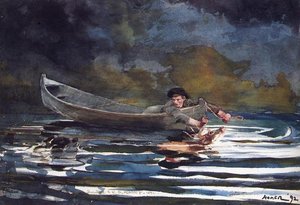
Scopri "Dentro il Bar", un affascinante dipinto acquerello di Winslow Homer del 1883, eseguito con maestria inglese e ispirato alla vita quotidiana della costa nordamericana.
 Espandi i dettagli
Esplora l'affascinante arte di Winslow Homer (1836-1910), un maestro del Realismo americano rinomato per i suoi potenti dipinti marini, paesaggi e raffigurazioni della vita nel XIX secolo. Scopri opere iconiche come 'Breezing Up' e la sua duratura influenza su Ame...
Ottieni un file pronto per la stampa che supera di gran lunga l'anteprima web. Ogni immagine digitale in vendita proviene da un master ad alta risoluzione del nostro archivio — con una larghezza solitamente compresa tra 5.000 e 15.000 pixel — permettendoti di stampare in grande formato, ritagliare con precisione o riprodurre dettagli minuziosi in totale sicurezza.
Nessun file lascia il nostro studio senza essere stato elaborato. Un esperto digitale verifica la corrispondenza dei colori con il dipinto originale e li corregge se necessario, per poi migliorarne la nitidezza e i dettagli attraverso strumenti di fotoritocco professionale — mantenendo sempre fedeltà alla pennellata e allo stile dell'artista. Il risultato è un'immagine che appare come il dipinto stesso, e non come una scansione filtrata.
L'approvazione avviene prima della conclusione dell'ordine: il nostro esperto invierà l'immagine via e-mail entro 72 ore per la tua revisione. Non sei soddisfatto? Puoi richiedere modifiche o correzioni, oppure un rimborso qualora la qualità non dovesse soddisfare le tue aspettative.
Questa è la qualità su cui fanno affidamento editori, studi di design, gallerie e stamperie.
Immagine Digitale
Scarica un file ad alta risoluzione per uso personale, per la stampa e per progetti creativi. ( Passa alle stampe Acquista il dipinto realizzato a mano)
Incluso in ogni ordine di immagini digitali
Consegna digitale professionale e garantita
Quando scegli TopImpressionists.com, non riceverai solo un'immagine: riceverai un'opera d'arte digitale professionalmente ottimizzata, realizzata con la massima precisione e accompagnata da una garanzia di soddisfazione. Ecco tutto ciò che include il tuo ordine, automaticamente:

Consegna rapida via email
Riceverai il file dell'immagine digitale ad alta risoluzione via email entro 72 ore dall'ordine, pronto per un uso immediato.

File digitale ottimizzato dall'IA
La tua opera d'arte viene ottimizzata professionalmente attraverso l'uso di strumenti avanzati di intelligenza artificiale e una revisione manuale, garantendo il massimo livello di dettaglio, nitidezza e accuratezza cromatica.

Riconsegna gratuita a vita
Hai eliminato o perso accidentalmente il tuo file? Non preoccuparti: te lo invieremo di nuovo in qualsiasi momento, gratuitamente.

Nessun costo di importazione, mai
Goditi la tua opera d'arte istantaneamente senza costi doganali, dazi o spese di spedizione: i download digitali sono sempre esenti da tasse.

Garanzia di fedeltà cromatica
Garantiamo che la tua immagine digitale rifletta i colori originali con la massima fedeltà, grazie all'uso di strumenti professionali e a una gestione accurata del colore.

Garanzia soddisfatti o rimborsati 100 giorni
Se non sei soddisfatto della tua immagine digitale, la revisioneremo o ti rimborseremo il 100% entro 100 giorni, senza domande.

Garanzia di rimborso al 100%
Non sei soddisfatto? Ricevi un rimborso completo entro 100 giorni dal ricevimento del tuo file digitale, senza dover fornire spiegazioni.

Sconti per ordini multipli
Acquista 3 immagini, risparmia il 10% - Acquista 5, risparmia il 15% - Acquista 10+, risparmia il 20%. Ideale per progetti creativi, gallerie e agenzie.
Inside the Bar, Tynemouth: A Watercolor Echo of Resilience
Winslow Homer’s “Inside the Bar,” painted in 1883, isn't merely a depiction of a North Sea fishing village; it’s a profound meditation on human endurance and the sublime beauty found amidst hardship. Captured with Homer’s signature watercolor technique—characterized by broad washes of color layered upon each other—the painting transports us to a moment frozen in time, yet brimming with palpable emotion. The scene unfolds against the dramatic backdrop of turbulent seas, dominated by towering cliffs and weathered boats, embodying the spirit of perseverance that defines both the landscape and its inhabitants.- Artist’s Style: Homer's distinctive approach prioritized capturing atmosphere above precise detail. He eschewed academic conventions for a looser style, favoring expressive brushstrokes and tonal gradations to convey the raw power of nature and the quiet dignity of everyday life.
- Technique: Watercolor proved ideal for Homer’s vision, allowing him to achieve luminous effects and subtle nuances that would have been impossible with oil paint. The artist meticulously blended pigments on wet paper, creating textures that mimic the roughness of stone and the shimmering surface of water—a masterful demonstration of watercolor mastery.
Historical Context & Influence
Painted during Homer’s second transatlantic journey, “Inside the Bar” reflects his immersion in the rugged coastal communities of England. The painting emerged from a period marked by social reform movements and burgeoning interest in Impressionism, signaling Homer's embrace of innovative artistic sensibilities. It aligns with the broader trend toward portraying ordinary subjects with dignity and capturing fleeting moments of beauty—a stylistic hallmark of the era that cemented Homer’s legacy as one of America’s foremost realist painters. The painting was exhibited at the Metropolitan Museum of Art in New York, where it garnered critical acclaim for its masterful execution and evocative portrayal of human experience.Symbolism & Emotional Resonance
Beyond its technical brilliance, “Inside the Bar” resonates deeply with viewers on an emotional level. The turbulent sea symbolizes challenges and uncertainties—forces that threaten to overwhelm but ultimately inspire courage and determination. Yet, amidst this turmoil, Homer’s woman embodies unwavering optimism and steadfast faith—a beacon of hope illuminating the darkness. The painting speaks to a universal yearning for connection, comfort, and resilience in the face of life's difficulties—themes that continue to captivate audiences today.Reproductions & Appreciation
For those seeking to experience Homer’s artistic vision firsthand, TopImpressionists.com offers meticulously crafted oil painting reproductions of “Inside the Bar.” These reproductions faithfully recreate the original artwork’s luminous colors and textural nuances, allowing collectors and interior designers alike to bring Homer's masterpiece into their homes—a testament to enduring beauty and timeless inspiration.Domande e risposte
Qual è l'atmosfera di "Dentro il Bar" di Winslow Homer?
"Dentro il Bar" di Winslow Homer è descritto come Calma per atmosfera. Questa classificazione può aiutare ad abbinare l'opera a un ambiente.
"Dentro il Bar" di Winslow Homer si trova nel paese d'origine dell'artista?
No - l'opera si trova all'estero. "Dentro il Bar" è conservata in United States of America, mentre Winslow Homer è nato/a in Stati Uniti d'America.
Qual è il colore dominante di "Dentro il Bar" di Winslow Homer?
Il colore dominante di "Dentro il Bar" di Winslow Homer è Marrone rosato (#9c9d85).
Opere simili



Biografia dell'artista
**primi anni di vita e carriera**
Winslow Homer, una figura di spicco dell'arte americana del XIX secolo, è nato il 3 ottobre 1836 a Cambridge, Massachusetts. Il suo percorso artistico è iniziato come illustratore commerciale, evolvendosi gradualmente in un maestro pittore ad olio, celebrato per le sue affascinanti rappresentazioni di paesaggi e vedute marine.**stile artistico e opere notevoli**
Caratterizzato dalla solidità e dalla consistenza delle sue tele ad olio, l'opera di Homer offre una prospettiva profonda sulla vita e la natura americana. Alcune delle sue opere più importanti includono:- *Innocenza* (circa 1890), un esempio toccante della sua abilità nel catturare l'essenza dell'emozione umana.
- *Natura morta di frutta* (1883), che dimostra la sua attenzione ai dettagli e l'uso del colore.
- *L'uomo dello scienziato* (1895), una testimonianza della sua capacità di rappresentare la figura umana con profondità e sfumature.
**contributo all'arte americana**
Come artista auto-fatto, l'ampio output di Homer in pittura ad olio e acquerello ha lasciato un segno indelebile nella storia dell'arte americana. Il suo tocco più leggero, in particolare nell'acquerello, cattura splendidamente il tempo libero e il lavoro dei suoi frequenti ritiri di lavoro.**eredità e influenza**
L’influenza di **Winslow Homer** sul realismo americano è innegabile. Le sue opere continuano a ispirare artisti e appassionati d'arte, offrendo una finestra unica sull'anima dell'America del XIX secolo. Come parte integrante della collezione TopImpressionists.com, le sue opere sono ora accessibili a un pubblico globale.- Esplora altre opere di **Winslow Homer** su TopImpressionists.com.
- Approfondisci la storia dell'arte e la sua evoluzione su wikipedia: storia della pittura.
- Scopri l’impatto del realismo sul mondo dell’arte con il museo nazionale slovacco di Bratislava (Slovacchia), presentato su il sito web TopImpressionists.
**conclusione**
L'eredità artistica di **Winslow Homer** serve come una riflessione senza tempo sulla vita americana e sulla bellezza dei suoi paesaggi. Attraverso il suo lavoro, ci ricordiamo del potere duraturo dell’arte nel catturare l'essenza dell'esperienza umana.- Visualizza la vasta collezione di **Winslow Homer** su TopImpressionists.com.
- Scopri di più sulla storia della pittura e sui suoi influenti protagonisti su wikipedia.
**Riferimenti**

Winslow Homer
1836 - 1910 , Stati Uniti d'America
Informazioni essenziali
- Artisti Influenti:
- École de Barbizon
- Gustave Courbet
- Jean-François Millet
- Data Di Nascita: 3 ottobre 1836
- Luogo Di Nascita: Cambridge, Stati Uniti
- Movimento Artistico: Realismo Americano
- Nazionalità: Americana
- Nome Completo: Winslow Homer
- Opere Notevoli:
- Innocenza
- Natura morta di frutta
- L'uomo dello scienziato
- Breezing Up
- The Gulf Stream