


 設置イメージを確認
 送る
送る シェア
シェア
 詳細情報
詳細情報 ガイドを表示

 画像をダウンロード
 似ている作品
 X線調査
X線調査 スライドショー
 統計情報
統計情報Three sailing boats
 Oil On Canvas
- WallArt
- Bengal School of Art
 19th Century
 17.0 x 12.0 cm
 ヴィクトリア記念堂
 続きを読む
続きを読む
ジークレー/アートプリント
スピーディーな制作と多彩な仕上げオプションが魅力の、ミュージアムクオリティなジークレー・キャンバスプリント。 ( 手描きの複製画を注文する デジタル画像販売へ切り替え)




P118B ¥10

P118H ¥10

P118W ¥10

P438Z ¥10

P508JH ¥12

P508YH ¥12

P805H ¥10

P805Z ¥10

P919BZ ¥10

P919G ¥10

P919XJ ¥10

P959ZH ¥10

P968JZ ¥12

W106C ¥8

W218G ¥10

W218JH ¥8

W218Y ¥10

W307PJ ¥10

W316G ¥10

W316PJ ¥8

W316Y ¥10

W398PJ ¥8

W4111J ¥10

W500HY ¥15

W500JH ¥15

W692G ¥12

W849H ¥8

W940BG ¥15

W953PJ ¥8




標準サイズ
カスタムサイズ
CM
INCH
作品のオリジナル比率に合わせた、当店の規定サイズからお選びください。
Loading sizes...

横幅
高さ
額縁や壁のスペースに合わせて、ご希望の幅と高さを入力してください。プリントはカットすることは可能ですが、元の画像より大きくすることはできないため、異なる比率のサイズを選択された場合は、画像の一部が欠けることになります。印刷を開始する前に、内容を確認していただくためのデジタルモックアップをお送りいたします。このページに表示されている画像は、実際のカット後の状態を示すものではありません。実際の仕上がりはモックアップにてご確認ください。


 ガラスオプションは、110cm未満のサイズでのみご利用いただけます。

Three sailing boats
ジークレー/アートプリント
複製画サイズ一覧
-


合計金額
¥ 10859
A Serene Voyage on Canvas
Gazing upon this depiction of three sailing boats, one is immediately transported to a time of gentle passage and quiet contemplation. The composition itself sings of the maritime spirit—a timeless dance between human endeavor and the vast, yielding expanse of water. Three distinct vessels anchor the scene: one gracefully positioned on the left, another drawing the eye toward the center, and the third completing the visual journey on the right. Each boat possesses its own unique silhouette, suggesting individual stories whispered across the gentle currents.
The artist, Abanindranath Tagore, masterfully captures not just boats upon water, but an entire mood—a sense of rhythmic movement punctuated by moments of serene stillness. The inclusion of a solitary figure on the right side adds a crucial human element; this observer seems to be absorbing the spectacle, inviting the viewer into a shared moment of quiet appreciation for nature's artistry.
Echoes of Indian Artistic Tradition
To understand this piece is to appreciate the rich currents of early 20th-century Indian art. Abanindranath Tagore was a pivotal figure who navigated the confluence of global artistic movements while fiercely championing indigenous aesthetics. His work, as seen here, subtly rejects purely Western models, instead weaving in influences that speak to Mughal and Rajput traditions. This commitment to Swadeshi values imbues the painting with a deep sense of cultural rootedness, making it more than just a seascape; it is a statement of artistic identity.
While his training exposed him to various techniques, including those influenced by Whistler's aestheticism, the final effect remains deeply personal and evocative. The handling of light across the water suggests an understanding of atmospheric perspective that transcends mere imitation, achieving instead a soulful resonance.
Technique and Visual Harmony
The execution on this canvas, rendered at a manageable size of 17 x 12 cm, allows for an intimate viewing experience. The technique employed must balance the fluidity of water with the solid presence of the boats. One can almost feel the texture of the painted breeze lifting the sails. The artist achieves visual harmony by distributing weight across the three vessels, ensuring that no single element overpowers the collective beauty of the scene. It is a study in balanced composition.
The subtle variations in color—the deep blues of the water contrasting with the warmer tones of the wood and canvas—guide the eye naturally from left to right, mirroring the journey of the boats themselves.
Symbolism of Passage and Observation
Beyond its immediate beauty, this artwork carries potent symbolism. The sailing boats are perennial symbols of life's journeys—the passage through time, the voyage toward an unknown horizon. They suggest movement, change, and the necessary trust in currents unseen. Meanwhile, the observer on the shore represents introspection; it is a reminder to pause amidst the rush of modern life and simply watch the world drift by.
For collectors and designers alike, this piece offers an emotional anchor. It speaks to longing, peace, and the enduring beauty found in natural rhythms. Reproducing such a work allows one to bring a pocket-sized vista of tranquility into any room, transforming a space into a quiet harbor.
よくあるご質問
アバニンドラナート・タゴール作「Three sailing boats」の輝度はどの程度ですか?
アバニンドラナート・タゴール作「Three sailing boats」 の輝度は Gentle Luminance です。輝度とは、色がどれほど光を反射しているかを表す指標です。
アバニンドラナート・タゴール作「Three sailing boats」の形状とサイズを教えてください。
アバニンドラナート・タゴール作「Three sailing boats」は、原寸で17 x 12 cmのPortraitによる作品です。
アバニンドラナート・タゴール作「Three sailing boats」 の複製画は、どこに飾るのが最適でしょうか?
Portraitの形状を活かした「Three sailing boats」の複製画は、Living Roomに飾るのがおすすめです。
アーティストについて
生い立ちと背景
- 生年月日:1861年5月7日、イギリス領インド、カルカッタ、ジョランスンコ
- 没年月日:1951年12月5日
- 家族:高名なタゴール家の一員であり、ラビンドラナート・タゴールの甥にあたります。祖父はギリンドラナート・タゴール、父はグネンドラナート・タゴールです。
- 教育:1880年代にコルカタのサンスクリット・カレッジで学び、その後カルカッタ美術学校に入学しました。
芸術的発展と影響
- 初期の修行:カルカッタ美術学校において、O. ギラルディからパステル画を、チャールズ・パーマーから油彩画を学びました。
- ムガル様式とラージプート様式:西洋の芸術モデルを拒絶し、これらの伝統的な様式を現代化することを目指しました。
- スワデシの価値観:自国文化を尊ぶ「スワデシ」の精神を自身の芸術に取り入れ、インドの伝統を推進しました。
- ホイッスラーの審美主義:ジェームズ・アボット・マクニール・ホイッスラーの審美的な原則から影響を受けました。
- 日本からの影響:後に、画家ティカンやヘシダとの出会いを通じて、中国や日本の書道的な伝統を自身のスタイルへと融合させました。
主要作品と芸術への貢献
- ロヒニ II:彼の卓越した芸術的技巧を示す注目すべき作品です。
- シャージャハーンの崩御:彼の独自の様式を反映した、もう一つの重要な絵画です。
- 花瓶に生けられた季節の花:技法と主題に対する彼の熟練した技術を証明しています。
- アラビアン・ナイト・シリーズ(1930年):「千夜一夜物語」の物語を用いて植民地時代のカルカッタを探求した、彼の最高傑作の一つとされています。
- バーラト・マータ(インドの母):インドの母なる大地を象徴する重要な絵画です。
- ベンガル派の創設者:近代インド絵画の形成と、ナショナリズムに基づいた芸術の推進において極めて重要な役割を果たしました。
- インド東洋美術協会(1907年):伝統的なインドの芸術形式を促進するために、この協会を設立しました。
遺産と歴史的重要性
- 近代インド絵画の先駆者:近代インド美術の発展における中心的人物として認められています。
- 後進の芸術家への影響:ナンダラール・ボース、アシット・ハルダー、クシティンドラナート・マジュムダル、ジャミニ・ロイといった著名な芸術家たちの師となりました。
- 伝統的芸術形式の復興:インドの伝統的な技法や様式への回帰を提唱しました。
- ベンガル児童文学への影響:Rajkahini、Budo Angla、Nalak、Khirer Putulなど、影響力のある児童書を執筆しました。
- 国家の芸術的至宝:彼の作品は、国家的な芸術の宝として大切にされています。

アバニンドラナート・タゴール
1871 - 1951 , インド
アーティスト情報
- Artistic Movement Or Style: ベンガル派
- Artists Or Movements Influenced By This Artist:
- ナンダル・ボース
- クシティンドラナス・マジュムダル
- ジャミニ・ロイ
- Artists Who Influenced This Artist:
- ホイッスラー
- ムガル絵画師
- ラージプート絵画師
- Date Of Birth: 1871年5月7日
- Date Of Death: 1951年12月5日
- Full Name: アバニンドラナート・タゴール
- Nationality: インド
- Notable Artworks:
- ロヒニ II
- シャージャハーンの崩御
- 花瓶の花
- Place Of Birth: インド、ジョラサンコ
関連記事

Navigating Symbolism & Sentiment: A Comprehensive Exploration of Boats in Art History
Explore the rich history of boats in art! Discover symbolism & style from ancient myths to Impressionist masterpieces. Expert insights for collectors at TopImpressionists.

Boats on Canvas: 10 Masterpieces of Maritime Art for Your Home Decor
Sail away with 10 iconic boat paintings! Explore masterpieces by Monet, Van Gogh & Turner. Discover the stories behind these timeless seascapes and find museum-quality art reproductions for your home decor at TopImpressionists.com.

Raja Ravi Varma: Bridging Tradition & Modernity in 19th-Century Indian Art
Explore the life & art of Raja Ravi Varma, a pioneer who fused European techniques with Indian iconography. Discover his iconic paintings, lasting legacy, and influence on modern Indian art at TopImpressionists.

The Allure of the Horizon: A Comprehensive Exploration of Seascape Art Through History & Emotion
Explore the captivating world of seascape art! Discover its history, key artists & movements – from Dutch Masters to Impressionism. Expert insights for collectors and enthusiasts at TopImpressionists.
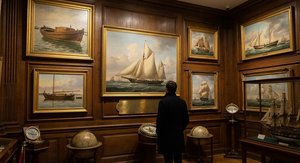
Navigating Symbolism & Style: A Comprehensive Exploration of Boats in Art History
Explore the rich history of boats in art! From ancient symbolism to Impressionist masterpieces & modern visions, discover renowned artists & collecting tips at TopImpressionists.
