
迅速な制作と多彩な仕上げオプションを備えた、ミュージアムクオリティのジークレーまたはキャンバスプリント。 ( 手描きの絵画を購入 画像を購入)





























作品のオリジナル比率に合わせた、当店の規定サイズからお選びください。

特定のフレームやスペースに合わせて、ご自身でサイズを指定することも可能です。選択されたサイズが元の画像の比率と一致しない場合、作品をトリミングするか、鏡面反射または単色での塗りつぶしによって画像を拡張いたします。制作を開始する前に、ご確認用のデジタルモックアップをお送りいたします。
画面上のプレビューには、実際のトリミングや拡張は反映されませんのでご注意ください。最終的な構図を正確に確認できるのは、モックアップのみとなります。
カスタムサイズも承っておりますが、元の比率を維持するためには、あらかじめ用意されたリストからサイズを選択することをお勧めいたします。

Heather And Gorse
複製画のサイズ
Albrecht Dürer's Heather And Gorse is more than simply a depiction of botanical subjects; it’s a profound meditation on nature, meticulously rendered with the artist’s characteristic obsession for detail and his deep understanding of both artistic technique and symbolic meaning. Painted during a pivotal period in his career – roughly between 1505 and 1508 – this work exemplifies Dürer's shift towards greater naturalism while retaining the intellectual rigor that defined his approach to art. The painting’s dark, almost brooding background immediately draws the eye to the vibrant foreground, where a cluster of white flowers, likely heather or gorse (the precise identification remains a subject of scholarly debate), dominates the composition. These blooms, with their delicate pink centers and intricately layered petals, are not merely observed; they are dissected and rendered with an astonishing level of accuracy, reflecting Dürer’s relentless pursuit of scientific observation within his artistic practice.
Dürer's interest in naturalism was deeply rooted in the intellectual currents of the High Renaissance. Artists like Leonardo da Vinci were exploring the principles of perspective, anatomy, and botany with a scientific rigor that profoundly influenced Dürer’s work. However, unlike some of his contemporaries who focused solely on replicating nature, Dürer infused his paintings with symbolic meaning. The heather and gorse themselves held significance within European folklore and religious iconography – representing purity, resilience, and the beauty of the earthly realm. This wasn't simply a botanical study; it was an engagement with the spiritual implications of the natural world.
The dark background further amplifies this symbolic weight, suggesting a contemplative space where the viewer is invited to reflect on the relationship between humanity and nature. It’s a deliberate choice that elevates the painting beyond a simple still life, transforming it into a powerful statement about the beauty and complexity of God's creation.
Understanding *Heather And Gorse* requires acknowledging Dürer’s formative years in Nuremberg. The city was a vibrant center of commerce, craftsmanship, and artistic innovation during the early 16th century. Dürer's apprenticeship under Michael Wolgemut exposed him to the latest trends in painting, woodcut illustration, and manuscript illumination – skills that he would later synthesize into his own unique style. Nuremberg’s patronage system also played a crucial role, providing Dürer with the financial resources and opportunities necessary to pursue his artistic ambitions. The city's emphasis on precision and quality—inherited from its goldsmithing tradition—directly informed Dürer’s meticulous approach to artmaking.
Despite being created over five centuries ago, *Heather And Gorse* continues to resonate with viewers today. The painting's beauty lies not only in its technical brilliance but also in its ability to evoke a sense of tranquility and wonder. Dürer’s masterful rendering of light and shadow creates a palpable sense of depth and texture, inviting the viewer to step into the scene and contemplate the delicate beauty of nature. This timeless appeal makes it an ideal subject for reproduction, allowing art lovers to bring this exquisite work into their homes and offices.

1471 - 1528 , ドイツ

Explore the exquisite world of botanical realism. From scientific precision to Impressionist light, discover how master artists capture nature's true essence through timeless, hand-painted oil reproductions and historical insights for the discerning art lover.
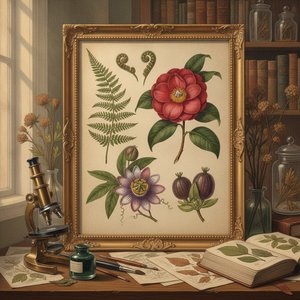
Discover the exquisite world of Victorian botanical painting, where scientific precision meets profound aesthetic grace. Explore a journey through nature's intricate details, from legendary illustrators to the untamed beauty of Marianne North’s vibrant floral masterpieces.


最新の美術ニュース、限定オファー、そしてインテリアのアイデアをいち早くお届けします。
お客様のプロジェクトについてお聞かせください。当社の美術専門家が、お客様に合わせた3つのパーソナライズされた芸術提案をご提供いたします。
あなたにぴったりの3作品を無料で厳選いたします


 プレビュー
プレビュー
 シェアする
シェアする シェアする
シェアする
 詳細を見る
詳細を見る

 ダウンロード
 似ている作品
 X線調査
X線調査 スライドショー
 詳細を見る
詳細を見る









 ガラスオプションは、110cm未満のサイズでのみご利用いただけます。


