


 設置イメージを確認
 送る
送る シェア
シェア
 詳細情報
詳細情報 ガイドを表示

 画像をダウンロード
 似ている作品
 X線調査
X線調査 スライドショー
 統計情報
統計情報A Forest Pool
 Barbizon School
 27.0 x 37.0 cm
 National Trust
Discover 'A Forest Pool' by algernon cecil newton – a serene oil painting reminiscent of Barbizon/Impressionism. Explore its balanced composition, textured brushstrokes & evocative landscape.
Algernon Cecil Newton (1880-1968) was a British landscape artist celebrated as the 'Canaletto of the canals'. Known for his evocative paintings of London scenes, industrial landscapes & quiet beauty in everyday life. RA, Tate collection.
 続きを読む
続きを読む
このページに掲載されている作品は著作権法によって保護されており、当社の許可なく同一の複製物を制作または販売することは法律で禁じられています。この保護は、以下のような国際条約に基づき執行されます。 ベルヌ条約 および、以下の条項に定められたものを含む各国の法律により、 米国著作権法 第17編。
この手法は、著作権で保護された作品の複製や複写を伴わないため、著作権法に完全に準拠しています。これは単なる模倣ではなく、創造的な再解釈です。元の作品からインスピレーションを受けつつも、それとは異なる、全く新しい絵画を生み出すものです。
ジークレー/アートプリント
スピーディーな制作と多彩な仕上げオプションが魅力の、ミュージアムクオリティなジークレー・キャンバスプリント。 ( 手描きの複製画を注文する デジタル画像販売へ切り替え)




































標準サイズ
カスタムサイズ
CM
INCH
作品のオリジナル比率に合わせた、当店の規定サイズからお選びください。
Loading sizes...

横幅
高さ
額縁や壁のスペースに合わせて、ご希望の幅と高さを入力してください。プリントはカットすることは可能ですが、元の画像より大きくすることはできないため、異なる比率のサイズを選択された場合は、画像の一部が欠けることになります。印刷を開始する前に、内容を確認していただくためのデジタルモックアップをお送りいたします。このページに表示されている画像は、実際のカット後の状態を示すものではありません。実際の仕上がりはモックアップにてご確認ください。


 ガラスオプションは、110cm未満のサイズでのみご利用いただけます。

A Forest Pool
ジークレー/アートプリント
複製画サイズ一覧
-


合計金額
¥ 10856
関連作品


アーティストについて
The Canaletto of the Canals: The Soulful Landscapes of Algernon Cecil Newton
Algernon Cecil Newton (1880-1968) occupies a singular, luminous space in the pantheon of British landscape painting. Often whispered about in art circles as “The Canaletto of the Canals,” Newton possessed a rare, almost clairvoyant ability to find profound grace within the industrial and urban arteries of England. Where others saw only the grit of soot-stained brickwork or the murky depths of stagnant waterways, Newton perceived a quiet, rhythmic beauty. His work does not merely document a scene; it captures a mood, distilling the essence of London’s canals and industrial peripheries into compositions that breathe with a contemplative, almost spiritual serenity.
The roots of his meticulous approach to light and texture were deeply embedded in his very lineage. Born in Hampstead, Newton was the descendant of Henry Newton, one of the legendary founders of Winsor & Newton. This connection to the very materials of the painter’s craft instilled in him a lifelong reverence for the nuances of pigment and the delicate interplay of atmosphere. His early education at Clare College, Cambridge, placed him at the heart of a burgeoning intellectual and artistic movement, where he studied alongside figures such as Roger Fry and Vanessa Bell. These encounters with the pioneers of modernism provided him with a sophisticated understanding of form, even as his own heart remained tethered to a more evocative, tonal realism.
A Journey Through Light and Shadow
Newton’s artistic trajectory was profoundly shaped by the turbulence of the early 20th century. His service during the First World War, initially as a Sub-Lieutenant in the Royal Naval Volunteer Reserve and later with the Army, brought him face-to-face with the harsh realities of conflict. The physical toll of the war, which saw him invalided out in 1916 due to pneumonia, led him toward a period of profound introspection and healing. It was during this convalescence that he found sanctuary in the artistic colony of Lamorna, Cornwall. Surrounded by luminaries like William Nicholson and George Dyer, Newton embraced the practice of plein air painting, a method that would become central to his ability to capture the fleeting qualities of light.
In the rugged landscapes of Cornwall, his technique began to evolve into something truly distinctive. Moving away from rigid representation, he adopted a more fluid, impressionistic brushstroke, utilizing a muted palette that prioritized the atmospheric weight of the air itself. This period was crucial in developing his ability to render the "character" of a place—the way mist clings to a riverbank or how the twilight softens the hard edges of a dockside warehouse. His work became less about the literal depiction of objects and more about the emotional resonance of the environment.
Legacy and Artistic Significance
As his career matured, Newton turned his gaze back toward the urban landscapes that would become his most enduring legacy. He mastered the art of finding the poetic within the mundane, transforming the industrial canals of London into stages for light and shadow. His paintings serve as a bridge between the traditional landscape traditions of the 19th century and a more modern, psychological approach to subject matter. Through his eyes, the industrial world was not something to be shunned, but a landscape worthy of the same reverence once reserved for rolling hills and classical ruins.
The significance of Newton’s contribution to British art is cemented by his recognition by the Royal Academy and the inclusion of his works in the prestigious Tate collection. His ability to evoke nostalgia and peace through a mastery of tone ensures that his paintings remain timeless. To view a Newton landscape is to enter a world of quietude, where the bustle of the modern age fades into a soft, painterly dream, leaving the viewer alone with the gentle pulse of the water and the enduring beauty of the English landscape.

Algernon Cecil Newton
1880 - 1968
アーティスト情報
- Artistic Movement Or Style: Tonal realism
- Artists Who Influenced This Artist:
- Roger Fry
- Vanessa Bell
- Full Name: Algernon Cecil Newton
- Nationality: British
- Notable Artworks:
- A Forest Pool
- Evening by the Lake
- West Wycombe Park
- Dawn
- Place Of Birth: Hampstead, England
- Date Of Birth: 1880
- Date Of Death: 1968
関連記事

Beyond the Light: Capturing Raw Emotion and Subjective Vision in Post-Impressionist Landscapes
Explore the profound emotional depth of Post-Impressionist landscapes. Discover how masters like Van Gogh moved beyond light to capture raw human feeling through vibrant color and expressive texture in this expert art history retrospective.

The Beauty of Impermanence: Capturing Decay through Impressionist Eyes
Explore the profound beauty of impermanence through Impressionist and Post-Impressionist eyes. Discover how masters like Monet and Van Gogh captured fleeting light and the poetic essence of nature's transitions in our deep dive into art history and emotional landscapes.

The Barbizon School: The Soulful Origins of Impressionism's Natural Light and Atmospheric Mastery
Discover the profound influence of the Barbizon School on Impressionism. Explore how these masters captured natural light and atmospheric beauty through plein air painting, paving the way for Monet and Renoir. A journey into the soulful origins of landscape art history.
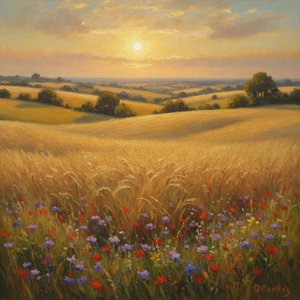
Golden Fields & Sun-Drenched Meadows: Capturing the Soul of Impressionist Landscapes
Immerse yourself in the luminous world of Impressionist landscapes. Discover how masters like Monet and Gauguin captured ephemeral light through plein air painting, and learn to bring the soul of sun-drenched meadows into your home with exquisite, hand-painted oil reproductions.

Capturing the Soul: The Most Emotionally Moving Impressionist and Post-Impressionist Masterpieces
Discover the profound emotional depth of Impressionist and Post-Impressionist masterpieces. Explore how legends like Monet, Van Gogh, and Gauguin captured light and soul through evocative landscapes and vibrant brushwork for a timeless connection to art history.