


 設置イメージを確認
 送る
送る シェア
シェア
 詳細情報
詳細情報 ガイドを表示

 画像をダウンロード
 似ている作品
 X線調査
X線調査 スライドショー
 統計情報
統計情報Landscape
 Oil On Canvas
- WallArt
- Portuguese Expressionism
 1896
1896- 19th Century
 64.0 x 47.0 cm
 Centro de Arte Moderna Gulbenkian
 続きを読む
続きを読む
ジークレー/アートプリント
スピーディーな制作と多彩な仕上げオプションが魅力の、ミュージアムクオリティなジークレー・キャンバスプリント。 ( 手描きの複製画を注文する デジタル画像販売へ切り替え)




P118B ¥10

P118H ¥10

P118W ¥10

P438Z ¥10

P508JH ¥12

P508YH ¥12

P805H ¥10

P805Z ¥10

P919BZ ¥10

P919G ¥10

P919XJ ¥10

P959ZH ¥10

P968JZ ¥12

W106C ¥8

W218G ¥10

W218JH ¥8

W218Y ¥10

W307PJ ¥10

W316G ¥10

W316PJ ¥8

W316Y ¥10

W398PJ ¥8

W4111J ¥10

W500HY ¥15

W500JH ¥15

W692G ¥12

W849H ¥8

W940BG ¥15

W953PJ ¥8




標準サイズ
カスタムサイズ
CM
INCH
作品のオリジナル比率に合わせた、当店の規定サイズからお選びください。
Loading sizes...

横幅
高さ
額縁や壁のスペースに合わせて、ご希望の幅と高さを入力してください。プリントはカットすることは可能ですが、元の画像より大きくすることはできないため、異なる比率のサイズを選択された場合は、画像の一部が欠けることになります。印刷を開始する前に、内容を確認していただくためのデジタルモックアップをお送りいたします。このページに表示されている画像は、実際のカット後の状態を示すものではありません。実際の仕上がりはモックアップにてご確認ください。


 ガラスオプションは、110cm未満のサイズでのみご利用いただけます。

Landscape
ジークレー/アートプリント
複製画サイズ一覧
-


合計金額
¥ 10911
A Life Forged in Shadow and Light: The World of António Teixeira Carneiro Júnior
António Teixeira Carneiro Júnior stands as a cornerstone of Portuguese Expressionism, an artist whose life narrative mirrors the turbulent beauty found within his canvases—a testament to resilience born from profound adversity. Born in Amarante, Portugal, in 1872, his early years were irrevocably shaped by familial tragedy; the absence of his father and the untimely passing of his mother thrust him into the care of the Santa Casa da Misericórdia orphanage in Porto. This formative experience, though undeniably heartbreaking, inadvertently ignited a creative flame—a recognition of an innate talent for drawing that blossomed amidst hardship. The institution’s nurturing environment fostered not merely sustenance but also the initial spark of artistic curiosity, guiding his hand towards replicating religious illustrations and establishing a foundational understanding of visual representation.- Early Influences: Carneiro's formative years instilled in him an appreciation for meticulous observation and a dedication to capturing detail—skills that would become hallmarks of his distinctive style.
- The Escola Superior de Belas-Artes: Recognizing his burgeoning aptitude, the Escola Superior de Belas-Artes del Porto welcomed him as a student, providing invaluable training in Impressionistic techniques and broadening his artistic horizons.
Landscape – Leça da Palmeira: An Ode to Coastal Portugal
“Landscape – Leça da Palmeira,” painted in 1905, exemplifies Carneiro’s masterful embrace of Impressionism. The artwork depicts the picturesque Leça da Palmeira beachhead, bathed in the warm hues of a late afternoon sun. Thick brushstrokes convey an atmospheric haze, blurring the contours of buildings and creating a sense of serene contemplation. Vibrant sails dominate the seascape, symbolizing maritime trade and Portugal's rich seafaring heritage—a deliberate nod to Carneiro’s upbringing amidst Porto’s bustling harbor. The artist skillfully captures the interplay of light and shadow, imbuing the scene with an emotional resonance that speaks to the tranquility and beauty of the Portuguese coastline.Technique and Style: Impressionistic Brushstrokes and Color Harmony
Carneiro's technique is characterized by loose, expressive brushwork—a hallmark of Impressionism—which prioritizes capturing fleeting moments of light and color rather than striving for photographic accuracy. He employed a palette dominated by warm yellows, oranges, and reds, harmoniously blended to evoke feelings of warmth and optimism. The artist’s meticulous attention to detail is evident in the rendering of architectural elements and the depiction of sailboats, demonstrating his commitment to both observation and artistic skill.Symbolism Beyond Representation: Reflections on Loss and Resilience
Beyond its aesthetic beauty, “Landscape – Leça da Palmeira” carries a deeper symbolic significance—a poignant reflection on Carneiro’s own life experience. The tranquil beachhead serves as an emblem of solace and renewal, mirroring the artist's journey from adversity to artistic triumph. Just as the sun casts its golden glow upon the landscape, Carneiro’s art illuminates the complexities of human emotion with sensitivity and grace—a testament to his ability to transform personal hardship into enduring artistic expression.Legacy and Influence: A Pioneer of Portuguese Expressionism
António Teixeira Carneiro Júnior's contribution to Portuguese art history is undeniable. He remains a pivotal figure in the development of Expressionism, demonstrating that profound emotional depth can coexist with masterful artistic execution. His work continues to inspire artists today, reminding us that beauty emerges from confronting darkness and embracing vulnerability—a legacy etched forever within the vibrant canvases of his enduring vision.よくあるご質問
「Landscape」は、アントニオ・テイシェイラ・カネイロ・ジュニアの他の作品群とどのような共通点を持っていますか?
「Landscape」はアントニオ・テイシェイラ・カネイロ・ジュニアによるPortuguese Expressionismの作品であり、その記録されたテーマにはreligious imagery, impressionistic style, portuguese identity, orphanhood experience, expressionist legacyが含まれます。
「Landscape」のフォーマット(形状)は何ですか?
アントニオ・テイシェイラ・カネイロ・ジュニア作「Landscape」はPortraitの構図です。プリントサイズを選択する前に、縦横比をご確認いただくことをお勧めします。
「Landscape」にはどのような感情が込められていますか?
「Landscape」は、Reflectiveな感情を呼び起こします。この情緒的なトーンは、作品が与える印象を表しています。
関連作品


アーティストについて
影と光に鍛えられた生涯:アントニオ・テイシェイラ・カルネイロ・ジュニアの世界
ポルトガル表現主義における重要な人物であったアントニオ・テイシェイラ・カルネイロ・ジュニアは、その人生物語が彼が心理的な深みを与えたキャンバスと同じくらい魅力的で感情に響く芸術家でした。1872年にポルトガルのアマランテで生まれた彼の幼少期は、深い喪失と見捨てられる経験によって彩られていました。父親の不在と母親の早すぎる死は、彼をポルトのサンタ・カーザ・ダ・ミゼリコルディア孤児院の壁の中に留めました。この形成期の経験は、間違いなく困難なものでしたが、予期せぬほど決定的なものとなりました。そこでカルネイロは最初の芸術的訓練を受け、宗教的な挿絵を模写することを通して、芽生え始めた描画の才能を育みました。その施設が提供したのは単なる避難所ではなく、むしろ火花でした。それは彼の人生の道を決定づけることになる能力に対する初期の認識だったのです。この基盤こそが、最終的に彼を1884年にポルト高等美術学校へと導き、そこでジョアン・マルケス・デ・オリベイラのもと学び始め、やがて彼独自の輝かしい芸術教育の幕開けとなりました。パリの影響と表現主義的ビジョン誕生
カルネイロの芸術の軌跡は、パリへの滞在によって大きく転換します。1897年にジュリアン・アカデミーに入学し、彼はフランスの首都の芸術的な潮流に身を浸し、ジャン=ポール・ローレンやジャン=ジョゼフ・ベンジャミン=コンスタントといった巨匠たちのもとで学びました。この期間は変革的であり、彼のスタイルに深く影響を与える新しい技法や美学哲学に彼をさらしました。しかし、カルネイロは単にこれらの影響を受け入れたわけではありません。彼はそれらを独特のポルトガル的な感性と統合し、モダンでありながら自身の文化遺産に深く根ざした芸術的な声を築き上げたのです。この時期に、彼は当時の主流であった自然主義から離れ始め、象徴主義的な思想へと傾倒し、精神性、憂鬱、内省といったテーマを探求するようになりました。これは、1900年頃に完成した画期的な三連祭壇画「ア・ヴィダ」(人生)という作品に結実し、パリ万国博覧会で銀メダルを受賞するという、彼の独自の芸術的ビジョンが広く認められる始まりを告げる重要な瞬間となりました。この作品自体が、単なる外見ではなく、存在の内なる感情的な風景を捉えた、彼が芽生えさせていた表現主義的な様式の証なのです。心理描写と風景画の巨匠
カルネイロの作品群は、特に肖像画において顕著な、心理的な深さへの強烈な焦点によって特徴づけられています。彼は単なる物理的な類似性に興味を持っていたわけではありません。むしろ、被写体の本質――彼らの内面の動揺、希望、恐れを捉えようとしたのです。彼の描く人物像はしばしば幽玄な質感を持ち、その瞳は見る者を不安なほどの強さで覗き込み、感情の世界へと引きずり込みます。この深遠な心理状態を伝える能力は肖像画にとどまらず、風景画にも浸透していました。彼は単に光景を描写したのではなく、そこにムードと雰囲気を吹き込み、自然の風景を人間のあり方の反映へと変貌させたのです。彼の風景画はしばしば荒涼として劇的であり、孤立感や実存的な問いかけを映し出しています。キャリアを通じて、カルネイロはまた挿絵にも携わり、ダンテの『地獄篇』のための示唆に富むなぞ描画を残し、線と影の巧みな技術を見せつけました。彼は多作な芸術家であり、常に異なる技法やスタイルを実験し続けながらも、常に自身の核となる芸術的原則に忠実であったのです。遺産と影響:教授として、そして文化的な力として
画家や挿絵作家としての功績を超えて、アントニオ・カルネイロは教育者、そして文化人として永続的な遺産を残しました。1918年、彼はポルト高等美術学校のデッサン科の教授に任命され、そこで何世代にもわたる志ある芸術家たちに深い影響を与えました。彼は単なる技術指導者ではありませんでした。彼は学生たちに対し、自分自身の芸術的な声を探求し、慣習に挑戦し、実験を受け入れるよう奨励したのです。彼の教えは革新の精神を育み、20世紀のポルトガル美術の流れを形作る一助となりました。さらに、カルネイロはポルトガルの文学界や文化界にも深く関わり、『アトランティダ』や『レナセンサ・ポルトゲーザ』といった影響力のある雑誌に寄稿しました。彼は知的な議論に積極的に参加し、当時の芸術的言説を形成する上で重要な役割を果たしたのです。芸術家、教育者、そして文化評論家としての彼の多面的な貢献は、彼をポルトガルで最も重要な近代の巨匠の一人として確固たる地位を築き上げました。彼は今なお、その作品が観客に響き続け、人間の魂の複雑さへの力強い洞察を提供し続けている人物なのです。カルネイロの再発見:美術館と継続する評価
今日、アントニオ・テイシェイラ・カルネイロ・ジュニアの作品は、リスボンのグルベンキアン近代美術館やアゲダのディオニジオ・ピニェイロ&アリス・カルドーゾ・ピニェイロ財団美術館など、ポルトガルの主要なコレクションで見ることができます。これらの施設は、観客が彼の芸術に直接触れ、その技法の機微と感情表現の深みを鑑賞する機会を提供しています。特にディオニジオ・ピニェイロ&アリス・カルドーゾ・ピニェイロ財団美術館は、カルネイロの作品の重要なコレクションを所蔵しており、彼の芸術的発展に関する貴重な洞察を与えてくれます。彼の絵画は国際的に展示され続けており、その遺産が未来の世代にわたって永続することを保証しています。学者や美術愛好家たちが彼の作品群の豊かさと複雑さを再発見するにつれて、アントニオ・テイシェイラ・カルネイロ・ジュニアは当然ながらポルトガル表現主義における最も重要な人物の一人としての地位を占めているのです――その生涯と作品が、人間のあり方を照らす芸術の力に対する証となっている芸術家なのです。
アントニオ・テイシェイラ・カネイロ・ジュニア
1872 - 1930 , ポルトガル
アーティスト情報
- Artistic Movement Or Style: 表現主義
- Artists Who Influenced This Artist:
- ジョアン・マルケス・デ・オリベイラ
- ジャン=ポール・ローランス
- ベンジャミン=コンスタント
- Date Of Birth: 1872年
- Date Of Death: 1930年
- Full Name: アントニオ・テイシェイラ・カルネイロ・ジュニア
- Nationality: ポルトガル人
- Notable Artworks:
- 風景画 – レサ・ダ・パルメイラ
- ディオニシオ・ピニェイロの肖像研究
- 無題
- ディオニュソスとヘスティア
- Place Of Birth: アマランテ、ポルトガル
関連記事

The Soul of Impressionism: Why Oil on Canvas Captures Eternal Light and Timeless Emotion
Discover the enchanting alchemy of Impressionism. Explore how the mastery of oil on canvas, through glazing and impasto, captures eternal light and emotion. Perfect for lovers of Monet and Van Gogh seeking the profound depth of hand-painted fine art.
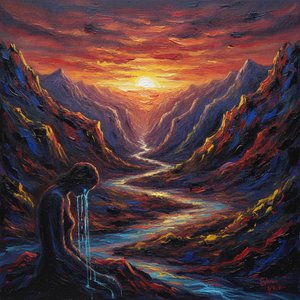
Capturing Emotion: A Journey Through the Soul of Expressionist Landscapes
Explore the profound emotional depth of Expressionist landscapes. Discover how Post-Impressionist masters moved beyond light to capture the soul through vibrant color and form. A curated journey for true art lovers seeking the beauty of expressive mastery.
テーマ、スタイル、特徴別に分類された作品を探索しましょう。

