

 シェアする
シェアする シェアする
シェアする
 詳細を見る
詳細を見る ガイドを表示

 ダウンロード
 似ている作品
 スライドショーを表示
 Q&A
Q&A 統計情報
統計情報Erwartung, op. 17

- 36.0 x 28.0 cm


Experience Arnold Schoenberg's groundbreaking 1909 monodrama Erwartung, op. 17, a pivotal work of expressionism captured in this rare music score. Discover the intensity and innovation of this iconic piece and bring its timeless beauty into your space.
 詳細を表示
詳細を表示
アルノルト・シェーンベルクの革命的な音楽を探索しましょう。無調主義、十二音技法、そして20世紀の作曲家たちに与えた影響。シェーンベルク・センターで彼の遺産を見つけ出してください。
ジークレー/アートプリント
スピーディーな制作と多彩な仕上げオプションが魅力の、ミュージアムクオリティなジークレー・キャンバスプリント。 ( 手描き複製画を注文する デジタル画像販売へ切り替え)




































標準サイズ
オーダーメイド
CM
INCH
作品のオリジナル比率に合わせた、当店の規定サイズからお選びください。
Loading sizes...

横幅
高さ
額縁や壁のスペースに合わせて、ご希望の幅と高さを入力してください。プリントはカットすることは可能ですが、元の画像より大きくすることはできないため、異なる比率のサイズを選択された場合は、画像の一部が欠けることになります。印刷を開始する前に、内容を確認していただくためのデジタルモックアップをお送りいたします。このページに表示されている画像は、実際のカット後の状態を示すものではありません。実際の仕上がりはモックアップにてご確認ください。


 ガラスオプションは、110cm未満のサイズでのみご利用いただけます。

Erwartung, op. 17
ジークレー/アートプリント
複製画サイズ一覧
-


合計金額
¥ 11057
A Fragment of Anxiety: Schoenberg's "Erwartung" – A Window into Musical Angst
This meticulously crafted hand-painted reproduction offers an unparalleled glimpse into the genesis of Arnold Schoenberg’s groundbreaking monodrama, “Erwartung” (Expectation), composed in 1909. More than just a musical score, it is a tangible embodiment of intense creative struggle and a profound exploration of human emotion – a testament to Schoenberg's revolutionary approach to composition. The image captures the very document upon which this pivotal work was born, revealing the raw, almost frantic energy that fueled its creation.
- The Score as Canvas: The reproduction faithfully replicates the original score, a chaotic yet meticulously organized collection of notes, symbols, and handwritten annotations. Schoenberg’s characteristic use of short scores – a technique designed to capture fleeting moments of heightened emotion – is strikingly evident.
- A Moment Frozen in Time: The inclusion of two clocks within the image adds another layer of significance. These aren't merely decorative elements; they represent the relentless passage of time, a key thematic concern within “Erwartung,” where suspense and anticipation build to unbearable tension.
- Technical Detail: Notice the varying levels of detail – fully notated pitches and rhythms alongside fragmented dynamics and phrasing, reflecting Schoenberg’s initial approach. This reveals the composer's iterative process, constantly refining his vision as he wrestled with translating psychological states into musical form.
The Birth of Atonality: Contextualizing "Erwartung"
"Erwartung," created in Steinakirchen (Lower Austria), marked a radical departure from traditional tonal music. Schoenberg, alongside Alban Berg and Anton Webern, spearheaded the development of atonality – a system where no single note held inherent harmonic significance. This wasn't simply about discarding established rules; it was an attempt to represent the subjective experience of emotion with unprecedented directness. The monodrama’s narrative, centered around a woman’s increasingly paranoid and unsettling wait for a lover, perfectly mirrored this new musical landscape.
Schoenberg himself articulated his intent brilliantly: “I have written something for the theatre: a monodrama. By that I mean a piece in which only one person appears…” This focus on singular experience, amplified by the dramatic tension of the score, is central to understanding "Erwartung’s" enduring power.
Symbolism and Emotional Resonance
The black-and-white aesthetic of the original photograph lends itself powerfully to the drama unfolding within the score. The stark contrast emphasizes the fragmented nature of the musical ideas and the unsettling atmosphere of anticipation. The handwritten annotations, often corrections or fleeting thoughts, contribute to a sense of vulnerability and intellectual struggle – mirroring the protagonist’s descent into paranoia.
The image isn't just a representation of music; it is an invitation to experience the raw emotional core of Schoenberg’s masterpiece. It speaks to themes of anxiety, isolation, and the fragility of human perception—themes that continue to resonate with audiences today.
Specifications
Title: Erwartung, op. 17 Description: As detailed in the artwork information. Size: 36 x 28 cm Date: 1909 Artist: Arnold Schoenberg Birth Year: 1874 Death Year: 1951Q&A
アーノルド・シェーンベルク作「Erwartung, op. 17」 の複製画は、どこに飾るのが最適でしょうか?
アーノルド・シェーンベルク作「Erwartung, op. 17」の作品に関する設置情報は、フォーマット(Landscape)と推奨される設置場所(Office)の2点です。
アーノルド・シェーンベルク作「Erwartung, op. 17」の色調は、鮮やかですか、それとも落ち着いていますか?
アーノルド・シェーンベルク作「Erwartung, op. 17」の彩度はBalanced Softです。
「Erwartung, op. 17」の作者と制作年はいつですか?
「Erwartung, op. 17」の作者はアーノルド・シェーンベルクで、制作年は1909年です。
作家プロフィール
幼少期と音楽への第一歩
アルノルト・シェーンベルクは、オーストリア系アメリカ人の作曲家であり、1874年9月13日、オーストリアのウィーンに生を受けました。彼の幼少期は、靴屋を営む父のもと、決して裕福とは言えない質素な環境の中にありました。しかし、その内なる音楽への情熱は、彼を独学という険しい道へと駆り立て、自らの手で音楽の深淵へと踏み込ませたのです。音楽的進化と代表作
シェーンベルクの初期作品、例えば 『変容した夜』(1899年) は、ブラームスとワーグナーの様式を融合させた見事なシンセシスを示していました。やがて彼は、アントン・ヴェベルン や アルバン・ベルク と共に、新ウィーン楽派の中核を担う存在へと成長を遂げます。その後の 弦楽四重奏曲第2番 (1907–1908年)、『期待』(1909年)、そして 『ピエロ・ルナール』(1912年) といった作品群は、無調音楽への革新的なアプローチを象徴するものとなりました。教授活動と亡命、そして晩年
1933年、ナチスの台頭により、シェーンベルクの音楽は「退廃芸術」の烙印を押され、彼はプロイセン芸術アカデミーを辞任することを余儀なくされました。その後、彼はアメリカへと渡り、カリフォルニア大学ロサンゼルス校(UCLA)などで教鞭を執りました。現在、同大学の施設には彼の名を冠したものが存在しています。 [https://TopImpressionists.com/@/arnold-sochenberg](TopImpressionistsでシェーンベルクの生涯と作品についてさらに詳しく知る)。- シェーンベルクは映画音楽の探求や、より調性的な音楽の作曲にも取り組み、1939年には 室内交響曲第2番 を完成させました。
- また、バイロンに倣い、『ナポレオンへの頌歌』(1942年) においてファシズムの暴君を風刺しました。
- 戦後のウィーンからは名誉市民権を贈られましたが、晩年は病に伏しており、その様子は 弦楽三重奏曲 (1946年) にも刻まれています。
遺産と影響力
ホロコーストの悲劇が世界に知れ渡る中、シェーンベルクは 『ワルシャワの生存者』(1947年) を通じて、犠牲者たちを追悼しました。1951年には、イスラエル・コンサバトリーおよび音楽院から名誉会長に選出されました。 [https://TopImpressionists.com/@@/a@d3bqc7-the-museum-destroyed-by-fire-(united-states)](彼の作品が与えた影響についてTopImpressionistsで詳しく学ぶ)。 重要なポイント:- シェーンベルクの革新的な音楽は、20世紀のクラシック音楽において最も影響力があり、かつ論争を巻き起こしたものの一つでした。
- 少なくとも三世代にわたる作曲家たちが、彼の形式的な原理を継承・発展させました。
- 彼の美学と音楽史的見解は、音楽学者のテオドール・W・アドルノやカール・ダールハウスにも多大な影響を与えました。

アーノルド・シェーンベルク
1874 - 1951 , オーストリア
プロフィール概要
- Artistic Movement Or Style: 十二音技法、表現主義
- Artists Or Movements Influenced By This Artist:
- アントン・ウェーベルン
- アルバン・ベルク
- Artists Who Influenced This Artist:
- ヨハネス・ブラームス
- リヒャルト・ワーグナー
- Date Of Birth: 1874年9月13日
- Date Of Death: 1951年
- Full Name: アーノルド・シェーンベルク
- Nationality: オーストリア系アメリカ人
- Notable Artworks:
- 組曲 作品29
- ミュージック・タイプライター
- スタッフライナー
- Place Of Birth: オーストリア、ウィーン
関連記事

Expressionist Painting: 10 Masterpieces That Defined a Movement | TopImpressionists
Explore 10 Expressionist paintings that revolutionized art! Discover Munch, Kirchner & Kandinsky's iconic works. Find museum-quality reproductions and vibrant canvas prints to elevate your home decor on TopImpressionists.com.

José Gutiérrez Solana: A Chronicle of Spanish Society Through Expressionist Vision
Explore the captivating world of José Gutiérrez Solana, a pivotal Spanish Expressionist painter. Discover his haunting depictions of early 20th-century Spain, influenced by Goya & El Greco. Learn about his key works and lasting legacy.

August Macke: Expressionist Visions of Harmony & Modern Life
Explore the vibrant Expressionist paintings of August Macke (1887-1914). Discover his key role in Der Blaue Reiter, Fauvist influences, and captivating depictions of modern life. A comprehensive guide for art enthusiasts & collectors.

The Visceral Self: Exploring Emotion & Identity in Expressionist Portraiture
Explore the powerful world of Expressionist portraiture with TopImpressionists. Discover how artists captured raw emotion & identity through bold color and distortion. Expert insights for collectors.
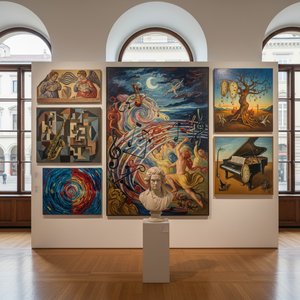
Harmonies on Canvas: Exploring the Visual Representation of Music in Art History
Explore the fascinating history of music's visual representation in art! From ancient symbolism to modern abstraction, discover how artists have captured sound and emotion on canvas. Expert insights & stunning examples.
テーマ、スタイル、特徴別に分類された作品を探索しましょう。


