


 設置イメージを確認
 送る
送る シェア
シェア
 詳細情報
詳細情報 ガイドを表示

 画像をダウンロード
 似ている作品
 X線調査
X線調査 スライドショー
 統計情報
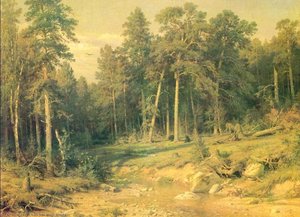
統計情報Claverack creek

Discover 'Claverack Creek' by Arthur Parton – a serene 19th-century oil landscape painting of warm tones & realistic detail. Explore its balanced composition & nostalgic beauty.
Explore the evocative works of Arthur Parton (1842-1914), a TopImpressionists artist known for his captivating depictions of Asian art & culture, showcased at the Sackler Gallery.
 続きを読む
続きを読む
ウェブ上のプレビューを遥かに凌駕する、印刷に最適なファイルをご提供します。当サイトで販売しているすべてのデジタル画像は、弊社のデータベース内にある高解像度のマスターデータ(通常、幅5,000〜15,000ピクセル)から作成されています。そのため、大判印刷やタイトなクロップ、細部まで緻密な再現も、安心してお楽しみいただけます。
当スタジオから送り出される画像は、すべて丁寧に加工されています。デジタルエキスパートが原画と照らし合わせて色調を精査し、必要に応じて補正を行った上で、プロ仕様のリタッチツールを用いて鮮明さと細部を向上させます。その際、アーティストの筆致やスタイルに忠実であることを常に追求しています。その結果、単なるスキャン画像にフィルターをかけたようなものではなく、まるで本物の絵画を見ているかのような仕上がりを実現しています。
仕上がりをご確認いただいてから完了となります。専門スタッフが、ご確認用の画像を72時間以内にメールでお送りいたします。もしご満足いただけない場合は、修正や改善のご要望を承るほか、品質が基準に満たない場合には返金も可能です。
出版社、デザインスタジオ、ギャラリー、そして印刷所から信頼される品質です。
デジタル画像
個人での鑑賞、印刷、クリエイティブなプロジェクトにご利用いただける高解像度ファイルをダウンロードできます。 ( プリント版に切り替え 手描きの複製画を注文する)
デジタル画像のご注文に付随する特典
プロフェッショナルなデジタル配信を、確かな品質で。
TopImpressionists.com を選ぶことは、単に画像を手に入れることではありません。プロの手によって精密に仕上げられ、満足保証が付いた高品質なデジタルアートワークを受け取ることを意味します。ご注文いただいた際に自動的に付随する内容は、以下の通りです:

メールですぐにお届け
ご注文から72時間以内に、高解像度のデジタル画像ファイルをメールでお送りいたします。お手元に届き次第、すぐにご利用いただけます。

AI技術で最適化されたデジタルファイル
お客様の作品は、高度なAI技術と専門家による手作業を組み合わせてプロフェッショナルに最適化されており、細部のディテール、鮮明さ、そして正確な色再現性を最大限に引き出しています。

一生涯無料の再送サービス
ファイルを誤って削除したり、紛失してしまったりしましたか?ご安心ください。いつでも無料で再送いたします。

輸入手数料は、いつでも一切かかりません
関税や手数料、配送料を気にすることなく、お気に入りのアートワークをすぐにお楽しみいただけます。デジタルダウンロードは常に免税です。

正確な色彩の保証
プロ仕様のツールとカラーマネジメント技術を用いることで、デジタル画像が元の色を最大限に忠実に再現することを保証いたします。

100日間満足保証
ご購入いただいたデジタル画像にご満足いただけない場合は、100日以内であれば、理由を問わず修正または100%の返金対応をさせていただきます。

100% 返金保証
ご満足いただけない場合は、デジタルファイルを受け取ってから100日以内であれば、理由を問わず全額返金いたします。

まとめ買い割引
3枚購入で10%OFF、5枚購入で15%OFF、10枚以上のご購入で20%OFF。クリエイティブなプロジェクトやギャラリー、エージェンシーに最適です。


アーティスト・プロフィール
The Serene Vision of Arthur Parton
In the golden age of American landscape painting, few artists captured the quietude of the natural world with as much soulful resonance as Arthur Parton. Born in 1842 in Hudson, New York, Parton emerged during a transformative era when the rugged grandeur of the American wilderness was being reimagined through the lens of both classical tradition and burgeoning modern sensibilities. His journey was one of profound exploration, moving from the dramatic, light-drenched vistas of the Hudson River School toward a more intimate, atmospheric style that whispered of distant lands and contemplative stillness. As a painter, Parton did not merely record scenery; he sought to translate the very breath of the landscape onto canvas, creating works that serve as windows into a more tranquil epoch.
Parton’s artistic foundation was built upon rigorous training and the mentorship of some of the nineteenth century's most formidable talents. His early education at the Pennsylvania Academy of the Fine Arts under the guidance of William Trost Richards instilled in him a deep respect for anatomical precision and the complexities of marine and landscape composition. This classical grounding was further enriched by his connection to the legendary Frederic Church, whose mastery of light and epic scale left an indelible mark on Parton’s approach to mountainous terrains and atmospheric perspective. However, as Parton traveled through Europe in 1869, his palette began to shift, absorbing the soft, moody nuances of the Barbizon School, which favored emotional depth and tonal harmony over mere topographical accuracy.
A Fusion of East and West
Perhaps the most enchanting chapter of Parton’s life was his deep immersion in the aesthetics of Asia. During the 1870s and 1880s, his extensive expeditions to China and Japan fundamentally altered his artistic DNA. Unlike many of his contemporaries who viewed the East through a purely exotic lens, Parton engaged with its artistic traditions on a profound level. He became captivated by the delicate intricacies of Chinese jade carving, the strength of bronze casting, and the spiritual weight of Buddhist iconography. These experiences infused his landscapes with a unique, Zen-like balance, where the composition often prioritized a sense of meditative equilibrium over dramatic movement.
This cross-cultural synthesis is evident in his masterful use of color and light. While his brushwork retained a controlled, deliberate quality, he embraced a Tonalist palette—utilizing muted blues, soft greens, and earthy browns to evoke the hazy, ephemeral quality of mist and moonlight. His works, such as the evocative Moonlit Landscape, demonstrate an ability to capture the "feeling" of a moment rather than its literal form. By blending the structural grandeur of American landscape traditions with the subtle, atmospheric philosophies of Eastern art, Parton created a visual language that was entirely his own—a bridge between the tangible world and the spiritual realm.
Legacy and Artistic Triumph
The trajectory of Parton’s career was marked by significant professional milestones that cemented his status within the American art establishment. His ascent was characterized by increasing recognition from prestigious institutions, including his appointment as an associate of the National Academy of Design in 1871 and his elevation to a full National Academician in 1884. One of his most celebrated triumphs came in 1889, when his work Winter on the Hudson was honored with the Temple Silver Medal, a testament to his ability to capture the biting beauty of the American winter through sophisticated tonal control.
Beyond individual accolades, Parton’s historical significance lies in his role as a pioneer of atmospheric landscape painting. His ability to command large-scale exhibitions—notably selling 119 paintings in a single event at the Fifth Avenue Art Galleries in 1893—demonstrates his profound connection with the public and his success in bringing a sense of peace to an increasingly industrializing society. Today, the works of Arthur Parton remain cherished for their ability to transport the viewer to a state of grace, reminding us of a time when art sought to harmonize the human spirit with the eternal rhythms of nature.

Arthur Parton
1842 - 1914 , United States of America
略歴
- Full Name: Arthur Parton
- Nationality: American
- Date Of Birth: 1842
- Date Of Death: 1914
- Place Of Birth: New York City, United States of America
- Notable Artworks:
- Claverack Creek
- Mount Merino
- Moonlit landscape
- Artistic Movement Or Style: Romanticism
- Artists Who Influenced This Artist: ['Hudson River School']
- Artists Or Movements Influenced By This Artist: ['Romantic Art']