































作品のオリジナル比率に合わせた、当店の規定サイズからお選びください。

特定のフレームやスペースに合わせて、ご自身でサイズを指定することも可能です。選択されたサイズが元の画像の比率と一致しない場合、作品をトリミングするか、鏡面反射または単色での塗りつぶしによって画像を拡張いたします。制作を開始する前に、ご確認用のデジタルモックアップをお送りいたします。
画面上のプレビューには、実際のトリミングや拡張は反映されませんのでご注意ください。最終的な構図を正確に確認できるのは、モックアップのみとなります。
カスタムサイズも承っておりますが、元の比率を維持するためには、あらかじめ用意されたリストからサイズを選択することをお勧めいたします。

Plowing at Gee
複製画のサイズ
Arthur Rothstein (1915-1985) was a prominent American photojournalist whose career spanned five decades. He is celebrated for his powerful and poignant documentation of rural life, particularly during the Great Depression and its aftermath. His work offers invaluable insights into a pivotal period in American history, capturing both hardship and resilience.
Born in Manhattan, New York City, and raised in the Bronx, Rothstein came from a family of Jewish immigrants. He developed an early interest in photography, which he pursued at Columbia University. While there, he founded the university camera club and served as the photography editor of the Columbian yearbook.
Rothstein’s career took a defining turn after graduating from Columbia during the Great Depression. He was invited to Washington D.C. by his former professor, Roy Stryker, who was establishing a photo unit within the Resettlement Administration (RA). Rothstein became the first photographer sent out by Stryker, embarking on a five-year journey documenting the lives of rural Americans.
Rothstein’s photographs captured the stark realities faced by farmers and sharecroppers during this era. He traveled extensively throughout the country, including assignments to document evictions in Virginia (for Shenandoah National Park) and conditions in the Dust Bowl and Montana cattle ranches. His work aimed to publicize the plight of the rural poor and garner support for New Deal programs.
One particularly significant assignment took Rothstein to Gee’s Bend, Alabama, a remote community of African American farmers. His photographs of the residents showcased their unique cultural heritage and resilience. These images offered a nuanced portrayal of life in Gee’s Bend, emphasizing dignity and self-sufficiency rather than solely focusing on hardship.
As the nation geared up for World War II, the Farm Security Administration (FSA) transitioned into the Office of War Information (OWI). Rothstein continued his work as a photographer, documenting wartime industries and homefront life. His role evolved to include more staged and propagandistic imagery reflecting the war effort.
After leaving the OWI, Rothstein pursued various photographic projects, including commercial assignments and educational work. He taught photography at several institutions and continued to document American life. While his later work didn’t achieve the same level of recognition as his FSA photographs, it demonstrated his versatility and commitment to visual storytelling.
Roy Stryker was a major influence on Rothstein's early career, shaping his approach to documentary photography and emphasizing its potential for social impact. The artistic style of the FSA photographers generally leaned towards social realism, aiming to depict subjects truthfully and without embellishment.
Arthur Rothstein's photographs are not merely historical documents; they are powerful works of art that continue to resonate with audiences today, reminding us of the challenges and triumphs of the human spirit.

1915 - 1985

Explore the captivating world of monochrome art! Discover its rich history, influential artists like Malevich & Klein, and profound emotional impact. Expert insights for collectors & design enthusiasts.
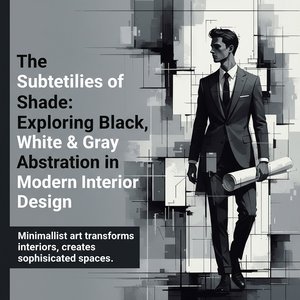
ホテルデザインに最適な黒、白、グレーの抽象画選びをサポート。色彩心理学に基づいた空間演出から、TopImpressionists.comのカスタムアートまで、専門家が洗練されたインテリアを実現します。

TopImpressionistsで、思い出の写真を感動的な絵画に。熟練のアーティストが手作業で古典絵画のような美を再現します。高品質な油絵レプリカやカスタム肖像画で、あなたの空間を芸術的に彩りませんか?無料アート相談も実施中。

Explore the groundbreaking work of Berenice Abbott, a pioneer of documentary photography. Discover her iconic images of New York City, portraits, and scientific studies. Learn about her unique style & lasting legacy at TopImpressionists.

Explore the powerful history of documentary photography – from its origins to contemporary masters like Gordon Parks & W. Eugene Smith. Discover how this art form shapes our understanding of society and witness pivotal moments in time.


最新の美術ニュース、限定オファー、そしてインテリアのアイデアをいち早くお届けします。
お客様のプロジェクトについてお聞かせください。当社の美術専門家が、お客様に合わせた3つのパーソナライズされた芸術提案をご提供いたします。
あなたにぴったりの3作品を無料で厳選いたします
 手描き複製画を注文する
 シェアする
シェアする シェアする
シェアする
 詳細を見る
詳細を見る

 ダウンロード
 似ている作品
 X線調査
X線調査 スライドショー


 詳細を見る
詳細を見る









 ガラスオプションは、110cm未満のサイズでのみご利用いただけます。


