


 設置イメージを確認
 送る
送る シェア
シェア
 詳細情報
詳細情報 ガイドを表示

 画像をダウンロード
 似ている作品
 X線調査
X線調査 スライドショー
 統計情報
統計情報Title in Swedish: Midvinterblot
 Acrylic On Canvas
- WallArt
- Art Nouveau
 1915
1915- 19th Century
 13600.0 x 6400.0 cm
 国立美術館
国立美術館
Experience Carl Larsson's iconic 'Midvinterblot,' a monumental Swedish mural depicting an ancient pagan sacrifice. Explore its controversial history, Art Nouveau influences & captivating narrative.
 続きを読む
続きを読む
カール・ラーション(1853-1919)は、理想的な家族生活と「ミズヴィンテルブロット」のような素晴らしいアールヌーヴォー水彩画で知られる、愛されるスウェーデンの画家です。彼の遺産を探求しましょう!
ジークレー/アートプリント
スピーディーな制作と多彩な仕上げオプションが魅力の、ミュージアムクオリティなジークレー・キャンバスプリント。 ( 手描きの複製画を注文する デジタル画像販売へ切り替え)




P118B ¥10

P118H ¥10

P118W ¥10

P438Z ¥10

P508JH ¥12

P508YH ¥12

P805H ¥10

P805Z ¥10

P919BZ ¥10

P919G ¥10

P919XJ ¥10

P959ZH ¥10

P968JZ ¥12

W106C ¥8

W218G ¥10

W218JH ¥8

W218Y ¥10

W307PJ ¥10

W316G ¥10

W316PJ ¥8

W316Y ¥10

W398PJ ¥8

W4111J ¥10

W500HY ¥15

W500JH ¥15

W692G ¥12

W849H ¥8

W940BG ¥15

W953PJ ¥8




標準サイズ
カスタムサイズ
CM
INCH
作品のオリジナル比率に合わせた、当店の規定サイズからお選びください。
Loading sizes...

横幅
高さ
額縁や壁のスペースに合わせて、ご希望の幅と高さを入力してください。プリントはカットすることは可能ですが、元の画像より大きくすることはできないため、異なる比率のサイズを選択された場合は、画像の一部が欠けることになります。印刷を開始する前に、内容を確認していただくためのデジタルモックアップをお送りいたします。このページに表示されている画像は、実際のカット後の状態を示すものではありません。実際の仕上がりはモックアップにてご確認ください。


 ガラスオプションは、110cm未満のサイズでのみご利用いただけます。

Title in Swedish: Midvinterblot
ジークレー/アートプリント
複製画サイズ一覧
-


合計金額
¥ 10949
A Frozen Rite: Unveiling Carl Larsson’s ‘Midvinterblot’
Carl Larsson's “Midvinterblot,” completed in 1915, isn’t merely a painting; it’s a visceral plunge into the heart of Swedish mythology and a potent commentary on artistic convention. Measuring an imposing 6.5 by 13.5 meters, this mural dominates any space it graces, demanding attention with its scale and arresting imagery. Initially rejected by the Nationalmuseum due to historical inaccuracies and perceived offense – reflecting anxieties about the shifting landscape of modern art – “Midvinterblot” has since been recognized as a masterpiece of Art Nouveau influence, a dramatic fusion of ancient ritual and evocative symbolism.
The scene depicts a chilling tableau: King Domalde, stripped bare and dragged onto a gilded sled, awaits sacrifice before the towering temple of Uppsala. The air crackles with an unsettling energy, conveyed through Larsson’s masterful use of color and light. Deep blues and purples dominate the palette, creating a sense of foreboding and winter's grip, while flashes of gold highlight the sacrificial altar and the opulent details of the temple. The figures surrounding Domalde – warriors armed to the teeth, ecstatic women dancing in a frenzy, and a priest concealing his blade – are rendered with an almost sculptural quality, their forms imbued with both power and vulnerability.
Art Nouveau’s Dramatic Embrace
Larsson's choice of subject matter—a pagan sacrifice rooted in the Eddas of Snorri Sturluson—was deliberately provocative. He wasn’t simply recreating a historical event; he was tapping into a primal, almost unsettling, narrative that resonated deeply with Scandinavian folklore and anxieties about societal change. The painting is undeniably infused with Art Nouveau principles: flowing lines, stylized forms, and an emphasis on decorative elements are evident throughout the composition. The intricate detailing of the temple architecture, the swirling patterns in the women’s garments, and the serpentine bronze wind instruments all contribute to this distinctly artistic style.
Technically, Larsson employed a layered approach, utilizing both oil paint and tempera on canvas. The large-scale mural necessitated careful planning and execution, with meticulous attention paid to perspective and detail. The use of gold leaf adds an extraordinary richness and luminosity to the work, further emphasizing the sacrificial ritual’s grandeur and highlighting the temple's imposing presence. It is a testament to Larsson’s skill that he manages to convey both the brutality of the scene and its underlying spiritual significance.
Symbolism and Emotional Resonance
Beyond its aesthetic qualities, “Midvinterblot” is rich in symbolic meaning. The sacrifice itself represents a desperate plea for divine intervention—a recognition of the gods’ capricious nature and a willingness to offer tribute in exchange for protection from impending hardship. Domalde's vulnerability underscores the precariousness of human existence, while the ecstatic dance of the women suggests a potent connection between the earthly realm and the supernatural. The painting speaks to themes of faith, sacrifice, and the enduring power of myth.
More than just a historical depiction, “Midvinterblot” evokes a profound sense of unease and wonder. It’s a haunting meditation on mortality, tradition, and the human need for meaning in a world often marked by uncertainty. The painting's enduring appeal lies not only in its technical brilliance but also in its ability to tap into our deepest emotions and connect us with the timeless narratives that have shaped cultures across millennia. Reproductions of this iconic artwork offer a chance to bring this dramatic scene into your own space, inviting contemplation and sparking conversation.
A Legacy Preserved
Following its initial rejection, “Midvinterblot” was eventually exhibited at the Museum of National Antiquities in 1983-84. The Nationalmuseum ultimately acquired the painting in 1984, recognizing its significance as a cornerstone of Swedish art history. Today, it remains a celebrated work, housed within the museum’s collection and serving as a powerful reminder of Carl Larsson's artistic vision and his willingness to challenge conventional norms.
よくあるご質問
カール・ラッソン作「Title in Swedish: Midvinterblot」をスライドショーで閲覧するには、どうすればよいですか?
「Title in Swedish: Midvinterblot」のスライドショーは、作品のスライドショーページでご覧いただけます。
「Title in Swedish: Midvinterblot」にはどのような色が使われていますか?
「Title in Swedish: Midvinterblot」の色調は、Earthyなパレットを構成しています。この分類は、主要な色相のグループを表しています。
「Title in Swedish: Midvinterblot」のプレビューはどこで確認できますか?
カール・ラッソン作「Title in Swedish: Midvinterblot」の複製画をプレビューするには、作品のプレビューページを開いてください。
アーティストについて
カール・ラーソン:光と家庭の詩人
カール・ラーソンは、スウェーデンのアイディアルの家庭生活と芸術ヌーヴォアウエルの驚くべき水彩画で知られる画家でありました。彼は1853年にストックホルムで生まれ、幼少期は豊かな色彩を帯びた風景ではなく、貧困という影に包まれていました。しかしながら、彼の才能は鋭い教師によって認識され、わずか13歳の頃にロイヤルスウェーデン芸術アカデミーに入学しました。この経験は彼自身の人生を変えるだけでなく、スウェーデンの家庭と家族の認識を再定義することになります。彼はアカデミーでの初期体験は不安であり、他の裕福な人々とは異なる環境と感じていました。しかし彼は諦めずに、活気のある学生コミュニティの中で自信を見つけました。芸術への情熱:画家としての成長
ラーソンの芸術的な発展は実験と独自の声を求める時期を特徴としていました。彼は正式な訓練を終えると、いくつかの年間書籍や雑誌や新聞にイラストレーションを行いました。これは実用的な必要でしたが、彼の創造的な願望を満たすものではありませんでした。彼はパリの芸術家コロニーであるグレズ=シュール=ロアンで結婚し、妻とモデルを務めるカリン・ベルゴオウを迎えました。より重要なのは、グレズで彼は油絵を放棄して水彩画に移行したことです。この決定は技術的に変革的でした。水彩は光と雰囲気を驚くほどの繊細さで捉えることができ、当時の多くの画家が好みた壮大な歴史的な物語とは対照的なものでした。これは単なる技術的な選択肢ではありませんでした。彼は日常生活の喜びと課題を正直に表現したいという願望を反映していました。芸術ヌーヴォアウエルの影響は彼の線の中に現れ、有機的な形態はシンプルな美しさを称えることで特徴づけられました。彼は美術における他の画家たちに影響を与えたファニー・ブラテもいます。リラ・ハイッナス:絵画としての家
1888年にカリンの父親は彼らにダラルナにある小さな家に贈りました。これは単なる家ではありませんでした。それはカールとカリンが細心の注意を払って飾り付けた生きている芸術作品でした。柔らかい光に満ちたインテリアは、カールとカリン自身のインスピレーションと主題となりました。彼は子供たちが遊ぶ様子や食事をする様子など、家庭生活の情景を水彩画で捉え、日常生活の喜びと課題を正直に表現しました。これらの描写は理想化されたものではありませんでした。それは家族が経験する喜びと課題を反映したものです。彼の作品は当時の美術における他のスタイルとは対照的なものであり、シンプルさ、誠実さ、そして家庭の美しさを称えることで特徴づけられました。彼は子供たちが遊ぶ様子や食事をする様子など、家庭生活の情景を水彩画で捉え、日常生活の喜びと課題を正直に表現しました。彼の作品は当時の美術における他のスタイルとは対照的なものであり、シンプルさ、誠実さ、そして家庭の美しさを称えることで特徴づけられました。彼は子供たちが遊ぶ様子や食事をする様子など、家庭生活の情景を水彩画で捉え、日常生活の喜びと課題を正直に表現しました。彼の作品は当時の美術における他のスタイルとは対照的なものであり、シンプルさ、誠実さ、そして家庭の美しさを称えることで特徴づけられました。彼は子供たちが遊ぶ様子や食事をする様子など、家庭生活の情景を水彩画で捉え、日常生活の喜びと課題を正直に表現しました。彼の作品は当時の美術における他のスタイルとは対照的なものであり、シンプルさ、誠実さ、そして家庭の美しさを称えることで特徴づけられました。彼は子供たちが遊ぶ様子や食事をする様子など、家庭生活の情景を水彩画で捉え、日常生活の喜びと課題を正直に表現しました。彼の作品は当時の美術における他のスタイルとは対照的なものであり、シンプルさ、誠実さ、そして家庭の美しさを称えることで特徴づけられました。彼は子供たちが遊ぶ様子や食事をする様子など、家庭生活の情景を水彩画で捉え、日常生活の喜びと課題を正直に表現しました。彼の作品は当時の美術における他のスタイルとは対照的なものであり、シンプルさ、誠実さ、そして家庭の美しさを称えることで特徴づけられました。彼は子供たちが遊ぶ様子や食事をする様子など、家庭生活の情景を水彩画で捉え、日常生活の喜びと課題を正直に表現しました。彼の作品は当時の美術における他のスタイルとは対照的なものであり、シンプルさ、誠実さ、そして家庭の美しさを称えることで特徴づけられました。彼は子供たちが遊ぶ様子や食事をする様子など、家庭生活の情景を水彩画で捉え、日常生活の喜びと課題を正直に表現しました。彼の作品は当時の美術における他のスタイルとは対照的なものであり、シンプルさ、誠実さ、そして家庭の美しさを称えることで特徴づけられました。彼は子供たちが遊ぶ様子や食事をする様子など、家庭生活の情景を水彩画で捉え、日常生活の喜びと課題を正直に表現しました。彼の作品は当時の美術における他のスタイルとは対照的なものであり、シンプルさ、誠実さ、そして家庭の美しさを称えることで特徴づけられました。彼は子供たちが遊ぶ様子や食事をする様子など、家庭生活の情景を水彩画で捉え、日常生活の喜びと課題を正直に表現しました。彼の作品は当時の美術における他のスタイルとは対照的なものであり、シンプルさ、誠実さ、そして家庭の美しさを称えることで特徴づけられました。彼は子供たちが遊ぶ様子や食事をする様子など、家庭生活の情景を水彩画で捉え、日常生活の喜びと課題を正直に表現しました。彼の作品は当時の美術における他のスタイルとは対照的なものであり、シンプルさ、誠実さ、そして家庭の美しさを称えることで特徴づけられました。彼は子供たちが遊ぶ様子や食事をする様子など、家庭生活の情景を水彩画で捉え、日常生活の喜びと課題を正直に表現しました。彼の作品は当時の美術における他のスタイルとは対照的なものであり、シンプルさ、誠実さ、そして家庭の美しさを称えることで特徴づけられました。彼は子供たちが遊ぶ様子や食事をする様子など、家庭生活の情景を水彩画で捉え、日常生活の喜びと課題を正直に表現しました。彼の作品は当時の美術における他のスタイルとは対照的なものであり、シンプルさ、誠実さ、そして家庭の美しさを称えることで特徴づけられました。彼は子供たちが遊ぶ様子や食事をする様子など、家庭生活の情景を水彩画で捉え、日常生活の喜びと課題を正直に表現しました。彼の作品は当時の美術における他のスタイルとは対照的なものであり、シンプルさ、誠実さ、そして家庭の美しさを称えることで特徴づけられました。彼は子供たちが遊ぶ様子や食事をする様子など、家庭生活の情景を水彩画で捉え、日常生活の喜びと課題を正直に表現しました。彼の作品は当時の美術における他のスタイルとは対照的なものであり、シンプルさ、誠実さ、そして家庭の美しさを称えることで特徴づけられました。彼は子供たちが遊ぶ様子や食事をする様子など、家庭生活の情景を水彩画で捉え、日常生活の喜びと課題を正直に表現しました。彼の作品は当時の美術における他のスタイルとは対照的なものであり、シンプルさ、誠実さ、そして家庭の美しさを称えることで特徴づけられました。彼は子供たちが遊ぶ様子や食事をする様子など、家庭生活の情景を水彩画で捉え、日常生活の喜びと課題を正直に表現しました。彼の作品は当時の美術における他のスタイルとは対照的なものであり、シンプルさ、誠実さ、そして家庭の美しさを称えることで特徴づけられました。彼は子供たちが遊ぶ様子や食事をする様子など、家庭生活の情景を水彩画で捉え、日常生活の喜びと課題を正直に表現しました。彼の作品は当時の美術における他のスタイルとは対照的なものであり、シンプルさ、誠実さ、そして家庭の美しさを称えることで特徴づけられました。彼は子供たちが遊ぶ様子や食事をする様子など、家庭生活の情景を水彩画で捉え、日常生活の喜びと課題を正直に表現しました。彼の作品は当時の美術における他のスタイルとは対照的なものであり、シンプルさ、誠実さ、そして家庭の美しさを称えることで特徴づけられました。彼は子供たちが遊ぶ様子や食事をする様子など、家庭生活の情景を水彩画で捉え、日常生活の喜びと課題を正直に表現しました。彼の作品は当時の美術における他のスタイルとは対照的なものであり、シンプルさ、誠実さ、そして家庭の美しさを称えることで特徴づけられました。彼は子供たちが遊ぶ
カール・ラッソン
1853 - 1919 , スウェーデン
アーティスト情報
- Artistic Movement Or Style: ロマン主義、アールヌーヴォー
- Artists Who Influenced This Artist: ['ファニー・ブラート']
- Date Of Birth: 1853年5月28日
- Date Of Death: 1919年1月22日
- Full Name: カール・ラースソン
- Nationality: スウェーデン人
- Notable Artworks:
- ミッドヴィンターブロート
- 快適なコーナー
- マット・ベルゴム・ラースソン
- Place Of Birth: ストックホルム、スウェーデン
関連記事

アール・ヌーヴォーを彩る至宝:10の傑作が語る芸術と装飾の世界
アール・ヌーヴォーの魅力を再発見!ムンロ、ドレ、ガウディ…10の傑作が織りなす曲線美の世界。芸術と装飾が融合した至高のアートをTopImpressionistsで堪能し、お部屋に新たな彩りを。コレクションをオンラインで探索しましょう。

The Flowing Line & Flourishing Form: Exploring Art Nouveau's Aesthetic Legacy
Explore the captivating world of Art Nouveau! Discover its origins, key artists like Horta & Mucha, regional styles, innovative techniques, and lasting influence on architecture & design. A comprehensive guide for art enthusiasts.

Timeless Elegance: A Curated Guide to the Flowing Beauty of Art Nouveau Masterpieces
Discover the enchanting world of Art Nouveau. Explore the flowing lines of Alphonse Mucha and learn how to integrate these timeless, organic masterpieces into your collection with expert guidance on fine art appreciation and preservation.
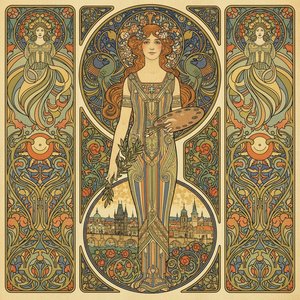
Alphonse Mucha: A Comprehensive Exploration of Art Nouveau's Master of Decorative Symbolism
Explore the life & art of Alphonse Mucha, master of Art Nouveau! Discover his iconic posters, stunning illustrations, and the monumental Slav Epic. A comprehensive guide for collectors & enthusiasts.

Art Nouveau: The Elegant Fusion of Nature and Design – A Journey Through Organic Sophistication
Discover the exquisite world of Art Nouveau. Explore the elegant fusion of nature and design through architectural masterpieces, organic forms, and the legendary masters of the Belle Époque. Immerse yourself in a journey of timeless sophistication and ornamental beauty.