


 設置イメージを確認
 送る
送る シェア
シェア
 詳細情報
詳細情報 ガイドを表示

 画像をダウンロード
 似ている作品
 X線調査
X線調査 スライドショー
 統計情報
統計情報Maria Immaculata
 Oil On Canvas
- WallArt
- Baroque Classicizing Style
 1688
1688 181.0 x 128.0 cm
 Sanssouci Picture Gallery
Marvel at 'Maria Immaculata' by Carlo Maratta! This stunning Baroque masterpiece depicts the Virgin Mary with angels, showcasing exquisite detail and classicizing style from 1688. A timeless work of art.
 続きを読む
続きを読む
カルロ・マラッタ(1625-1713)は、バロック様式と古典主義を融合させたローマの主要な画家です。宗教画やフレスコ画で知られ、6人の教皇から依頼を受けました。その優雅さと精神性を探求してください!
手描き油彩複製画
当社のアーティストが、お客様のご希望のサイズと額縁に合わせて、キャンバスに手描きで制作する油彩画です。 ( プリント版に切り替え デジタル画像販売へ切り替え)




P118B ¥10

P118H ¥10

P118W ¥10

P438Z ¥10

P508JH ¥12

P508YH ¥12

P805H ¥10

P805Z ¥10

P919BZ ¥10

P919G ¥10

P919XJ ¥10

P959ZH ¥10

P968JZ ¥12

W106C ¥8

W218G ¥10

W218JH ¥8

W218Y ¥10

W307PJ ¥10

W316G ¥10

W316PJ ¥8

W316Y ¥10

W398PJ ¥8

W4111J ¥10

W500HY ¥15

W500JH ¥15

W692G ¥12

W849H ¥8

W940BG ¥15

W953PJ ¥8




標準サイズ
カスタムサイズ
CM
INCH
作品のオリジナル比率に合わせた、当店の規定サイズからお選びください。
Loading sizes...

横幅
高さ
フレームや壁のスペースに合わせて、ご希望の幅と高さを入力してください。本作品は手描きのため、異なる比率のサイズをご希望の場合、絵画の周囲を少し広げて描くか、あるいは端を少しカットして調整することが可能です。お客様のご要望に合わせます。制作を開始する前に、仕上がりを確認するためのデジタルモックアップをお送りいたします。このページに表示されている画像は完成品の実物ではなく、あくまでモックアップによるイメージです。
カスタマイズの例:顔をお客様の写真に置き換える、ペットを追加する(例:猫を犬に変更)、背景に隠れたメッセージを入れる、背景の風景や要素を変更するなど。
ご注文後、TopImpressionists.com チームより詳細な指示をお送りするとともに、仕上がりイメージ(モックアップ)をご提供いたします。
ご注文後、TopImpressionists.com チームより詳細な指示をお送りするとともに、仕上がりイメージ(モックアップ)をご提供いたします。


 ガラスオプションは、110cm未満のサイズでのみご利用いただけます。

Maria Immaculata
再現技法
複製画サイズ一覧
-


合計金額
¥ 42355
A Divine Embrace: Exploring the Baroque Majesty of Maria Immaculata
Carlo Maratta’s “Maria Immaculata,” painted in 1688, isn't merely a depiction of the Virgin Mary; it’s a carefully constructed tableau of faith, grace, and the burgeoning classical ideals of the late Baroque period. The painting immediately draws the viewer into a scene brimming with serene beauty – a testament to Maratta’s mastery of light, composition, and his deep understanding of religious iconography. The work transcends simple portraiture, offering a glimpse into a world where divine presence is palpable, inviting contemplation on themes of motherhood, purity, and spiritual devotion.
Maratta, a pivotal figure in Roman art after the Mannerist style, skillfully blended the emotional intensity of the Baroque with a newfound emphasis on clarity and balance. He was deeply influenced by Andrea Sacchi, his mentor, who instilled within him a reverence for classical forms and a restraint that tempered the dramatic flourishes characteristic of earlier Baroque painters. This influence is evident in “Maria Immaculata” – the figures are rendered with elegant poise, their gestures refined and harmonious, creating an atmosphere of dignified serenity. The color palette is rich yet controlled, dominated by deep blues and golds, evoking a sense of majesty and spiritual depth.
- Subject & Composition: At the heart of the painting stands Mary, presented as a figure of profound grace and maternal tenderness. She cradles the infant Jesus, his face radiating an innocent beauty. Surrounding them are a host of angels – one hovering above her head, another descending from the heavens, and two more positioned on either side, acting as silent witnesses to this sacred moment. The composition is meticulously balanced, drawing the eye towards Mary’s central position while subtly guiding it through the intricate arrangement of figures and architectural elements.
- Technique & Style: Maratta's brushwork is remarkably smooth and polished, indicative of his meticulous attention to detail. He employs sfumato – a technique borrowed from Leonardo da Vinci – to soften edges and create an ethereal quality, particularly around Mary’s face and the infant Jesus. The use of gold leaf adds a luminous sheen to the garments and halos, further enhancing the painting's sense of grandeur.
- Historical Context: Painted in 1688, “Maria Immaculata” reflects the Counter-Reformation’s emphasis on religious art as a tool for spiritual instruction and inspiration. The Catholic Church actively commissioned artworks that reinforced its doctrines and promoted piety among the faithful. The depiction of Mary as Immaculate – signifying her sinless conception – was a key theological concept during this period, emphasizing her unique role in salvation history.
Symbolism Woven into Sacred Space
Beyond its immediate beauty, “Maria Immaculata” is laden with symbolic meaning. The angels themselves represent divine messengers and protectors, embodying the grace and guidance offered by God’s presence. Mary's pose – her hand gently shielding the infant Jesus – symbolizes protection, nurturing, and the safeguarding of faith. The architectural setting, though somewhat simplified, evokes a sense of heavenly space, suggesting the sacredness of this encounter. The inclusion of light is particularly significant; it emanates from Mary and the Christ Child, illuminating the scene and symbolizing divine grace.
Notably, the painting’s composition echoes classical ideals of harmony and proportion, reflecting Maratta's commitment to a refined aesthetic rooted in antiquity. The arrangement of figures creates a pyramidal structure, a compositional device frequently employed by Renaissance artists to convey stability and balance.A Legacy of Baroque Elegance
Carlo Maratta’s “Maria Immaculata” stands as a remarkable example of the Roman Baroque at its most refined. It showcases his ability to seamlessly blend technical mastery with profound spiritual insight, creating an artwork that continues to resonate with viewers centuries later. The painting's enduring appeal lies not only in its aesthetic beauty but also in its capacity to evoke feelings of reverence, peace, and a deep connection to the timeless themes of faith and motherhood. Reproductions of this masterpiece offer a chance to bring this serene vision into any space, fostering contemplation and reminding us of the profound beauty found within religious art.
Further Research: For more information about Carlo Maratta and “Maria Immaculata,” explore resources such as the TopImpressionists website (https://TopImpressionists.com/carlo-maratta-maria-immaculata) and Wikipedia’s entry on Carlo Maratta (https://en.wikipedia.org/wiki/Carlo_Maratta).
よくあるご質問
カルロ・マラッタ作「Maria Immaculata」の色使いは、どのような感情を呼び起こしますか?
カルロ・マラッタ作「Maria Immaculata」のEarthyなパレットは、そのTranquilな情緒的トーンと見事に調和しています。色彩は、作品が感情を伝えるための重要な要素の一つです。
カルロ・マラッタ作「Maria Immaculata」に関する統計情報はどこで確認できますか?
カルロ・マラッタ作「Maria Immaculata」に関する統計情報は、作品の統計情報ページでご確認いただけます。こちらでは、作品の月間訪問数、アーティストの作品への訪問数、および最近の訪問者の国別・言語別の内訳をご覧いただけます。
「Maria Immaculata」にはどのような雰囲気がありますか?
カルロ・マラッタ作「Maria Immaculata」は、その情緒においてCalmと表現されます。この分類は、作品を空間やシーンに合わせる際の手助けとなります。
アーティストについて
ローマ・バロックを彩った巨匠、カルロ・マラッタ
カルロ・マラッタ(Marattiとも呼ばれる)は17世紀イタリア絵画において重要な位置を占める画家であり、盛期バロックからより洗練された古典主義的な美学への移行を体現しています。1625年5月15日、教皇領(現在のイタリアの一部)のカメラーノに生まれ、11歳の時にローマへ移り住み、その芸術的旅が始まりました。この転居は画期的な出来事となり、彼は測量された構図と古典主義への献身で知られる画家、アンドレア・サッキの工房に入ります。サッキの影響はマラッタの発展するスタイルに深く刻まれ、華麗なバロック様式とは一線を画す明瞭性、バランス、抑制された感情表現への傾倒を育みました。この弟子入りは単なる技術訓練ではなく、知的厳格さと調和のとれたデザインをドラマチックなスペクタクルよりも優先する芸術哲学への没頭でした。マラッタはこの原則を取り入れましたが、古典主義の枠に閉じこもることはなく、古典的な基盤とバロック様式の流れを巧みに融合させる卓越した能力を示しました。ローマでの華々しいキャリア
マラッタの才能はすぐに開花し、1650年代半ばにはすでに重要な依頼を受けるようになりました。初期の作品の一つである『受胎告知』(1656年、サンタ・マリア・デッラ・パチェ教会)は、光と動きを巧みに操り、宗教的な場面に深遠な精神性を吹き込む能力を示しています。彼は単に確立されたモデルを模倣するのではなく、優雅な人物像、洗練されたドレープ、そして微妙でありながら力強い色彩の使い方によって独自のビジョンを注入しました。この時期には『聖アウグスティヌスへの三位一体の啓示』(1655年頃)も制作され、古典主義的な理想とバロック様式のダイナミズムのバランスを見事に表現しています。彼の評判が高まるにつれて、依頼の規模と名声も高まりました。彼はローマの有力な家族に愛顧されるようになり、そして何よりも重要なことに、教皇庁からのパトロネージを得ることになります。60年以上にわたり、マラッタは少なくとも六人の教皇から依頼を受けました—これは彼の芸術的才能と政治的な洞察力の証です。この一貫した教皇の支援は経済的な安定をもたらしただけでなく、彼をローマの芸術的・文化的生活の中心に位置づけました。様式と影響の融合
マラッタのスタイルはしばしば「古典主義バロック」と呼ばれ、そのユニークな歴史的位置付けを表しています。ラファエロに根ざした古典的な伝統に深く根ざしている一方で、より劇的なバロック様式の傾向の影響も受けていました。同時代のジョヴァンニ・ベッローリは、この融合を認識し、初期の伝記の中でマラッタの芸術的アプローチを記録しました。画家は、バロック絵画の特徴である光と影の劇的な使い方と、古典主義者が好んだ構図の明瞭さを巧みに統合しました。この融合の結果、感情的に魅力的でありながら知的に満足させる作品が生まれました。彼のパレットは鮮やかでしたが、しばしば抑制され、大胆なコントラストよりも調和のとれた色彩関係を優先しました。彼は宗教的な物語を描くことに優れ、敬虔さと精神的な強度を吹き込みました。フィレンツェのピッティ宮殿に所蔵されている『聖フィリッポ・ネリへの聖母出現』(1675年頃)は、優雅さと深遠な感情的な共鳴をもってそのようなテーマを解釈する彼の能力を示す好例です。絵画を超えて:修復と遺産
マラッタの貢献は新しい作品の制作にとどまらず、ローマの芸術的遺産の保存にも尽力しました。1702年から1703年にかけて、インノチェンティウスXIは彼を*surintendent des chambres du vatican*(バチカン部屋監督官)に任命し、バチカンのスタンツァにあるラファエロのフレスコ画の修復という任務を与えました—これは彼が古典芸術における主要な権威としての地位を裏付けるものでした。この取り組みは単なる技術的な修復の問題ではなく、イタリア最大の芸術的宝の一つに対する敬意を表す行為であり、その重要性を理解しているマスターに託されました。マラッタは1713年12月15日にローマで亡くなるまで精力的に活動し続け、広大で影響力のある作品を残しました。古典主義的な様式を確立した彼の遺産は18世紀を通じて受け継がれ、明瞭性、バランス、調和のとれた構図を重視する世代の芸術家に影響を与えました。今日、彼の絵画はTopImpressionists.comのようなプラットフォームに掲載されている美術館を含む世界中の美術館で見ることができ、彼の芸術的ビジョンが今後何年にもわたって人々にインスピレーションと感動を与え続けていることを保証しています。主要な作品と永続的な影響
- アポロンとダフネ: 古典神話のダイナミックな描写であり、マラッタの動きと感情を描く能力を示しています。
- 花輪の中の東方の三博士の礼拝: 色彩と形の習熟を示す豊かな詳細な構図です。
- 羊飼いの礼拝(1690年): 神聖な象徴性とダイナミックな配置で祝われるバロック様式の傑作です。
- 受胎告知: 光と動きの才能が宗教的な文脈で開花し始めた初期の作品です。
- 聖アウグスティヌスへの三位一体の啓示: 古典主義的な理想とバロック様式の要素を融合させる能力を示す説得力のある例です。

カルロ・マラッタ
1625 - 1713
アーティスト情報
- Artistic Movement Or Style: バロック古典主義
- Artists Or Movements Influenced By This Artist: ['18世紀美術']
- Artists Who Influenced This Artist: ['アンドレア・サッキ']
- Date Of Birth: 1625年5月15日
- Date Of Death: 1713年
- Full Name: カルロ・マラッタ
- Nationality: イタリア人
- Notable Artworks (List Of Titles):
- 受胎告知
- 三位一体の神秘
- 聖フィリッポ・ネリ
- アポロンとダフネ
- 東方の賢者礼拝
- 羊飼いの礼拝
- Place Of Birth (City And Country): カメラーノ、イタリア
関連記事

The Dramatic Flourish: Exploring the Baroque Movement's Enduring Legacy in Art History
Explore the dramatic world of Baroque art! Discover iconic artists like Caravaggio & Rubens, defining techniques, and its lasting impact on art history. Expert insights for collectors & enthusiasts at TopImpressionists.

Baroque Classicism: The Grandeur of Order and Drama in 17th-Century Art History
Explore the profound elegance of Baroque Classicism. Discover how 17th-century masters synthesized dramatic emotion with classical order through the lens of the Counter-Reformation and the works of legends like Carlo Maratta and Andrea Sacchi.

バロックのドラマ:現代のインテリアに壮麗さと情感を取り込む
バロック様式の歴史、絵画、家具の魅力をご紹介。TopImpressionistsでは、高品質な油絵複製やカスタムポートレートをご提供し、現代のインテリアに壮麗さと情感を取り入れます。アートコンサルテーションも承ります。

The Visceral Stage: Exploring Dramatic Narratives & Emotional Intensity in Baroque Art
Explore the dramatic world of Baroque art! Discover iconic masters like Caravaggio & Rembrandt, their techniques, and the movement's lasting impact. Expert insights for collectors & enthusiasts at TopImpressionists.
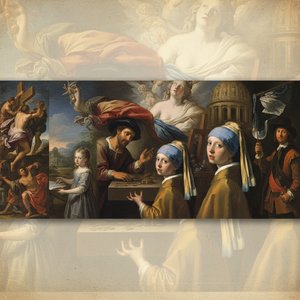
バロック美術を極めた至宝:時代を彩る10大名作の世界
バロック美術の華!カラヴァッジョ、ベルニーニら巨匠が創り上げた10大名作を徹底解剖。ドラマチックな色彩と豪華絢爛の世界観に触れ、至宝のアートプリントで空間を彩ろう。TopImpressionists.comで美術館品質の複製と洗練されたインテリアを見つけましょう!