


 設置イメージを確認
 送る
送る シェア
シェア
 詳細情報
詳細情報 ガイドを表示

 画像をダウンロード
 似ている作品
 X線調査
X線調査 スライドショー
 統計情報
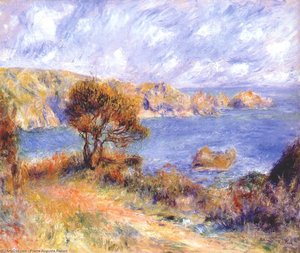
統計情報la corniche sun


 続きを読む
続きを読む
ジークレー/アートプリント
スピーディーな制作と多彩な仕上げオプションが魅力の、ミュージアムクオリティなジークレー・キャンバスプリント。 ( 手描きの複製画を注文する デジタル画像販売へ切り替え)




P118B ¥10

P118H ¥10

P118W ¥10

P438Z ¥10

P508JH ¥12

P508YH ¥12

P805H ¥10

P805Z ¥10

P919BZ ¥10

P919G ¥10

P919XJ ¥10

P959ZH ¥10

P968JZ ¥12

W106C ¥8

W218G ¥10

W218JH ¥8

W218Y ¥10

W307PJ ¥10

W316G ¥10

W316PJ ¥8

W316Y ¥10

W398PJ ¥8

W4111J ¥10

W500HY ¥15

W500JH ¥15

W692G ¥12

W849H ¥8

W940BG ¥15

W953PJ ¥8




標準サイズ
カスタムサイズ
CM
INCH
作品のオリジナル比率に合わせた、当店の規定サイズからお選びください。
Loading sizes...

横幅
高さ
額縁や壁のスペースに合わせて、ご希望の幅と高さを入力してください。プリントはカットすることは可能ですが、元の画像より大きくすることはできないため、異なる比率のサイズを選択された場合は、画像の一部が欠けることになります。印刷を開始する前に、内容を確認していただくためのデジタルモックアップをお送りいたします。このページに表示されている画像は、実際のカット後の状態を示すものではありません。実際の仕上がりはモックアップにてご確認ください。


 ガラスオプションは、110cm未満のサイズでのみご利用いただけます。

la corniche sun
ジークレー/アートプリント
複製画サイズ一覧
-


合計金額
¥ 10871
La Corniche Sun: A Glimpse of Monet’s Impressionistic Paradise
Claude Monet's La Corniche Sun isn’t merely a depiction of a landscape; it’s an immersion into the very essence of light and perception, a cornerstone of the Impressionist movement. This captivating oil painting reproduction, available on TopImpressionists.com, offers a profound window into Monet’s revolutionary approach to capturing the fleeting beauty of nature – a philosophy that fundamentally altered the course of art history. The scene unfolds in a sun-drenched valley nestled amongst rolling hills, a tranquil tableau punctuated by the gentle presence of two figures strolling along a dirt road, seemingly lost in the serenity of their surroundings. It’s a moment frozen in time, imbued with an atmosphere of peaceful contemplation and bathed in the golden hues of a late afternoon sun.
Monet's genius lay not just in his ability to render visual reality but in translating his *experience* of it onto canvas. He sought to capture the ‘impression’ of a scene – the way light dances, colors shift, and shadows play – rather than meticulously recreating every detail. This is vividly demonstrated here through Monet’s signature technique: short, broken brushstrokes applied with rapid succession. These strokes aren't meant to define forms precisely; instead, they create an overall sense of luminosity and movement, mimicking the way our eyes perceive light and color in a natural setting. Notice how he uses pure, unmixed colors placed side-by-side, allowing the viewer’s eye to blend them optically – a key element of Impressionism that creates a vibrant, shimmering effect.
The Artist and His Philosophy
Born Oscar-Claude Monet in 1840, Claude Monet was a pivotal figure in the development of Impressionist painting. His artistic journey began with a deep connection to nature, fostered by his mentor Eugène Boudin, who instilled in him the vital principle of “plein air” – painting outdoors directly from observation. This commitment to capturing immediate sensations profoundly influenced Monet’s work, driving him to reject the academic traditions of the time and embrace a more subjective, expressive approach. As documented on TopImpressionists.com, Monet's philosophy wasn’t simply about replicating what he saw; it was about conveying how he *felt* when he looked at the world – his emotions, his memories, his fleeting impressions.
Monet’s work resonated deeply with the intellectual and artistic currents of the late 19th century. He challenged established conventions by prioritizing personal perception over objective representation, paving the way for modern art movements that followed. His dedication to capturing the ephemeral qualities of light and color profoundly impacted artists like Renoir, Degas, and Pissarro, establishing Impressionism as a dominant force in the art world.
A Glimpse into Monet’s World
The painting's setting – a mountainous valley near Monaco – provides context for understanding Monet’s artistic choices. He frequently depicted landscapes he found inspiring, often returning to the same locations repeatedly to study their changing moods and atmospheric conditions. This dedication to observation is evident in his “Series” paintings, such as those of Rouen Cathedral, where he captured the same subject under vastly different lighting conditions throughout the year. La Corniche Sun, with its warm light and sense of tranquility, reflects Monet’s desire to capture a moment of idyllic beauty – a fleeting glimpse of harmony between humanity and nature.
Beyond its aesthetic qualities, the painting holds symbolic resonance. The two figures on the path suggest a connection to the natural world, inviting viewers to share in their peaceful contemplation. The sun itself acts as a unifying element, bathing the landscape in a radiant glow and symbolizing life, energy, and renewal. Interestingly, this scene was painted during a period of personal reflection for Monet, following the loss of his beloved wife Camille, suggesting an underlying theme of remembrance and solace.
Bringing Impressionism Home
TopImpressionists.com offers a remarkable opportunity to own a high-quality reproduction of La Corniche Sun, allowing you to bring this masterpiece into your home or office. These hand-painted reproductions faithfully capture the nuances of Monet’s brushwork and color palette, providing an authentic representation of his artistic vision. Considered alongside works like “Peupliers au bord de l'Epte Sun” and “Hôtel de Roches Noires, Trouville,” this painting exemplifies Monet’s enduring legacy as a master of light, color, and the evocative power of nature. For those interested in exploring Monet’s life and work further, the California Palace of the Legion of Honor provides an extensive collection of European art, including many examples of his celebrated oeuvre.
よくあるご質問
クロード・モネ作「la corniche sun」は、絵画、デッサン、それとも版画のいずれでしょうか?
「la corniche sun」は、ウォールアートの作品です。
「la corniche sun」の色は、どの程度の光を反射しているように見えますか?
クロード・モネ作「la corniche sun」 の輝度は Gentle Luminance です。輝度とは、色がどれほど光を反射しているかを表す指標です。
「la corniche sun」のダウンロードは可能ですか?
「la corniche sun」はダウンロード可能です。作品のダウンロードページにて高解像度デジタル画像のダウンロードいただけます。
関連作品




アーティストについて
光に浸された生涯:クロード・モネの世界
印象派という言葉と同義語とも言えるオスカー=クロード・モネ。彼は単なる風景画家ではありませんでした。一瞬のきらめきを記録する年代記作家であり、光と色彩の詩人だったのです。1840年11月14日、パリに生まれた彼の人生は、5歳の時に家族がノルマンディー地方のル・アーヴルへ移り住んだことで、予想外の転換期を迎えます。当初、父親によって商業的なキャリアを歩むことが予定されていましたが、若きモネの内なる芸術的才能はすぐに開向し、まずは地元の市場で売られる炭の風刺画として現れました。これは彼の技術と起業家精神の両方を証明するものでした。しかし、彼の運命を決定づけたのは、エウジェーヌ・ブーダンとの出会いでした。ブーダンはモネに絵を描く技法だけでなく、自然の中で直接描くen plein air(外光派)という革命的な概念を植え付けました。この実践こそが、彼の芸術的探求のすべてを定義づけることになったのです。
モネの正式な訓練はパリで始まり、アカデミー・スイス、そして後にシャルル・グレールの指導のもとで行われました。ここで彼はオーギュスト・ルノワールといった同時代の芸術家たちと固い友情を築きました。その絆は、共通の芸術的苦悩と、伝統的なアカデミー絵画の制約から解放されたいという切実な願いによって結ばれたものでした。初期の作品は技術的な熟練さを示してはいたものの、後に彼のスタイルを特徴づけることになる独特の「声」にはまだ欠けていました。その後、普仏戦争という激動の時代が訪れます。モネはロンドンへと避難を余儀なくされましたが、そこでJ.M.W.ターナーをはじめとするイギリスの風景画の巨匠たちの作品に没頭することになります。彼は彼らの描く大気の効果や、革新的な色彩の使用法を深く吸収していったのです。
美学革命の誕生
フランスに戻ったモネは、沸き起こりつつあった芸術的反乱の中心人物となりました。保守的なサロンの基準に不満を抱いていた彼は、志を同じくする芸術家たちと協力し、独立展覧会を開催します。1874年の展覧会は、モネ個人にとっても、美術界全体にとっても決定的な転換点となりました。この際、ル・アーヴルの港の夜明けを霞んだ描写で捉えた「印象、日の出」が展示されました。この作品から、当初は蔑称として「印象派」という名称が生まれました。しかし、その名は定着し、対象を正確に再現することよりも、その場における主観的な「印象」を捉えようとする運動の誇り高い称号へと進化していったのです。
モネのシグネチャー・スタイルはこの時期に花開きました。大胆で目に見える筆致、隣接して配置された鮮やかで、しばしば混ざり合わない色彩(「筆触分割」として知られる技法)、そして移ろいゆく光の儚い性質を捉えようとする揺るぎない集中力。彼はplein airの実践を執拗なまでに追求し、刻々と変化する自然の条件によって情景が変わってしまう前に、自身の即時的な知覚を記録しようと素早く筆を動かしました。この献身は、単に「見たもの」を描写することだけが目的ではなく、それに対して自分が「どう感じたか」を表現するためのものでした。これは芸術的慣習からの、極めて急進的な脱却だったのです。
ジヴェルニー:光と反射の楽園
1883年、モネはパリの北西に位置するジヴェルニーに定住しました。そこで築かれた家と庭は、彼の聖域であると同時に、最大のインスピレーションの源となりました。彼はその敷地を、エキゾチックな花々やシダ、そして最も有名な、日本橋が架かる睡蓮の池を備えた精緻な楽園へと作り変えました。これは単なる装飾的な庭園ではありませんでした。水面、木の葉、そして反射に光がもたらす影響を、制御された条件下で研究するための「生きた実験室」だったのです。
人生の最後の数十年は、ほぼすべてがジヴェルニーの睡蓮の池を描くことに捧げられました。彼は記念碑的な「睡蓮」シリーズに着手し、池の表面を絶え間なく変化する色彩と光のタペストリーとして描き出した巨大なキャンバスを生み出しました。これらは単なる花の絵ではありませんでした。鑑賞者を静謐な美しさと瞑想的な静寂の世界へと包み込むための、没入型の体験だったのです。これらの作品のスケールは息をのむほどであり、伝統的な絵画の境界を押し広げ、後の抽象表現主義を予感させるものでした。
遺産:美術史への永続的な影響
クロード・モネが美術史に与えた影響は計り知れません。彼は単なる印象派の創始者にとどまらず、芸術家たちが周囲の世界をどのように認識し、表現するかというあり方を根本から変えてしまいました。主観的な経験への重視、plein air(外光派)技法の受容、そして革新的な手法は、抽象や非具象的な形態を探求する近代美術への道を切り拓いたのです。
モネは存命中にかなりの商業的成功を収めました。これは当時の前衛芸術家としては極めて稀なことでした。彼の作品は今なお世界中の人々を魅了し、畏敬の念を抱かせ続けており、西洋美術における最も重要な人物の一人としての地位を揺るぎないものにしています。1926年12月5日に世を去った彼が残した遺産は、世代を超えて芸術家や愛好家たちの心に響き続けています。彼の傑作の重要なコレクションは、パリのオルセー美術館やマルモッタン・モネ美術館といった権威ある機関に収蔵されており、そのヴィジョンは今もなお世界を照らし続けています。
主要な芸術技法
- 外光派(Plein Air)の技法:彼の発展の中核であり、光と大気を直接観察することを可能にしました。 <
- 筆触分割(Broken Color):純粋な色彩の小さな筆跡を隣り合わせに置くことで、視覚的な混色を生み出す技法です。
- 連作(Series Painting):同じ主題を異なる光や天候の下で描くこと。時間と光がもたらす変容の力を証明しました。

クロード・モネ
1840 - 1926 , フランス
アーティスト情報
- フルネーム: クロード・モネ
- 主な作品:
- 印象、日の出
- 睡蓮
- 干し草
- ルーアン大聖堂
- 出生地: パリ、フランス
- 国籍: フランス人
- 影響を与えたアーティストまたは運動: ['近代美術']
- 影響を受けたアーティスト:
- ユージェン・ブーダン
- J.M.W.ターナー
- 死亡年月日: 1926年12月5日
- 生年月日: 1840年11月14日
- 芸術運動またはスタイル: 印象派
関連記事

クロード・モネ傑作25選:光と色彩の印象派を彩る名画の世界 | TopImpressionists
クロード・モネの傑作25選。印象派を代表する光の画家、モネの世界を旅しませんか?睡蓮や風景画など、名画の背景にある物語と芸術技法をご紹介。TopImpressionistsで高品質な複製画とインテリアアートを見つけましょう。全コレクションはこちら。

印象派風景を彩った至宝:アート史に名を刻む10選
印象派風景の革新を彩った10選。モネ、ルノワールら巨匠の名作を紐解き、色彩と光が生み出す感動の世界へ。アートの歴史とインテリアのインスピレーションをTopImpressionists.comで。高品質な複製画で、あなただけの空間を創造しましょう。

Evocations of Place: A Historical Journey Through Landscape Art
Explore the rich history of landscape art with TopImpressionists. Discover renowned artists, movements like Impressionism & tonalism, and expert guidance for collecting timeless pieces. Find your perfect serene escape today!

Impressionism's Masterpieces: 10 Paintings That Defined a Movement | TopImpressionists
Journey through Impressionism's heart with 10 iconic paintings by Monet, Renoir & Degas. Explore light, color & the stories behind these masterpieces. Find museum-quality art reproductions and elevate your home decor on TopImpressionists.com.

Impressionistic Landscapes: 10 Masterpieces That Changed Art & Decor
Journey into the heart of Impressionism! Explore 10 masterpieces by Monet, Renoir & Degas that revolutionized landscape art. Discover their stories, techniques & find museum-quality reproductions to elevate your home decor on TopImpressionists.com.
テーマ、スタイル、特徴別に分類された作品を探索しましょう。


