


 設置イメージを確認
 送る
送る シェア
シェア
 詳細情報
詳細情報 ガイドを表示

 画像をダウンロード
 似ている作品
 X線調査
X線調査 スライドショー
 統計情報
統計情報landscape - parc monceau, paris


Experience the luminous dappled sunlight and serene greenery of Claude Monet's Impressionist masterpiece Parc Monceau, a breathtaking capture of Parisian tranquility that invites you to bring this timeless beauty home.
 続きを読む
続きを読む
印象派の巨匠クロード・モネの世界を探索しましょう。「睡蓮」や「積みわら」といった象徴的な風景画を通じて、移ろいゆく光と色彩を見事に捉えた彼の作品は、今なお人々を魅了し続けています。
ジークレー/アートプリント
スピーディーな制作と多彩な仕上げオプションが魅力の、ミュージアムクオリティなジークレー・キャンバスプリント。 ( 手描きの複製画を注文する デジタル画像販売へ切り替え)




P118B ¥10

P118H ¥10

P118W ¥10

P438Z ¥10

P508JH ¥12

P508YH ¥12

P805H ¥10

P805Z ¥10

P919BZ ¥10

P919G ¥10

P919XJ ¥10

P959ZH ¥10

P968JZ ¥12

W106C ¥8

W218G ¥10

W218JH ¥8

W218Y ¥10

W307PJ ¥10

W316G ¥10

W316PJ ¥8

W316Y ¥10

W398PJ ¥8

W4111J ¥10

W500HY ¥15

W500JH ¥15

W692G ¥12

W849H ¥8

W940BG ¥15

W953PJ ¥8




標準サイズ
カスタムサイズ
CM
INCH
作品のオリジナル比率に合わせた、当店の規定サイズからお選びください。
Loading sizes...

横幅
高さ
額縁や壁のスペースに合わせて、ご希望の幅と高さを入力してください。プリントはカットすることは可能ですが、元の画像より大きくすることはできないため、異なる比率のサイズを選択された場合は、画像の一部が欠けることになります。印刷を開始する前に、内容を確認していただくためのデジタルモックアップをお送りいたします。このページに表示されている画像は、実際のカット後の状態を示すものではありません。実際の仕上がりはモックアップにてご確認ください。


 ガラスオプションは、110cm未満のサイズでのみご利用いただけます。

landscape - parc monceau, paris
ジークレー/アートプリント
複製画サイズ一覧
-


合計金額
¥ 10856
A Symphony of Light and Tranquility: Exploring Claude Monet’s Parc Monceau
To step into Claude Monet’s “Landscape – Parc Monceau, Paris” is to surrender to a world where time dissolves into a haze of luminous color. Painted in 1878, this masterpiece serves as a profound testament to the Impressionist revolution, capturing not just a physical location in the heart of Paris, but the very essence of a fleeting moment. Monet, a poet of light, invites us into a lush grove where the boundaries between reality and perception blur. The central figure of the composition—a magnificent blossoming tree laden with delicate flowers—acts as an anchor for the soul, its branches reaching through dappled sunlight to create a rhythmic dance of shadow and brilliance.
The painting is far more than a mere botanical study; it is an emotional landscape. Through his masterful use of en plein air techniques, Monet captures the ephemeral beauty of the natural world as it breathes under the Parisian sky. The presence of two figures strolling quietly along the path adds a subtle, human heartbeat to the scene, suggesting a shared moment of leisurely contemplation. For the collector or interior designer, this piece offers a sense of profound serenity, acting as a window into a tranquil sanctuary that remains untouched by the frantic pace of modern urban life.
The Mastery of Broken Color and Impressionistic Technique
Technically, this work is a triumph of the Impressionist philosophy. Rather than relying on traditional, smooth transitions of pigment, Monet employs a technique characterized by broken color. He applied small, separate strokes of pure pigment across the canvas, allowing the viewer's eye to optically mix the hues. This method creates a shimmering luminescence, an illusion of light refracting through leaves and dancing upon the grass. The lush greenery is not a singular shade of emerald, but a complex tapestry of yellows, blues, and soft ochres that vibrate with life.
This approach to texture and light provides an incredible depth that makes a high-quality reproduction feel truly alive within a room. When placed in a curated space, the painting’s ability to capture "the impression" of sunlight can transform the atmosphere of a gallery or a private residence. The way the light seems to move across the canvas invites the eye to wander, discovering new nuances of shade and brilliance with every glance, much like one would experience a real stroll through the Parc Monceau itself.
Historical Resonance and Aesthetic Inspiration
The historical context of this piece adds layers of prestige to its visual beauty. During the late 19th century, Parc Monceau was a favored retreat for Parisians seeking respite from the industrial bustle, and Monet’s depiction preserves this era of elegance and peace. By capturing this specific Parisian landscape, Monet connects the viewer to the very origins of modern art. His dedication to painting directly from nature—a practice instilled in him by his mentor Eugène Boudin—ensures that every stroke carries the authentic energy of the outdoors.
For those seeking to infuse their interiors with sophistication and a sense of historical continuity, this artwork serves as an incomparable centerpiece. It embodies a timeless aesthetic that complements both classical and contemporary decor. Whether it is used to anchor a large-scale wall installation or to provide a soft, organic focal point in a minimalist setting, the painting’s enduring charm lies in its ability to evoke nostalgia for a sun-drenched, peaceful past, making it a cherished acquisition for any serious lover of fine art.
よくあるご質問
クロード・モネ作「landscape - parc monceau, paris」の明るさはどのように感じられますか?
全体として、「landscape - parc monceau, paris」の明るさはbrightと記録されています。知覚的な明るさとは、作品がどの程度明るく、あるいは暗く感じられるかを表すものです。
クロード・モネ作「landscape - parc monceau, paris」において、芸術運動と時代はどのように交差しているのでしょうか?
「landscape - parc monceau, paris」はImpressionismの様式に属しており、その作者は19世紀の時代に活動していました。
「landscape - parc monceau, paris」の主題は、クロード・モネの通常のテーマとどのように関連していますか?
「landscape - parc monceau, paris」はlandscape, parisian park, floral blooms, trees, people viewing, light effects, outdoor painting, impressionist styleを描いていますが、クロード・モネのこれまでのテーマとして記録されているのはnature observation, light capture technique, impressionist aesthetic, parisian urban life, monet’s landscape legacyです。この二つを比較することで、本作が作家のいつもの主題とどのように関連しているかが明らかになります。
関連作品


アーティストについて
光に浸された生涯:クロード・モネの世界
印象派という言葉と同義語とも言えるオスカー=クロード・モネ。彼は単なる風景画家ではありませんでした。一瞬のきらめきを記録する年代記作家であり、光と色彩の詩人だったのです。1840年11月14日、パリに生まれた彼の人生は、5歳の時に家族がノルマンディー地方のル・アーヴルへ移り住んだことで、予想外の転換期を迎えます。当初、父親によって商業的なキャリアを歩むことが予定されていましたが、若きモネの内なる芸術的才能はすぐに開向し、まずは地元の市場で売られる炭の風刺画として現れました。これは彼の技術と起業家精神の両方を証明するものでした。しかし、彼の運命を決定づけたのは、エウジェーヌ・ブーダンとの出会いでした。ブーダンはモネに絵を描く技法だけでなく、自然の中で直接描くen plein air(外光派)という革命的な概念を植え付けました。この実践こそが、彼の芸術的探求のすべてを定義づけることになったのです。
モネの正式な訓練はパリで始まり、アカデミー・スイス、そして後にシャルル・グレールの指導のもとで行われました。ここで彼はオーギュスト・ルノワールといった同時代の芸術家たちと固い友情を築きました。その絆は、共通の芸術的苦悩と、伝統的なアカデミー絵画の制約から解放されたいという切実な願いによって結ばれたものでした。初期の作品は技術的な熟練さを示してはいたものの、後に彼のスタイルを特徴づけることになる独特の「声」にはまだ欠けていました。その後、普仏戦争という激動の時代が訪れます。モネはロンドンへと避難を余儀なくされましたが、そこでJ.M.W.ターナーをはじめとするイギリスの風景画の巨匠たちの作品に没頭することになります。彼は彼らの描く大気の効果や、革新的な色彩の使用法を深く吸収していったのです。
美学革命の誕生
フランスに戻ったモネは、沸き起こりつつあった芸術的反乱の中心人物となりました。保守的なサロンの基準に不満を抱いていた彼は、志を同じくする芸術家たちと協力し、独立展覧会を開催します。1874年の展覧会は、モネ個人にとっても、美術界全体にとっても決定的な転換点となりました。この際、ル・アーヴルの港の夜明けを霞んだ描写で捉えた「印象、日の出」が展示されました。この作品から、当初は蔑称として「印象派」という名称が生まれました。しかし、その名は定着し、対象を正確に再現することよりも、その場における主観的な「印象」を捉えようとする運動の誇り高い称号へと進化していったのです。
モネのシグネチャー・スタイルはこの時期に花開きました。大胆で目に見える筆致、隣接して配置された鮮やかで、しばしば混ざり合わない色彩(「筆触分割」として知られる技法)、そして移ろいゆく光の儚い性質を捉えようとする揺るぎない集中力。彼はplein airの実践を執拗なまでに追求し、刻々と変化する自然の条件によって情景が変わってしまう前に、自身の即時的な知覚を記録しようと素早く筆を動かしました。この献身は、単に「見たもの」を描写することだけが目的ではなく、それに対して自分が「どう感じたか」を表現するためのものでした。これは芸術的慣習からの、極めて急進的な脱却だったのです。
ジヴェルニー:光と反射の楽園
1883年、モネはパリの北西に位置するジヴェルニーに定住しました。そこで築かれた家と庭は、彼の聖域であると同時に、最大のインスピレーションの源となりました。彼はその敷地を、エキゾチックな花々やシダ、そして最も有名な、日本橋が架かる睡蓮の池を備えた精緻な楽園へと作り変えました。これは単なる装飾的な庭園ではありませんでした。水面、木の葉、そして反射に光がもたらす影響を、制御された条件下で研究するための「生きた実験室」だったのです。
人生の最後の数十年は、ほぼすべてがジヴェルニーの睡蓮の池を描くことに捧げられました。彼は記念碑的な「睡蓮」シリーズに着手し、池の表面を絶え間なく変化する色彩と光のタペストリーとして描き出した巨大なキャンバスを生み出しました。これらは単なる花の絵ではありませんでした。鑑賞者を静謐な美しさと瞑想的な静寂の世界へと包み込むための、没入型の体験だったのです。これらの作品のスケールは息をのむほどであり、伝統的な絵画の境界を押し広げ、後の抽象表現主義を予感させるものでした。
遺産:美術史への永続的な影響
クロード・モネが美術史に与えた影響は計り知れません。彼は単なる印象派の創始者にとどまらず、芸術家たちが周囲の世界をどのように認識し、表現するかというあり方を根本から変えてしまいました。主観的な経験への重視、plein air(外光派)技法の受容、そして革新的な手法は、抽象や非具象的な形態を探求する近代美術への道を切り拓いたのです。
モネは存命中にかなりの商業的成功を収めました。これは当時の前衛芸術家としては極めて稀なことでした。彼の作品は今なお世界中の人々を魅了し、畏敬の念を抱かせ続けており、西洋美術における最も重要な人物の一人としての地位を揺るぎないものにしています。1926年12月5日に世を去った彼が残した遺産は、世代を超えて芸術家や愛好家たちの心に響き続けています。彼の傑作の重要なコレクションは、パリのオルセー美術館やマルモッタン・モネ美術館といった権威ある機関に収蔵されており、そのヴィジョンは今もなお世界を照らし続けています。
主要な芸術技法
- 外光派(Plein Air)の技法:彼の発展の中核であり、光と大気を直接観察することを可能にしました。 <
- 筆触分割(Broken Color):純粋な色彩の小さな筆跡を隣り合わせに置くことで、視覚的な混色を生み出す技法です。
- 連作(Series Painting):同じ主題を異なる光や天候の下で描くこと。時間と光がもたらす変容の力を証明しました。

クロード・モネ
1840 - 1926 , フランス
アーティスト情報
- フルネーム: クロード・モネ
- 主な作品:
- 印象、日の出
- 睡蓮
- 干し草
- ルーアン大聖堂
- 出生地: パリ、フランス
- 国籍: フランス人
- 影響を与えたアーティストまたは運動: ['近代美術']
- 影響を受けたアーティスト:
- ユージェン・ブーダン
- J.M.W.ターナー
- 死亡年月日: 1926年12月5日
- 生年月日: 1840年11月14日
- 芸術運動またはスタイル: 印象派
関連記事

Beyond the Light: Capturing Raw Emotion and Subjective Vision in Post-Impressionist Landscapes
Explore the profound emotional depth of Post-Impressionist landscapes. Discover how masters like Van Gogh moved beyond light to capture raw human feeling through vibrant color and expressive texture in this expert art history retrospective.
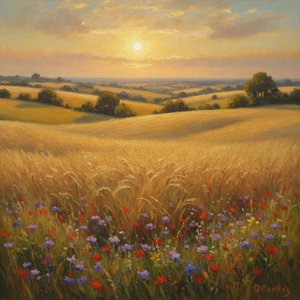
Golden Fields & Sun-Drenched Meadows: Capturing the Soul of Impressionist Landscapes
Immerse yourself in the luminous world of Impressionist landscapes. Discover how masters like Monet and Gauguin captured ephemeral light through plein air painting, and learn to bring the soul of sun-drenched meadows into your home with exquisite, hand-painted oil reproductions.

Eternal Bonds in Dappled Light: Capturing the Tender Warmth of Family Gatherings in Impressionist Masterpieces
Step into a world of dappled sunlight and tender connections. Explore how Impressionist masters like Renoir captured the warmth of family life. At TopImpressionists.com, we transform your cherished memories into exquisite, hand-painted oil masterpieces that celebrate eternal bonds.

The Beauty of Impermanence: Capturing Decay through Impressionist Eyes
Explore the profound beauty of impermanence through Impressionist and Post-Impressionist eyes. Discover how masters like Monet and Van Gogh captured fleeting light and the poetic essence of nature's transitions in our deep dive into art history and emotional landscapes.

Capturing the Soul: The Most Emotionally Moving Impressionist and Post-Impressionist Masterpieces
Discover the profound emotional depth of Impressionist and Post-Impressionist masterpieces. Explore how legends like Monet, Van Gogh, and Gauguin captured light and soul through evocative landscapes and vibrant brushwork for a timeless connection to art history.
テーマ、スタイル、特徴別に分類された作品を探索しましょう。


