


 設置イメージを確認
 送る
送る シェア
シェア
 詳細情報
詳細情報 ガイドを表示

 画像をダウンロード
 似ている作品
 X線調査
X線調査 スライドショー
 統計情報
統計情報The Basin at Argenteuil


 続きを読む
続きを読む
ジークレー/アートプリント
スピーディーな制作と多彩な仕上げオプションが魅力の、ミュージアムクオリティなジークレー・キャンバスプリント。 ( 手描きの複製画を注文する デジタル画像販売へ切り替え)




P118B ¥10

P118H ¥10

P118W ¥10

P438Z ¥10

P508JH ¥12

P508YH ¥12

P805H ¥10

P805Z ¥10

P919BZ ¥10

P919G ¥10

P919XJ ¥10

P959ZH ¥10

P968JZ ¥12

W106C ¥8

W218G ¥10

W218JH ¥8

W218Y ¥10

W307PJ ¥10

W316G ¥10

W316PJ ¥8

W316Y ¥10

W398PJ ¥8

W4111J ¥10

W500HY ¥15

W500JH ¥15

W692G ¥12

W849H ¥8

W940BG ¥15

W953PJ ¥8




標準サイズ
カスタムサイズ
CM
INCH
作品のオリジナル比率に合わせた、当店の規定サイズからお選びください。
Loading sizes...

横幅
高さ
額縁や壁のスペースに合わせて、ご希望の幅と高さを入力してください。プリントはカットすることは可能ですが、元の画像より大きくすることはできないため、異なる比率のサイズを選択された場合は、画像の一部が欠けることになります。印刷を開始する前に、内容を確認していただくためのデジタルモックアップをお送りいたします。このページに表示されている画像は、実際のカット後の状態を示すものではありません。実際の仕上がりはモックアップにてご確認ください。


 ガラスオプションは、110cm未満のサイズでのみご利用いただけます。

The Basin at Argenteuil
ジークレー/アートプリント
複製画サイズ一覧
-


合計金額
¥ 10870
A Symphony of Light on the Seine
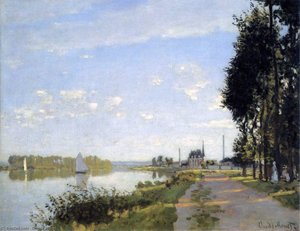
Claude Monet’s The Basin at Argenteuil is far more than a mere depiction of a riverside scene; it is a profound distillation of the burgeoning spirit of Impressionism itself. Painted in 1872, this canvas captures a movement that sought to embrace fleeting moments of beauty and emotion rather than striving for the rigid photographic realism of previous eras. The painting serves as an emblem of artistic innovation, transforming a simple waterfront into a vibrant stage where light and life perform their daily dance. As one gazes upon the water, there is an immediate sense of being transported to a time when Parisians sought refuge in the tranquil landscapes of the Seine, finding joy in the simple elegance of a summer afternoon.
The composition unfolds with remarkable serenity, inviting the viewer to wander along the embankment. Within this picturesque setting, Monet captures the essence of leisure, featuring figures strolling near the shore and boats gliding gracefully across the tranquil water. A subtle yet captivating element—a horse visible within the scene—adds a touch of pastoral charm, grounding the ethereal light in the reality of everyday life. The way the scene is structured creates a wonderful sense of depth, where distant elements are softly blurred, emphasizing the immediacy and the preciousness of the present moment.
The Mastery of Impressionistic Technique
To observe The Basin at Argenteuil is to witness Monet’s masterful command over the interplay of light and shadow. Eschewing the traditional method of meticulously blending colors to achieve smooth, porcelain-like surfaces, Monet employed short, broken brushstrokes that convey a palpable sense of dynamism. This technique allows the eye to participate in the creation of the image, as the visible dashes of pigment simulate the way sunlight filters through trees and shimmers upon the water’s surface. It is a revolutionary approach where color itself becomes an illusion created by the viewer's perception.
The palette is both vibrant and harmonious, dominated by soothing blues and lush greens that evoke the refreshing atmosphere of the Seine and its surrounding foliage. Monet abandons traditional, hard contours in favor of loose, expressive strokes that suggest shapes rather than defining them with clinical precision. This is particularly evident in the depiction of the clouds, which appear to shift and drift across the sky, mirroring the fluid nature of the water below. For the collector or interior designer, this technique offers a sense of movement and vitality, making the piece an ideal centerpiece for spaces that require a touch of organic energy and luminous warmth.
An Emotional Invitation to Serenity
Beyond its technical brilliance, the painting carries a deep emotional resonance. It captures a sense of peace and nostalgia, evoking the atmosphere of a sun-drenched day where time seems to slow down. The dappled sunlight and the soft reflections on the water create an environment brimming with warmth, making the artwork feel less like a static object and more like a living memory. This ability to capture the very breath of a moment is what makes Monet’s work so enduringly captivating.
For those seeking to infuse their homes or galleries with a sense of tranquility and historical elegance, The Basin at Argenteuil offers unparalleled inspiration. It is an invitation to pause, to breathe, and to appreciate the ephemeral beauty that surrounds us. Whether viewed as a window into the Second Empire era or as a masterclass in color theory, this work remains a timeless testament to the power of light to transform the ordinary into the extraordinary.
よくあるご質問
クロード・モネ作「The Basin at Argenteuil」は、お部屋にどのような雰囲気をもたらしてくれるでしょうか?
クロード・モネ作「The Basin at Argenteuil」はSereneな雰囲気を纏っており、Living Roomに飾るのがおすすめです。作品が周囲の空間にもたらすムード(情緒)をお楽しみください。
クロード・モネ作「The Basin at Argenteuil」のX線画像を見ることはできますか?
「The Basin at Argenteuil」は、作品のX線解析ページにて、層ごとに詳しく観察することができます。このビューアは修復家のライトベンチに着想を得ており、画像の11層にわたる光学的な読み取りを可能にしています。
クロード・モネ作「The Basin at Argenteuil」の制作年はいつですか?
「The Basin at Argenteuil」は1872年に制作されました。この制作年は、クロード・モネのキャリアおよびその時代の文脈において、本作を位置づけるものです。





アーティストについて
光に浸された生涯:クロード・モネの世界
印象派という言葉と同義語とも言えるオスカー=クロード・モネ。彼は単なる風景画家ではありませんでした。一瞬のきらめきを記録する年代記作家であり、光と色彩の詩人だったのです。1840年11月14日、パリに生まれた彼の人生は、5歳の時に家族がノルマンディー地方のル・アーヴルへ移り住んだことで、予想外の転換期を迎えます。当初、父親によって商業的なキャリアを歩むことが予定されていましたが、若きモネの内なる芸術的才能はすぐに開向し、まずは地元の市場で売られる炭の風刺画として現れました。これは彼の技術と起業家精神の両方を証明するものでした。しかし、彼の運命を決定づけたのは、エウジェーヌ・ブーダンとの出会いでした。ブーダンはモネに絵を描く技法だけでなく、自然の中で直接描くen plein air(外光派)という革命的な概念を植え付けました。この実践こそが、彼の芸術的探求のすべてを定義づけることになったのです。
モネの正式な訓練はパリで始まり、アカデミー・スイス、そして後にシャルル・グレールの指導のもとで行われました。ここで彼はオーギュスト・ルノワールといった同時代の芸術家たちと固い友情を築きました。その絆は、共通の芸術的苦悩と、伝統的なアカデミー絵画の制約から解放されたいという切実な願いによって結ばれたものでした。初期の作品は技術的な熟練さを示してはいたものの、後に彼のスタイルを特徴づけることになる独特の「声」にはまだ欠けていました。その後、普仏戦争という激動の時代が訪れます。モネはロンドンへと避難を余儀なくされましたが、そこでJ.M.W.ターナーをはじめとするイギリスの風景画の巨匠たちの作品に没頭することになります。彼は彼らの描く大気の効果や、革新的な色彩の使用法を深く吸収していったのです。
美学革命の誕生
フランスに戻ったモネは、沸き起こりつつあった芸術的反乱の中心人物となりました。保守的なサロンの基準に不満を抱いていた彼は、志を同じくする芸術家たちと協力し、独立展覧会を開催します。1874年の展覧会は、モネ個人にとっても、美術界全体にとっても決定的な転換点となりました。この際、ル・アーヴルの港の夜明けを霞んだ描写で捉えた「印象、日の出」が展示されました。この作品から、当初は蔑称として「印象派」という名称が生まれました。しかし、その名は定着し、対象を正確に再現することよりも、その場における主観的な「印象」を捉えようとする運動の誇り高い称号へと進化していったのです。
モネのシグネチャー・スタイルはこの時期に花開きました。大胆で目に見える筆致、隣接して配置された鮮やかで、しばしば混ざり合わない色彩(「筆触分割」として知られる技法)、そして移ろいゆく光の儚い性質を捉えようとする揺るぎない集中力。彼はplein airの実践を執拗なまでに追求し、刻々と変化する自然の条件によって情景が変わってしまう前に、自身の即時的な知覚を記録しようと素早く筆を動かしました。この献身は、単に「見たもの」を描写することだけが目的ではなく、それに対して自分が「どう感じたか」を表現するためのものでした。これは芸術的慣習からの、極めて急進的な脱却だったのです。
ジヴェルニー:光と反射の楽園
1883年、モネはパリの北西に位置するジヴェルニーに定住しました。そこで築かれた家と庭は、彼の聖域であると同時に、最大のインスピレーションの源となりました。彼はその敷地を、エキゾチックな花々やシダ、そして最も有名な、日本橋が架かる睡蓮の池を備えた精緻な楽園へと作り変えました。これは単なる装飾的な庭園ではありませんでした。水面、木の葉、そして反射に光がもたらす影響を、制御された条件下で研究するための「生きた実験室」だったのです。
人生の最後の数十年は、ほぼすべてがジヴェルニーの睡蓮の池を描くことに捧げられました。彼は記念碑的な「睡蓮」シリーズに着手し、池の表面を絶え間なく変化する色彩と光のタペストリーとして描き出した巨大なキャンバスを生み出しました。これらは単なる花の絵ではありませんでした。鑑賞者を静謐な美しさと瞑想的な静寂の世界へと包み込むための、没入型の体験だったのです。これらの作品のスケールは息をのむほどであり、伝統的な絵画の境界を押し広げ、後の抽象表現主義を予感させるものでした。
遺産:美術史への永続的な影響
クロード・モネが美術史に与えた影響は計り知れません。彼は単なる印象派の創始者にとどまらず、芸術家たちが周囲の世界をどのように認識し、表現するかというあり方を根本から変えてしまいました。主観的な経験への重視、plein air(外光派)技法の受容、そして革新的な手法は、抽象や非具象的な形態を探求する近代美術への道を切り拓いたのです。
モネは存命中にかなりの商業的成功を収めました。これは当時の前衛芸術家としては極めて稀なことでした。彼の作品は今なお世界中の人々を魅了し、畏敬の念を抱かせ続けており、西洋美術における最も重要な人物の一人としての地位を揺るぎないものにしています。1926年12月5日に世を去った彼が残した遺産は、世代を超えて芸術家や愛好家たちの心に響き続けています。彼の傑作の重要なコレクションは、パリのオルセー美術館やマルモッタン・モネ美術館といった権威ある機関に収蔵されており、そのヴィジョンは今もなお世界を照らし続けています。
主要な芸術技法
- 外光派(Plein Air)の技法:彼の発展の中核であり、光と大気を直接観察することを可能にしました。 <
- 筆触分割(Broken Color):純粋な色彩の小さな筆跡を隣り合わせに置くことで、視覚的な混色を生み出す技法です。
- 連作(Series Painting):同じ主題を異なる光や天候の下で描くこと。時間と光がもたらす変容の力を証明しました。

クロード・モネ
1840 - 1926 , フランス
アーティスト情報
- フルネーム: クロード・モネ
- 主な作品:
- 印象、日の出
- 睡蓮
- 干し草
- ルーアン大聖堂
- 出生地: パリ、フランス
- 国籍: フランス人
- 影響を与えたアーティストまたは運動: ['近代美術']
- 影響を受けたアーティスト:
- ユージェン・ブーダン
- J.M.W.ターナー
- 死亡年月日: 1926年12月5日
- 生年月日: 1840年11月14日
- 芸術運動またはスタイル: 印象派
関連記事

印象派風景を彩った至宝:アート史に名を刻む10選
印象派風景の革新を彩った10選。モネ、ルノワールら巨匠の名作を紐解き、色彩と光が生み出す感動の世界へ。アートの歴史とインテリアのインスピレーションをTopImpressionists.comで。高品質な複製画で、あなただけの空間を創造しましょう。

クロード・モネ傑作25選:光と色彩の印象派を彩る名画の世界 | TopImpressionists
クロード・モネの傑作25選。印象派を代表する光の画家、モネの世界を旅しませんか?睡蓮や風景画など、名画の背景にある物語と芸術技法をご紹介。TopImpressionistsで高品質な複製画とインテリアアートを見つけましょう。全コレクションはこちら。

Watercolor Wonders: 10 Masterpieces That Redefined Art History | TopImpressionists
Journey through 10 legendary watercolor masterpieces by Sargent, Turner & Homer! Explore iconic landscapes, portraits & floral art that redefined history. Find museum-quality reproductions and curated decor ideas at TopImpressionists.com.

Impressionistic Landscapes: 10 Masterpieces That Changed Art & Decor
Journey into the heart of Impressionism! Explore 10 masterpieces by Monet, Renoir & Degas that revolutionized landscape art. Discover their stories, techniques & find museum-quality reproductions to elevate your home decor on TopImpressionists.com.

Ephemeral Visions: Exploring the Artistic Legacy & Contemporary Practice of Watercolor Painting
Explore the captivating world of watercolor painting! Discover its rich history, essential techniques, influential artists & collecting tips. A comprehensive guide for art enthusiasts from TopImpressionists.
テーマ、スタイル、特徴別に分類された作品を探索しましょう。


