アトリエ — 世界中へ送料無料 — お届けまで2〜6週間
Sell Your Art ウィッシュリスト カート
PreviewPreview 手描き複製画を注文する 手描き複製画を注文する画像を 購入する 画像を 購入する シェアするシェアする
詳細を見る詳細を見る お気に入りに追加 お気に入りに追加 ダウンロードダウンロード 似ている作品似ている作品 X線調査X線調査 スライドショースライドショー

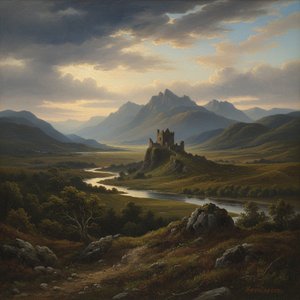
Newstead Abbey

Explore Cornelius Varley’s ‘Newstead Abbey,’ a serene Romantic landscape painting of an estate reflected in a lake. Admire its meticulous detail & classical style.

Discover Cornelius Varley’s classical watercolor paintings of architecture & figures. Explore his scientific pursuits & early contributions to art, including Thames scenes.

ジークレー/アートプリント

迅速な制作と多彩な仕上げオプションを備えた、ミュージアムクオリティのジークレーまたはキャンバスプリント。

Standard
custom
CM
INCH

作品のオリジナル比率に合わせた、当店の規定サイズからお選びください。

高さ

特定のフレームやスペースに合わせて、ご自身でサイズを指定することも可能です。選択されたサイズが元の画像の比率と一致しない場合、作品をトリミングするか、鏡面反射または単色での塗りつぶしによって画像を拡張いたします。制作を開始する前に、ご確認用のデジタルモックアップをお送りいたします。
画面上のプレビューには、実際のトリミングや拡張は反映されませんのでご注意ください。最終的な構図を正確に確認できるのは、モックアップのみとなります。
カスタムサイズも承っておりますが、元の比率を維持するためには、あらかじめ用意されたリストからサイズを選択することをお勧めいたします。

世界中への配送()は、標準の4〜5週間ではなく、2週間でお届けいたします。(24 7月)

why_choose_icon
世界中へ無料エクスプレス配送
why_choose_icon
高品質なリネンキャンバス
why_choose_icon
配送時完全保険付
why_choose_icon
関税・輸入税の払い戻し保証
why_choose_icon
忠実な色彩再現保証
why_choose_icon
60日間返品保証(製造上の欠陥のみ)
why_choose_icon
100% 全額返金保証
why_choose_icon
まとめ買い割引のご案内

合計金額

-

reproduction

Newstead Abbey

ジークレー/アートプリント

複製画のサイズ

-

合計金額

-


アーティストの略歴

Cornelius Varley (1781–1873): A Pioneer of Watercolor and Scientific Observation

Cornelius Varley, FRSA (November 21, 1781 – October 2, 1873), was a British watercolor painter and optical instrument-maker whose meticulous craftsmanship combined with an inquisitive spirit established him as one of the foremost artists of his era. Born in Hackney, London—a burgeoning suburb at the time—Varley’s artistic journey began under the tutelage of his uncle, a skilled instrument maker, fostering a fascination for both art and science that would permeate throughout his life's work. This dual passion profoundly shaped his artistic vision and contributed to his groundbreaking innovations in optics. His formative years coincided with the burgeoning Romantic movement, where he found inspiration in the works of William Blake, forging a lasting friendship that cemented their shared interest in imaginative exploration and spiritual contemplation. Educated primarily by his uncle, Varley gained invaluable knowledge of scientific principles—particularly those relating to light and vision—which would later become instrumental in his pioneering advancements within the field of optical instrumentation. This intellectual curiosity wasn’t merely academic; it fueled a desire to understand the natural world through observation and experimentation, mirroring the spirit of the age. Varley's artistic career commenced around 1800 with a memorable expedition to Wales alongside his brother, John Varley, during which he immersed himself in the study of Welsh landscapes and architecture. This formative experience instilled within him a meticulous attention to detail—a characteristic that would define his watercolor paintings for decades to come. He quickly established himself as a teacher of drawing, imparting his skills and fostering the artistic sensibilities of aspiring artists. From 1803 to 1859, Varley intermittently exhibited at the Royal Academy, showcasing his talent and securing recognition within the established art world. Simultaneously, he was a steadfast contributor to the displays of the Watercolour Society—of which he proudly founded in 1803—remaining an active member until 1821. Varley’s artistic output primarily consisted of classically inspired watercolor paintings featuring architecture and figures rendered with remarkable precision. He achieved considerable acclaim for his depictions of buildings, capturing their grandeur and sculptural qualities with painstaking accuracy. His landscapes were equally noteworthy, imbued with a subtle atmospheric perspective that conveyed the mood and character of the natural environment. Notably, Varley’s fascination extended beyond mere visual representation; he actively pursued scientific endeavors, culminating in the invention of the graphic telescope—a revolutionary instrument designed to enhance visual acuity—and earning him the prestigious Isis Gold Medal from the Society of Arts. Furthermore, his contribution to the Great Exhibition of 1851 secured him another medal for his inventive prowess. Beyond his artistic accomplishments, Varley’s personal life was marked by familial devotion. He married Elizabeth Livermore Straker in 1821 and together they raised ten children, including Cromwell Fleetwood “C.F.” Varley—a celebrated telegraph engineer who continued the family's legacy of innovation. Cornelius Varley passed away peacefully in Hampstead on October 2nd, 1873, leaving behind a rich artistic heritage and cementing his place as a pivotal figure in Victorian art history. His enduring legacy resides not only in his stunning watercolor paintings but also in his unwavering commitment to scientific inquiry—a testament to the transformative power of intellectual curiosity and artistic creativity intertwined.
Cornelius Varley

Cornelius Varley

1781 - 1873 , United Kingdom

基本情報

  • Artistic Movement Or Style: Classical Watercolor
  • Artists Or Movements Influenced By This Artist: ['Romanticism']
  • Artists Who Influenced This Artist: ['William Blake']
  • Date Of Birth: November 21, 1781
  • Date Of Death: October 2, 1873
  • Full Name: Cornelius Varley
  • Nationality: British
  • Notable Artworks:
    • Remains of Parton Hall,
    • Newstead Abbey
    • An Ivy-covered Tower By An Open Track, Ireland
  • Place Of Birth: London, United Kingdom
© © TopImpressionists.com All Rights Reserved  ·  100% 手描き · 満足保証 · 全世界送料無料
VISA MASTERCARD