


 設置イメージを確認
 送る
送る シェア
シェア
 詳細情報
詳細情報 ガイドを表示

 画像をダウンロード
 似ている作品
 X線調査
X線調査 スライドショー
 統計情報
統計情報Model


Cristóbal Balenciaga’s ‘Model’ (1967) captures a striking tweed suit – elegant, geometric & timeless. Explore this iconic fashion photograph and discover the legacy of the 'Master Couturier'.
 続きを読む
続きを読む
エレガントで彫刻的なデザインと前衛的な影響力で知られる、革命的なスペインのクチュリエ、クリストバル・バレンシアガ(バレンシアガ)の世界を探索しましょう。「Tree Roots」などの絵画や、ファッション界に与えた永続的な影響を発見してください。
このページに掲載されている作品は著作権法によって保護されており、当社の許可なく同一の複製物を制作または販売することは法律で禁じられています。この保護は、以下のような国際条約に基づき執行されます。 ベルヌ条約 および、以下の条項に定められたものを含む各国の法律により、 米国著作権法 第17編。
敬意を払った法的な代替手段として、私たちはオリジナルにインスピレーションを与えられた、カスタムの手描きアートワークを提供しています。私たちの熟練したプロのアーティストは、元の作品が持つスタイル、情緒、そして芸術的なエッセンスを注意深く研究し、独自の創作物でありながら、同じ感性を呼び起こすような、新しくユニークな作品を作り上げます。
この手法は、著作権で保護された作品の複製や複写を伴わないため、著作権法に完全に準拠しています。これは単なる模倣ではなく、創造的な再解釈です。元の作品からインスピレーションを受けつつも、それとは異なる、全く新しい絵画を生み出すものです。
手描き油彩複製画
当社のアーティストが、お客様のご希望のサイズと額縁に合わせて、キャンバスに手描きで制作する油彩画です。 ( プリント版に切り替え デジタル画像販売へ切り替え)




P118B ¥10

P118H ¥10

P118W ¥10

P438Z ¥10

P508JH ¥12

P508YH ¥12

P805H ¥10

P805Z ¥10

P919BZ ¥10

P919G ¥10

P919XJ ¥10

P959ZH ¥10

P968JZ ¥12

W106C ¥8

W218G ¥10

W218JH ¥8

W218Y ¥10

W307PJ ¥10

W316G ¥10

W316PJ ¥8

W316Y ¥10

W398PJ ¥8

W4111J ¥10

W500HY ¥15

W500JH ¥15

W692G ¥12

W849H ¥8

W940BG ¥15

W953PJ ¥8




標準サイズ
カスタムサイズ
CM
INCH
作品のオリジナル比率に合わせた、当店の規定サイズからお選びください。
Loading sizes...

横幅
高さ
フレームや壁のスペースに合わせて、ご希望の幅と高さを入力してください。本作品は手描きのため、異なる比率のサイズをご希望の場合、絵画の周囲を少し広げて描くか、あるいは端を少しカットして調整することが可能です。お客様のご要望に合わせます。制作を開始する前に、仕上がりを確認するためのデジタルモックアップをお送りいたします。このページに表示されている画像は完成品の実物ではなく、あくまでモックアップによるイメージです。
カスタマイズの例:顔をお客様の写真に置き換える、ペットを追加する(例:猫を犬に変更)、背景に隠れたメッセージを入れる、背景の風景や要素を変更するなど。
ご注文後、TopImpressionists.com チームより詳細な指示をお送りするとともに、仕上がりイメージ(モックアップ)をご提供いたします。
ご注文後、TopImpressionists.com チームより詳細な指示をお送りするとともに、仕上がりイメージ(モックアップ)をご提供いたします。


 ガラスオプションは、110cm未満のサイズでのみご利用いただけます。

Model
再現技法
複製画サイズ一覧
-


合計金額
¥ 42377
The Enigmatic Silhouette: Unpacking Cristóbal Balenciaga’s ‘Model’
Cristóbal Balenciaga’s 1966 photograph, “Model,” isn't merely a portrait; it’s a distilled essence of the designer’s revolutionary approach to fashion. The image captures a woman, her form enveloped in a striking tweed suit – a garment that immediately speaks of geometric precision and timeless elegance. Yet, beneath this surface simplicity lies a profound exploration of structure, proportion, and the very nature of representation. The photograph, often cited as one of Balenciaga’s most iconic works, transcends its status as a simple fashion image, offering a glimpse into the meticulous process and philosophical underpinnings of his design philosophy.
Balenciaga's genius wasn’t simply about creating beautiful clothes; it was about dissecting them, understanding their fundamental components, and rebuilding them with an almost architectural rigor. “Model” exemplifies this perfectly. The tweed itself is a deliberate choice – a robust, slightly stiff material that resists the drape of traditional fabrics, demanding a precise construction. Notice how the seams are barely visible, suggesting a layering technique designed to create volume without adding bulk. This restraint, this careful control over the fabric’s behavior, is characteristic of Balenciaga's work and reflects his deep understanding of materials – he considered himself more a craftsman than a designer in the conventional sense.
A Masterclass in Architectural Form
The suit’s silhouette isn’t simply flattering; it’s deliberately constructed to evoke a sense of solidity and strength. The fitted bodice, the subtly flared skirt – each element contributes to an overall impression of contained power. Balenciaga was deeply influenced by the art movements of his time, particularly Surrealism and Cubism, which encouraged him to deconstruct familiar forms and reassemble them in unexpected ways. This is evident in the suit’s sharp angles and its almost sculptural quality. The photograph itself becomes a study in form – a meditation on how shape can convey meaning and emotion.
The choice of David Bailey as the photographer further enhances the image's impact. Bailey, known for his stark, black-and-white portraits, captures the subject with an unflinching gaze, emphasizing her posture and the suit’s impeccable tailoring. The lighting is carefully controlled, highlighting the textures of the tweed and casting subtle shadows that accentuate the garment’s three-dimensional form. Bailey's skill lies in revealing the underlying structure of the image, mirroring Balenciaga’s own approach to design.
Echoes of a Lost Era: Context and Legacy
“Model” was created during a pivotal moment in fashion history – the mid-1960s. While Yves Saint Laurent was injecting youthful energy into Parisian couture with his Le Smoking tuxedo, Balenciaga remained steadfastly committed to his own vision of timeless elegance. His designs were often perceived as being ahead of their time, challenging conventional notions of beauty and femininity. The photograph serves as a reminder of this period of creative experimentation and the enduring influence of Balenciaga’s work.
The image also speaks to the broader cultural context of the era – a fascination with architecture, technology, and industrial design. Balenciaga's designs were often described as “architectural,” reflecting a growing interest in geometric forms and functional aesthetics. The photograph captures this spirit perfectly, suggesting that fashion could be both beautiful and intellectually stimulating.
A Timeless Icon: Reproduction and Inspiration
Today, “Model” remains one of the most recognizable images in the history of fashion photography. Its enduring appeal lies in its combination of technical skill, artistic vision, and emotional resonance. Reproductions of this photograph are highly sought after by collectors and interior designers alike, who appreciate its timeless elegance and its ability to evoke a sense of sophistication and refinement. When commissioning a hand-painted reproduction, it’s crucial to select an artist who understands Balenciaga's meticulous approach to detail and his commitment to capturing the essence of his designs.
よくあるご質問
クリストバル・バレンシアガ作「Model」 の著作権状況について、その根拠を教えてください。
「Model」の著作権の状態について — 著作権により保護されています — は、作者の没年である1972に基づいています。
「Model」の技法とスタイルについて教えてください。
「Model」は、Early Modernism様式によるAcrylic On Canvasで制作されています。
「Model」は、作者の母国に留まっているのでしょうか?
はい、作品は作家の母国に保管されています。。クリストバル・バレンシアガの出生国はスペインであり、「Model」の真作を収蔵している美術館はスペインにあります。
アーティストについて
生い立ちとキャリア
クリストバル・バレンシアガ・エイサギレは、スペインを代表する高名なファッションデザイナーであり、1895年にスペインのゲタリアでその生涯をスタートさせました。彼は、ハイエンド・クチュールの代名詞となったブランド「バレンシアガ」の創設者として広く知られています。妥協を許さない職人としての彼の名声は、クリスチャン・ディオールから「我ら全員のマスター(巨匠)」と称えられ、ココ・シャネルからも「真の意味における唯一のクチュリエ」という畏敬の念を込めた言葉を贈られました。芸術的スタイルと影響
バレンシアガのデザインは、その気品あふれるエレガンス、簡潔な美、そして細部への徹底したこだわりによって特徴づけられます。彼の創造性は前衛的な芸術運動(アヴァンギャルド)から多大な影響を受けており、それが大胆かつ革新的なデザインの随所に反映されています。彼の芸術的側面を示す代表的な作品には、以下のようなものがあります:- 「雅歌 IV」への習作(ナイーブ・アート/プリミティヴィズム):ファッションに対する彼の実験的なアプローチを物語る一品です。
- 樹木の根(50 x 100 cm、ポスト印象派、油彩・キャンバス):自然の本質を捉える彼の卓越した能力が示されています。
- アクロバット(シュルレアリスム、油彩・キャンバス):ファッションの世界における境界線を押し広げようとする、彼の飽くなき挑戦心を際立たせています。
美術館とコレクション
バレンシアガの作品は、世界中の様々な美術館やコレクションに収蔵されています:- アストゥリアス美術博物館(スペイン):ヨーロッパ美術の多様なコレクションを誇ります。
- アンドレス・ブライステン・コレクション(メキシコ):ラテンアメリカの芸術作品を展示するメキシコのコレクションです。
- 火災により焼失した美術館(アメリカ合衆国):アメリカの美術史における悲劇的な出来事に関連しています。
遺産と影響
バレンシアガが遺したレガシーは、単なるファッションデザインの枠を遥かに超えています。彼は後世のデザイナーたちに多大な影響を与え続け、その作品は時代を超越したエレガンスとして今なお称賛されています。クリストバル・バレンシアガ・エイサギレという名は、クチュールの世界における永遠のアイコンとして刻まれています。
クリストバル・バレンシアガ
1895 - 1972 , スペイン
アーティスト情報
- Artistic Movement Or Style: アヴァンギャルド・アート / シュルレアリスム
- Artists Or Movements Influenced By This Artist: ['ユベール・ド・ジバンシィ']
- Artists Who Influenced This Artist:
- クリスチャン・ディオール
- ココ・シャネル
- Date Of Birth: 1895年1月21日
- Date Of Death: 1972年3月23日
- Full Name: クリストバル・バレンシアガ・エイサギレ
- Nationality: スペイン
- Notable Artworks:
- 「雅の歌 IV」への習作
- 樹木の根
- アクロバット
- Place Of Birth: スペイン、ゲタリア
関連記事

Gianfranco Ferré: Deconstructing Haute Couture – A Legacy of Architectural Form
Explore the revolutionary world of Gianfranco Ferré, 'the architect of fashion.' Discover his architectural approach to haute couture, iconic Dior designs, and lasting influence on luxury style. A deep dive for collectors & enthusiasts.

Cristóbal Balenciaga: Deconstructing Haute Couture's Architectural Legacy
Explore the revolutionary world of Cristóbal Balenciaga, the 'couturier's couturier'. Discover his architectural designs, lasting influence on haute couture, and guide to collecting rare pieces. A connoisseur’s resource.

Draped Narratives: Fashion as Symbol & Subject in Historical Art
Explore the fascinating history of fashion as a symbol of power & status in art! Discover masterpieces from Gainsborough to Tissot and learn how clothing shaped societal narratives. Find museum-quality reproductions at TopImpressionists.
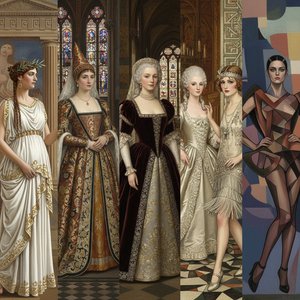
Style Through the Ages: Iconic Artworks That Defined the Evolution of Fashion Design
Explore the breathtaking intersection of fine art and high fashion. Discover how iconic masterpieces from Art Deco to Impressionism have shaped the world of luxury couture and timeless design in this curated visual journey.

The Lens of Luxury: A Visual Journey Through the Evolution and Artistry of Fashion Photography
Embark on a visual journey through the evolution of fashion photography. Discover how masters like Gianfranco Ferré blended geometry, surrealism, and texture to redefine high-fashion art for collectors and connoisseurs of luxury imagery.
テーマ、スタイル、特徴別に分類された作品を探索しましょう。

